
2025أفضل العاكسات والبطاريات المنزلية: لا تفقد الطاقة أبدًا!
ابحث عن أفضل العاكسات والبطاريات المنزلية للموثوقية, حلول فعالة للطاقة. مع تزايد الطلب على إمدادات الطاقة المستقرة في المنازل, أصبحت العاكسات ضرورية للمنازل الحديثة لمكافحة انقطاع التيار الكهربائي ودعم أنظمة الطاقة المتجددة. تتناول هذه المقالة قدرة العاكس للمنزل, ال العلاقة بين العاكسون والبطاريات, أعلى توصيات المنتج, والإجابات على الأسئلة الشائعة.
لماذا تختار أفضل العاكسات والبطاريات المنزلية?
تعد أفضل العاكسات والبطاريات المنزلية ضرورية لضمان مصدر طاقة موثوق, خاصة أثناء الانقطاعات. أنها توفر تخزين الطاقة بكفاءة, تقليل تكاليف الكهرباء, ودعم الحياة المستدامة من خلال تحسين استخدام الطاقة في منزلك.
1. كيفية اختيار سعة العاكس المناسبة لمنزلك
قدرة العاكس (تقاس بالواط, دبليو) يحدد إجمالي الطاقة التي يمكنه دعمها. اتبع هذه الخطوات:
- حساب الحمولة الإجمالية: قم بإدراج جميع الأجهزة التي تحتاج إلى طاقة متزامنة (على سبيل المثال, ثلاجة, أضواء, تلفزيون) ومجموع قوتهم المقدرة. مثال: ثلاجة (200دبليو) + 4 لمبات LED (40دبليو) + تلفزيون (100دبليو) = 340W.
- إضافة المخزن المؤقت: اختر العاكس مع 20-30% قدرة أعلى لتجنب التحميل الزائد. على سبيل المثال أعلاه, العاكس 500 واط أكثر أمانًا.
- أجهزة عالية الطاقة: المحركات (على سبيل المثال, تكييف, مضخات) تتطلب 2-3x قوتها المقدرة أثناء بدء التشغيل. اختر محولات ≥3kW لمثل هذه الأجهزة.
إرشادات السعة النموذجية:
- منازل صغيرة / الاحتياجات الأساسية: <1kW
- الأسر المتوسطة (ثلاجة, تلفزيون, المشجعين): 1-3كيلوواط
- أجهزة عالية الطاقة (تكييف, غسالة): 3-5كيلوواط
2. العاكس مقابل البطارية: الاختلافات والتآزر
| العاكس | بطارية |
|---|---|
| يحول العاصمة إلى تيار متردد | يخزن طاقة التيار المستمر |
| يتطلب إدخال البطارية | لا يمكن تشغيل أجهزة التيار المتردد مباشرة |
هل يحتاج العاكس إلى بطارية؟?
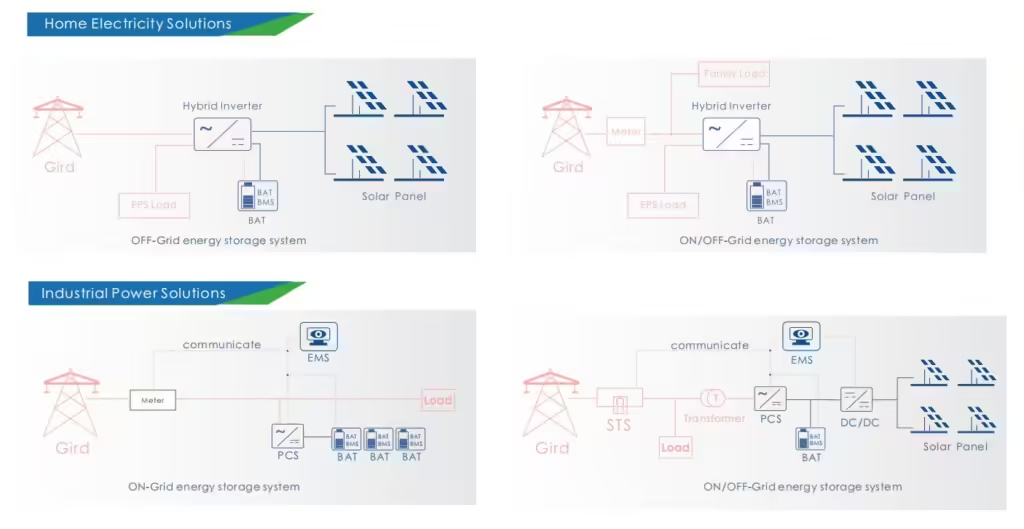
- أنظمة خارج الشبكة: البطاريات إلزامية (على سبيل المثال, منازل تعمل بالطاقة الشمسية دون الوصول إلى الشبكة).
- الأنظمة المرتبطة بالشبكة: البطاريات اختيارية ولكن يوصى بها للنسخ الاحتياطي أثناء انقطاع التيار.
- الأنظمة الهجينة: اجمع بين طاقة الشبكة والبطارية للتبديل السلس (مثالية للمناطق التي تعاني من انقطاع التيار الكهربائي المتكرر).
3. أفضل حلول العاكس المنزلي
العاكسون المستقلون
- فيكترون MultiPlus-II: جاهز للطاقة الشمسية, 3كيلوواط +
- إيكو فولت المضيئة 1050: نموذج الميزانية 1 كيلو واط
العاكس + مجموعات البطارية
- APC النسخ الاحتياطي برو: بطارية ليثيوم, صامت
- Exide البطارية الأنبوبية: مقاومة للانقطاع
4. صيغة مطابقة البطارية
سعة البطاريةالتأكد من تخزين البطارية (آه) يلبي احتياجات الطاقة الخاصة بك أثناء انقطاع التيار الكهربائي.صيغة: سعة البطارية (آه) = الحمولة الإجمالية (دبليو) × مدة الاستخدام (ح) ÷ جهد البطارية (الخامس)مثال: 500تحميل W ل 4 ساعات مع بطارية 12 فولت → 500×4÷12 ≈ 167 أمبير.
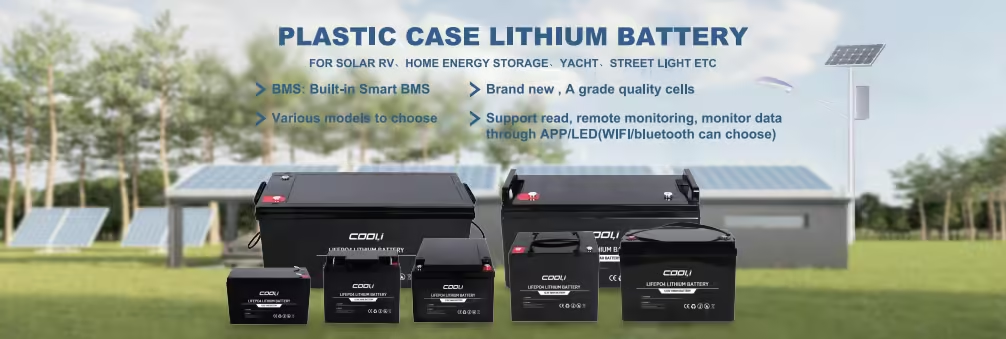
أنواع البطاريات:
- حمض الرصاص: بأسعار معقولة ولكن يتطلب الصيانة; عمر 3-5 سنين.
- الليثيوم: خفيف الوزن, عمر أطول (8-10 سنين), تكلفة مقدمة أعلى.
5. الأسئلة الشائعة
- هل يمكنني استخدام بطارية السيارة لعاكس منزلي؟?
- فقط لحالات الطوارئ. بطاريات السيارات ليست مصممة للتفريغ العميق وقد تتحلل بسرعة.
- يمكن تشغيل العاكس مباشرة من طاقة الشبكة بدون بطارية?
- لا. تحتاج العاكسات إلى مدخلات التيار المستمر من البطاريات. استخدم شاحنًا لتحويل شبكة التيار المتردد إلى تيار مستمر للبطارية.
خاتمة
يعتمد اختيار العاكس والبطارية المناسبين للمنزل على احتياجاتك من الطاقة, تردد الانقطاع, والميزانية. بالنسبة لمعظم الأسر, أ 3كيلوواط العاكس + 150آه البطارية يوفر نسخة احتياطية موثوقة. للحصول على حلول صديقة للبيئة, إقرانها مع الألواح الشمسية للإعدادات خارج الشبكة. صيانة دورية (على سبيل المثال, فحص سائل البطارية, تجنب الإفراط في التفريغ) يضمن طول العمر والطاقة دون انقطاع خلال الأوقات الحرجة.