
سعة البطارية وحساب الطاقة: الدليل العملي الكامل للطاقة الشمسية & أنظمة تخزين الطاقة
فهم سعة البطارية وحساب الطاقة أمر ضروري عند تصميم نظام تخزين الطاقة الشمسية, حل الطاقة الاحتياطية, أو التثبيت خارج الشبكة. يمكن أن يؤدي اختيار حجم البطارية الخاطئ إلى نقص الطاقة, الاستثمار الضائع, أو عدم استقرار النظام.
يشرح هذا الدليل سعة البطارية, تقييمات الطاقة, الصيغ, أمثلة حقيقية, وطرق تغيير حجم النظام بعبارات بسيطة.
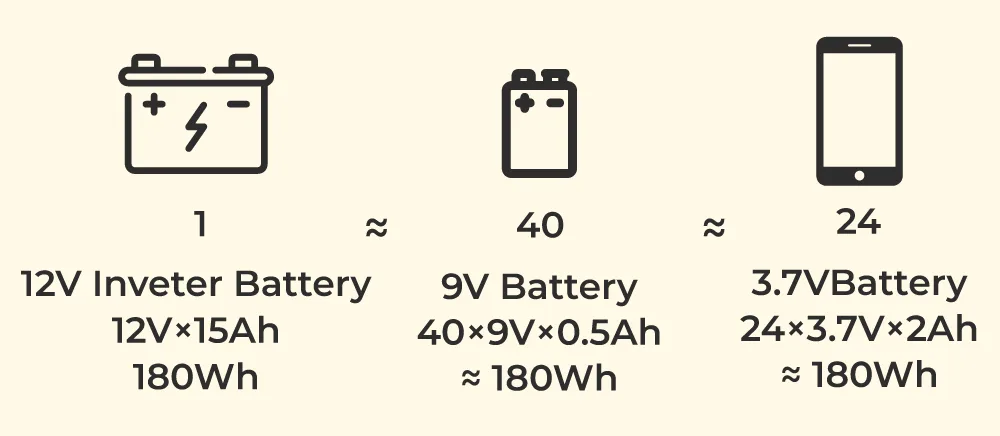
ما هي سعة البطارية?
سعة البطارية يوضح مقدار الطاقة التي يمكن للبطارية تخزينها وتسليمها بمرور الوقت. وعادة ما يتم قياسه في:
- ساعات أمبير (آه) - الحالي × الوقت
- ساعات وات (هل) - سعة الطاقة
- كيلووات ساعة (كيلووات ساعة) - سعة تخزينية كبيرة للنظام
الصيغة الأساسية
سعة البطارية (هل) = الجهد (الخامس) × أمبير ساعة (آه)
مثال:
- 12بطارية V100 أمبير
- السعة = 12 × 100 = 1,200 ذوي الخوذات البيضاء = 1.2 كيلووات ساعة
هذا هو الأساس الأكثر أهمية لسعة البطارية وحساب الطاقة.
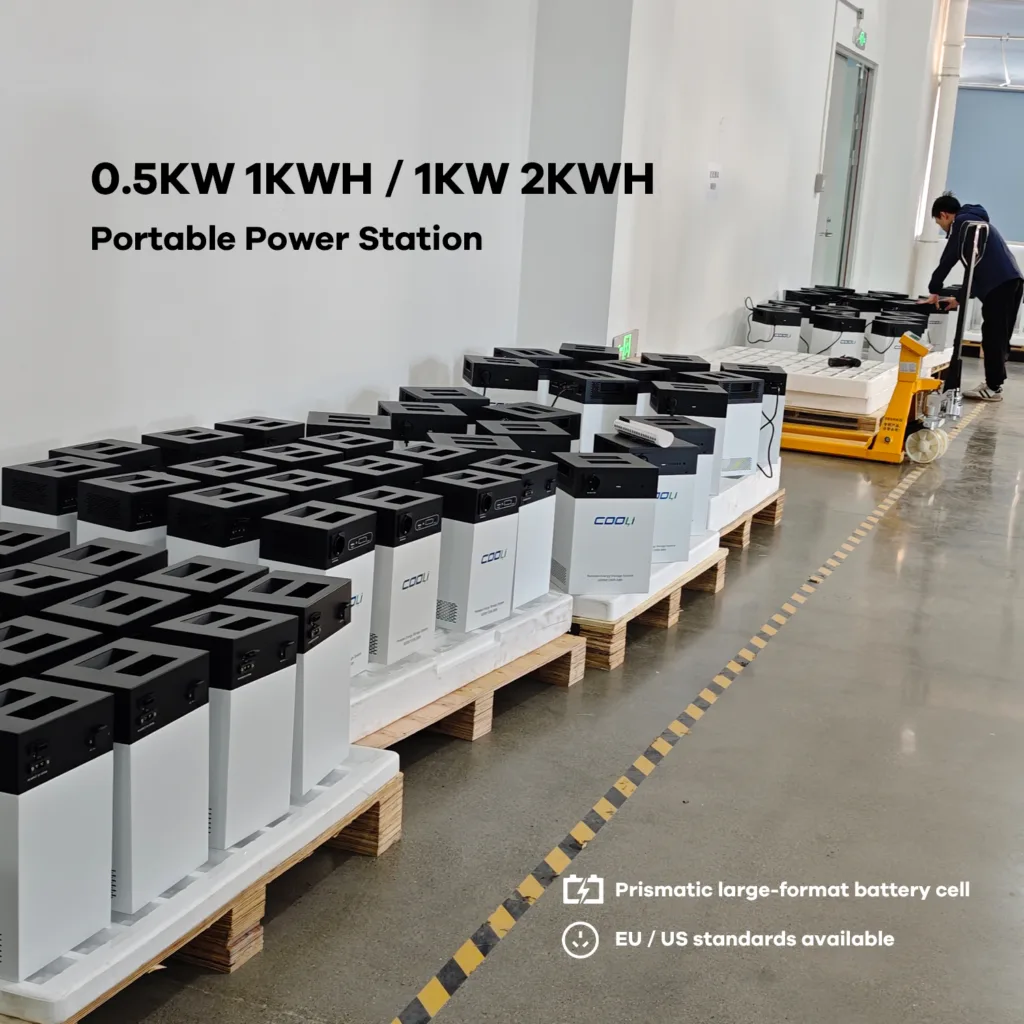
ما هي طاقة البطارية?
بطارية قوة يشير إلى مدى سرعة توصيل الطاقة في لحظة معينة. يتم قياسه في:
- واتس (دبليو)
- كيلووات (كيلوواط)
القوة تحدد:
- كم عدد الأجهزة التي يمكن تشغيلها في وقت واحد
- سواء الأحمال الثقيلة (المحركات, مضخات, مكيفات الهواء) يمكن أن تبدأ
- القدرة على التفريغ الذروة
القدرة مقابل الطاقة - الفرق الرئيسي
| غرض | سعة | قوة |
|---|---|---|
| الطاقة المخزنة | كم ثمن | — |
| سرعة التسليم | — | كيف سريع |
| وحدة | هل / كيلووات ساعة | دبليو / كيلوواط |
| مثال | 10 بطارية كيلووات ساعة | 5 انتاج كيلوواط |
قد تخزن البطارية الكثير من الطاقة ولكنها لا تزال غير قادرة على توفير طاقة عالية إذا كان معدل تفريغها منخفضًا.
سعة البطارية الأساسية وصيغ حساب الطاقة
1️⃣ حساب الطاقة
طاقة (هل) = القوة (دبليو) × الوقت (ساعات)
مثال:
- الحمل = 300 واط
- وقت التشغيل = 5 ساعات
الطاقة اللازمة = 300 × 5 = 1,500 هل
2️⃣ سعة البطارية المطلوبة
القدرة المطلوبة (آه) = الطاقة (هل) ÷ الجهد (الخامس)
مثال:
- الطاقة المطلوبة = 1,500 هل
- جهد النظام = 24 فولت
السعة = 1,500 ÷ 24 = 62.5 آه
3️⃣ضم عمق التفريغ (وزارة الدفاع)
ليست كل الطاقة المخزنة قابلة للاستخدام.
- حمض الرصاص وزارة الدفاع ≈ 50%
- LiFePO4 DoD ≈ 80-95%
السعة المعدلة = السعة المطلوبة ÷ وزارة الدفاع
مثال مع LiFePO4 (90% وزارة الدفاع):
62.5 ÷ 0.9 = 69 آه
4️⃣ إضافة هامش الأمان
أضف 10-20% للخسائر والتقادم:
الحجم النهائي ≈ 80 آه
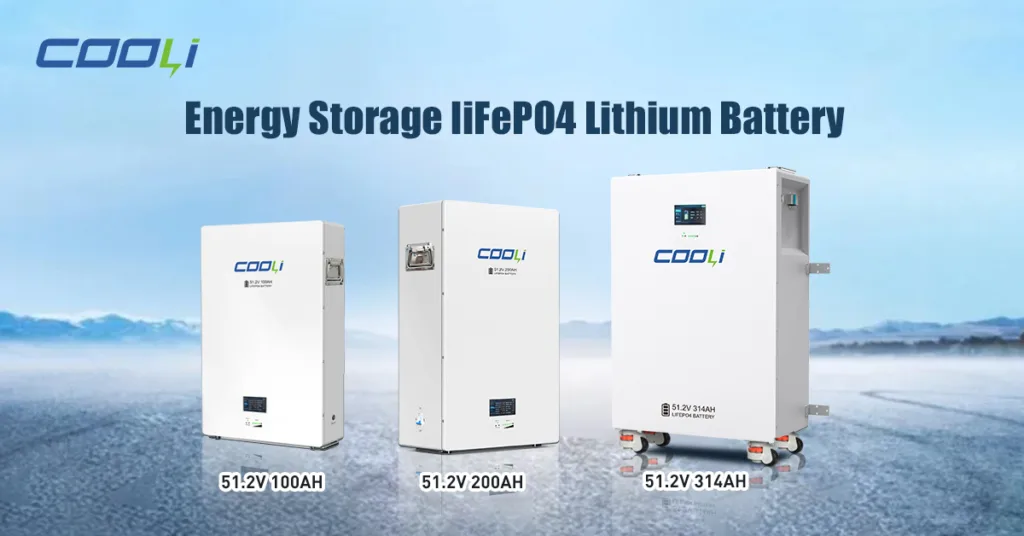
مثال لحساب سعة البطارية الشمسية
سيناريو: نظام النسخ الاحتياطي المنزلي
الأجهزة:
- الأضواء = 200 واط
- الثلاجة = 150 وات
- تلفزيون + راوتر = 150 وات
الحمل الإجمالي = 500دبليو
وقت التشغيل المطلوب = 6 ساعات
الطاقة اللازمة:
500 × 6 = 3,000 ذوي الخوذات البيضاء = 3 كيلووات ساعة
باستخدام بطارية 48V LiFePO4:
3,000 ÷ 48 = 62.5 آه
ضبط ل 90% وزارة الدفاع:
62.5 ÷ 0.9 ≈ 70 آه
البطارية الموصى بها: 48V 100 أمبير LiFePO4
حساب طاقة البطارية لدعم الحمل
إلى جانب القدرة, تحقق من قوة التفريغ.
صيغة:
الطاقة القصوى = جهد البطارية × أقصى تيار التفريغ
مثال:
- البطارية = 48 فولت
- ماكس التفريغ = 100A
الطاقة = 48 × 100 = 4,800دبليو (4.8كيلوواط)
يجب أن يبقى حمل العاكس الخاص بك ضمن هذا الحد.
الذروة مقابل القوة المستمرة
مهم لسعة البطارية وحساب الطاقة:
- قوة مستمرة = إخراج ثابت
- ذروة القوة = انفجار قصير (بدء تشغيل المحرك)
قد تتطلب أحمال المحرك 3-5 × قوة بدء التشغيل.
تحقق دائما:
- تصنيف الذروة لبطارية BMS
- العاكس تصنيف الطفرة
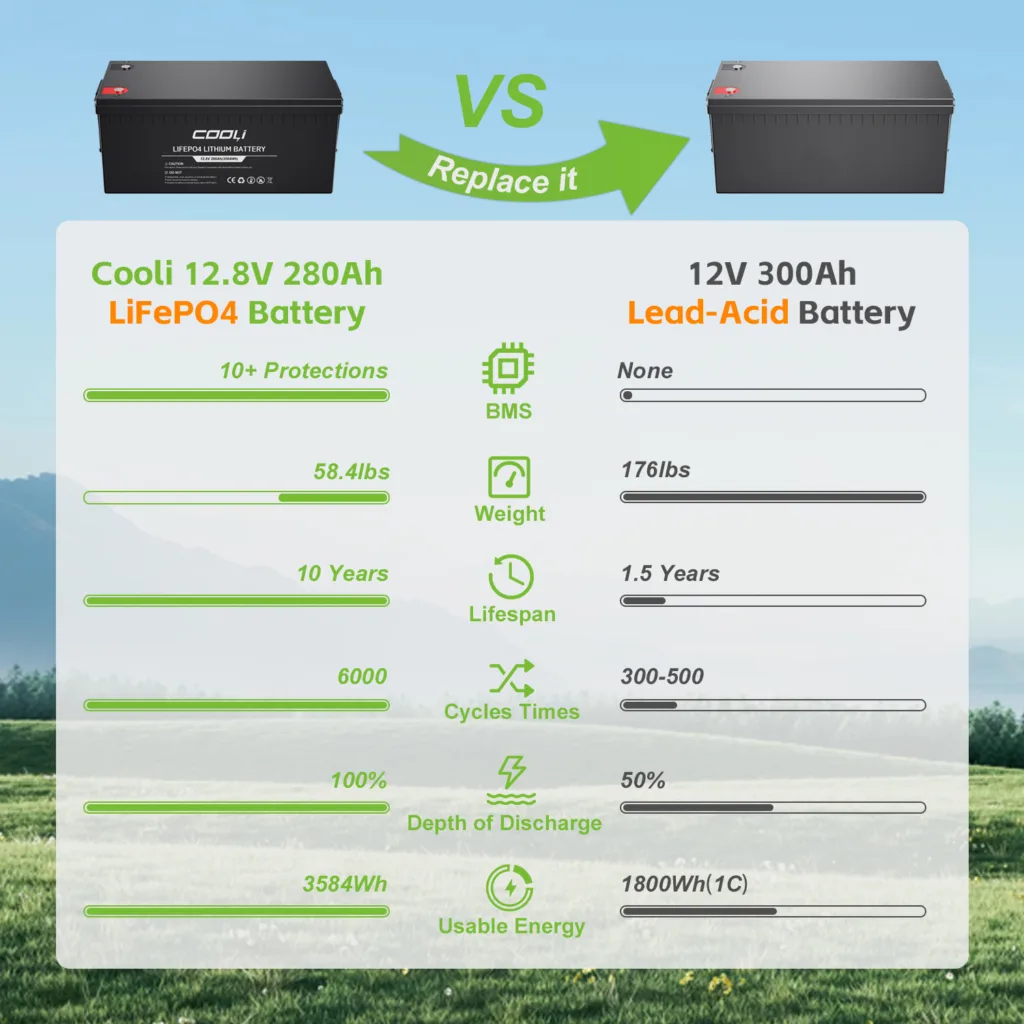
LiFePO4 مقابل حمض الرصاص في حسابات السعة
| عامل | LiFePO4 | حمض الرصاص |
|---|---|---|
| القدرة القابلة للاستخدام | 90% | 50% |
| دورة الحياة | 4000-6000 | 300-500 |
| كفاءة | أعلى | أدنى |
| وزن | أخف وزنا | أثقل |
وهذا يعني أن أنظمة LiFePO4 تتطلب القدرة الاسمية أصغر لنفس الطاقة القابلة للاستخدام.
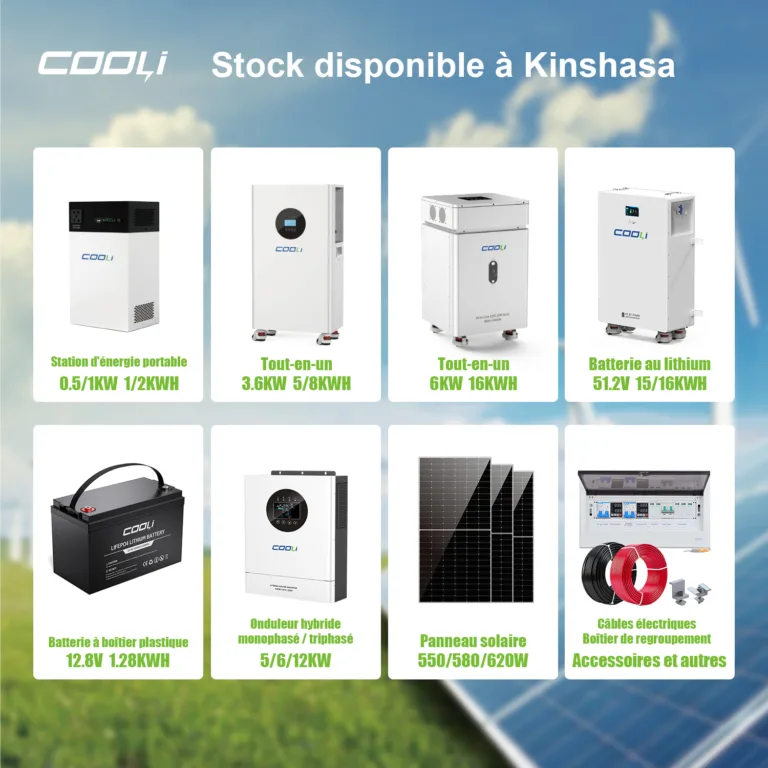
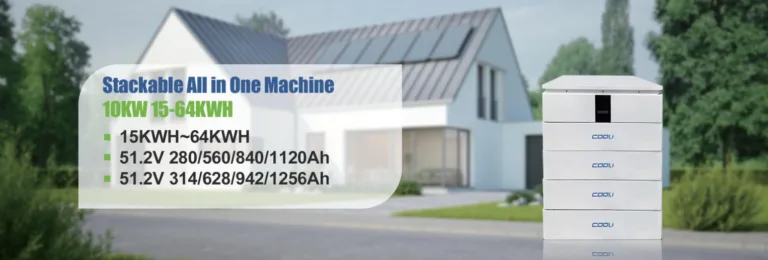
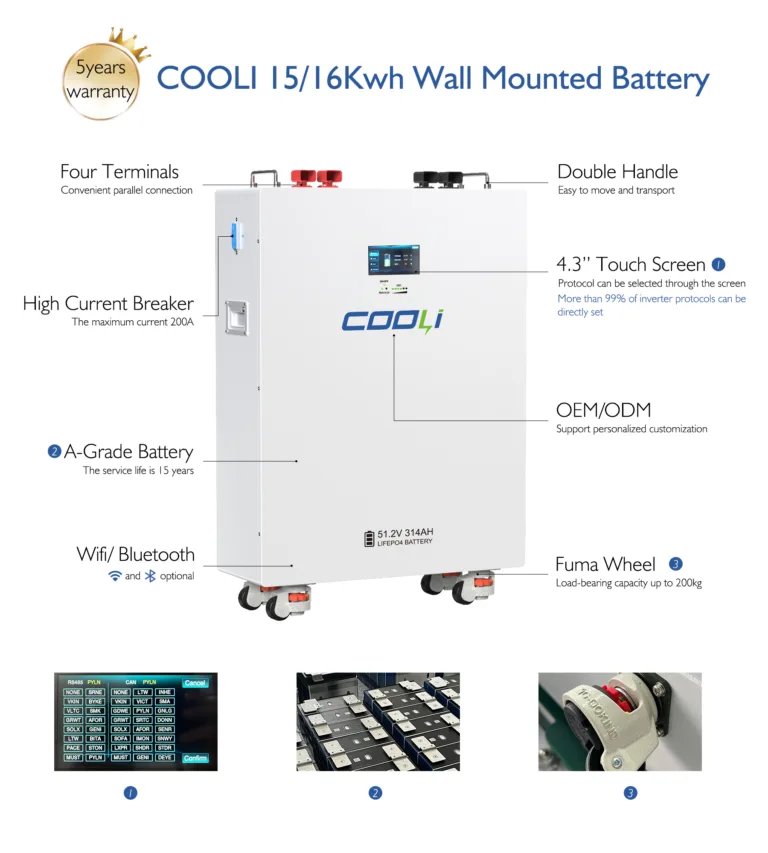
الموردين الحديثين مثل كولي (Coolienergy.com) توفير بطاريات LiFePO4 بسعة عالية قابلة للاستخدام, نظام إدارة المباني المتكامل, وتخزين قابل للتطوير لمشاريع الطاقة الشمسية وأنظمة تصنيع المعدات الأصلية.
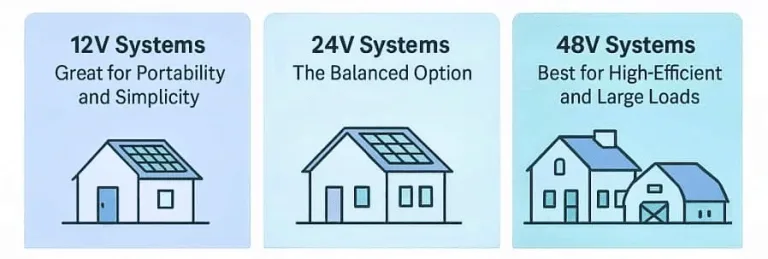
تخطيط جهد النظام وقدراته
تعمل أنظمة الجهد العالي على تقليل فقدان التيار والكابلات.
| نظام | أفضل استخدام |
|---|---|
| 12الخامس | الاعدادات الصغيرة |
| 24الخامس | الأنظمة المتوسطة |
| 48الخامس | بيت & التخزين التجاري |
لأنظمة تخزين الطاقة الشمسية الأكبر, 48V أو أعلى يحسن الكفاءة وهوامش السلامة.
قاعدة التحجيم السريعة للإبهام
يمكنك تقدير سعة البطارية باستخدام:
استخدام الطاقة اليومي (كيلووات ساعة) × أيام النسخ الاحتياطي ÷ وزارة الدفاع
مثال:
- الاستخدام اليومي = 5 كيلووات ساعة
- النسخ الاحتياطي = 1 يوم
- وزارة الدفاع = 90%
5 ÷ 0.9 = 5.6 بطارية كيلووات ساعة
الإجابة المُحسّنة للمقتطف المميز
يتم حساب سعة البطارية عن طريق ضرب جهد البطارية بتصنيف أمبير في الساعة (ث = الخامس × آه). يتم حساب طاقة البطارية عن طريق ضرب الجهد بتيار التفريغ (ث = الخامس × أ). تظهر السعة الطاقة المخزنة, بينما تظهر القوة سرعة التوصيل.
الأسئلة الشائعة - سعة البطارية وحساب الطاقة
كيف أحسب سعة البطارية لمنزلي?
مضاعفة الحمولة الإجمالية الخاصة بك (دبليو) بواسطة وقت التشغيل (ساعات) للحصول على واه, ثم قسّم على جهد البطارية واضبطه على وزارة الدفاع.
هل كيلوواط ساعة أكثر أهمية من آه?
لتخطيط النظام, كيلووات ساعة أكثر فائدة لأنه يعكس تخزين الطاقة الحقيقي.
هل يمكن للبطارية ذات السعة العالية توفير طاقة عالية؟?
ليس دائما. يجب عليك التحقق الحد الأقصى لتيار التفريغ وحدود BMS.
لماذا يعتبر LiFePO4 أفضل لحساب تخزين الطاقة?
لأنه يسمح بتصريف أعمق, كفاءة أعلى, ودورة حياة أطول - مما يقلل من القدرة الاسمية المطلوبة.
تعليق واحد