
5 حقائق يجب معرفتها حول أنظمة تخزين الطاقة & أمان
فهم تخزين بطاريات الطاقة الشمسية وأنظمة تخزين طاقة البطارية
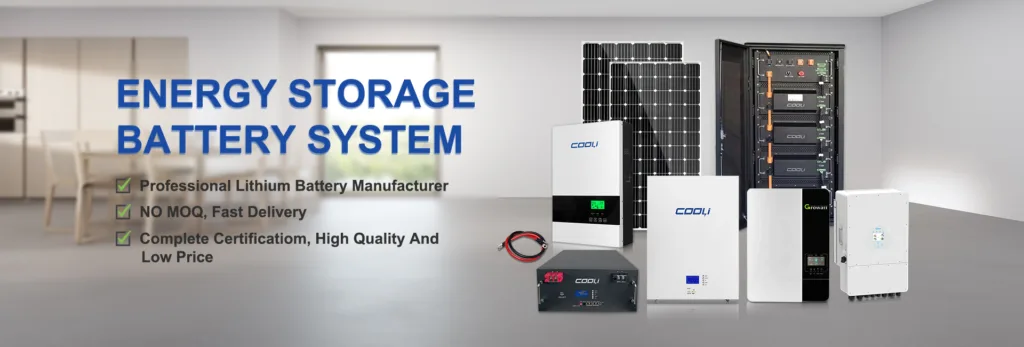
أصبحت الطاقة الشمسية حلاً بارزًا لتوليد الطاقة المستدامة, وقد أدى تكامل أنظمة تخزين البطاريات إلى تعزيز كفاءتها. لكن, مثل أي تقنية, هناك بعض الاعتبارات والقيود التي يجب أن تكون على دراية بها عند التعامل مع تخزين الطاقة الشمسية, خاصة عند استخدام بطاريات الليثيوم. في هذه المقالة, سوف نستكشف كيفية تخزين بطاريات الليثيوم لتخزين الطاقة الشمسية, القيود المفروضة على تخزين بطارية الطاقة الشمسية, و الأخطار المحتملة, جنبا إلى جنب مع أعمال أ نظام تخزين طاقة البطارية (بيس).
ما هو تخزين بطارية الطاقة الشمسية?
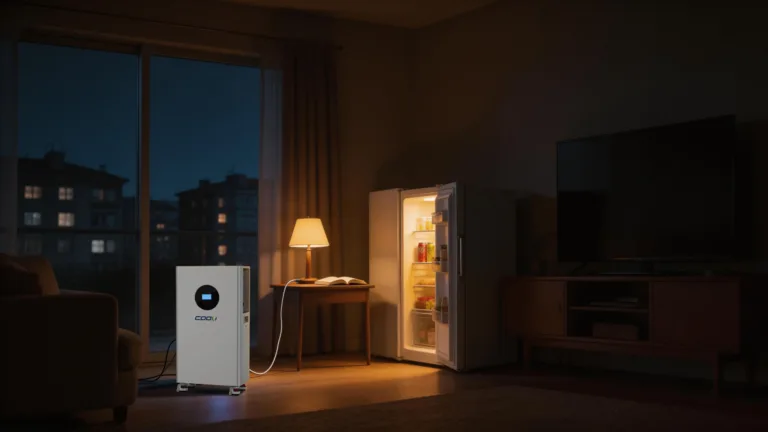
يشير تخزين بطاريات الطاقة الشمسية إلى عملية التقاط الكهرباء الزائدة الناتجة عن الألواح الشمسية وتخزينها في البطاريات لاستخدامها لاحقًا. وهذا يسمح بقدر أكبر من استقلال الطاقة, حيث يمكن استخدام الطاقة المخزنة عندما لا تكون الشمس مشرقة، مثل الليل أو أثناء الأيام الملبدة بالغيوم.
بطاريات الليثيوم, خصوصاً بطاريات LiFePO4, تُستخدم عادةً لتخزين الطاقة الشمسية لأنها توفر كثافة طاقة عالية, دورة حياة طويلة, وهي بشكل عام أكثر أمانًا من الأنواع الأخرى من بطاريات الليثيوم أيون. تم تصميم هذه البطاريات لتخزين الكهرباء المولدة من الألواح الشمسية وإطلاقها حسب الحاجة لتشغيل المنازل, الشركات, أو حتى الاجهزة الصناعية بأكملها.
كيفية تخزين بطاريات الليثيوم للطاقة الشمسية
يعد التخزين السليم لبطاريات الليثيوم أمرًا بالغ الأهمية لضمان طول عمرها وسلامتها. فيما يلي بعض النقاط الأساسية التي يجب مراعاتها عند تخزين بطاريات الليثيوم لأنظمة الطاقة الشمسية:
- التحكم في درجة الحرارة: يجب تخزين بطاريات الليثيوم في مكان بارد, بيئة جافة, من الناحية المثالية بين 20 درجة مئوية إلى 25 درجة مئوية (68درجة فهرنهايت إلى 77 درجة فهرنهايت). درجات الحرارة القصوى (إما حار جدًا أو بارد جدًا) يمكن أن يتسبب في تدهور البطاريات بشكل أسرع أو حتى تعطلها قبل الأوان.
- تجنب التفريغ العميق: قم دائمًا بتخزين بطاريات الليثيوم بشحنة جزئية, بشكل مثالي حولها 50% ل 60%. قد يؤدي تخزينها مشحونة بالكامل أو مفرغة بالكامل لفترات طويلة إلى إتلاف البطارية وتقليل عمرها الافتراضي.
- تهوية: تأكد من أن المنطقة التي تم تخزين البطاريات فيها جيدة التهوية لتجنب تراكم الحرارة. يمكن أن يؤدي ارتفاع درجة الحرارة إلى مخاطر تتعلق بالسلامة, مثل الهروب الحراري.
- تجنب أشعة الشمس المباشرة: يمكن لأشعة الشمس المباشرة أن تزيد من درجة حرارة البطاريات, مما تسبب في ارتفاع درجة حرارتهم واحتمال الفشل. تخزينها في مظللة, مساحة جيدة التهوية.
- الصيانة الدورية: تحقق بشكل دوري من مستويات الشحن وحالة البطاريات, خاصة إذا كانت مخزنة على المدى الطويل, للتأكد من أنها لا تزال تعمل بشكل صحيح.
هل أنظمة الطاقة الشمسية لديها قيود على تخزين البطارية؟?
نعم, أنظمة الطاقة الشمسية لها قيود عندما يتعلق الأمر بتخزين البطارية. وتشمل بعض التحديات الرئيسية:
- حدود القدرات: كمية الطاقة التي يمكنك تخزينها محدودة بقدرة البطاريات. إذا كان توليد الطاقة الشمسية لديك يتجاوز باستمرار سعة التخزين لديك, قد يتم إهدار الطاقة الزائدة, ما لم يتم تغذيته مرة أخرى إلى الشبكة (إذا كانت مرتبطة بالشبكة).
- كفاءة البطارية: تفقد البطاريات عادةً جزءًا من الطاقة أثناء عملية الشحن والتفريغ. هذا يعني أنه على الرغم من أنه يمكنك تخزين 10 كيلوواط ساعة من الطاقة, قد تكون قادرًا على الاستخدام فقط 8-9 كيلووات ساعة, اعتمادا على كفاءة البطارية والعاكس.
- يكلف: بطاريات عالية الجودة, وخاصة تلك التي تعتمد على الليثيوم, يمكن أن تكون مكلفة. يمكن أن تكون التكلفة الأولية لإنشاء نظام تخزين البطارية عائقًا كبيرًا أمام العديد من أصحاب المنازل أو الشركات.
- عمر: بينما تتمتع بطاريات الليثيوم بعمر طويل (عادة 5-15 سنين), أنها تتحلل في نهاية المطاف. مع تقدمهم في السن, تتضاءل قدرتهم على حمل الشحنة, مما يعني أنها سوف تحتاج إلى استبدالها.
- فضاء: لأنظمة الطاقة الأكبر, ستحتاج إلى مساحة كافية لتثبيت بنك البطارية. يمكن أن يكون هذا عاملاً مقيدًا للمنازل أو المباني الصغيرة.
ما هي المخاطر التي يشكلها تخزين بطارية الليثيوم لأنظمة الطاقة الشمسية؟?
على الرغم من أن بطاريات الليثيوم آمنة وموثوقة بشكل عام, فهي تشكل مخاطر معينة عندما لا يتم التعامل معها بشكل صحيح. وتشمل بعض المخاطر المحتملة:
- الهروب الحراري: في حالة ارتفاع درجة حرارة بطارية الليثيوم أو تلفها, يمكن أن تجربه “هارب حراري,” حيث ترتفع درجة الحرارة بسرعة, مما يؤدي إلى نشوب حريق أو انفجار. ويشكل هذا خطرًا بشكل خاص إذا تم شحن البطاريات أو تفريغها بسرعة كبيرة جدًا أو في حالة تلفها بسبب الاصطدام.
- الشحن الزائد أو التفريغ العميق: قد يؤدي الشحن الزائد أو تفريغ بطاريات الليثيوم بما يتجاوز نطاق الجهد الموصى به إلى تدهورها أو عدم استقرارها, مما قد يؤدي إلى حرائق أو تسربات.
- التسريبات الكيميائية: في حالة ثقب بطارية الليثيوم أو تلفها, يمكن أن تسرب مواد كيميائية خطيرة. هذه يمكن أن تكون ضارة لكل من صحة الإنسان والبيئة, مما يجعل التعامل الآمن والتخلص أمرًا بالغ الأهمية.
- السراويل الكهربائية: توصيلات غير صحيحة أو خلل في نظام إدارة البطارية (خدمات إدارة المباني) يمكن أن يسبب ماس كهربائي, والتي يمكن أن تؤدي إلى الشرر, حرائق, أو الانفجارات.
للتخفيف من هذه المخاطر, من الضروري استخدام أنظمة إدارة البطارية المناسبة (خدمات إدارة المباني), والتي تراقب وتتحكم في دورات الشحن والتفريغ لضمان التشغيل الآمن. الفحص والصيانة الدورية للبطاريات, إلى جانب إرشادات الشركة المصنعة التالية للتثبيت, كما أنها مهمة في منع المخاطر.
ما هو نظام تخزين طاقة البطارية (بيس)?
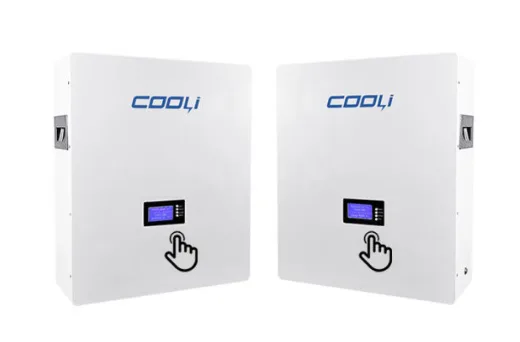
أ نظام تخزين طاقة البطارية (بيس) هو إعداد أكثر تعقيدًا لا يتضمن البطارية فحسب، بل يتضمن أيضًا مكونات أخرى مثل العاكسات, أنظمة إدارة البطارية (خدمات إدارة المباني), وغالباً ما يكون اتصالاً بشبكة ذكية. يتم استخدام BESS لتخزين الطاقة الكهربائية ومن ثم إطلاقها عند الحاجة, توفير استقرار الطاقة والموثوقية للمنازل, الشركات, وحتى المرافق.
كيف يعمل نظام تخزين طاقة البطارية (بيس) عمل?
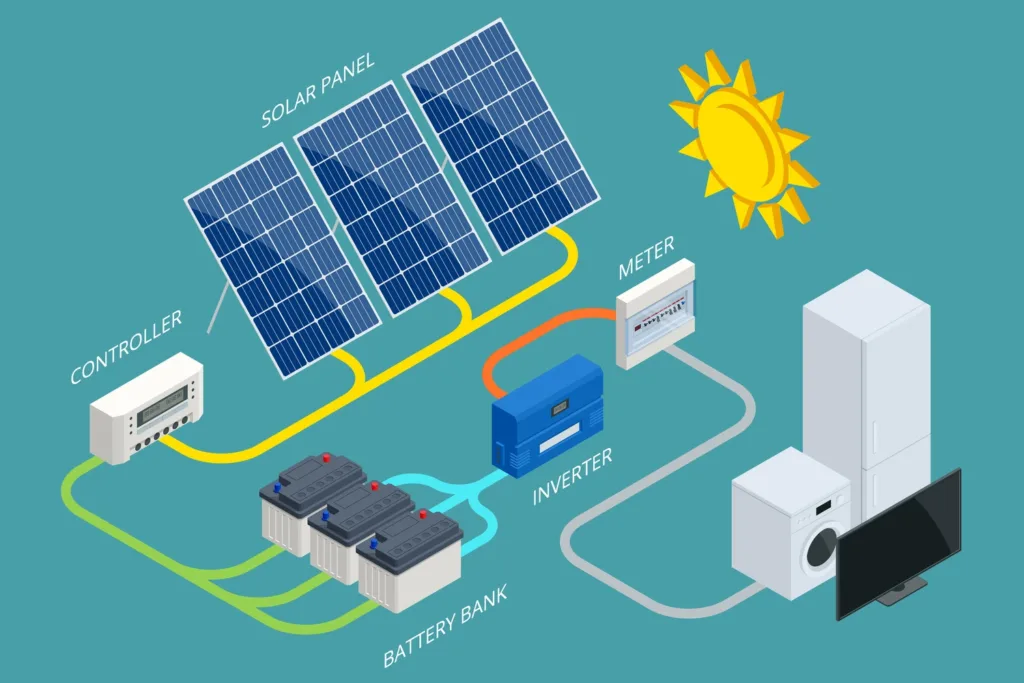
- التقاط الطاقة: الألواح الشمسية تلتقط ضوء الشمس وتحوله إلى كهرباء. يتم استخدام هذه الكهرباء على الفور أو تخزينها في البطارية.
- تخزين الطاقة: عندما لا تكون هناك حاجة للطاقة على الفور, يتم توجيهه إلى البطارية, حيث يتم تخزينه كـ DC (التيار المباشر) كهرباء.
- تحويل العاكس: يتم استخدام العاكس لتحويل كهرباء التيار المستمر إلى تيار متردد (التيار المتردد), وهو شكل الكهرباء الذي تستخدمه معظم الأجهزة والأنظمة.
- تفريغ الطاقة: عندما يتجاوز الطلب على الطاقة توليدها (على سبيل المثال, في الليل أو أثناء الطقس الغائم), يتم سحب الطاقة المخزنة من البطارية, مرت من خلال العاكس, ويتم توفيرها للمبنى أو الشبكة.
- المراقبة الذكية: تم دمج العديد من BESS مع نظام إدارة البطارية (خدمات إدارة المباني) و/أو برامج إدارة الطاقة. تساعد هذه الأنظمة على تحسين دورات الشحن والتفريغ, مراقبة صحة البطارية, والتأكد من أن النظام يعمل بكفاءة وأمان.
خاتمة
تخزين بطارية الطاقة الشمسية, خاصة مع بطاريات الليثيوم, is a game-changer in achieving energy independence and sustainability. لكن, understanding the proper storage conditions, potential limitations, and safety concerns is essential for maximizing the lifespan and safety of your solar energy system. أنظمة تخزين طاقة البطارية (بيس) offer a comprehensive solution to enhance energy storage and reliability, helping users manage their energy consumption more efficiently. With the right setup and precautions, solar energy storage can provide a reliable, فعالة من حيث التكلفة, and environmentally friendly solution for both residential and commercial applications.
Solar Calculators:https://footprinthero.com/solar-calculators
اكتشف قوة أنظمة تخزين الطاقة: 5 الفوائد الرئيسية التي تحتاج إلى معرفتها
10بطاريات LiFePO4 كيلووات ساعة 10كيلوواط ساعة تكاليف البطارية الشمسية في ميانمار 25أنظمة بطارية كيلووات ساعة الكل في واحد حاوية BESS 4 ميجاوات ساعة سعودية BESS الشركة المصنعة الصين أرخص بطارية منزلية الصين حلول BESS الصين DDP بالجملة بطاريات LiFePO4 من المصنع الصيني الصين على نطاق الشبكة BESS موردي المعدات الأصلية الصينية تخزين البطاريات التجارية كينيا حلول DC ESS حل DDP مباشر إلى جمهورية الكونغو الديمقراطية توجيه الصين إلى أفريقيا توجيه الصين إلى بطارية أفريقيا بطارية تخزين الطاقة أنظمة تخزين الطاقة قادة بطارية الليثيوم العالمية بطارية من الدرجة الأولى مورد تخزين البطارية على نطاق الشبكة بطاريات منزلية للعائلات الهولندية تخزين الطاقة المنزلية الصناعية BESS كينيا حمض الرصاص مقابل. بطاريات ليثيوم أيون LiFePO4 بطاريات LiFePO4 بطاريات LiFePO4 في جنوب أفريقيا بطارية لايف بي او 4 تقنية بطارية LifePO4 موزع LiFePO4 في العراق LiFePO4 ESS كينيا بطارية ليثيوم أيون بطارية ليثيوم أيون أسعار أقل اتجاهات السوق خزانة تبريد سائلة خارجية شراء LiFePO4 السعودي حلول BESS قابلة للتطوير للصناعة الألواح الشمسية النظام الشمسي تكديس الكل في واحد الجملة البطاريات الشمسية LiFePO4 بطاريات الطاقة الشمسية بالجملة

تعليق واحد