كيفية تقييم احتياجاتك من الكهرباء واختيار البطارية الاحتياطية المناسبة
يمكن أن يكون انقطاع التيار الكهربائي مزعجًا. نظام تخزين البطارية المنزلي (مثل Powerwall, جينيراك بي دبليو آر سيل, أو غيرها من البطاريات الشمسية) يمكن أن يوفر راحة البال ويحافظ على تشغيل أجهزتك الأساسية. مفتاح اختيار النظام المناسب هو الفهم الواضح لاحتياجاتك المحددة.
سيرشدك هذا الدليل خلال خطوتين حاسمتين:
- حساب حمل الطاقة الأساسي لديك.
- اختيار البطارية المثالية لحالتك.
خطوة 1: احسب حمل الطاقة الأساسي لديك
الهدف ليس تزويد منزلك بأكمله بالطاقة كالمعتاد, ولكن للحفاظ على الخاص بكالأحمال الحرجة أثناء انقطاع. يتضمن هذا عادةً الإضاءة, أجهزة الاتصالات, تبريد, وأجهزة الراحة مثل المراوح.
أ. قم بإدراج الأجهزة الأساسية الخاصة بك
قم بإنشاء جدول للأجهزة التي لا يمكنك العيش بدونها أثناء انقطاع التيار الكهربائي. هنا مثال شائع:
| فئة الأجهزة | جهاز محدد | تصنيف القوة (واتس, دبليو) | الاستخدام اليومي المقدر (ساعات) | الطاقة اليومية (ساعات وات, هل) |
|---|---|---|---|---|
| إضاءة | لمبات LED (x5) | 10 ث لكل منهما (50 مجموع ث) | 5 ساعات | 250 هل |
| تواصل | كمبيوتر محمول | 60 دبليو | 4 ساعات | 240 هل |
| شاحن الهاتف الذكي | 10 دبليو | 2 ساعات | 20 هل | |
| راوتر واي فاي | 15 دبليو | 12 ساعات | 180 هل | |
| تخزين المواد الغذائية | ثلاجة (حديث) | 150 دبليو (تشغيل/إيقاف ركوب الدراجات) | 4 ساعات (وقت التشغيل المقدر) | 600 هل |
| راحة | مروحة سقف | 70 دبليو | 8 ساعات | 560 هل |
| الإجماليات | 355 دبليو (تشغيل المجموع) | 1,850 هل |
كيفية العثور على تقييمات الطاقة:
- تحقق من الملصق الموجود على الجهاز نفسه (في كثير من الأحيان على الظهر أو الأسفل).
- ابحث عن “دبليو” أو “واتس” مواصفة.
- استخدم مقياس الواط (جهاز رخيص تقوم بتوصيله بين الجهاز والجدار) للحصول على القراءة الأكثر دقة, خاصة بالنسبة للأجهزة مثل الثلاجات التي تعمل بالتشغيل والإيقاف.
ب. فهم المصطلحات الرئيسية: واتس مقابل. ساعات وات
- واتس (دبليو): هذا هو قوة لحظية يرسم الجهاز عندما يكون قيد التشغيل. يحدد هذا ما إذا كان عاكس البطارية يمكنه التعامل مع الحمل.
- ساعات وات (هل): هذا هو إجمالي الطاقة المستهلكة متأخر , بعد فوات الوقت. وهذا يحدد المدة التي ستستمر فيها بطاريتك.
الاعتبار الحاسم: طفرة بدء التشغيل (الطاقة القصوى)
العديد من الأجهزة, وخاصة تلك التي لديها محركات (مثل الثلاجات, مضخات, والمشجعين), تتطلب زيادة قصيرة في الطاقة - في كثير من الأحيان 2 ل 3 أضعاف القوة الكهربائية الجارية - لبدء التشغيل. يجب أن يكون نظام البطارية لديك قادرًا على التعامل مع هذه الزيادة.
- *مثال: قد تتمتع ثلاجتك بقدرة 150 وات بزيادة قدرها 400-500 وات عند بدء التشغيل.*
ج. احسب الإجماليات الخاصة بك
من الجدول أعلاه:
- إجمالي واط التشغيل: ~355 واط. أنت بحاجة إلى عاكس يمكنه التعامل على الأقل مع هذه الطاقة المستمرة.
- المحاسبة عن الطفرة: أنت بحاجة إلى عاكس يمكنه التعامل مع زيادة التيار على الأقل 500دبليو – 600دبليو (للثلاجة + تبدأ المروحة في وقت واحد).
- إجمالي استهلاك الطاقة اليومي: 1,850 هل أو 1.85 كيلووات ساعة.
هذا هو خط الأساس الخاص بك. يجب أن يكون النظام ذو الحجم الجيد قادرًا على تغطية هذا لمدة يوم كامل على الأقل.
خطوة 2: كيفية اختيار أفضل بطارية لتخزين الطاقة
الآن بعد أن عرفت احتياجاتك من الطاقة (تشغيل ~ 355 واط, ~ 600 واط زيادة, و ~ 1.85 كيلووات ساعة في اليوم), يمكنك تقييم البطاريات بناءً على المعايير التالية.
1. سعة البطارية (كيلووات ساعة)
هذا هو “خزان الوقود” الحجم - إجمالي كمية الطاقة المخزنة.
- حاجتك: لقد حسبت حوالي 1.85 كيلووات في الساعة يوميًا.
- ما الذي تبحث عنه: اختر بطارية ذات القدرة القابلة للاستخدام أكبر من حاجتك اليومية لمراعاة أوجه القصور وهامش الأمان. إذا كنت تريد النسخ الاحتياطي ل يومين بدون شمس, ستحتاج على الأقل 3.7 كيلووات ساعة.
- مثال: تتمتع Tesla Powerwall + بقدرة قابلة للاستخدام تصل إلى 13.5 كيلووات في الساعة. يوجد نظام أصغر مثل محطة الطاقة المحمولة Bluetti AC200L 2,048 هل (2.04 كيلووات ساعة). يمكن تلبية احتياجاتك من خلال نظام أصغر, ولكن الأكبر يوفر المزيد من المرونة.
2. مستمر & قوة الطفرة (كيلوواط)
هذا هو “محرك” الحجم - مقدار الطاقة التي يمكن للبطارية توفيرها مرة واحدة.
- القوة المستمرة: القوة الثابتة التي يمكن أن توفرها. حمل التشغيل الخاص بك هو ~ 0.355 كيلو واط. تبدأ معظم البطاريات المنزلية عند 5 كيلوواط, وهو أكثر من كافٍ لأساسياتك.
- قوة الطفرة/الذروة: القوة قصيرة المدى لبدء تشغيل المحركات. حاجتك المقدرة هي ~ 0.6 كيلو واط. مرة أخرى, تتعامل معظم الأنظمة مع الزيادات المفاجئة في 7 كيلوواط أو أكثر.
- الوجبات الجاهزة الرئيسية: للاحتياجات الأساسية, عادة ما يكون خرج الطاقة حتى للأنظمة الصغيرة كافياً. القدرة (كيلووات ساعة) هو العامل المحدد الأكثر أهمية.
3. كيمياء البطارية
وهذا يحدد العمر, أمان, والأداء.
- فوسفات الحديد الليثيوم (LFP أو LiFePO4): موصى به للغاية. هذا هو المعيار الذهبي الجديد للتخزين المنزلي. إنه أكثر أمانًا (كيمياء أكثر استقرارا), لديه دورة حياة أطول بكثير (6,000+ دورات), ويعمل بشكل جيد في درجات حرارة مختلفة. لقد أصبح الإعداد الافتراضي لمعظم أنظمة البطاريات المنزلية الجديدة.
- النيكل والمنغنيز والكوبالت (إن إم سي): المعيار الأقدم. لديها كثافة طاقة أعلى (سعة أكبر في مساحة أصغر) ولكن عمر أقصر وخطر حريق أكبر من LFP.
4. عمق التفريغ (وزارة الدفاع) & دورة الحياة
- وزارة الدفاع: النسبة المئوية للبطارية التي يمكنك استخدامها. أ 10 بطارية كيلووات ساعة مع 90% وزارة الدفاع يعني أنه يمكنك استخدامها 9 كيلووات ساعة. ابحث عن البطاريات التي تحتوي على وزارة الدفاع 90% أو أعلى.
- دورة الحياة: عدد دورات الشحن/التفريغ التي يمكن للبطارية إكمالها قبل أن تنخفض قدرتها بشكل ملحوظ. الرقم الأعلى هو الأفضل. بطاريات LFP تتفوق هنا.
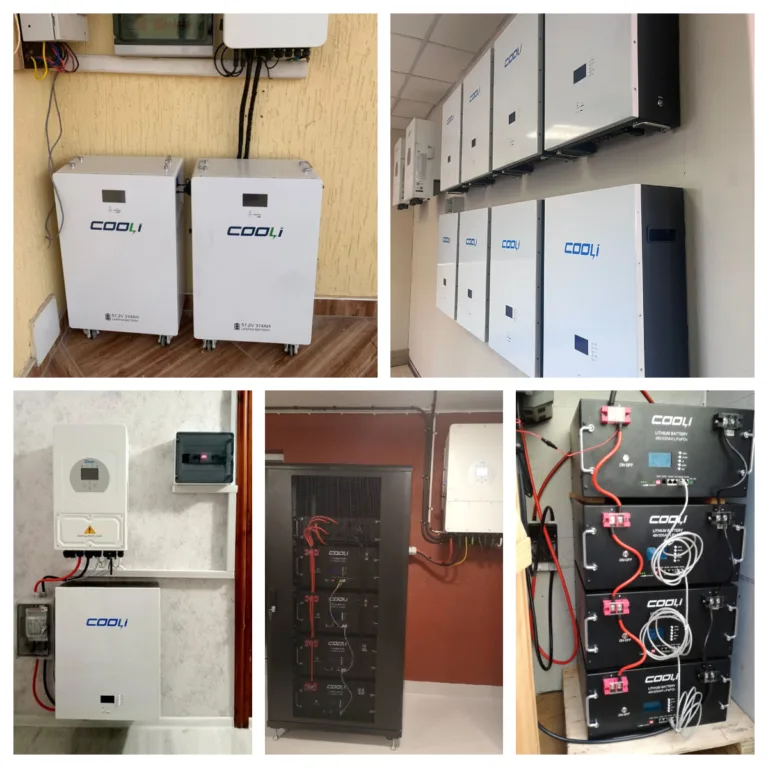
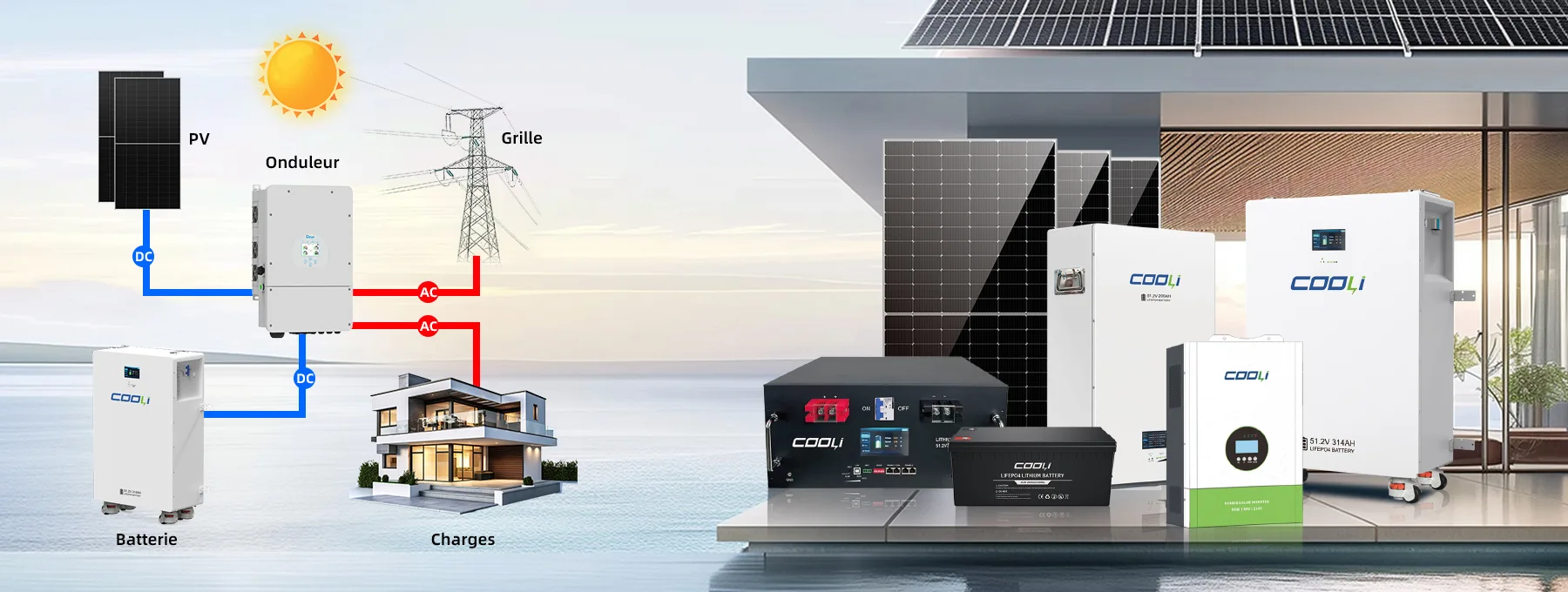
5. اندماج: نظام الكل في واحد مقابل. محطة الطاقة المحمولة
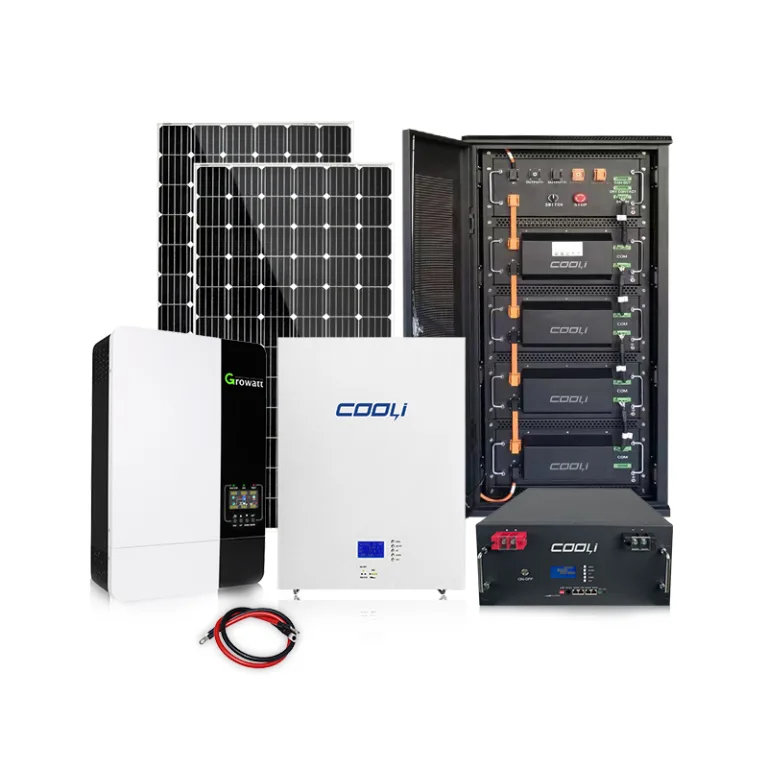
- نظام الكل في واحد (على سبيل المثال, تسلا, جينيراك, المرحلة):
- الايجابيات: تم تثبيته بشكل دائم, يعمل على تشغيل الدوائر السلكية في منزلك, يمكن دمجها مع الطاقة الشمسية, غالبًا ما يكون لديه القدرة على النسخ الاحتياطي, قدرة وقوة أعلى.
- سلبيات: تكلفة أولية أعلى, يتطلب التثبيت المهني.
- الأفضل ل: المنزل بالكامل أو النسخ الاحتياطي الجزئي للمنزل, استثمار طويل الأجل, الاقتران بالطاقة الشمسية.
- محطة الطاقة المحمولة (على سبيل المثال, إيكو فلو, جاكيري, بلويتي):
- الايجابيات: بسعر معقول, محمول, لا يلزم التثبيت, التوصيل والتشغيل.
- سلبيات: محدودية القدرة والقوة, يعمل فقط على تشغيل ما يمكنك توصيله به, غير مناسب للأجهزة ذات الأسلاك الصلبة مثل وحدة التكييف المركزية.
- الأفضل ل: السيناريو الموصوف الخاص بك. مثالية لتشغيل الأضواء, المشجعين, أجهزة الكمبيوتر المحمولة, وشواحن الهاتف أثناء انقطاع التيار الكهربائي. موديل متوسط الحجم (2-3 كيلووات ساعة) سيكون ممتازا, حل فعال من حيث التكلفة.
ملخص & توصية
بناءً على حاجتك المحسوبة لـ~ 1.85 كيلووات ساعة في اليوم للأجهزة الأساسية:
- محطة كهرباء محمولة ذات قدرة عالية (2-3 كيلووات ساعة) من المحتمل أن يكون الحل الأكثر فعالية من حيث التكلفة والأبسط. ابحث عن واحدة مزودة ببطارية LFP, العاكس موجة جيبية نقية, ومنافذ تيار متردد كافية لأجهزتك.
- إذا كنت ترغب في تشغيل الدوائر الصلبة (مثل منافذ المطبخ أو غرفة النوم المحددة) أو تخطط لإضافة الطاقة الشمسية في المستقبل, استشارة المثبت حول صغيرة, نظام البطاريات المنزلية المعيارية (مثل تلك الموجودة في Enphase أو FranklinWH).
قائمة المراجعة النهائية عند الشراء:
- القدرة القابلة للاستخدام (كيلووات ساعة) > احتياجاتك اليومية من الطاقة
- القوة المستمرة (كيلوواط) > إجمالي واط التشغيل الخاص بك
- قوة الطفرة (كيلوواط) > أكبر زيادة في بدء تشغيل الأجهزة لديك
- كيمياء البطارية: يفضل LFP (LiFePO4)
- عمق التفريغ: 90% أو أعلى هو المثالي.
- قرار: محطة محمولة (لأساسيات المكونات الإضافية) مقابل. نظام المنزل بالكامل (للتكامل, النسخ الاحتياطي على المدى الطويل).
باتباع هذه العملية, يمكنك الانتقال من فكرة غامضة عن “بحاجة إلى طاقة احتياطية” إلى دقة, عملية شراء تعتمد على البيانات والتي تناسب أسلوب حياتك وميزانيتك تمامًا.