
بطاريات الليثيوم في الأنظمة الشمسية: 5 الفوائد الرئيسية لتعزيز الكفاءة 90%
بطاريات الليثيوم أحدثت ثورة في تخزين الطاقة الشمسية, تقديم أداء متفوق على نظيراتها التقليدية من حمض الرصاص. وفيما يلي استكشاف مفصل لدورهم في الأنظمة الشمسية, مدعومة بالرؤى التقنية والتطبيقات الواقعية.
1. المزايا الأساسية ل بطاريات الليثيوم في الأنظمة الشمسية
أ. كفاءة عالية & كثافة الطاقة
- كفاءة ذهابا وإيابا: تحقق بطاريات الليثيوم كفاءة تصل إلى 95-99%, مقارنة بـ 70-85% لحمض الرصاص, تقليل فقدان الطاقة أثناء دورات الشحن/التفريغ 13.
- كثافة الطاقة: تقوم حزم الليثيوم بتخزين طاقة أكبر بمقدار 3 مرات لكل وحدة حجم, تقليل متطلبات المساحة بنسبة 70% 18. على سبيل المثال, أ 5.12 يحتل نظام الليثيوم كيلووات ساعة نصف مساحة إعداد حمض الرصاص بسعة مماثلة.
ب. عمر ممتد & فعالية التكلفة
- دورة الحياة: LiFePO4 (فوسفات الحديد الليثيوم) تتحمل البطاريات ما بين 2000 إلى 10000 دورة 80% عمق التفريغ (وزارة الدفاع), حمض الرصاص الذي يدوم طويلاً (300-500 دورة في 50% وزارة الدفاع) 13. زيادة 15 سنين, تكلفة الليثيوم الأولية (2-3× أعلى) يقابله عدد أقل من البدائل, تحقيق تكاليف أقل بنسبة 40-50% على مدى الحياة 3.
- صيانة مجانية: على عكس بطاريات الرصاص الحمضية التي تتطلب عبوات المياه وفحوصات الكبريت, أنظمة الليثيوم تعمل بدون صيانة 28.
ج. شحن سريع & مرونة درجة الحرارة
- سرعة الشحن: يتم شحن الليثيوم خلال 2-5 ساعات مقابل. 8– 10 ساعات لحمض الرصاص, تمكين التقاط الطاقة بسرعة خلال ذروة ضوء الشمس 13.
- نطاق درجة الحرارة: يعمل بكفاءة في -20 درجة مئوية إلى 60 درجة مئوية (-4درجة فهرنهايت إلى 140 درجة فهرنهايت) للتفريغ و 0 درجة مئوية إلى 49 درجة مئوية (32درجة فهرنهايت إلى 120 درجة فهرنهايت) للشحن. وتشمل النماذج المتقدمة التسخين الذاتي للبيئات تحت الصفر 38.
2. تطبيقات في أنظمة الطاقة الشمسية
أ. سكني & تخزين الطاقة الشمسية التجارية
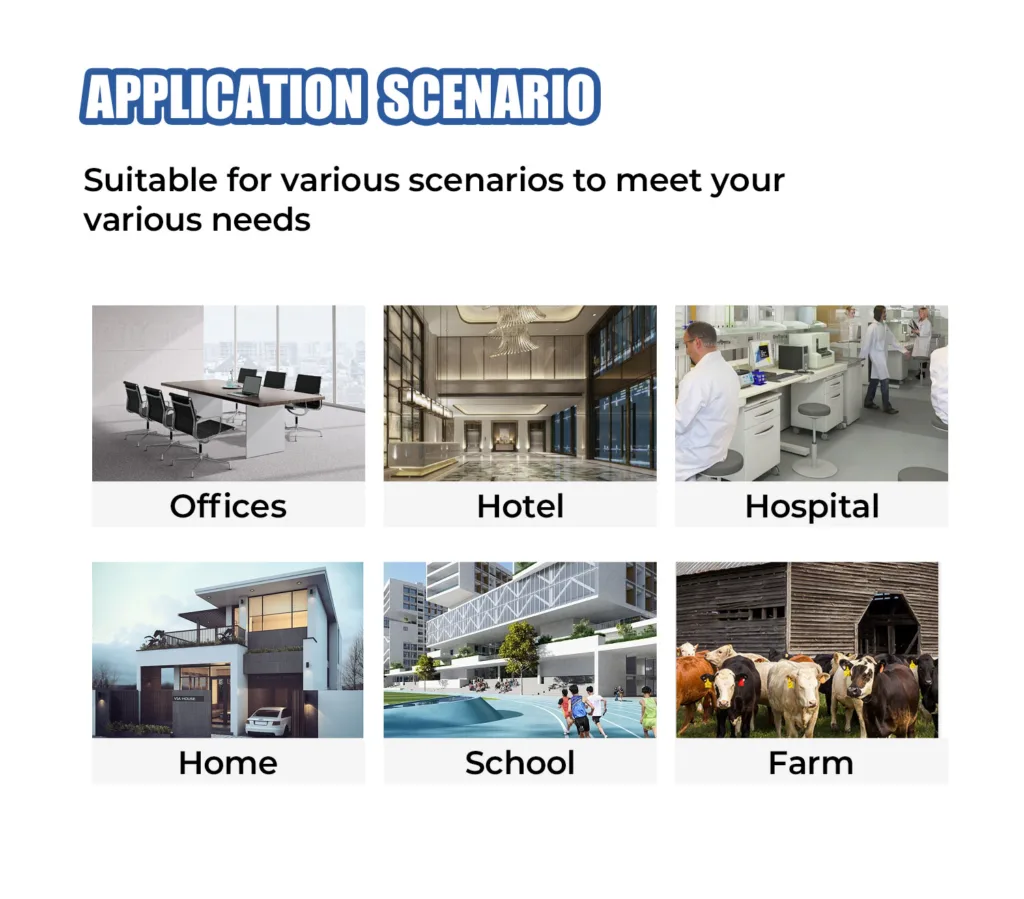
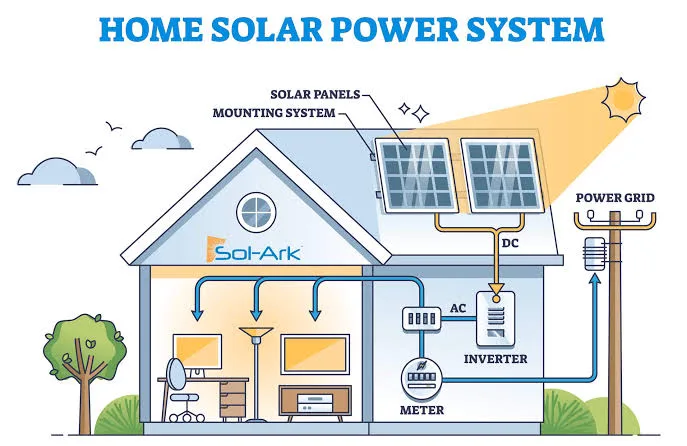
- استقلال الطاقة: قم بتخزين الطاقة الشمسية الزائدة للاستخدام الليلي أو انقطاع الشبكة, تقليل الاعتماد على شبكات المرافق 48.
- قابلية التوسع: أنظمة الليثيوم المعيارية (على سبيل المثال, وحدات BSLBATT من 5.12 كيلووات في الساعة إلى 10.24 كيلووات في الساعة) السماح بتوسيع السعة بسهولة 8.
ب. خارج الشبكة & الحلول عن بعد
- التخييم/المركبات الترفيهية: عبوات الليثيوم خفيفة الوزن (60% أخف من حمض الرصاص) مثالية لإعدادات الهاتف المحمول 8.
- النسخ الاحتياطي الصناعي: تستخدم في القياس عن بعد, المراقبة عن بعد, والبنية التحتية الحيوية بسبب الموثوقية والعمر الطويل 24.
ج. دعم الشبكة & شبكات صغيرة
- حلاقة الذروة: تقليل الطلب على الشبكة خلال فترات الطاقة العالية عن طريق الاستفادة من الطاقة الشمسية المخزنة 4.
- تنظيم التردد: تعمل استجابة الليثيوم السريعة على استقرار الشبكات في أنظمة الطاقة المتجددة الهجينة 10.
3. الابتكارات تقود التبني
أ. أنظمة تخزين الطاقة الشمسية المتكاملة
- تصاميم متجانسة: قام الباحثون بدمج الخلايا الشمسية السيليكونية مع بطاريات الليثيوم ذات الحالة الصلبة, تحقيق 15.8% كفاءة الطاقة الشمسية للتخزين. يتم شحن هذه الأنظمة 45 ثواني تحت ضوء الشمس والحفاظ على معدلات تفريغ عالية (28ج) 9.
ب. الحالة الصلبة & تكنولوجيا سبائك الليثيوم
- بطاريات الحالة الصلبة: توفير سلامة معززة عن طريق استبدال الشوارد السائلة القابلة للاشتعال. الدراسات الحديثة تسلط الضوء على التحديات (على سبيل المثال, التشعبات Li-In في إلكتروليتات الكبريتيد), لكن التقدم في هندسة الواجهة يظهر وعدًا بـ 710.
- الخلايا الشمسية المشبعة بالليثيوم: تحسين مقاومة الإشعاع للتطبيقات الفضائية, تمكين التعافي الذاتي من أضرار الجسيمات عالية الطاقة 6.
ج. الاستدامة & إعادة التدوير
- انخفاض البصمة الكربونية: تقلل أنظمة الليثيوم من انبعاثات الغازات الدفيئة بنسبة 43-57% مقارنة بحمض الرصاص خلال دورة حياتها 10.
- البنية التحتية لإعادة التدوير: المبادرات المتنامية تتعافى >90% من الليثيوم, الكوبالت, والنيكل, معالجة ندرة الموارد 10.
4. التحديات & النظرة المستقبلية
أ. القيود الحالية
- التكلفة المقدمة: الاستثمار الأولي لا يزال مرتفعا, على الرغم من انخفاض الأسعار 80% منذ عام 2010 8.
- الشحن البارد: يتطلب أنظمة التدفئة أقل من 0 درجة مئوية, إضافة التعقيد 3.
ب. الاتجاهات الناشئة
- هجينة أيونات الصوديوم: أرخص وأكثر وفرة من الليثيوم, بطاريات أيون الصوديوم (SIBs) تكتسب قوة دافعة للتخزين الشبكي منخفض التكلفة, على الرغم من تأخر كثافة الطاقة 10.
- الإدارة المعتمدة على الذكاء الاصطناعي: نظام إدارة المباني الذكي (أنظمة إدارة البطارية) تحسين دورات الشحن والتنبؤ بالفشل, إطالة العمر 14.
5. دليل القرار: هل الليثيوم مناسب لك؟?
| عامل | الليثيوم | حمض الرصاص |
|---|---|---|
| التكلفة الأولية | عالي (1,750-1,750-2,500/كيلوواط ساعة) | قليل (500-500-1000/كيلوواط ساعة) |
| تكلفة مدى الحياة | أدنى (10– 15 سنة) | أعلى (3-5 سنوات) |
| المساحة/الوزن | مدمج, خفيفة الوزن | ضخمة, ثقيل |
| صيانة | لا أحد | الشيكات العادية |
| التأثير البيئي | انخفاض البصمة الكربونية | مخاطر التلوث بالرصاص |
توصية: اختر الليثيوم لتحقيق وفورات طويلة الأجل, كفاءة عالية, وقابلية التوسع. اختر حمض الرصاص فقط إذا كانت قيود الميزانية تفوق احتياجات الأداء.
10بطاريات LiFePO4 كيلووات ساعة 10كيلوواط ساعة تكاليف البطارية الشمسية في ميانمار 25أنظمة بطارية كيلووات ساعة الكل في واحد حاوية BESS 4 ميجاوات ساعة سعودية BESS الشركة المصنعة الصين أرخص بطارية منزلية الصين حلول BESS الصين DDP بالجملة بطاريات LiFePO4 من المصنع الصيني الصين على نطاق الشبكة BESS موردي المعدات الأصلية الصينية تخزين البطاريات التجارية كينيا حلول DC ESS حل DDP مباشر إلى جمهورية الكونغو الديمقراطية توجيه الصين إلى أفريقيا توجيه الصين إلى بطارية أفريقيا بطارية تخزين الطاقة أنظمة تخزين الطاقة قادة بطارية الليثيوم العالمية بطارية من الدرجة الأولى مورد تخزين البطارية على نطاق الشبكة بطاريات منزلية للعائلات الهولندية تخزين الطاقة المنزلية الصناعية BESS كينيا حمض الرصاص مقابل. بطاريات ليثيوم أيون LiFePO4 بطاريات LiFePO4 بطاريات LiFePO4 في جنوب أفريقيا بطارية لايف بي او 4 تقنية بطارية LifePO4 موزع LiFePO4 في العراق LiFePO4 ESS كينيا بطارية ليثيوم أيون بطارية ليثيوم أيون أسعار أقل اتجاهات السوق خزانة تبريد سائلة خارجية شراء LiFePO4 السعودي حلول BESS قابلة للتطوير للصناعة الألواح الشمسية النظام الشمسي تكديس الكل في واحد الجملة البطاريات الشمسية LiFePO4 بطاريات الطاقة الشمسية بالجملة

تعليق واحد