
قمة 3 بطاريات ليثيوم أيون لأنظمة الطاقة الشمسية: أفضل الاختيارات في 2025
الدور الأساسي ل بطاريات ليثيوم أيون في الأنظمة الشمسية وأفضل الخيارات
مع تزايد شعبية أنظمة الطاقة الشمسية, بطاريات الليثيوم أيون أصبحت الخيار المفضل في تخزين الطاقة بسبب كفاءتها العالية, عمر طويل, والفوائد البيئية. تجمع هذه المقالة معلومات عن المنتجات والشركات المصنعة السائدة لتحليل أنواع بطاريات الليثيوم أيون المناسبة لأنظمة الطاقة الشمسية, مزاياها, وتوصيات للاختيار.
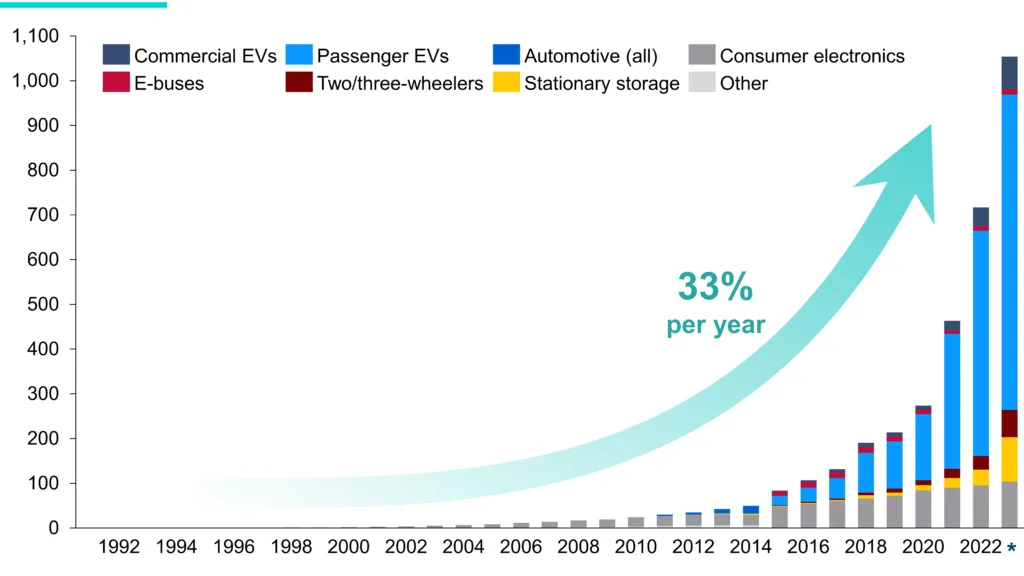
مقارنة بيانات المبيعات
1. حجم المبيعات العالمية (2023):
- بطارية LiFePO₄: 2.5 جيجاوات ساعة
- بطارية ان سي ام: 1.8 جيجاوات ساعة
- بطارية LTO: 0.6 جيجاوات ساعة
- تتمتع بطاريات LiFePO₄ بالحصة الأكبر, مما يجعلها الخيار المفضل لمعظم الأنظمة السكنية والصناعية.
2. معدلات الاستخدام للأنظمة السكنية والصناعية:
- في الأنظمة السكنية:
- 80% استخدم LiFePO₄
- 15% استخدم NCM
- 5% استخدم LTO
- في الأنظمة الصناعية والتجارية:
- 60% استخدم LiFePO₄
- 30% استخدم NCM
- 10% استخدم LTO
3. مقارنة كفاءة الشحن/التفريغ:
- كفاءة الشحن/التفريغ:
- بطارية LiFePO₄: 96%
- بطارية ان سي ام: 92%
- بطارية LTO: 98%
- دورة الحياة:
- بطارية LiFePO₄: 2000-5000 دورات
- بطارية ان سي ام: 1000-2000 دورات
- بطارية LTO: 10,000 دورات
- أمان:
- LiFePO₄: عالي, غير قابلة للاشتعال
- نسم: واسطة, قد تواجه الهروب الحراري
- طويل الأجل: عالية جدا, مستقرة في البيئات القاسية
4. مقارنة الأسعار:
- LiFePO₄: تقريبا. $120– 180 دولارًا / كيلووات في الساعة
- نسم: تقريبا. $150– 200 دولار/كيلوواط ساعة
- طويل الأجل: تقريبا. $400– 600 دولار/كيلوواط ساعة
مزايا بطاريات الليثيوم أيون في تخزين الطاقة الشمسية
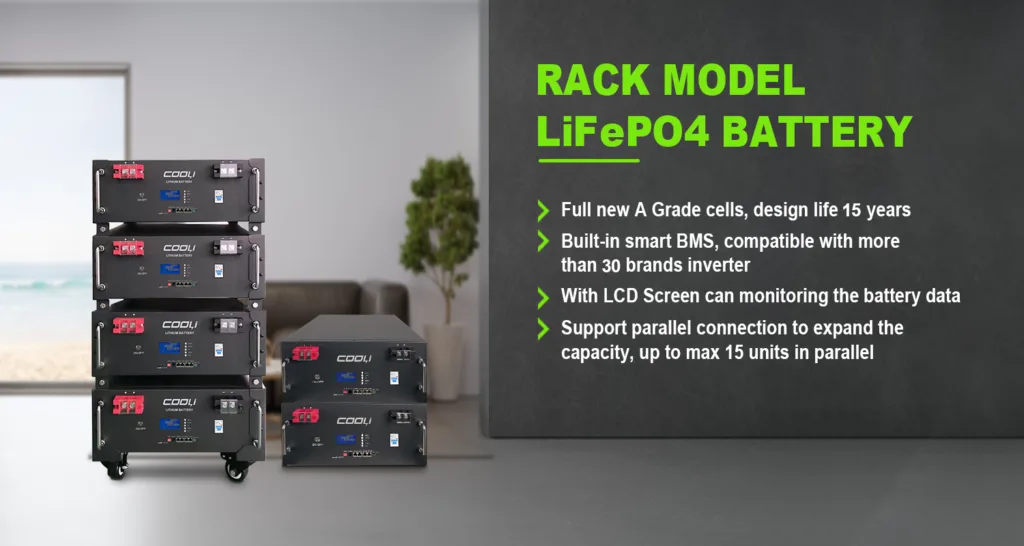
1. كثافة طاقة عالية وخفيفة الوزن بالمقارنة مع بطاريات الرصاص الحمضية التقليدية, بطاريات الليثيوم أيون, وخاصة أنواع LiFePO₄, لديها كثافة طاقة أعلى وأخف وزنا. على سبيل المثال, تزن بطارية LiFePO₄ بقدرة 12 فولت و100 أمبير في الساعة 9.36 كجم فقط, في حين أن بطارية الرصاص الحمضية بنفس السعة يمكن أن يصل وزنها إلى 30 كجم. وهذا يجعلها مثالية للتركيبات على الأسطح أو تطبيقات الهاتف المحمول مثل المركبات الترفيهية والأنظمة خارج الشبكة.
2. دورة حياة طويلة واستقرار عادةً ما تتمتع بطاريات LiFePO₄ بدورة حياة تزيد عن ذلك 2000 دورات (مع 80% الاحتفاظ بالقدرة), تتجاوز بكثير 300-500 دورات بطاريات الرصاص الحمضية. يقوم المصنعون مثل Dinali Energy بإجراء اختبارات جودة صارمة لضمان استقرار البطارية في ظل درجات الحرارة القصوى وتقديم ضمانات تتراوح بين 1 ل 3 سنين.
3. شحن/تفريغ سريع وتوافق عالي تدعم بطاريات الليثيوم أيون معدلات شحن/تفريغ أعلى (على سبيل المثال, 100نظام إدارة المباني), تمكين الاستجابة السريعة لمدخلات الطاقة من الألواح الشمسية. من خلال الذكية أنظمة إدارة البطارية (خدمات إدارة المباني), أنها توفر الحماية من الشحن الزائد والتفريغ الزائد, ضمان التوافق مع العاكسون وأجهزة التحكم بالطاقة الشمسية.
أفضل أنواع بطاريات الليثيوم أيون لأنظمة الطاقة الشمسية
1. LiFePO₄ (بطارية ليثيوم فوسفات الحديد)
- المزايا الأساسية: سلامة عالية (الاستقرار الحراري القوي), دورة حياة طويلة (1500-2000 دورات), صديقة للبيئة.
- التطبيقات النموذجية: تخزين سكني, أنظمة الطاقة الشمسية خارج الشبكة, عربات سكن متنقلة, إلخ.
- المنتج التمثيلي: بطارية LiFePO₄ بقدرة 12 فولت و100 أمبير مع 100 أمبير BMS, تقديم ضمان لمدة سنة واحدة, بأسعار معقولة $139.
2. نسم (بطارية ليثيوم من النيكل والكوبالت والمنغنيز)
- سمات: كثافة طاقة أعلى, مثالية للتطبيقات الحساسة للمساحة, ولكن مع دورة حياة أقل قليلاً مقارنة بـ LiFePO₄.
- التطبيقات: أنظمة التخزين التجارية والصناعية, أجهزة الطاقة الشمسية الهجينة عالية الطلب.
3. طويل الأجل (بطارية ليثيوم تيتانات)
- المزايا: دورة حياة طويلة للغاية (يصل إلى 10,000 دورات), القدرة على التكيف مع درجات الحرارة واسعة (-30درجة مئوية إلى 60 درجة مئوية).
- التطبيقات المناسبة: أنظمة تخزين الطاقة الشمسية في المناخات القاسية أو أنظمة الشبكات الصغيرة ذات دورات الشحن/التفريغ المتكررة.
دليل شراء بطاريات الليثيوم أيون الشمسية
1. مطابقة القدرات والجهد للأنظمة السكنية, 12تُستخدم بطاريات V أو 24V بشكل شائع (على سبيل المثال, يمكن لبطارية 12 فولت 100 أمبير في الساعة تخزين ما يقرب من 1.2 كيلو وات في الساعة من الطاقة). من الضروري حساب إجمالي متطلبات الطاقة بناءً على طاقة الحمل ومدة ضوء الشمس.
2. BMS وشهادات السلامة تأكد من أن البطارية تحتوي على نظام BMS متكامل يدعم الحماية من التيار الزائد ودرجة الحرارة. اختر المنتجات المعتمدة من UL, م, أو توفالو (مثل تلك الموجودة في EastSun ,سنشيز و كوليثيوم).
3. الشركة المصنعة وخدمة ما بعد البيع اختر العلامات التجارية التي تقدم حلولاً مخصصة:
- القوة الإجمالية: 30,000 مصنع م², يدعم تخصيص تخزين الطاقة على المستوى الصناعي.
- سي إم جي إل سولار (سوق باكستان): تقدم حلول بطاريات Tesla وLongi مع ضمان النظام لمدة 25 عامًا.
الشركات المصنعة العالمية لبطاريات الليثيوم الموصى بها
1. إيست صن (الصين)
- يغطي خط إنتاجهم أنظمة التخزين السكنية والتجارية, توفير حلول متكاملة مع العاكسات الهجينة وبطاريات LiFePO₄, معتمدة من قبل UL وIEC.
2. الطاقة السريعة (الهند)
- متخصص في الطاقة الخضراء, إنتاج بطاريات LFP وNCM, دعم محولات الطاقة الشمسية وتطبيقات الشبكات الصغيرة, والعرض 24/7 الدعم الفني.
3. سونتشيز (الصين)
- مع 15 سنوات من الخبرة في تصنيع المعدات الأصلية, تقدم Sunchees محولات موجة جيبية نقية وأنظمة بطاريات الليثيوم, دعم المشاريع الموزعة في أكثر من 100 بلدان.
4. كوليثيوم(الصين)
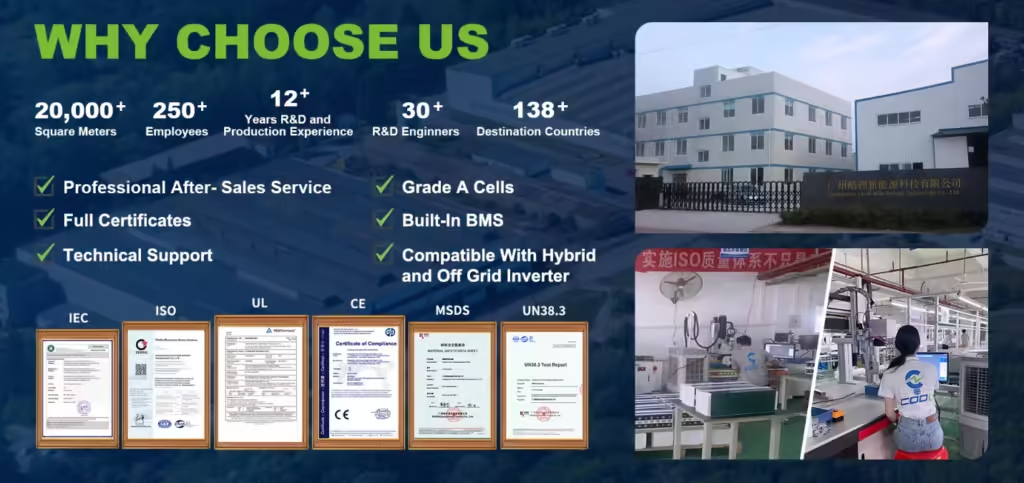
- 15 سنوات من الخبرة في المصنع الاحترافي 3 المباني للإنتاج, تصنيع المعدات الأصلية&تجربة أوديإم, تم تطوير نظام BMS من قبل فريق المهندسين الخاص بنا, يمكن مطابقة أكثر من 20 ماركات العاكسون. حصلت على ISO9001، UL,ال-021, اللجنة الانتخابية المستقلة,م,سي بي,UN38.3، MSDS,الخ الشهادات.
توصيات التثبيت والصيانة
1. توافق النظام تأكد من أن جهد البطارية يتوافق مع مواصفات اللوحة الشمسية والعاكس (على سبيل المثال, يجب أن تكون بطارية 12 فولت متوافقة مع جهاز التحكم بالطاقة الشمسية 12 فولت).
2. المراقبة المنتظمة استخدم التطبيقات الذكية التي توفرها الشركات المصنعة (على سبيل المثال, أدوات المراقبة الخاصة بشركة CMGL Solar) لتتبع حالة الشحن والتفريغ في الوقت الحقيقي.
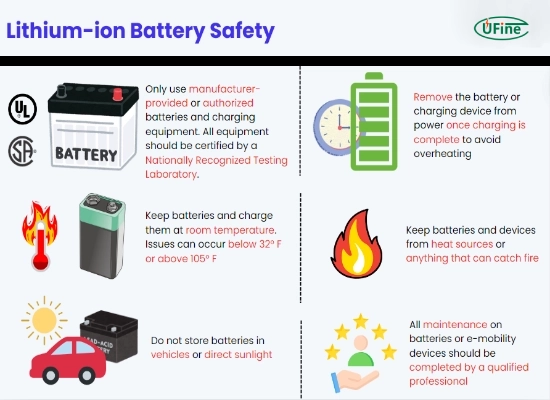
3. المتطلبات البيئية تجنب درجات الحرارة المرتفعة أو البيئات الرطبة. يوصى باستخدام بطاريات LiFePO₄ في نطاق درجة حرارة يتراوح بين -20 درجة مئوية إلى 60 درجة مئوية.
خاتمة
بطاريات LiFePO₄, بسبب كفاءة الشحن/التفريغ العالية, أمان, وبأسعار في متناول الجميع, يظل الخيار الأفضل في معظم الأنظمة السكنية والصناعية. تعد بطاريات NCM أكثر ملاءمة للتطبيقات ذات السعة العالية, بينما تبرز بطاريات LTO في البيئات القاسية أو سيناريوهات ركوب الدراجات عالية التردد. عند الاختيار, النظر في الاحتياجات المحددة للنظام, ومن منظور الاستثمار والكفاءة على المدى الطويل, LiFePO₄ هو الخيار الأفضل في معظم الحالات.
مصدر نظرة عامة على سوق البطاريات الشمسية العالمية: https://www.marketresearchfuture.com/reports/solar-battery-market-10621
10بطاريات LiFePO4 كيلووات ساعة 10كيلوواط ساعة تكاليف البطارية الشمسية في ميانمار 25أنظمة بطارية كيلووات ساعة الكل في واحد حاوية BESS 4 ميجاوات ساعة سعودية BESS الشركة المصنعة الصين أرخص بطارية منزلية الصين حلول BESS الصين DDP بالجملة بطاريات LiFePO4 من المصنع الصيني الصين على نطاق الشبكة BESS موردي المعدات الأصلية الصينية تخزين البطاريات التجارية كينيا حلول DC ESS حل DDP مباشر إلى جمهورية الكونغو الديمقراطية توجيه الصين إلى أفريقيا توجيه الصين إلى بطارية أفريقيا بطارية تخزين الطاقة أنظمة تخزين الطاقة قادة بطارية الليثيوم العالمية بطارية من الدرجة الأولى مورد تخزين البطارية على نطاق الشبكة بطاريات منزلية للعائلات الهولندية تخزين الطاقة المنزلية الصناعية BESS كينيا حمض الرصاص مقابل. بطاريات ليثيوم أيون LiFePO4 بطاريات LiFePO4 بطاريات LiFePO4 في جنوب أفريقيا بطارية لايف بي او 4 تقنية بطارية LifePO4 موزع LiFePO4 في العراق LiFePO4 ESS كينيا بطارية ليثيوم أيون بطارية ليثيوم أيون أسعار أقل اتجاهات السوق خزانة تبريد سائلة خارجية شراء LiFePO4 السعودي حلول BESS قابلة للتطوير للصناعة الألواح الشمسية النظام الشمسي تكديس الكل في واحد الجملة البطاريات الشمسية LiFePO4 بطاريات الطاقة الشمسية بالجملة

تعليق واحد