بطاريات الحائط مقابل الرف: 7 حقائق وحشية يحتاج المشترون إلى معرفتها
بطاريات الحائط مقابل الرف: ما هو حل تخزين الطاقة الذي يناسب احتياجاتك؟?
إذا كنت تبحث عن تخزين الطاقة للأنظمة الشمسية, إعدادات خارج الشبكة, أو الطاقة الاحتياطية, من المحتمل أنك واجهت خيارين رئيسيين: بطاريات مثبتة على الحائط و بطاريات رف الخادم. كلاهما لديه مؤيدين مخلصين, ولكن أيهما مناسب له لك الاحتياجات? دعونا نتغلب على الضوضاء ونكشف عن الحقائق الصريحة حول هذين النوعين من البطاريات.
ما هي بطارية الحائط?
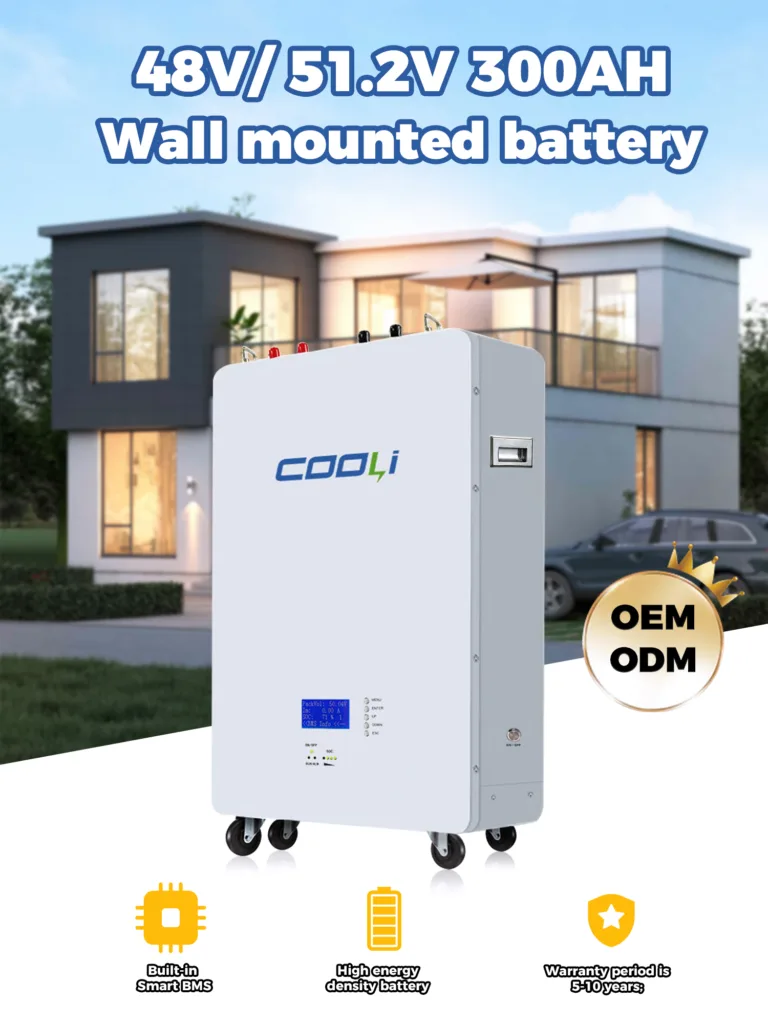
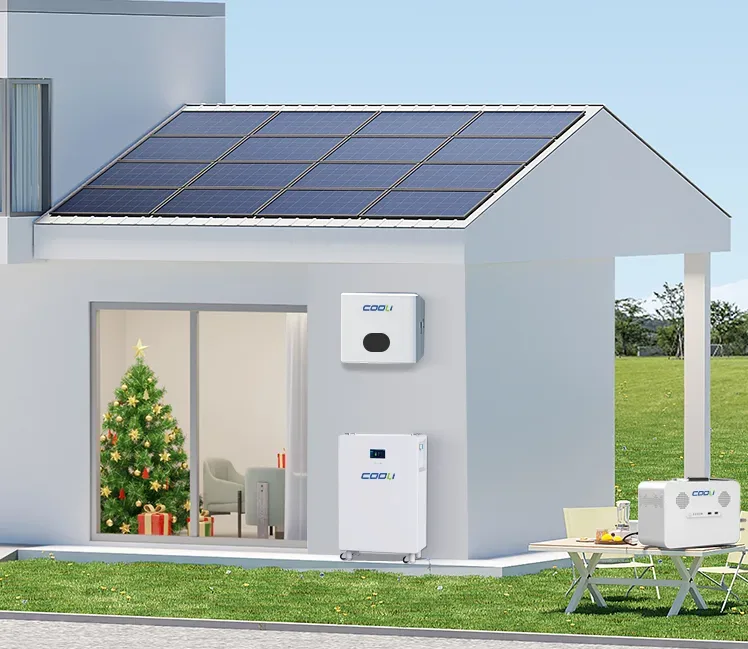
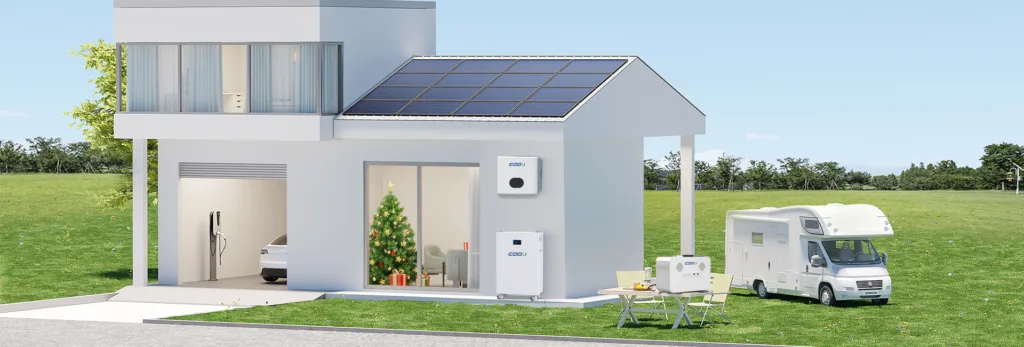
أبطارية مثبتة على الحائط هو الاتفاق, وحدة تخزين الطاقة المثبتة رأسياً والمصممة لتوفير المساحة الأرضية. تحظى هذه الأنظمة بشعبية في البيئات السكنية والتجارية الصغيرة نظرًا لأناقتها, تصميم الكل في واحد. فكر في علامات تجارية مثل Tesla Powerwall أو LG Chem RESU - غالبًا ما يتم تسويقها على أنها حلول "التوصيل والتشغيل" لأصحاب المنازل.
الميزات الرئيسية لبطاريات الحائط:
- تصميم موفر للمساحة: يتم تركيبه مباشرة على الحائط.
- مكونات متكاملة: العاكسون المدمجون, أنظمة التبريد, والرصد.
- النداء الجمالي: حصيف, نظرة حديثة.
- قدرة أقل: عادة 5-15 كيلووات ساعة لكل وحدة.
ما هي بطارية الرف?
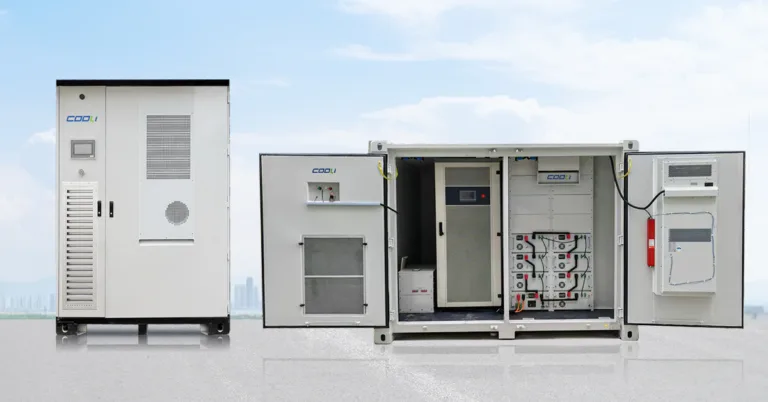
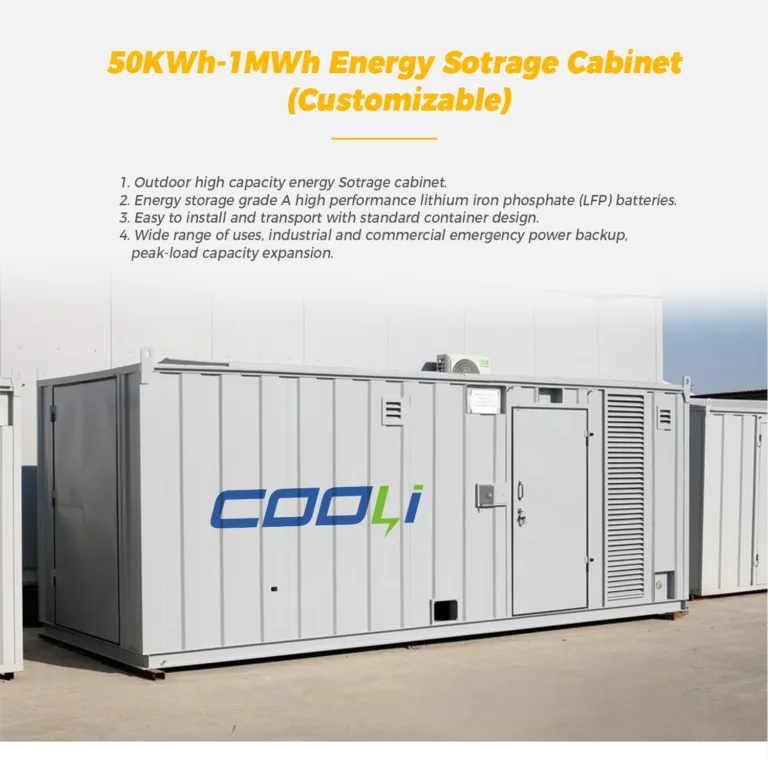
أبطارية رف الخادم (أو بطارية مثبتة على الرف) هو وحدات, نظام قابل للتطوير مصمم ليناسب رفوف الخوادم القياسية. هذه تستخدم عادة في مراكز البيانات, مزارع الطاقة الشمسية واسعة النطاق, والتطبيقات التجارية/الصناعية. تشمل الأمثلة علامات تجارية مثل BYD Battery-Box أو eVault من Fortress Power.
الميزات الرئيسية لبطاريات الرف:
- قابلية التوسع المعيارية: قم بتكديس بطاريات متعددة في الرف للحصول على سعة أعلى.
- متانة من الدرجة الصناعية: مصممة لركوب الدراجات الثقيلة وعمر طويل.
- توسع فعال من حيث التكلفة: أضف الوحدات بشكل تدريجي مع نمو الاحتياجات.
- قدرة أعلى: يمكن أن تتجاوز الأنظمة 100 كيلووات ساعة عند توسيعها.
الجدار مقابل بطارية الرف: 7 حقائق وحشية
دعنا نحلل العوامل الحاسمة التي يمكن أن تؤثر على قرارك أو تبطله:
1. مساحة التثبيت & المرونة
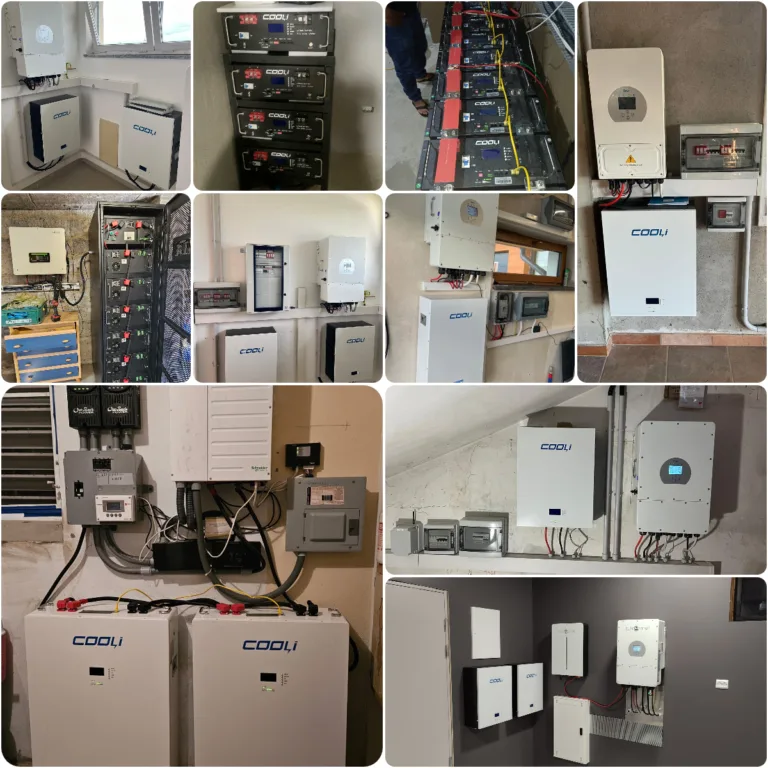
- بطارية الحائط: مثالية للمساحات الضيقة (على سبيل المثال, المرائب, غرف المرافق الصغيرة). لكن, يتم إصلاح الموضع بمجرد التثبيت.
- بطارية الرف: يتطلب مساحة أرضية للحامل ولكنه يوفر تكوينًا مرنًا. الفائز لقابلية التوسع.
2. التكلفة الأولية مقابل القيمة طويلة الأجل
- بطارية الحائط: تكلفة أولية أقل (~ 7000 دولار - 15000 دولار) لكن خيارات التوسع محدودة.
- بطارية الرف: استثمار أولي أعلى للحامل والمكونات ولكنه أرخص لكل كيلوواط ساعة مع مرور الوقت. الفائز لعائد الاستثمار على المدى الطويل.
3. سعة & احتياجات الطاقة
- بطارية الحائط: الأفضل للاستخدام المنزلي اليومي (على سبيل المثال, تعويض معدلات الذروة, انقطاعات قصيرة).
- بطارية الرف: مصممة لسيناريوهات الطلب المرتفع (على سبيل المثال, العيش خارج الشبكة, النسخ الاحتياطي التجاري). الفائز لمتطلبات الطاقة العالية.
4. صيانة & الإصلاحات
- بطارية الحائط: الوحدات المختومة تعني الحد الأدنى من الصيانة ولكن عمليات الاستبدال مكلفة في حالة فشل أحد المكونات.
- بطارية الرف: يمكن تبديل الوحدات الفردية, تقليل وقت التوقف عن العمل. الفائز في إمكانية الإصلاح.
5. العمر والمتانة
- بطارية الحائط: 10– 15 سنة (يختلف حسب العلامة التجارية والاستخدام).
- بطارية الرف: غالبًا ما يزيد عن 15-20 عامًا بسبب الخلايا الصناعية والأجزاء القابلة للاستبدال. الفائز لطول العمر.
6. الجمالية مقابل الوظيفة
- بطارية الحائط: يمتزج في المنازل بسلاسة.
- بطارية الرف: مظهر نفعي ولكنه يعطي الأولوية للأداء. الفائز يعتمد على الأولويات.
7. أمان & تبريد
- بطارية الحائط: قد يواجه التبريد السلبي صعوبة في البيئات شديدة الحرارة.
- بطارية الرف: تضمن أنظمة التبريد النشطة في الرفوف درجات حرارة ثابتة. الفائز في الإدارة الحرارية.
من يجب أن يختار أي?
- بطاريات الحائط مناسبة لك إذا:
- أنت صاحب منزل بمساحة محدودة.
- أنت تعطي الأولوية للبساطة والجماليات.
- احتياجاتك اليومية من الطاقة أقل من ذلك 20 كيلووات ساعة.
- بطاريات الرف مناسبة لك إذا:
- أنت بحاجة إلى تخزين قابل للتطوير (على سبيل المثال, مجموعة شمسية متزايدة).
- أنت خارج الشبكة أو تحتاج إلى نسخة احتياطية للأنظمة المهمة.
- تعتبر التكلفة لكل كيلوواط ساعة والموثوقية على المدى الطويل من أهم الأولويات.
الخط السفلي
لا يوجد خيار عالمي "أفضل" - فقط ما هو أفضل لهلك الموقف. تتفوق بطاريات الحائط في البساطة وكفاءة المساحة, بينما تهيمن بطاريات الرف على قابلية التوسع والمتانة. قبل الشراء, بسأل:
- ما مقدار الطاقة التي أحتاجها؟ الآن مقابل في 5 سنين?
- هل يمكنني تحمل تكاليف الترقية لاحقًا, أو هل أحتاج إلى نظام مقاوم للمستقبل?
- هل الجماليات أم الأداء الخام أكثر أهمية؟?
من خلال وزن هذه الحقائق, ستتجنب الندم الباهظ وستستثمر في نظام بطارية يتوافق حقًا مع أهدافك.
بحاجة الى مساعدة في اتخاذ القرار? شارك حالة الاستخدام الخاصة بك في التعليقات, وسنوجهك نحو الاختيار الصحيح!
10بطاريات LiFePO4 كيلووات ساعة 10كيلوواط ساعة تكاليف البطارية الشمسية في ميانمار 25أنظمة بطارية كيلووات ساعة الكل في واحد حاوية BESS 4 ميجاوات ساعة سعودية BESS الشركة المصنعة الصين أرخص بطارية منزلية الصين حلول BESS الصين DDP بالجملة بطاريات LiFePO4 من المصنع الصيني الصين على نطاق الشبكة BESS موردي المعدات الأصلية الصينية تخزين البطاريات التجارية كينيا حلول DC ESS حل DDP مباشر إلى جمهورية الكونغو الديمقراطية توجيه الصين إلى أفريقيا توجيه الصين إلى بطارية أفريقيا بطارية تخزين الطاقة أنظمة تخزين الطاقة قادة بطارية الليثيوم العالمية بطارية من الدرجة الأولى مورد تخزين البطارية على نطاق الشبكة بطاريات منزلية للعائلات الهولندية تخزين الطاقة المنزلية الصناعية BESS كينيا حمض الرصاص مقابل. بطاريات ليثيوم أيون LiFePO4 بطاريات LiFePO4 بطاريات LiFePO4 في جنوب أفريقيا بطارية لايف بي او 4 تقنية بطارية LifePO4 موزع LiFePO4 في العراق LiFePO4 ESS كينيا بطارية ليثيوم أيون بطارية ليثيوم أيون أسعار أقل اتجاهات السوق خزانة تبريد سائلة خارجية شراء LiFePO4 السعودي حلول BESS قابلة للتطوير للصناعة الألواح الشمسية النظام الشمسي تكديس الكل في واحد الجملة البطاريات الشمسية LiFePO4 بطاريات الطاقة الشمسية بالجملة