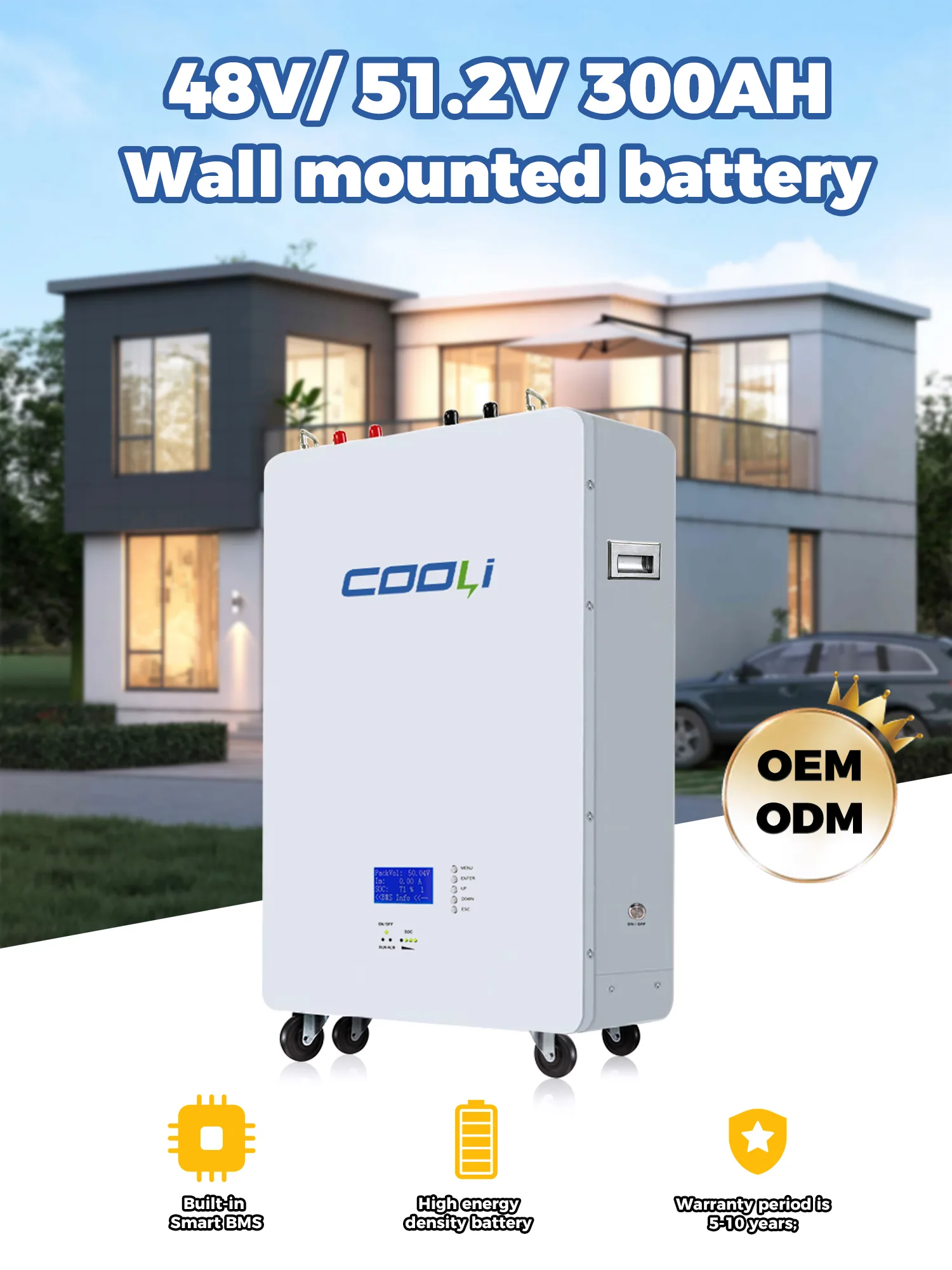
300Bateria Ah LiFePO4: Preguntes clau respostes
El300Bateria Ah LiFePO4 has gained popularity in renewable energy systems, RVs, aplicacions marines, and off-grid setups due to its high capacity, seguretat, and long lifespan. No obstant això, users often have questions about its performance, limitacions, and technical specifications. This article addresses the most common queries, providing a comprehensive guide for potential buyers and enthusiasts.
1. What Are the Disadvantages of LiFePO4 Batteries?
While LiFePO4 (Fosfat de ferro de liti) batteries are renowned for safety and durability, they do have some limitations:
- Menor densitat d'energia: En comparació amb altres químiques d'ions de liti (p. ex., NMC or LCO), LiFePO4 stores less energy per unit weight or volume, making them bulkier for high-energy applications like smartphones or EVs.
- Major cost inicial: Although cost-effective over time due to long lifespan, upfront prices are 2–3x higher than lead-acid batteries.
- Sensibilitat a la temperatura: Performance declines in extreme cold (below -20°C) or heat (above 60°C). While they tolerate wider ranges than lead-acid, prolonged exposure to high temperatures reduces capacity.
- Slower Charging: LiFePO4 typically charges slower than other lithium variants, requiring specialized chargers to avoid damage.
Despite these drawbacks, theirseguretat (non-combustible even under stress) icicle de vida (2,000–5,000+ cycles) make them ideal for solar storage, RVs, and backup power.
2. How Long Will a 300Ah LiFePO4 Battery Last?
A 300Ah battery’s runtime depends on:
- Potència de càrrega: Per a un aparell de 500 W, runtime = Battery Energy(kWh)/Potència de càrrega(kW)
- Profunditat de descàrrega (DoD): LiFePO4 batteries can safely discharge to 80–90% DoD without significant degradation.
Exemple:
A 48V 300Ah LiFePO4 battery stores14.4 kWh (48V × 300Ah). A les 80% DoD (11.5 kWh usable), powering a 1kW load would last ~11.5 hours. For a 300W RV fridge, runtime extends to ~38 hours.
3. How Many kWh Is a 48V 300Ah Battery?
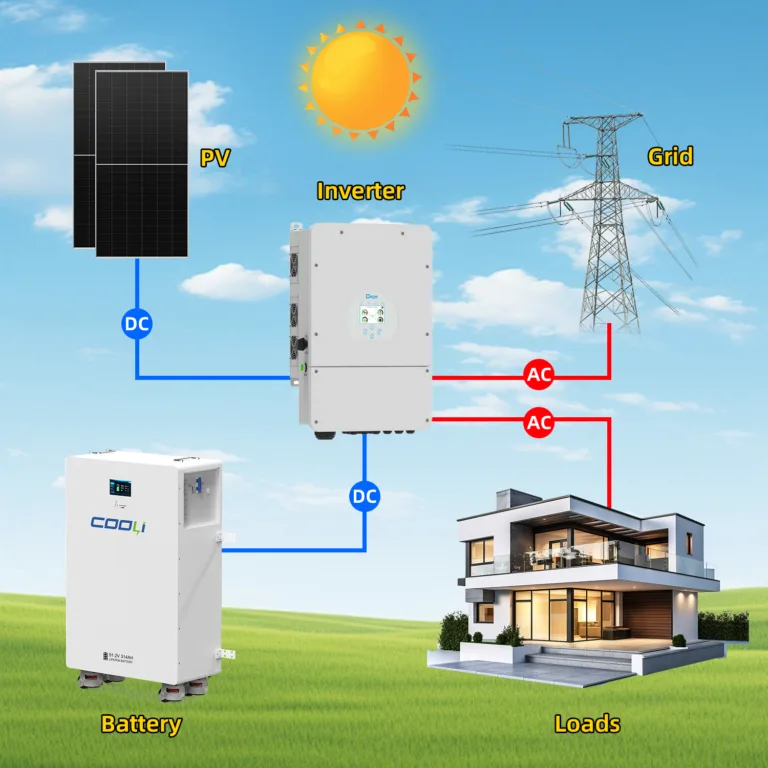
A48V 300Ah LiFePO4 battery delivers:
48V×300Ah=14,400Wh=14.4 kWh
This capacity suits large-scale applications like solar storage systems or electric vehicles. For comparison:
- A 12V 300Ah battery provides3.84 kWh (12V × 300Ah).
- Higher voltage (p. ex., 51.2V) configurations improve efficiency in industrial setups.
4. 25.6V vs. 51.2V: What’s the Difference?
LiFePO4 batteries are modular, allowing series connections to achieve higher voltages:
- 25.6V: Typically an 8-cell configuration (8 × 3.2V per cell), used in mid-sized systems like golf carts or small solar setups.
- 51.2V: A 16-cell setup, ideal for high-power applications like server racks or commercial energy storage.
Key Consideration: Higher voltage reduces current, minimizing energy loss in wiring and improving efficiency for large installations.

5. Is LiFePO4 Better Than Other Lithium Batteries?
LiFePO4 excels inseguretat ilongevitat but lags in energy density compared to lithium-ion (Li-ió) variants:
| Característica | LiFePO4 | Traditional Li-ion |
|---|---|---|
| Seguretat | No inflamable, estable | Risk of thermal runaway |
| Cicle de Vida | 2,000–5,000+ cycles | 500–1.000 cicles |
| Densitat energètica | 90–120 Wh/kg | 150–200 Wh/kg |
| Cost | Higher upfront | Lower upfront |
Millor per:
- LiFePO4: Emmagatzematge solar, RVs, marine, energia de reserva.
- Li-ió: Consumer electronics, EVs requiring compact size.
6. Key Considerations for 300Ah LiFePO4 Batteries
- BMS (Sistema de gestió de bateries): Ensures protection against overcharge, sobredescàrrega, i curtcircuits.
- Compatibilitat: Use LiFePO4-specific chargers (p. ex., 14.6V for 12V systems) to avoid damage.
- Emmagatzematge: Store at 50–80% charge in cool, dry conditions to prolong lifespan.
Conclusió
El300Bateria Ah LiFePO4 is a robust choice for high-capacity, long-term energy needs, balancing safety, and reliability. While it has limitations like lower energy density and higher initial costs, its advantages in cycle life and thermal stability make it a top contender for renewable energy and off-grid applications.
Per a solucions a mida, explore products like theBateria Lifepo4 de 300 Ah or modular 48V server-rack batteries. Always verify specifications with manufacturers to match your system’s requirements.
10Bateries kWh LiFePO4 10Costos de la bateria solar de kWh a Myanmar 25Sistemes de bateria kWh Tot en Un Contenidor BESS 4MWh Saudi Fabricant BESS Xina La bateria domèstica més barata Xina BESS Solutions Xina DDP a l'engròs Xina Factory LiFePO4 bateries Xina Grid-Scale BESS Proveïdors d'OEM xinesos Emmagatzematge comercial de bateries Kenya Solucions DC ESS Solució DDP directa a la RDC Dirigir la Xina a l'Àfrica Bateria directa de Xina a Àfrica bateria d'emmagatzematge d'energia Sistemes d'emmagatzematge d'energia Líders mundials de bateries de liti Bateria de grau A Proveïdor d'emmagatzematge de bateries a escala de xarxa Bateries domèstiques per a famílies holandeses emmagatzematge d'energia a la llar Industrial BESS Kenya Plom-àcid vs. Bateries de ions de liti LiFePO4 Bateries LiFePO4 Bateries LiFePO4 a Sud-àfrica Bateria LifePo4 Tecnologia de bateria LifePO4 Distribuïdor LiFePO4 a l'Iraq LiFePO4 ESS Kenya Bateria de ions de liti bateria de ions de liti Preus més baixos Tendències del mercat Armari de refrigeració líquida exterior Adquisició Saudita LiFePO4 Solucions BESS escalables per a la indústria Plaques solars sistema solar Apilament de tot en un Venda a l'engròs de bateries solars LiFePO4 Bateries solars a l'engròs