Millor bateria per a inversor: Guia de compra completa per a Kinshasa (2026)
Millor bateria per a inversor: Una guia de compra completa per a habitatges i empreses a Kinshasa
Els talls de llum freqüents són una realitat diària a Kinshasa, i més propietaris i propietaris de negocis recorren als sistemes d'inversor solar per mantenir els llums encesos. Però un inversor només és tan bo com la bateria que hi ha darrere. Escollint el millor bateria per a inversor l'ús pot significar la diferència entre un sistema que alimenta de manera fiable la vostra llar durant anys i un que us deixa a les fosques després d'una sola temporada de pluges..
Aquesta guia desglossa el que realment importa a l'hora de triar un bona bateria del inversor, compara els principals tipus de bateries del mercat, i us mostra què heu de buscar si necessiteu una petita unitat de seguretat per a un apartament o un sistema complet d'emmagatzematge d'energia per a una casa o un local comercial..

Per què l'elecció de la bateria és més important que el propi inversor
Un inversor solar converteix l'energia de CC emmagatzemada en l'energia de CA que fan servir els vostres electrodomèstics, però no pot crear energia per si sol. La bateria és on realment s'emmagatzema aquesta energia, i sol ser el component el que determina:
- Quant de temps dura l'energia de seguretat durant una interrupció
- Quants anys dura el sistema abans de canviar res
- Quina seguretat el sistema funciona a la calor i la humitat de Kinshasa
- El cost real per any d'ús, un cop tingueu en compte els cicles de substitució
Per això, quan la gent busca a “inversor solar” solució, la decisió real que han de prendre és sobre el bateria per a inversor per a la llar utilitzar, no només la marca del inversor.

Plom-àcid vs liti (LiFePO4): Què és realment millor
La majoria dels sistemes venuts a la República Democràtica del Congo avui es divideixen en una de les dues categories:
Plom-àcid / bateries de gel
- Menor cost inicial
- Vida útil més curta (normalment entre 300 i 800 cicles)
- Més pesat, necessiten ventilació, i perden capacitat més ràpidament en climes càlids
- En general, cal substituir-lo cada 1-3 anys amb l'ús diari
Fosfat de ferro de liti (LiFePO4) bateries
- Major cost inicial, però un cost per cicle molt més baix
- 4,000Ara 6.000 cicles de càrrega són estàndard per a cèl·lules de qualitat
- Compacte, més lleuger, i una química tèrmica més segura, millor adaptada al clima de Kinshasa
- Sistema de gestió de bateries integrat (BMS) protegeix contra la sobrecàrrega, sobredescàrrega, i sobreescalfament
- Normalment està recolzat per garanties de 5 a 10 anys de fabricants seriosos
Per a qualsevol persona que executi un sistema diàriament en lloc de fer una còpia de seguretat ocasional, LiFePO4 és ara la recomanació estàndard dels instal·ladors d'Àfrica: el cost total de propietat més baix 5+ anys supera el preu més alt de l'adhesiu.
Què heu de comprovar abans de comprar una bateria per al vostre inversor
- Compatibilitat de voltatge — La bateria i l'inversor han de funcionar en el mateix rang de tensió (generalment 12V/24V per a petites configuracions, 48V/51.2V per a sistemes domèstics).
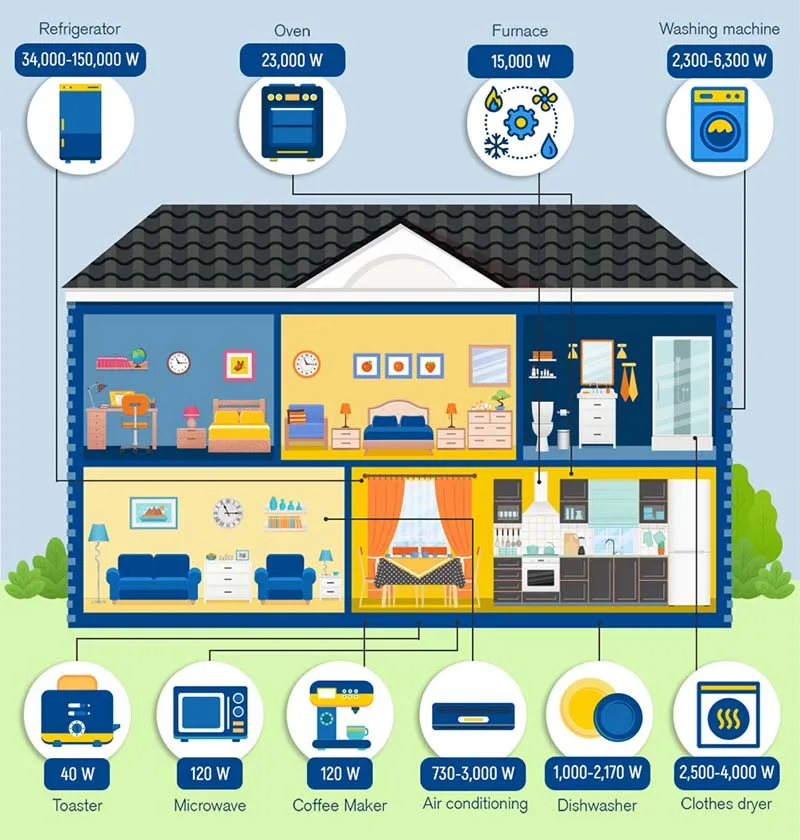
- Capacitat (kWh) coincideix amb la vostra càrrega real —no només “quantes hores,” però quants electrodomèstics i quantes hores al dia realment necessites cobert.
- Protocol de comunicació - per a sistemes més grans, confirmeu el protocol de la bateria (RS485/CAN) coincideix amb el vostre inversor, o que ve emparellat com a conjunt.
- Cicle de vida i profunditat de descàrrega (DoD) - una bateria classificada per 6,000 cicles a 90% El DoD perdurarà més que un de més barat classificat 3,000 cicles per anys, fins i tot amb una capacitat d'adhesiu similar.
- Durada de la garantia i suport local — Una garantia de 10 anys només val alguna cosa si l'empresa que l'emet té estoc local, peces de recanvi, i una presència de serveis a Kinshasa.
- Capacitat real vs anunciada — Al mercat local algunes bateries es venen amb classificacions Ah inflades utilitzant cèl·lules de grau inferior o reutilitzades. Demaneu la marca i la qualificació de la cel·la (Grau A vs Grau B) abans de comprar.
Dos casos d'ús habituals a Kinshasa
1. Portàtil, Còpia de seguretat Plug-and-Play (Apartaments, Petites oficines, Botigues)
Per a llars o petites botigues que necessiten principalment mantenir llums, aficionats, un encaminador, TV, i alguns dispositius que s'executen durant la descàrrega, una unitat compacta tot-en-un sol ser la millor opció que una instal·lació ESS domèstica completa. Busca:
- Un inversor integrat + bateria en una unitat (no cal cablejat ni instal·lador separat)
- 500Sortida W–1000W, suficient per il·luminació, aficionats, càrrega de telèfon/ordinador portàtil, i petita electrònica
- 1– Capacitat de 2 kWh, prou lleuger per moure's entre les habitacions o portar-lo amb tu
- Funcionament senzill d'endoll i càrrega
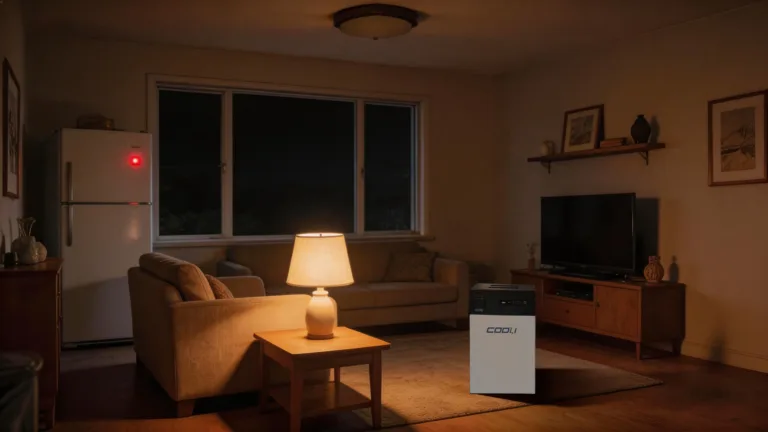
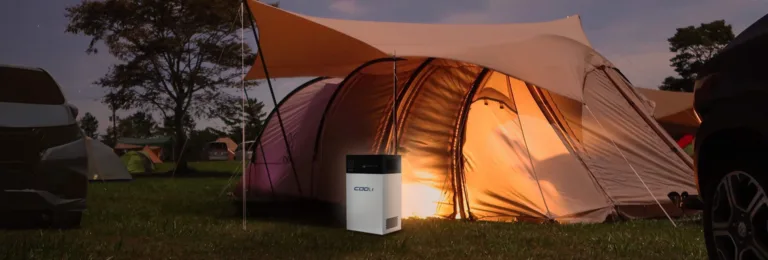
Mini unitats portàtils tot en un de Cooli (500W/1000W, 1/2kWh) van ser dissenyats exactament per a aquest segment: compactes, lleuger, i llest per utilitzar fora de la caixa, sense necessitat de la visita del tècnic.
2. Emmagatzematge complet d'energia per a la llar o l'empresa (Vil·les, Empreses, Llars més grans)
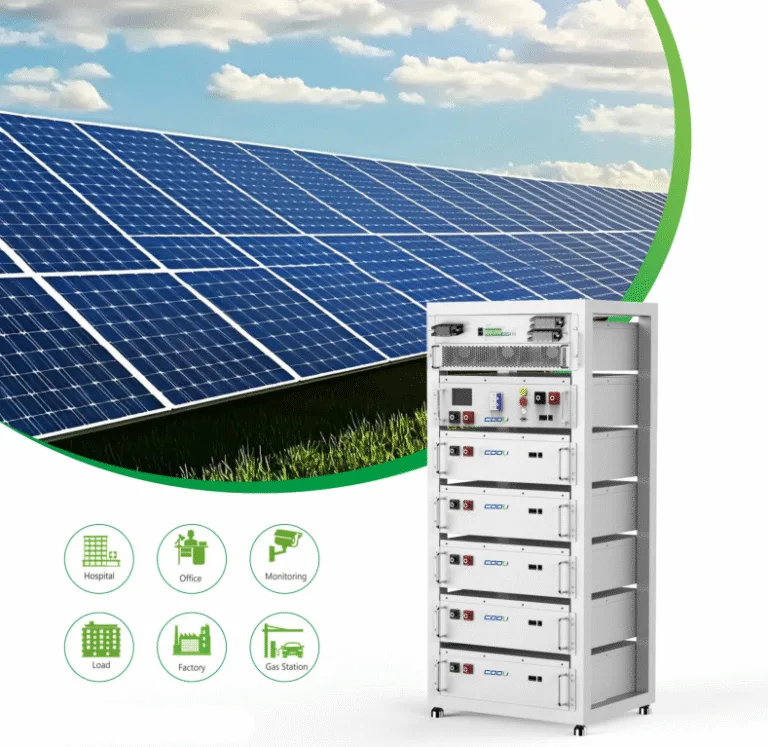
Per a una llar o una empresa amb un sistema solar complet + configuració de l'inversor: neveres, congeladors, bombes d'aigua, Unitats de CA: necessiteu un sistema d'emmagatzematge d'energia domèstic adequat, no només una caixa de seguretat. Aquí és on importa una bateria LiFePO4 d'estil torre:
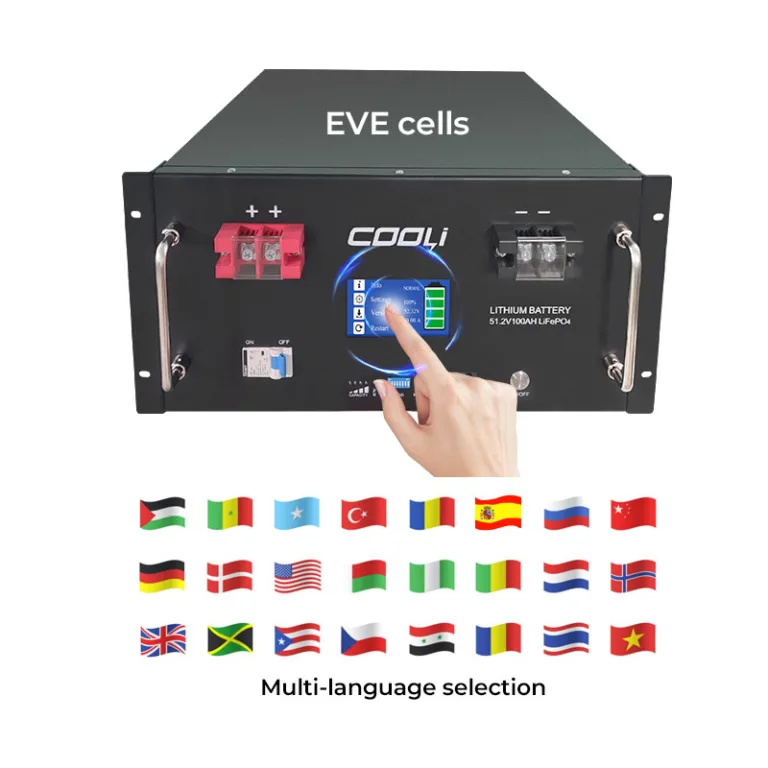
- 51.2Tensió del sistema V, estàndard per a la compatibilitat amb la majoria dels inversors híbrids i fora de xarxa moderns
- 280Ah o cèl·lules de 314 Ah, lliurament 15kWh o 16kWh d'emmagatzematge utilitzable
- 6,000+ cicle de vida, significa ús diari durant més d'una dècada abans de la pèrdua de capacitat significativa
- 5-10 anys de garantia, que només vol dir quelcom recolzat per accions i suport locals
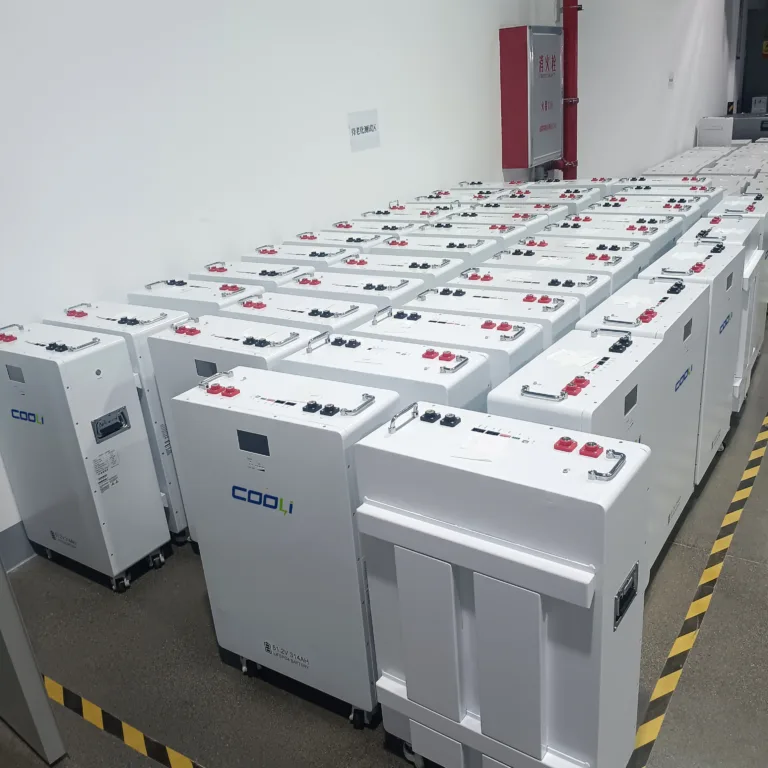
La sèrie de bateries domèstiques apilades de Cooli (51.2V, 280Ah/314Ah, 15kWh/16kWh) es basa exactament en aquestes especificacions, adreçat a llars i empreses que volen un sistema en el qual no hauran de pensar de nou durant una dècada.
Cooli contra les marques establertes a Kinshasa
Marques com Felicity fa temps que estan presents a la RDC i al mercat africà més ampli i són ben conegudes. Aquest és un punt de partida just si compareu opcions. Però la presència al mercat i l'ajust del producte són dues qüestions diferents, i hi ha algunes coses que val la pena sospesar:
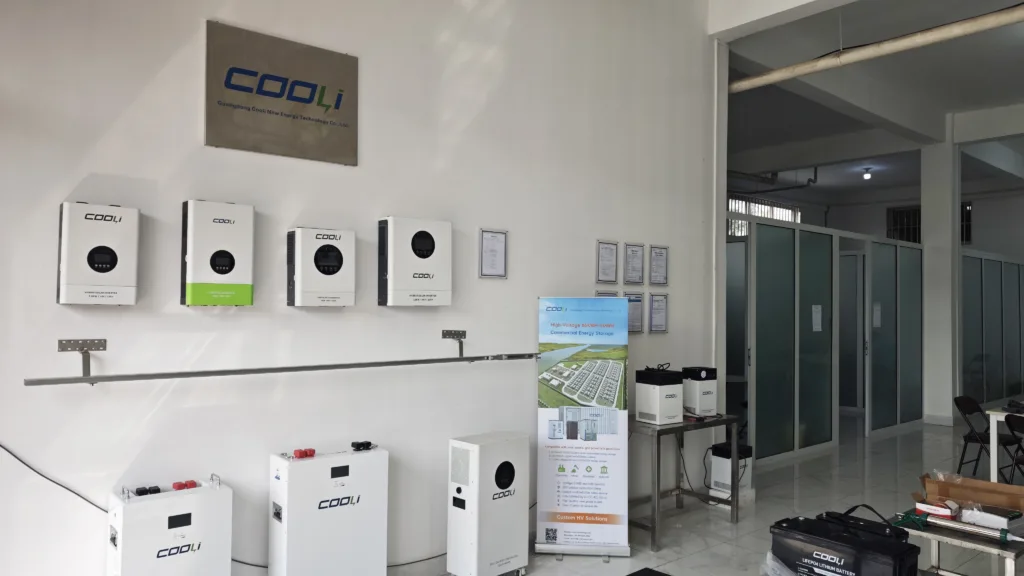
- Estoc local i lliurament: Cooli ha obert una oficina i magatzem directament a Kinshasa aquest any, amb estoc local a mà, cosa que significa temps d'espera més curts i sense dependència dels retards d'enviament transfronterer per a peces de recanvi o unitats de recanvi.
- Especificacions transparents: Publiquem el grau real de la cèl·lula i la qualificació del cicle de cada bateria que venem, en comptes de només números Ah de titular.
- Garantia recolzada localment: Una garantia de 5 a 10 anys només és útil si hi ha algú al país per honrar-la: el nostre equip i el nostre estoc es troben a Kinshasa..
- Dues línies de productes clares: més que un ampli catàleg, Cooli se centra en dos casos d'ús ben definits: mini portàtils tot-en-un per a llars/botigues petites., i torres ESS domèstiques completes de 15 a 16 kWh per a llars i negocis més grans, de manera que compareu les mateixes en lloc d'endevinar quina SKU s'adapta.
Si ja esteu comparant pressupostos de Felicity o proveïdors similars, val la pena fer les mateixes sis preguntes anteriors a qualsevol proveïdor: grau cel·lular, cicle de vida real, protocol de comunicació, i on realment es fa el servei de la garantia.
Llista de verificació final abans de triar
Abans de decidir la millor bateria per a la configuració del vostre inversor, confirmar:
- La tensió coincideix amb el vostre inversor (12V/24V per a petites configuracions, 48V/51.2V per a sistemes domèstics)
- La capacitat coincideix amb la vostra càrrega diària real, no només el vostre pressupost
- Química LiFePO4 amb un cicle de vida documentat (demanar el número, no només “de llarga durada”)
- La garantia és 5+ anys i recolzat per un proveïdor amb estoc local a Kinshasa
- El proveïdor us pot mostrar les cèl·lules/BMS reals, no només màrqueting de fotos
Obteniu un pressupost gratuït
Tant si necessiteu una unitat de còpia de seguretat portàtil per a la vostra llar o un sistema complet d'emmagatzematge d'energia de 15-16 kWh per a la vostra empresa, L'equip de Kinshasa de Cooli us pot ajudar a dimensionar el sistema adequat per a les vostres necessitats reals d'energia, amb estoc a punt per enviar-lo localment., sense importar esperar.