
Bateries de liti en sistemes solars: 5 Beneficis clau per augmentar l'eficiència 90%
Bateries de liti han revolucionat l'emmagatzematge d'energia solar, oferint un rendiment superior a les contraparts tradicionals de plom-àcid. A continuació es mostra una exploració detallada del seu paper en els sistemes solars, recolzat per coneixements tècnics i aplicacions del món real.
1. Avantatges bàsics de Bateries de liti en sistemes solars
A. Alta eficiència & Densitat energètica
- Eficiència d'anada i tornada: Les bateries de liti aconsegueixen una eficiència del 95-99%., en comparació amb el 70-85% del plom-àcid, minimitzar la pèrdua d'energia durant els cicles de càrrega/descàrrega 13.
- Densitat energètica: Els paquets de liti emmagatzemen 3 vegades més energia per unitat de volum, reduir els requisits d'espai en un 70% 18. Per exemple, a 5.12 El sistema de liti kWh ocupa la meitat de l'espai d'una configuració de plom-àcid amb una capacitat similar.
B. Vida útil ampliada & Cost-efectivitat
- Cicle de Vida: LiFePO4 (fosfat de ferro de liti) les bateries suporten entre 2.000 i 10.000 cicles a 80% profunditat de descàrrega (DoD), plom-àcid durador (300–500 cicles a 50% DoD) 13. Acabat 15 anys, cost inicial del liti (2-3x més alt) es compensa amb menys substitucions, amb un 40-50% menys de costos de vida útil 3.
- Sense manteniment: A diferència de les bateries de plom-àcid que requereixen recàrregues d'aigua i controls de sulfatació, els sistemes de liti funcionen sense manteniment 28.
C. Càrrega ràpida & Resistència a la temperatura
- Velocitat de càrrega: Càrregues de liti en 2-5 hores vs. 8–10 hores per a plom-àcid, permetre una captura ràpida d'energia durant la llum solar màxima 13.
- Interval de temperatura: Funciona eficientment entre -20 °C i 60 °C (-4°F a 140 °F) per a la descàrrega i de 0 °C a 49 °C (32°F a 120 °F) per carregar. Els models avançats inclouen l'autoescalfament per a entorns sota zero 38.
2. Aplicacions en sistemes solars
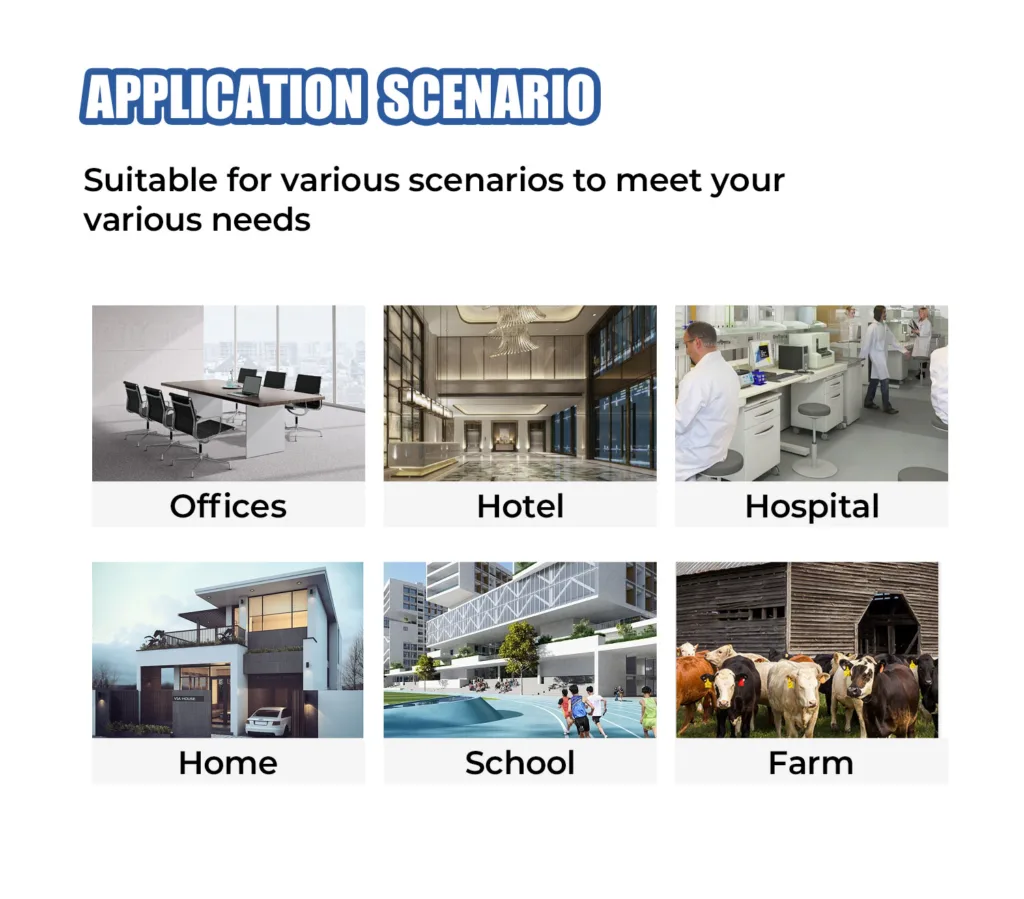
A. Residencial & Emmagatzematge solar comercial
- Independència Energètica: Emmagatzemeu l'excés d'energia solar per a ús nocturn o talls de xarxa, reduir la dependència de les xarxes de serveis públics 48.
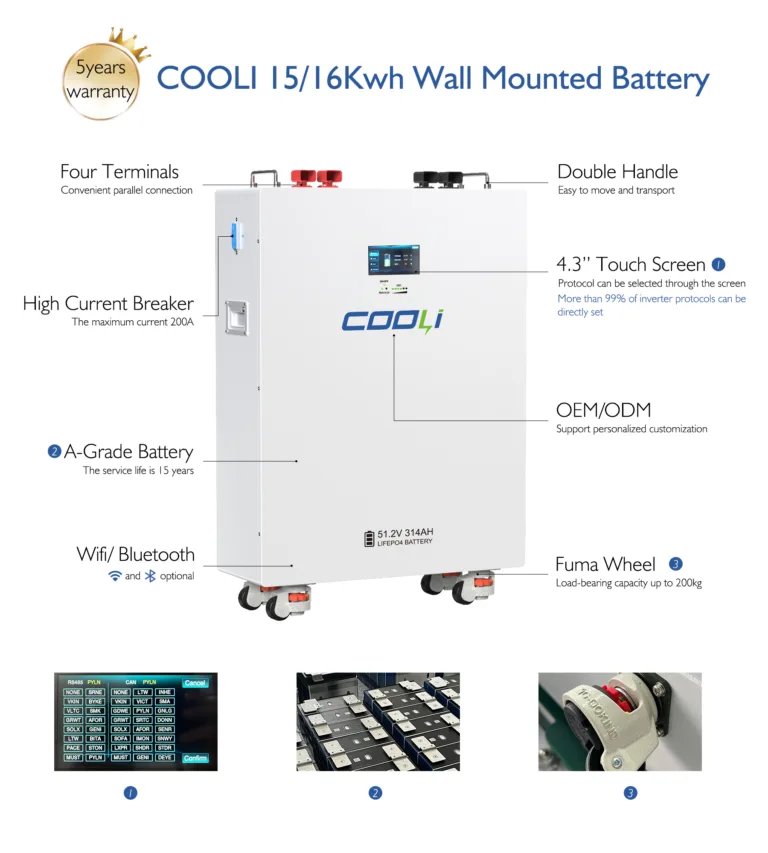
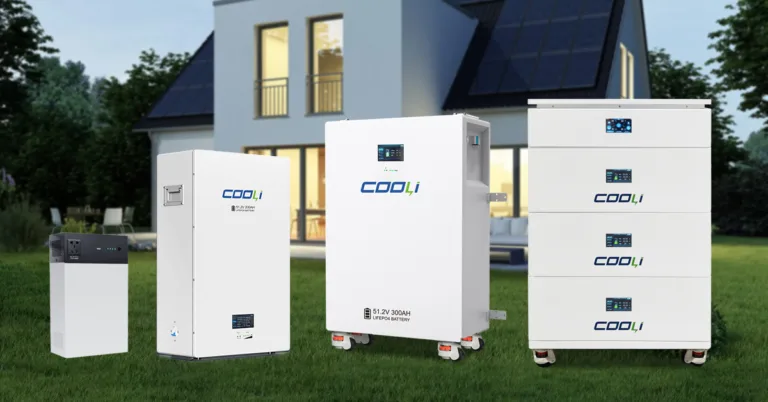
- Escalabilitat: Sistemes modulars de liti (p. ex., Unitats de 5,12 kWh a 10,24 kWh de BSLBATT) permet una fàcil ampliació de la capacitat 8.
B. Fora de la xarxa & Solucions a distància
- Càmping/RVs: Paquets lleugers de liti (60% més lleuger que el plom-àcid) són ideals per a configuracions mòbils 8.
- Còpia de seguretat industrial: S'utilitza en telemetria, monitorització remota, i infraestructura crítica a causa de la fiabilitat i la llarga vida útil 24.
C. Suport a la xarxa & Microxarxes
- Afaitat pic: Reduir la demanda de la xarxa durant els períodes d'alta energia aprofitant l'energia solar emmagatzemada 4.
- Regulació de la freqüència: La resposta ràpida del liti estabilitza les xarxes en sistemes renovables híbrids 10.
3. Innovacions que impulsen l'adopció
A. Sistemes d'emmagatzematge solar integrats
- Dissenys monolítics: Els investigadors han combinat cèl·lules solars de silici amb bateries de liti d'estat sòlid, aconseguint 15.8% eficiència solar a emmagatzematge. Aquests sistemes carreguen 45 segons sota la llum del sol i mantenir altes taxes de descàrrega (28C) 9.
B. Estat sòlid & Tecnologia d'aliatge de liti
- Bateries d'estat sòlid: Ofereix una seguretat millorada substituint els electròlits líquids inflamables. Estudis recents destaquen els reptes (p. ex., Dendrites de Li-In en electròlits de sulfur), però els avenços en l'enginyeria d'interfícies mostren una promesa 710.
- Cèl·lules solars dopades amb liti: Millorar la resistència a la radiació per a aplicacions espacials, permetre l'auto-recuperació del dany per partícules d'alta energia 6.
C. Sostenibilitat & Reciclatge
- Menor petjada de carboni: Els sistemes de liti redueixen les emissions de gasos d'efecte hivernacle entre un 43 i un 57% en comparació amb el plom-àcid durant el seu cicle de vida 10.
- Infraestructura de reciclatge: Es recuperen iniciatives creixents >90% de liti, cobalt, i níquel, abordar l'escassetat de recursos 10.
4. Reptes & Perspectives de futur
A. Limitacions actuals
- Cost inicial: La inversió inicial continua sent alta, tot i que els preus han baixat 80% des del 2010 8.
- Càrrega en fred: Requereix sistemes de calefacció per sota de 0 °C, afegir complexitat 3.
B. Tendències emergents
- Híbrids d'ions de sodi: Més barat i més abundant que el liti, bateries d'ions de sodi (SIBs) estan guanyant força per a l'emmagatzematge a la xarxa de baix cost, tot i que la densitat d'energia és de 10.
- Gestió impulsada per IA: BMS intel·ligent (Sistemes de gestió de bateries) optimitzar els cicles de càrrega i predir els errors, allargar la vida útil 14.
5. Guia de decisió: El liti és adequat per a vostè?
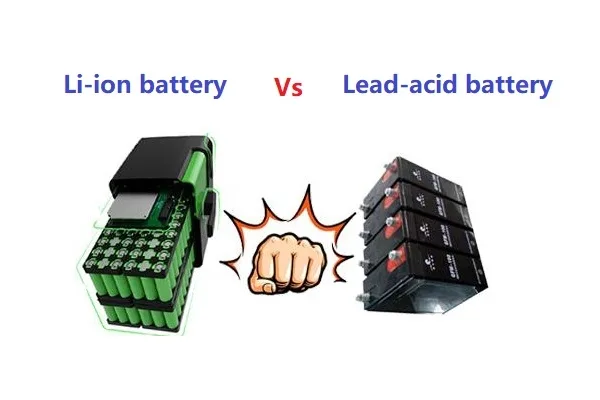
| Factor | Liti | Plom-àcid |
|---|---|---|
| Cost inicial | Alt (1,750–1.750–2.500/kWh) | Baixa (500–500–1.000/kWh) |
| Cost de tota la vida | Abaix (10–15 anys) | Més alt (3–5 anys) |
| Espai/Pes | Compacte, lleuger | voluminós, pesada |
| Manteniment | Cap | Controls periòdics |
| Impacte ambiental | Menor petjada de carboni | Riscos de contaminació per plom |
Recomanació: Trieu el liti per estalviar a llarg termini, alta eficiència, i escalabilitat. Opteu pel plom-àcid només si les limitacions pressupostàries superen les necessitats de rendiment.
10Bateries kWh LiFePO4 10Costos de la bateria solar de kWh a Myanmar 25Sistemes de bateria kWh Tot en Un Contenidor BESS 4MWh Saudi Fabricant BESS Xina La bateria domèstica més barata Xina BESS Solutions Xina DDP a l'engròs Xina Factory LiFePO4 bateries Xina Grid-Scale BESS Proveïdors d'OEM xinesos Emmagatzematge comercial de bateries Kenya Solucions DC ESS Solució DDP directa a la RDC Dirigir la Xina a l'Àfrica Bateria directa de Xina a Àfrica bateria d'emmagatzematge d'energia Sistemes d'emmagatzematge d'energia Líders mundials de bateries de liti Bateria de grau A Proveïdor d'emmagatzematge de bateries a escala de xarxa Bateries domèstiques per a famílies holandeses emmagatzematge d'energia a la llar Industrial BESS Kenya Plom-àcid vs. Bateries de ions de liti LiFePO4 Bateries LiFePO4 Bateries LiFePO4 a Sud-àfrica Bateria LifePo4 Tecnologia de bateria LifePO4 Distribuïdor LiFePO4 a l'Iraq LiFePO4 ESS Kenya Bateria de ions de liti bateria de ions de liti Preus més baixos Tendències del mercat Armari de refrigeració líquida exterior Adquisició Saudita LiFePO4 Solucions BESS escalables per a la indústria Plaques solars sistema solar Apilament de tot en un Venda a l'engròs de bateries solars LiFePO4 Bateries solars a l'engròs


Un comentari