
A dalt 3 Bateries d'ions de liti per a sistemes solars: Les millors eleccions 2025
El paper central de Bateries d'ions de liti en Sistemes Solars i les millors opcions
Amb la creixent popularitat dels sistemes solars, bateries de ions de liti s'han convertit en l'opció preferida en l'emmagatzematge d'energia per la seva alta eficiència, llarga vida útil, i beneficis ambientals. Aquest article combina informació sobre productes i fabricants principals per analitzar els tipus de bateries d'ions de liti adequades per a sistemes solars, els seus avantatges, i recomanacions per a la selecció.
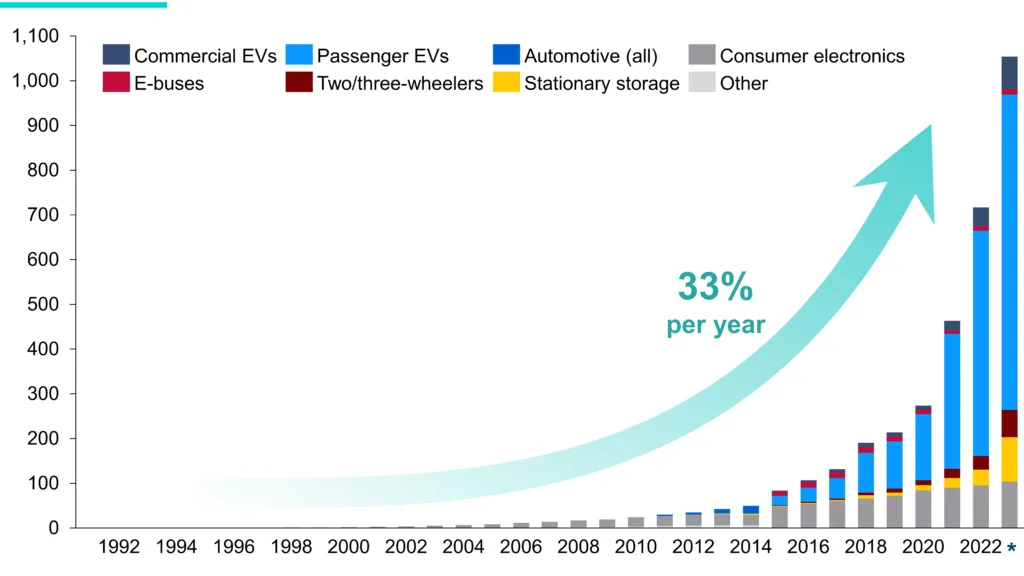
Comparació de dades de vendes
1. Volum de vendes globals (2023):
- Bateria LiFePO₄: 2.5 GWh
- Bateria NCM: 1.8 GWh
- Bateria LTO: 0.6 GWh
- Les bateries LiFePO₄ tenen la quota més gran, fent-los l'opció preferida per a la majoria de sistemes residencials i industrials.
2. Taxes d'ús de sistemes residencials i industrials:
- En sistemes residencials:
- 80% utilitzar LiFePO₄
- 15% utilitzar NCM
- 5% utilitzar LTO
- En sistemes industrials i comercials:
- 60% utilitzar LiFePO₄
- 30% utilitzar NCM
- 10% utilitzar LTO
3. Comparació d'eficiència de càrrega/descàrrega:
- Eficiència de càrrega/descàrrega:
- Bateria LiFePO₄: 96%
- Bateria NCM: 92%
- Bateria LTO: 98%
- Cicle de Vida:
- Bateria LiFePO₄: 2000-5000 cicles
- Bateria NCM: 1000-2000 cicles
- Bateria LTO: 10,000 cicles
- Seguretat:
- LiFePO₄: Alt, no inflamable
- NCM: Mitjana, pot experimentar una fuga tèrmica
- LTO: Molt alt, estable en entorns extrems
4. Comparació de preus:
- LiFePO₄: Aprox. $120-180 $/kWh
- NCM: Aprox. $150-200 $/kWh
- LTO: Aprox. $400-600 $/kWh
Avantatges de les bateries d'ions de liti en l'emmagatzematge d'energia solar
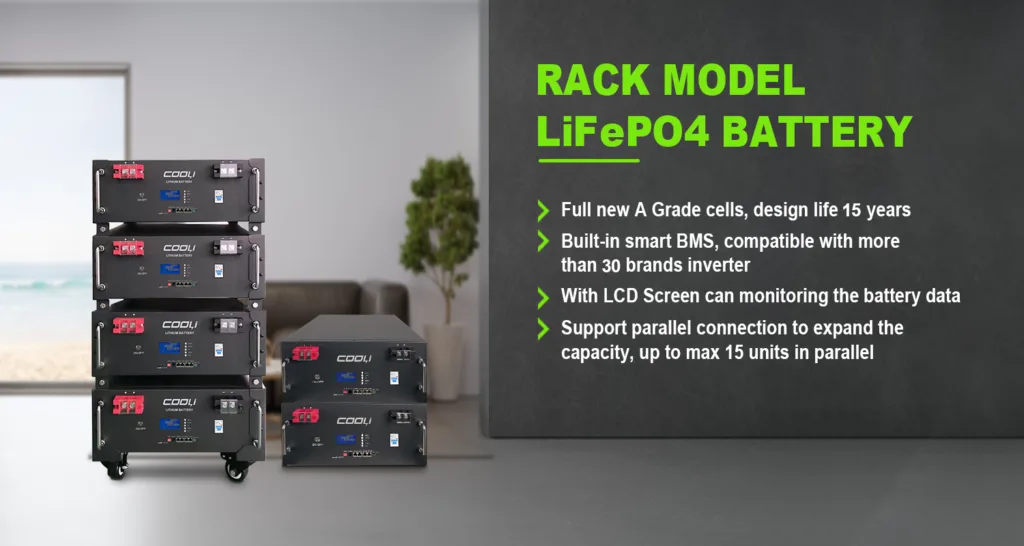
1. Alta densitat energètica i lleuger En comparació amb les bateries tradicionals de plom-àcid, bateries de ions de liti, especialment els tipus LiFePO₄, tenen una densitat energètica més alta i són més lleugers. Per exemple, una bateria LiFePO₄ de 12 V 100 Ah només pesa 9,36 kg, mentre que una bateria de plom-àcid de la mateixa capacitat podria pesar fins a 30 kg. Això els fa ideals per a instal·lacions al terrat o aplicacions mòbils com ara vehicles recreatius i sistemes fora de xarxa.
2. Cicle llarg de vida i estabilitat Les bateries LiFePO₄ solen tenir un cicle de vida superior 2000 cicles (amb 80% retenció de capacitat), superant amb escreix el 300-500 cicles de bateries de plom-àcid. Fabricants com Dinali Energy realitzen proves de qualitat rigoroses per garantir l'estabilitat de la bateria a temperatures extremes i ofereixen garanties que van des de 1 a 3 anys.
3. Càrrega/descàrrega ràpida i alta compatibilitat Les bateries d'ió de liti admeten taxes de càrrega/descàrrega més altes (p. ex., 100Un BMS), permetent una resposta ràpida a l'entrada d'energia dels panells solars. A través de l'intel·ligent Sistemes de gestió de bateries (BMS), proporcionen protecció contra sobrecàrrega i sobredescàrrega, assegurant la compatibilitat amb inversors i controladors solars.
Millors tipus de bateries d'ions de liti per a sistemes solars
1. LiFePO₄ (Bateria de fosfat de ferro de liti)
- Avantatges bàsics: Alta seguretat (forta estabilitat tèrmica), llarg cicle de vida (1500-2000 cicles), respectuós amb el medi ambient.
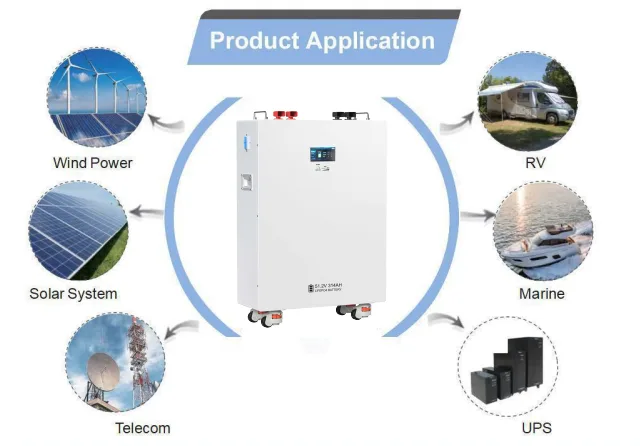
- Aplicacions típiques: Emmagatzematge residencial, sistemes solars fora de xarxa, RVs, etc.
- Producte representatiu: Una bateria LiFePO₄ de 12V 100Ah amb BMS de 100A, oferint una garantia d'1 any, preu al voltant $139.
2. NCM (Bateria de liti níquel-cobalt manganès)
- Característiques: Major densitat energètica, ideal per a aplicacions sensibles a l'espai, però amb un cicle de vida lleugerament inferior en comparació amb el LiFePO₄.
- Aplicacions: Sistemes d'emmagatzematge comercials i industrials, instal·lacions solars híbrides de gran demanda de potència.
3. LTO (Bateria de titanat de liti)
- Avantatges: Cicle de vida ultra llarg (Fins a 10,000 cicles), àmplia adaptabilitat a la temperatura (-30°C a 60 °C).
- Aplicacions adequades: Sistemes d'emmagatzematge solar en climes extrems o sistemes de microxarxes amb cicles de càrrega/descàrrega freqüents.
Guia de compra de bateries solars d'ions de liti
1. Adaptació de capacitat i tensió Per a sistemes residencials, 12S'utilitzen habitualment bateries de V o 24 V (p. ex., una bateria de 12 V 100 Ah pot emmagatzemar aproximadament 1,2 kWh d'energia). És essencial calcular la demanda total d'energia en funció de la potència de càrrega i la durada de la llum solar.
2. BMS i certificacions de seguretat Assegureu-vos que la bateria tingui un BMS integrat que admeti la protecció contra sobreintensitat i temperatura. Trieu productes certificats per UL, CE, o TUV (com els d'EastSun ,Sunchees i Coolithium).
3. Fabricant i servei postvenda Optar per marques que ofereixen solucions personalitzades:
- Totlpower: 30,000 m² de fàbrica, Admet la personalització d'emmagatzematge d'energia de grau industrial.
- CMGL Solar (Mercat del Pakistan): Ofereix solucions de bateries Tesla i Longi amb una garantia del sistema de 25 anys.
Fabricants mundials de bateries de liti recomanats
1. EastSun (Xina)
- La seva línia de productes cobreix sistemes d'emmagatzematge residencials i comercials, proporcionant solucions integrades amb inversors híbrids i bateries LiFePO₄, certificat per UL i IEC.
2. Energia ràpida (Índia)
- Especialitzat en energia verda, producció de bateries LFP i NCM, suport d'inversors solars i aplicacions de microxarxa, i ofrena 24/7 suport tècnic.
3. Sunchees (Xina)
- Amb 15 anys d'experiència OEM, Sunchees ofereix inversors d'ona sinusoïdal pura i sistemes de bateries de liti, donant suport a projectes distribuïts a més 100 països.
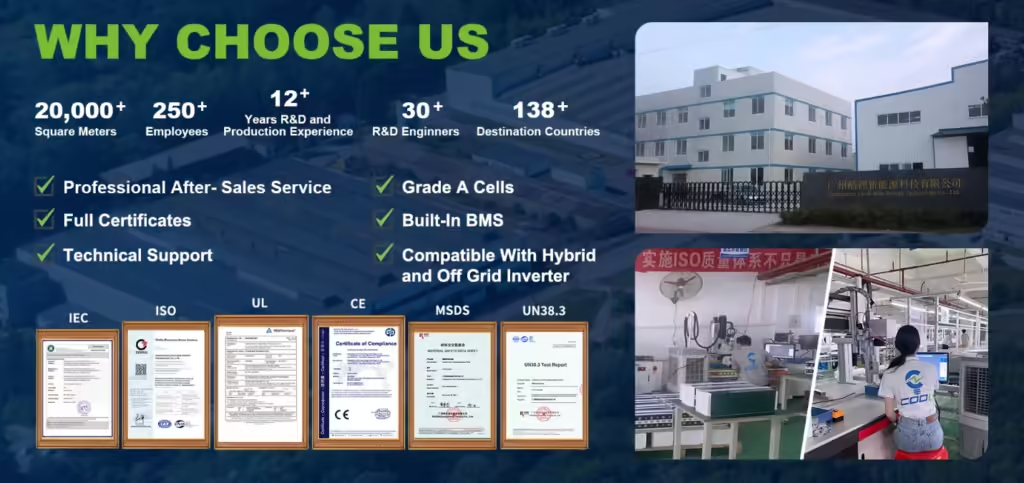
4. Coolithium(Xina)
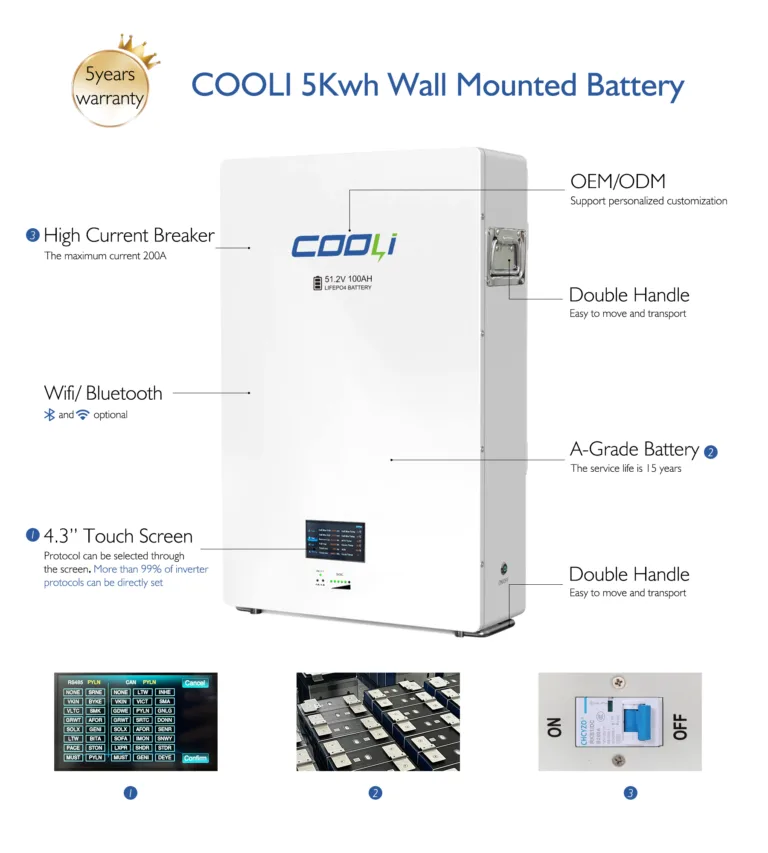
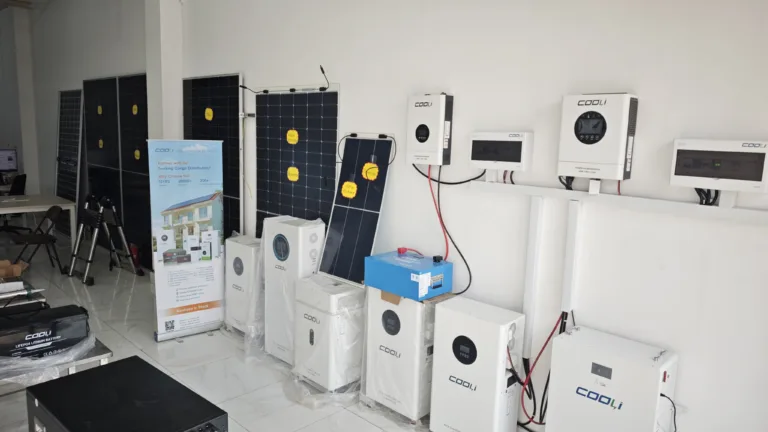
- 15 Anys d'experiència amb fàbrica professional 3 edificis per a la producció, OEM&Experiència ODM, El sistema BMS està desenvolupat pel nostre propi equip d'enginyers, Pot coincidir més de 20 marques d'inversors. Teniu ISO9001, UL,el-021, IEC,CE,CB,UN38.3, MSDS,etc Certificats.
Recomanacions d'instal·lació i manteniment
1. Compatibilitat del sistema Assegureu-vos que la tensió de la bateria coincideix amb les especificacions del panell solar i de l'inversor (p. ex., una bateria de 12 V ha de ser compatible amb un controlador solar de 12 V).
2. Seguiment periòdic Utilitzeu aplicacions intel·ligents proporcionades pels fabricants (p. ex., Eines de monitorització de CMGL Solar) per fer un seguiment de l'estat de càrrega i descàrrega en temps real.
3. Requisits ambientals Eviteu altes temperatures o ambients humits. Es recomana que les bateries LiFePO₄ funcionin en un rang de temperatures de -20 °C a 60 °C.
Conclusió
Bateries LiFePO₄, a causa de la seva alta eficiència de càrrega/descàrrega, seguretat, i preu assequible, segueixen sent la millor opció en la majoria de sistemes residencials i industrials. Les bateries NCM són més adequades per a aplicacions d'alta capacitat, mentre que les bateries LTO destaquen en entorns extrems o escenaris de ciclisme d'alta freqüència. En seleccionar, tenir en compte les necessitats específiques del sistema, i des d'una perspectiva d'inversió i eficiència a llarg termini, LiFePO₄ és la millor opció en la majoria dels casos.
Font de visió general del mercat global de bateries solars: https://www.marketresearchfuture.com/reports/solar-battery-market-10621
10Bateries kWh LiFePO4 10Costos de la bateria solar de kWh a Myanmar 25Sistemes de bateria kWh Tot en Un Contenidor BESS 4MWh Saudi Fabricant BESS Xina La bateria domèstica més barata Xina BESS Solutions Xina DDP a l'engròs Xina Factory LiFePO4 bateries Xina Grid-Scale BESS Proveïdors d'OEM xinesos Emmagatzematge comercial de bateries Kenya Solucions DC ESS Solució DDP directa a la RDC Dirigir la Xina a l'Àfrica Bateria directa de Xina a Àfrica bateria d'emmagatzematge d'energia Sistemes d'emmagatzematge d'energia Líders mundials de bateries de liti Bateria de grau A Proveïdor d'emmagatzematge de bateries a escala de xarxa Bateries domèstiques per a famílies holandeses emmagatzematge d'energia a la llar Industrial BESS Kenya Plom-àcid vs. Bateries de ions de liti LiFePO4 Bateries LiFePO4 Bateries LiFePO4 a Sud-àfrica Bateria LifePo4 Tecnologia de bateria LifePO4 Distribuïdor LiFePO4 a l'Iraq LiFePO4 ESS Kenya Bateria de ions de liti bateria de ions de liti Preus més baixos Tendències del mercat Armari de refrigeració líquida exterior Adquisició Saudita LiFePO4 Solucions BESS escalables per a la indústria Plaques solars sistema solar Apilament de tot en un Venda a l'engròs de bateries solars LiFePO4 Bateries solars a l'engròs
Un comentari