
Befreien Sie Ihre Fabrik:150kW-Solaranlage für Nigeria Polymer Film Mfg
Zielort (Nigeria), Industrie (Polymer Film Mfg), und Lösungsskala (150kW).
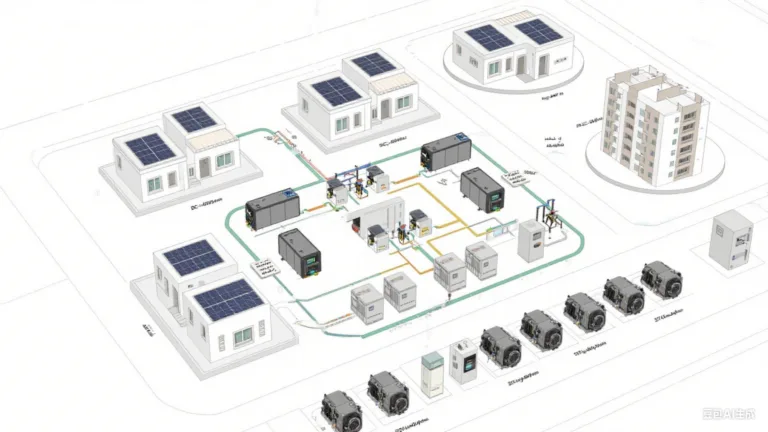
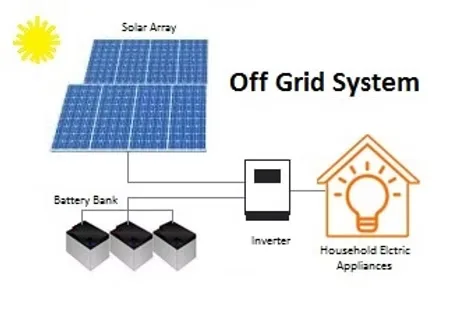
Nigerianische Hersteller von Polymerfolien sind mit anhaltenden Stromausfällen und erdrückenden Dieselkosten konfrontiert. Dieser strategische Entwurf zeigt, wie eine maßgeschneiderte 150kW-Solaranlage sorgt für Energieunabhängigkeit, senkt die jährlichen Kosten um über 5 Mio. NGN, und eliminiert Produktionsausfälle. Entdecken Sie die Lithium-Speichertechnologie und die schrittweise Einführung, die Sonnenlicht zu Ihrem Wettbewerbsvorteil machen.

Nachfolgend finden Sie eine detaillierte Analyse der Komponenten, Kosten, Lagerung, und Umsetzung:
⚙️ 1.Systemspezifikationen & Komponenten
- Solarplatten:
- 150 Das kW-System erfordert ca. 375 Panels (400W jeweils). Priorisieren Sie Tier-1-Marken (z.B., Sungrow) für Beständigkeit gegen das Klima Nigerias .
- Verwenden Sie monokristalline Panels für eine hohe Effizienz (≥22 %) auf begrenztem Raum.
- Wechselrichter:
- Wechselrichter im Versorgungsmaßstab (z.B., Sungrows 99% Effizienzmodelle) sorgen für Netzstabilität und unterstützen Lithiumbatterien .
- Enthalten 3-4 Einheiten (50 jeweils kW) für Skalierbarkeit.
- Batteriespeicher:
- Lithium-Ionen (empfohlen): 120–150 kWh Kapazität (8–10 Stunden Backup).
- Entladungstiefe (DoD): 90% vs. 50% für Bleisäure .
- Lebensdauer: 4,000 Fahrräder (vs. 1,800 für Bleisäure) .
- Beispiel: Huaweis 13.5 kWh-Einheiten (9–11 Einheiten) .
- Lithium-Ionen (empfohlen): 120–150 kWh Kapazität (8–10 Stunden Backup).
💰 2.Kostenaufschlüsselung
Vorabinvestition:
| Komponente | Kosten (₦) | Notizen |
|---|---|---|
| Solarplatten | ₦18–22 Millionen | ₦120.000–₦150.000/kW |
| Lithiumspeicher | ₦9–12 Millionen | ₦60.000–₦80.000/kWh |
| Wechselrichter/Controller | ₦4,5–6 Millionen | Inklusive MPPT-Controller |
| Installation | ₦3–4,5 Millionen | Arbeit, Verdrahtung, und Reittiere |
| Gesamt | 34–45 Mio. ₦ |
- Langfristige Einsparungen:
- Eliminiert 3–10 Millionen ₦/Jahr an Diesel-/Generatorkosten .
- Amortisationszeit: 3–5 Jahre bei aktuellen Energiepreisen.
🔋 3.Lagerung & Backup-Kritikalität
- Warum Lithium?:
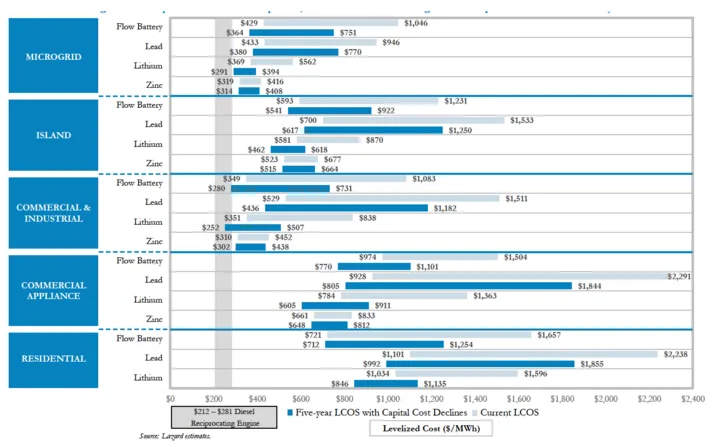
- Untere Gestaffelte Speicherkosten (LCOS): ₦5,66/kWh/Zyklus vs. Bleisäure ₦11,32.
- Unterstützt Hochleistungsgeräte (z.B., Extruder, Kältemaschinen) ohne Spannungseinbrüche.
- Sicherungsdauer: Dimensionieren Sie die Batterien für 8–10 Stunden, um Produktionsschichten und Netzausfälle abzudecken. A 150 Für einen zuverlässigen Betrieb benötigt das kW-System 1,2–1,5 MWh Speicher.
⚡ 4.Energieverwaltung für Fertigungslasten
- Kritische Ausrüstung:
- Folienextruder (50–75 kW), Kältemaschinen (20–30 kW), Kompressoren (15–25 kW).
- Verwenden Softstarter oder variable Antriebe zur Bewältigung von Einschaltströmen.
- Intelligente Controller: Die DC-gekoppelte Technologie von SolarEdge maximiert den Ertrag bei Teilverschattung.
- Grid-Hybrid-Setup: Koppeln Sie Solarenergie mit vorhandenen Generatoren, um an bewölkten Tagen unterbrechungsfreien Strom zu erhalten.
🌍 5.Nigeria-spezifische Faktoren
- Vorschriften:
- Sich an etw. halten 2024 SON-Standards zur Vermeidung gefälschter Panels.
- Tippen Sie ein BOI-Darlehen, Kohlenstoffgutschriften, oder NGO-Zuschüsse (z.B., ₦3,5 Mio. Deals über SGIP-ähnliche Programme).
- Umweltfreundlich:
- Staub/Verschmutzung verringert die Leistung um 15–25 %. Integrieren Sie automatisierte Reinigungssysteme.
- Optimale Neigung: 10–15° für regenunterstützte Reinigung.
🛠️ 6.Implementierungs-Roadmap
- Prüfung: Energiebewertung (z.B., 24-Stundenlastprofil).
- Design: Hybridsystem mit 70% Solar- + 30% Generator-Backup.
- Beschaffung: Nutzen Sie verifizierte Lieferanten (z.B., Huawei, SolarEdge) aus dem Blaupause für ein Solargeschäfts Anbieterliste.
- Installation: Zertifizierte Techniker (vermeiden “Nigerianische Startup-Fehler” verursachend 60% Misserfolge).
- Wartung:
- Lithiumbatterien: Bei Nichtgebrauch alle 3–6 Monate aufladen.
- Vierteljährliche Reinigung der Module und Überprüfung des Wechselrichters.
💡 7.Skalierbarkeit & ROI-Optimierung
- Phase 1: 150 kW-Systemabdeckungen ~60 % der Tageslast.
- Phase 2: Erweitern auf 300 kW + Lagerung für 24/7 Operationen.
- ROI-Booster:
- Verkaufen Sie überschüssigen Strom über PPAs (Stromabnahmeverträge).
- Nutzen Sie Time-of-Use-Shifting: Laden Sie die Batterien außerhalb der Spitzenzeiten auf, Entladung während der Spitzentarife.
📊 Erwartete Ergebnisse:
- Monatliche Ersparnisse: ₦500.000–5 Mio. ₦ aus eingesparten Dieselkosten.
- Produktionsgewinne: Vermeiden Sie 10–30 % Ausfallzeiten durch Netzausfälle.
Für ein maßgeschneidertes Angebot.
10kWh LiFePO4-Batterien 10Kosten für kWh-Solarbatterien in Myanmar 25kWh-Batteriesysteme Alles in einem BESS Container 4MWh Saudi BESS Hersteller China Günstigste Heimbatterie China BESS-Lösungen China DDP Großhandel China Factory LiFePO4-Batterien China Grid-Scale BESS Chinesische OEM-Lieferanten Kommerzieller Batteriespeicher Kenia DC ESS-Lösungen DDP-Lösung direkt in die Demokratische Republik Kongo Direkt von China nach Afrika Direkte China-zu-Afrika-Batterie Energiespeicherbatterie Energiespeichersysteme Weltweit führende Anbieter von Lithiumbatterien Batterie der Güteklasse A Lieferant von Batteriespeichern im Netzmaßstab Heimbatterien für niederländische Familien Energiespeicher für zu Hause Industrielles BESS Kenia Bleisäure vs. Lithium-Ionen-Batterien LiFePO4 LiFePO4-Batterien LiFePO4-Batterien in Südafrika LifePo4-Akku LifePO4-Batterietechnologie LiFePO4-Händler im Irak LiFePO4 ESS Kenia Lithium-Ionen-Akku Litium-Ionen-Batterie Niedrigere Preise Markttrends Flüssigkeitskühlschrank für den Außenbereich Beschaffung von LiFePO4 in Saudi-Arabien Skalierbare BESS-Lösungen für die Industrie Solarplatten Sonnensystem Stapelbares All-in-One Großhandel mit LiFePO4-Solarbatterien Großhandel mit Solarbatterien