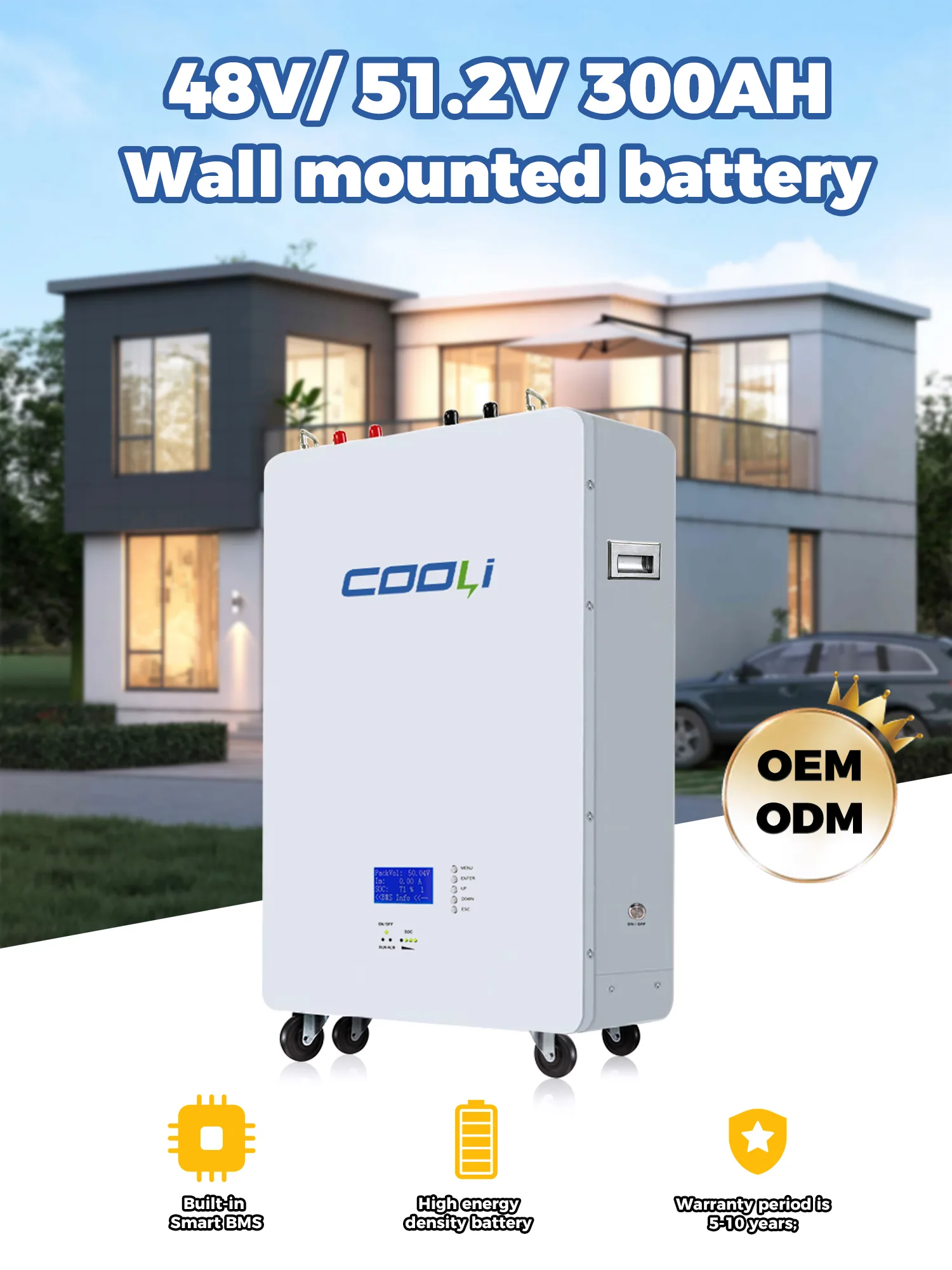
300Ah LiFePO4-Akku: Wichtige Fragen beantwortet
Der300Ah LiFePO4-Akku hat in erneuerbaren Energiesystemen an Popularität gewonnen, Wohnmobile, Marineanwendungen, und netzunabhängige Setups aufgrund seiner hohen Kapazität, Sicherheit, und lange Lebensdauer. Jedoch, Benutzer haben oft Fragen zur Leistung, Einschränkungen, und technische Spezifikationen. In diesem Artikel werden die häufigsten Fragen behandelt, Bereitstellung eines umfassenden Leitfadens für potenzielle Käufer und Enthusiasten.
1. Was sind die Nachteile von LiFePO4-Batterien??
Während LiFePO4 (Lithiumeisenphosphat) Batterien sind für ihre Sicherheit und Langlebigkeit bekannt, Sie haben einige Einschränkungen:
- Niedrigere Energiedichte: Im Vergleich zu anderen Lithium-Ionen-Chemikalien (z.B., NMC oder LCO), LiFePO4 speichert weniger Energie pro Gewichts- oder Volumeneinheit, Dadurch sind sie für energieintensive Anwendungen wie Smartphones oder Elektrofahrzeuge sperriger.
- Höhere Anschaffungskosten: Aufgrund der langen Lebensdauer jedoch im Laufe der Zeit kostengünstig, Die Vorabpreise sind zwei- bis dreimal höher als bei Blei-Säure-Batterien.
- Temperaturempfindlichkeit: Bei extremer Kälte lässt die Leistung nach (unter -20°C) oder Hitze (über 60°C). Sie vertragen zwar größere Bereiche als Bleisäure, Eine längere Einwirkung hoher Temperaturen verringert die Kapazität.
- Langsameres Laden: LiFePO4 lädt sich typischerweise langsamer auf als andere Lithium-Varianten, Um Schäden zu vermeiden, sind spezielle Ladegeräte erforderlich.
Trotz dieser Nachteile, ihreSicherheit (auch unter Belastung nicht brennbar) UndLebensdauer (2,000–5.000+ Zyklen) machen sie ideal für die Solarspeicherung, Wohnmobile, und Notstromversorgung.
2. Wie lange hält ein 300-Ah-LiFePO4-Akku??
Die Laufzeit einer 300-Ah-Batterie hängt davon ab:
- Ladeleistung: Für ein 500-W-Gerät, Laufzeit = Batterieenergie(kWh)/Ladeleistung(kW)
- Entladungstiefe (DoD): LiFePO4-Batterien können ohne nennenswerte Verschlechterung sicher auf 80–90 % DoD entladen werden.
Beispiel:
Ein 48V 300Ah LiFePO4-Akku speichert14.4 kWh (48V × 300 Ah). Bei 80% DoD (11.5 kWh nutzbar), Die Stromversorgung einer 1-kW-Last würde etwa 11,5 Stunden dauern. Für einen 300-W-Wohnmobilkühlschrank, Die Laufzeit beträgt ~38 Stunden.
3. Wie viele kWh hat eine 48-V-300-Ah-Batterie??
A48V 300Ah LiFePO4-Akku liefert:
48V×300Ah=14.400Wa=14,4 kWh
Diese Kapazität eignet sich für Großanwendungen wie Solarspeichersysteme oder Elektrofahrzeuge. Zum Vergleich:
- Eine 12V 300Ah Batterie sorgt dafür3.84 kWh (12V × 300 Ah).
- Höhere Spannung (z.B., 51.2V) Konfigurationen verbessern die Effizienz in industriellen Anlagen.
4. 25.6Im vs. 51.2V: Was ist der Unterschied??
LiFePO4-Batterien sind modular aufgebaut, Dadurch können durch Reihenschaltung höhere Spannungen erreicht werden:
- 25.6V: Typischerweise eine 8-Zellen-Konfiguration (8 × 3,2 V pro Zelle), Wird in mittelgroßen Systemen wie Golfwagen oder kleinen Solaranlagen verwendet.
- 51.2V: Ein 16-Zellen-Setup, Ideal für Hochleistungsanwendungen wie Server-Racks oder kommerzielle Energiespeicher.
Wichtige Überlegung: Eine höhere Spannung reduziert den Strom, Minimierung des Energieverlusts bei der Verkabelung und Verbesserung der Effizienz großer Anlagen.

5. Ist LiFePO4 besser als andere Lithiumbatterien??
LiFePO4 zeichnet sich dadurch ausSicherheit UndLanglebigkeit aber hinkt in der Energiedichte im Vergleich zu Lithium-Ionen hinterher (Li-Ion) Varianten:
| Besonderheit | LiFePO4 | Traditionelles Li-Ion |
|---|---|---|
| Sicherheit | Nicht brennbar, stabil | Gefahr eines thermischen Durchgehens |
| Lebensdauer | 2,000–5.000+ Zyklen | 500–1.000 Zyklen |
| Energiedichte | 90–120 Wh/kg | 150–200 Wh/kg |
| Kosten | Im Voraus höher | Vorne absenken |
Am besten für:
- LiFePO4: Solarspeicher, Wohnmobile, Marine, Notstromversorgung.
- Li-Ion: Unterhaltungselektronik, Elektrofahrzeuge, die eine kompakte Größe erfordern.
6. Wichtige Überlegungen für 300-Ah-LiFePO4-Batterien
- BMS (Batteriemanagementsystem): Gewährleistet Schutz vor Überladung, Überentladung, und Kurzschlüsse.
- Kompatibilität: Verwenden Sie LiFePO4-spezifische Ladegeräte (z.B., 14.6V für 12V-Systeme) um Schäden zu vermeiden.
- Lagerung: Bei 50–80 % Ladung kühl lagern, trockene Bedingungen, um die Lebensdauer zu verlängern.
Abschluss
Der300Ah LiFePO4-Akku ist eine robuste Wahl für hohe Kapazitäten, Langfristiger Energiebedarf, Sicherheit ausbalancieren, und Zuverlässigkeit. Allerdings gibt es Einschränkungen wie eine geringere Energiedichte und höhere Anschaffungskosten, Seine Vorteile in Bezug auf Zyklenlebensdauer und thermische Stabilität machen es zu einem Spitzenkandidaten für erneuerbare Energien und netzunabhängige Anwendungen.
Für maßgeschneiderte Lösungen, Entdecken Sie Produkte wie dieLifepo4-Batterie 300 Ah oder modulare 48-V-Server-Rack-Batterien. Überprüfen Sie immer die Spezifikationen des Herstellers, um sie an die Anforderungen Ihres Systems anzupassen.
10kWh LiFePO4-Batterien 10Kosten für kWh-Solarbatterien in Myanmar 25kWh-Batteriesysteme Alles in einem BESS Container 4MWh Saudi BESS Hersteller China Günstigste Heimbatterie China BESS-Lösungen China DDP Großhandel China Factory LiFePO4-Batterien China Grid-Scale BESS Chinesische OEM-Lieferanten Kommerzieller Batteriespeicher Kenia DC ESS-Lösungen DDP-Lösung direkt in die Demokratische Republik Kongo Direkt von China nach Afrika Direkte China-zu-Afrika-Batterie Energiespeicherbatterie Energiespeichersysteme Weltweit führende Anbieter von Lithiumbatterien Batterie der Güteklasse A Lieferant von Batteriespeichern im Netzmaßstab Heimbatterien für niederländische Familien Energiespeicher für zu Hause Industrielles BESS Kenia Bleisäure vs. Lithium-Ionen-Batterien LiFePO4 LiFePO4-Batterien LiFePO4-Batterien in Südafrika LifePo4-Akku LifePO4-Batterietechnologie LiFePO4-Händler im Irak LiFePO4 ESS Kenia Lithium-Ionen-Akku Litium-Ionen-Batterie Niedrigere Preise Markttrends Flüssigkeitskühlschrank für den Außenbereich Beschaffung von LiFePO4 in Saudi-Arabien Skalierbare BESS-Lösungen für die Industrie Solarplatten Sonnensystem Stapelbares All-in-One Großhandel mit LiFePO4-Solarbatterien Großhandel mit Solarbatterien