300Ah batería LiFePO4: Preguntas clave respondidas
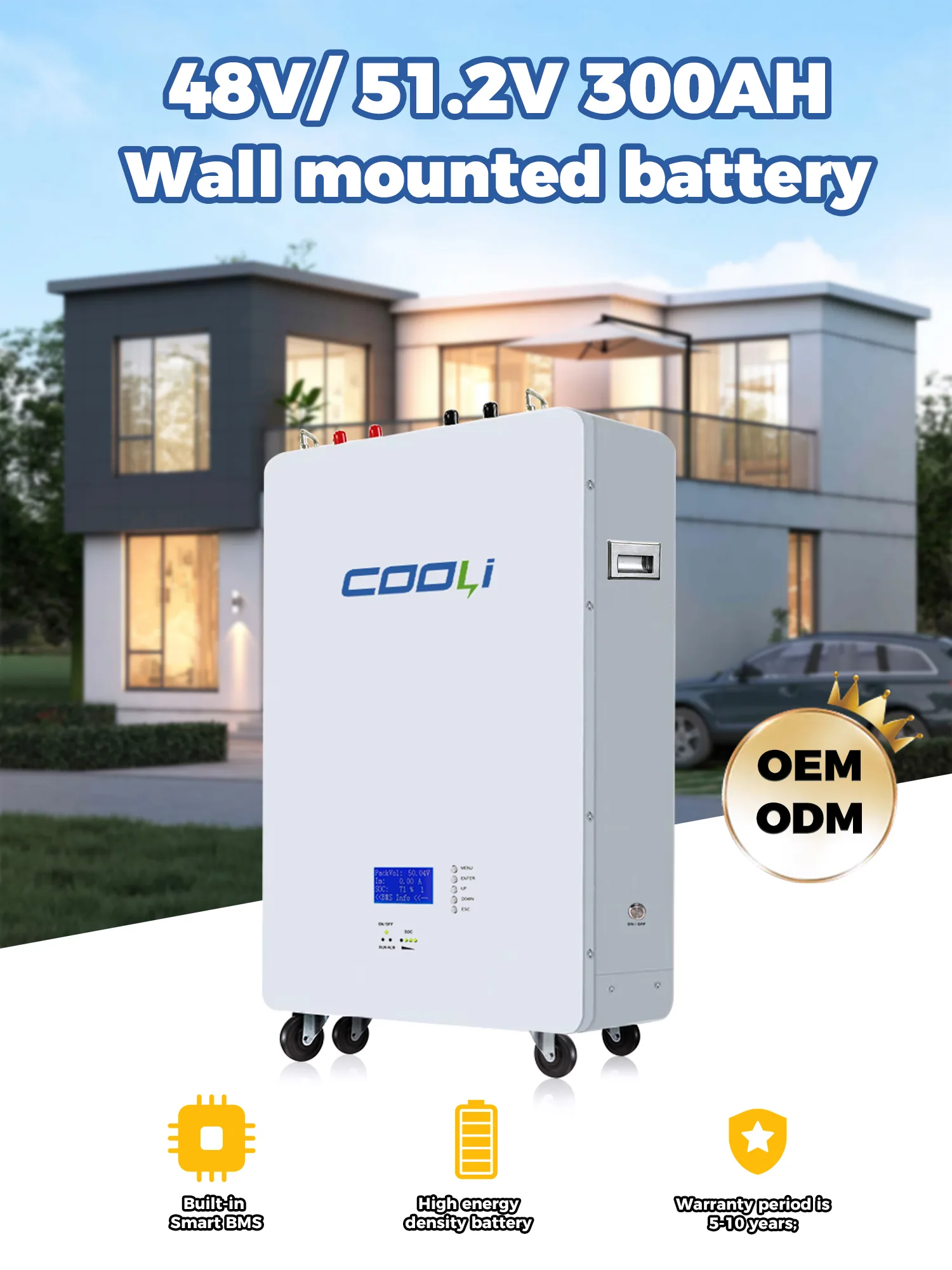
El300Ah batería LiFePO4 Ha ganado popularidad en los sistemas de energía renovable., vehículos recreativos, aplicaciones marinas, y configuraciones fuera de la red debido a su alta capacidad, seguridad, y larga vida útil. Sin embargo, Los usuarios suelen tener preguntas sobre su rendimiento., limitaciones, y especificaciones técnicas. Este artículo aborda las consultas más comunes., Proporcionar una guía completa para compradores potenciales y entusiastas..
1. ¿Cuáles son las desventajas de las baterías LiFePO4??
Mientras que LiFePO4 (Fosfato de hierro y litio) Las baterías son reconocidas por su seguridad y durabilidad., tienen algunas limitaciones:
- Menor densidad de energía: En comparación con otras químicas de iones de litio (p.ej., NMC o LCO), LiFePO4 almacena menos energía por unidad de peso o volumen, haciéndolos más voluminosos para aplicaciones de alta energía como teléfonos inteligentes o vehículos eléctricos.
- Mayor costo inicial: Aunque es rentable con el tiempo debido a su larga vida útil, Los precios iniciales son entre 2 y 3 veces más altos que los de las baterías de plomo-ácido..
- Sensibilidad a la temperatura: El rendimiento disminuye en condiciones de frío extremo (por debajo de -20°C) o calor (por encima de 60°C). Si bien toleran rangos más amplios que los de plomo-ácido, la exposición prolongada a altas temperaturas reduce la capacidad.
- Carga más lenta: LiFePO4 normalmente se carga más lentamente que otras variantes de litio, Requiriendo cargadores especializados para evitar daños..
A pesar de estos inconvenientes, suseguridad (no combustible incluso bajo estrés) yciclo de vida (2,000–5000+ ciclos) hacerlos ideales para el almacenamiento solar, vehículos recreativos, y energía de respaldo.
2. ¿Cuánto durará una batería LiFePO4 de 300 Ah??
El tiempo de ejecución de una batería de 300 Ah depende de:
- Potencia de carga: Para un aparato de 500W, tiempo de ejecución = energía de la batería(kWh)/Potencia de carga(kilovatios)
- Profundidad de descarga (Departamento de Defensa): Las baterías LiFePO4 pueden descargarse de forma segura entre un 80% y un 90% del DoD sin una degradación significativa.
Ejemplo:
Una batería LiFePO4 de 48 V y 300 Ah almacena14.4 kWh (48V×300Ah). En 80% Departamento de Defensa (11.5 kWh utilizables), alimentar una carga de 1 kW duraría aproximadamente 11,5 horas. Para un frigorífico para vehículos recreativos de 300 W, el tiempo de ejecución se extiende a ~38 horas.
3. ¿Cuántos kWh tiene una batería de 48 V y 300 Ah??
A48Batería V 300Ah LiFePO4 entrega:
48V×300Ah=14,400¿Qué?=14,4 kWh
Esta capacidad se adapta a aplicaciones a gran escala como sistemas de almacenamiento solar o vehículos eléctricos.. Para comparar:
- Una batería de 12V 300Ah proporciona3.84 kWh (12V×300Ah).
- Mayor voltaje (p.ej., 51.2V) Las configuraciones mejoran la eficiencia en instalaciones industriales..
4. 25.6En contra. 51.2V: ¿Cuál es la diferencia??
Las baterías LiFePO4 son modulares, permitiendo conexiones en serie para alcanzar voltajes más altos:
- 25.6V: Normalmente una configuración de 8 celdas (8 × 3,2 V por celda), utilizado en sistemas de tamaño mediano como carritos de golf o pequeñas instalaciones solares.
- 51.2V: Una configuración de 16 celdas, ideal para aplicaciones de alta potencia como bastidores de servidores o almacenamiento de energía comercial.
Consideración clave: Un voltaje más alto reduce la corriente, Minimizar la pérdida de energía en el cableado y mejorar la eficiencia para grandes instalaciones..

5. ¿Es LiFePO4 mejor que otras baterías de litio??
LiFePO4 sobresale enseguridad ylongevidad pero tiene un retraso en la densidad de energía en comparación con el ion de litio (iones de litio) variantes:
| Característica | LiFePO4 | Li-ion tradicional |
|---|---|---|
| Seguridad | Ininflamable, estable | Riesgo de fuga térmica |
| Ciclo de vida | 2,000–5000+ ciclos | 500–1.000 ciclos |
| Densidad de energía | 90–120 Wh/kg | 150–200 Wh/kg |
| Costo | Más alto por adelantado | Bajar por adelantado |
Mejor para:
- LiFePO4: Almacenamiento solar, vehículos recreativos, marina, energía de respaldo.
- iones de litio: Electrónica de consumo, Vehículos eléctricos que requieren un tamaño compacto.
6. Consideraciones clave para las baterías LiFePO4 de 300 Ah
- BMS (Sistema de gestión de batería): Garantiza protección contra sobrecargas., sobredescarga, y cortocircuitos.
- Compatibilidad: Utilice cargadores específicos de LiFePO4 (p.ej., 14.6V para sistemas de 12V) para evitar daños.
- Almacenamiento: Almacenar con una carga del 50 al 80 % en un lugar fresco, condiciones secas para prolongar la vida útil.
Conclusión
El300Ah batería LiFePO4 es una opción sólida para alta capacidad, necesidades energéticas a largo plazo, equilibrio de seguridad, y confiabilidad. Si bien tiene limitaciones como menor densidad de energía y mayores costos iniciales., sus ventajas en cuanto a ciclo de vida y estabilidad térmica lo convierten en uno de los principales candidatos para energía renovable y aplicaciones fuera de la red..
Para soluciones personalizadas, explorar productos como elBatería Lifepo4 300ah o baterías modulares de 48 V para servidores en rack. Verifique siempre las especificaciones con los fabricantes para que coincidan con los requisitos de su sistema..
10Baterías LiFePO4 kWh 10Costos de las baterías solares kWh en Myanmar 25Sistemas de baterías kWh Todo en uno Contenedor BESS 4MWh Arabia Saudita BESS Fabricante China La batería doméstica más barata Soluciones BESS de China China DDP al por mayor Baterías LiFePO4 de fábrica de China BESS a escala de red de China Proveedores chinos del OEM Almacenamiento de baterías comerciales Kenia Soluciones DC ESS Solución DDP directa a la República Democrática del Congo Dirigir China a África Batería directa de China a África batería de almacenamiento de energía Sistemas de almacenamiento de energía Líderes mundiales en baterías de litio Batería de grado A Proveedor de almacenamiento de baterías a escala de red Baterías domésticas para familias holandesas almacenamiento de energía en el hogar BESS industrial Kenia Plomo-ácido vs.. Baterías de iones de litio LiFePO4 Baterías LiFePO4 Baterías LiFePO4 en Sudáfrica Batería LifePo4 Tecnología de batería LifePO4 Distribuidor de LiFePO4 en Irak LiFePO4 ESS Kenia Batería de iones de litio batería de iones de litio Precios más bajos Tendencias del mercado Gabinete de refrigeración líquida para exteriores Adquisición saudita de LiFePO4 Soluciones BESS escalables para la industria Paneles solares sistema solar Apilamiento todo en uno Venta al por mayor Baterías solares LiFePO4 Venta al por mayor Baterías solares