
LiFePO4 frente a. Iones de litio: ¿Qué batería es mejor para el almacenamiento de energía de su hogar??
LiFePO4 frente a. Iones de litio: ¿Qué batería gana para su hogar??
Si está investigando baterías para almacenamiento solar doméstico o energía de respaldo, probablemente hayas encontrado dos términos principales: LiFePO4 y iones de litio. Si bien ambas son baterías recargables a base de litio, Tienen diferencias críticas que impactan la seguridad., esperanza de vida, y valor, especialmente para uso doméstico. Analicémoslo en términos simples.
La diferencia clave: Se trata de química
- “Iones de litio” (iones de litio) es una categoría amplia. El tipo más común utiliza una química llamada Óxido de litio y cobalto (LCO) o similar (como NMC o NCA). Esta es la tecnología en tu smartphone, computadora portátil, y la mayoría de los vehículos eléctricos.
- LiFePO4 (Fosfato de hierro y litio) es un subtipo específico de batería de iones de litio. se utiliza Fosfato de hierro y litio como su material catódico. Piense en ello como algo distinto, primo más seguro dentro de la familia de iones de litio.
Ventajas y desventajas: Comparación cabeza a cabeza
| Característica | LiFePO4 (Fosfato de hierro y litio) | Iones de litio estándar (p.ej., NMC, LCO) |
|---|---|---|
| Seguridad & Estabilidad | Excelente. Más estable químicamente, altamente resistente al sobrecalentamiento, y mucho menos propenso a la fuga térmica (fuego). | Bien, pero mayor riesgo. Más sensible al estrés, daño, o carga inadecuada, lo que puede provocar un sobrecalentamiento. |
| Esperanza de vida (Ciclo de vida) | muy largo. Normalmente dura3,000 – 7,000+ ciclos de carga antes de una degradación significativa. | más corto. Normalmente ofrece500 – 2,000 ciclos para tipos comunes de almacenamiento en el hogar. |
| Densidad de energía | Más bajo. Se necesita más espacio físico/peso para la misma capacidad energética (kWh). | Más alto. Empaqueta más energía en un tamaño más pequeño, paquete más ligero. |
| Rendimiento en calor | Más tolerante. Se degrada más lentamente a temperaturas más altas.. | Más sensible. El calor acelera significativamente la degradación. |
| Costo | Mayor costo inicial, pero a menudo es mejorvalor a largo plazo debido a su vida útil. | Menor costo inicial, pero es posible que sea necesario reemplazarlo antes. |
| Impacto ambiental | Mejor. Utiliza no tóxico, abundante hierro y fosfato. Más fácil de reciclar. | Peor. Usos más raros, cobalto y níquel más tóxicos. |
El veredicto sobre el almacenamiento de energía en el hogar: Por qué LiFePO4 es el claro ganador
Parasistemas de baterías para el hogar como almacenamiento solar o energía de respaldo, LiFePO4 es generalmente la opción superior y recomendada. He aquí por qué:
- Seguridad ante todo: Tu hogar es tu activo más importante. La estabilidad inherente y la resistencia al fuego de LiFePO4 lo convierten en la opción más segura para instalar en un garaje., sótano, o cuarto de servicio.
- Inversión a largo plazo: Mientras pagas más inicialmente, una batería LiFePO4 puede durar 2-4 veces más que una batería de iones de litio estándar. Encima 10-15 años, probablemente reemplazarás una batería NMC una o dos veces, Si bien es posible que la unidad LiFePO4 aún esté funcionando fuerte. Esto se traduce en una menor costo por ciclo.
- Ajuste perfecto para las necesidades del hogar: Las baterías domésticas no necesitan ser ultraligeras ni pequeñas. El tamaño ligeramente mayor de LiFePO4 es una compensación menor para mejorar enormemente la seguridad y la vida útil.. Los paquetes LiFePO4 modernos siguen siendo compactos y se pueden montar en la pared.
¿Cuándo podría implementarse el estándar de iones de litio? (NMC) ser considerado? Principalmente si el espacio esextremadamente Limitar y maximizar la densidad de energía en la unidad más pequeña posible es la máxima prioridad absoluta.. Sin embargo, para la gran mayoría de los propietarios de viviendas, Los beneficios de LiFePO4 superan con creces esta única ventaja..
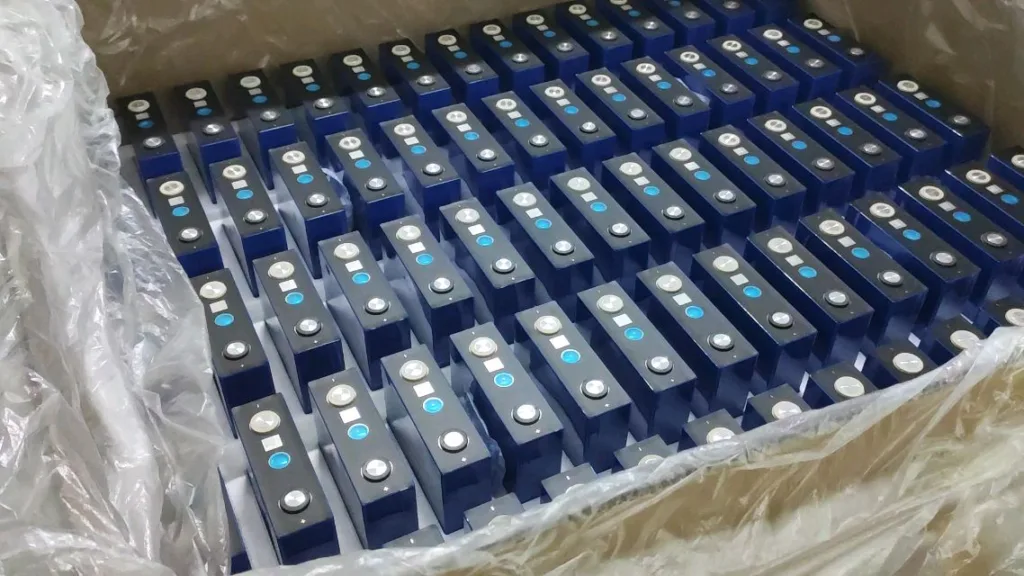
Conclusión
Elegir una batería doméstica se trata deseguridad, longevidad, y valor total.
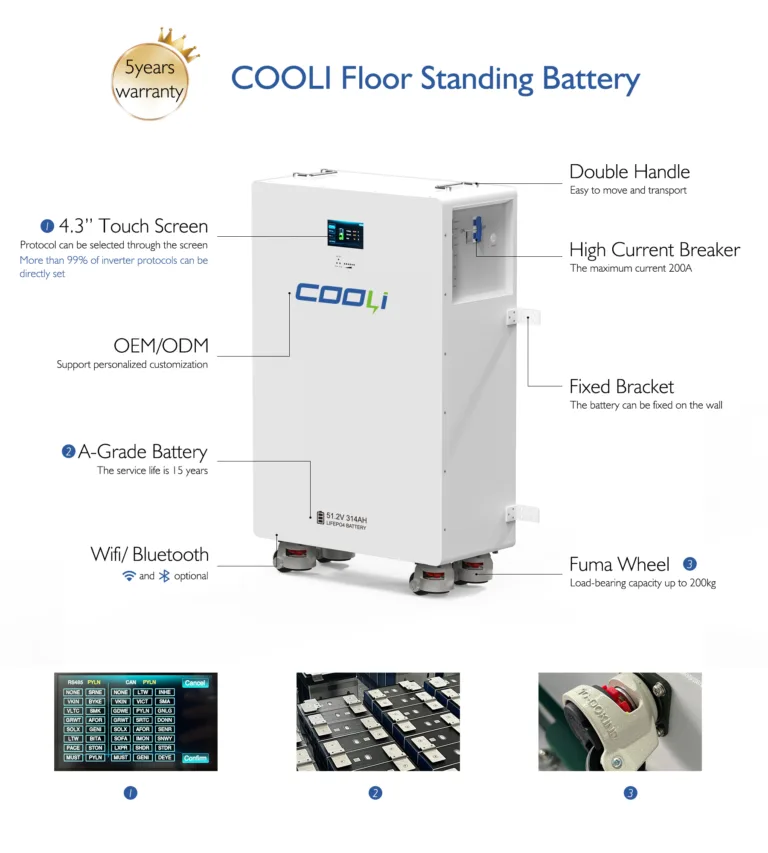
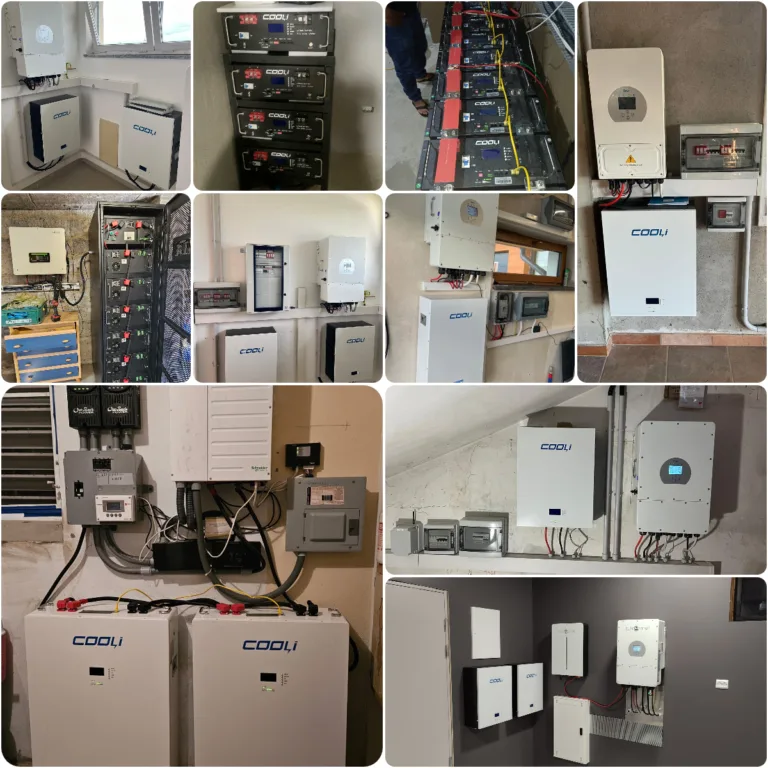
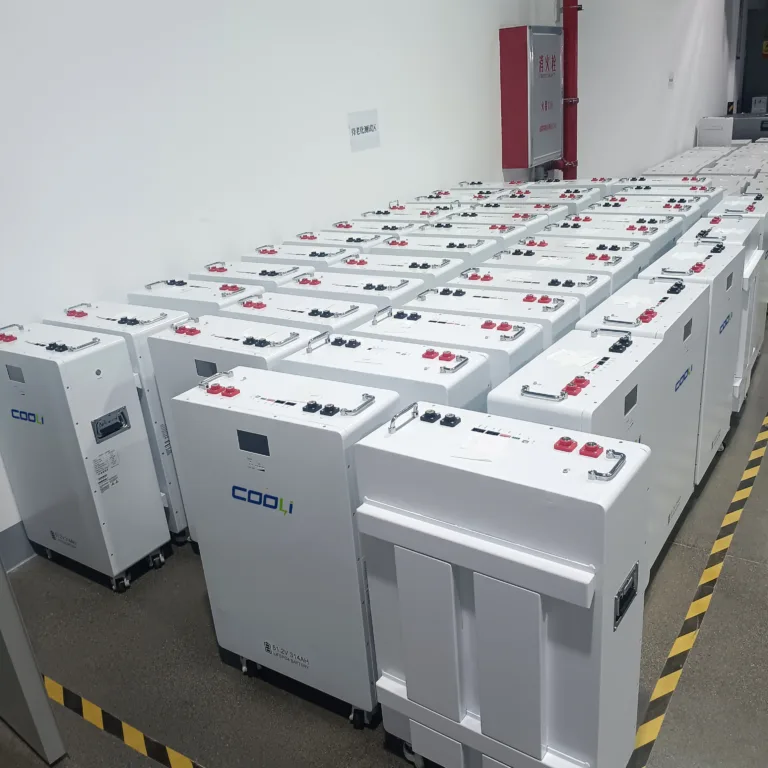
- Elija LiFePO4 por un más seguro, sistema de almacenamiento de energía doméstico más duradero. Es el caballo de batalla confiable diseñado para alimentar su hogar de manera segura durante décadas.. Marcas de baterías domésticas más reputadas (como Panel de energía Tesla, RESUMEN LG, COOLI,y muchos otros) ahora utilizan cada vez más la química LiFePO4 por estas mismas razones.
- Estándar Iones de litio (NMC) puede tener un precio de etiqueta más bajo, pero su vida útil más corta y mayores riesgos de seguridad lo convierten en una opción menos óptima para un permanente, instalación doméstica estacionaria.
Para propina: Al comprar, mirar más allá de lo general “iones de litio” etiqueta. Siempre revisa elquímica específica. Fabricantes orgullosos de su seguridad, Las baterías de larga duración se anunciarán de forma destacada. “LiFePO4” o “LFP” tecnología.

Un comentario