
50% Caída de costos!El avance de las baterías en África: Baterías de segunda vida
Liberar el futuro energético de África: El papel de Baterías de segunda vida en Desarrollo Sostenible
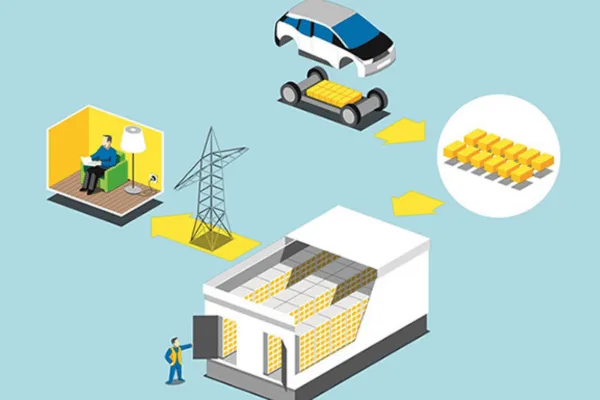
Mientras África enfrenta crecientes demandas energéticas, Baterías de segunda vida (o baterías en cascada) — reutilizado a partir de un vehículo eléctrico retirado (vehículo eléctrico) baterías: están surgiendo como una solución rentable y ecológica. con más 600 Millones de personas carecen de acceso fiable a la electricidad. (Banco mundial, 2023) y la adopción de energías renovables se acelera, Las baterías en cascada podrían cerrar la brecha entre la pobreza energética y la sostenibilidad.. Este artículo explora cómo África puede aprovechar esta tecnología para desbloquear la economía., ambiental, y valor social.
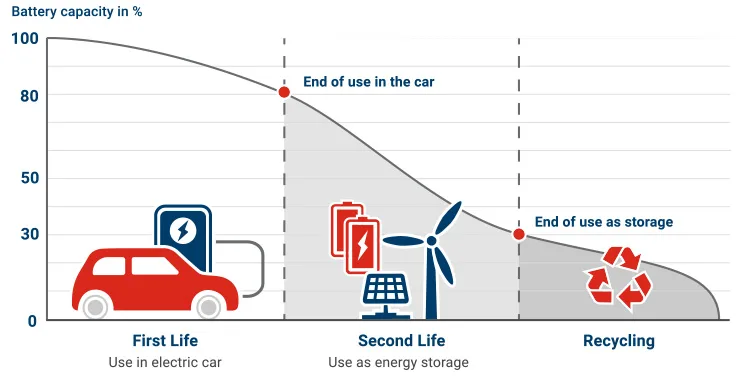
Por qué las baterías de segunda vida se adaptan al contexto de África?
- Almacenamiento de energía rentable
- Costos iniciales más bajos: Las baterías en cascada son 30–50% más barato que las nuevas baterías de iones de litio (BNEF, 2022), fundamental para mercados con presupuesto limitado. Por ejemplo, Una microrred solar y de almacenamiento que utiliza baterías en cascada en Kenia redujo los costos de instalación en 40% (Estudio de caso del PNUD, 2022).
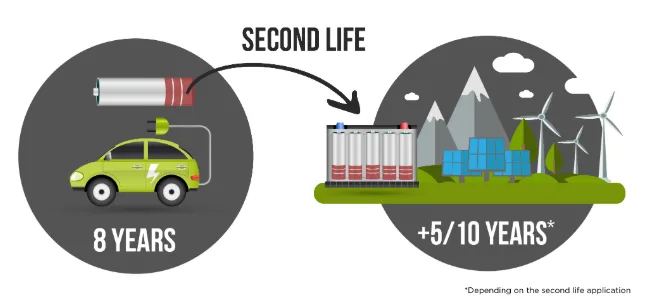
- Vida útil extendida: Baterías para vehículos eléctricos retiradas (80% capacidad) puede alimentar sistemas fuera de la red para 5–8 años, retrasar la compra de nuevas baterías. en Nigeria, Baterías para vehículos eléctricos reutilizadas procedentes de Europa apoyaron los sistemas solares de clínicas rurales, Reducir los costos de energía mediante $1,200/año por instalación (Informe de acceso a la energía, 2023).
- Integración de energías renovables
- El potencial solar de África es enorme (hasta 10 capacidad de tws), pero la inestabilidad de la red limita la adopción. Las baterías en cascada pueden almacenar el exceso de energía solar en 50% menor costo que los nuevos sistemas, habilitando 24/7 energía para hogares y empresas.
- Ejemplo: Los quioscos “SolarTurtle” de Sudáfrica utilizan baterías en cascada para proporcionar energía solar portátil a los municipios, servicio 3,000+ usuarios mensualmente a la mitad del coste de los generadores diésel.
- Reducir los desechos electrónicos y la contaminación
- Importaciones de África ~500,000 montones de aparatos electrónicos usados anualmente, con eliminación inadecuada contaminando el suelo y el agua. Las baterías en cascada retrasan la eliminación en vertederos 5–10 años, reducir los riesgos de fugas tóxicas.
- Reciclaje 1 tonelada de litio en cascada ahorra 15 toneladas de CO₂ vs. minería de litio nuevo (CON, 2020). Si 50% de las futuras baterías de vehículos eléctricos de África se reutilizan, podría prevenir 200,000 montones de residuos electrónicos por 2030 (Proyección del PNUMA).
- Creación de empleo e innovación local
- La renovación y el mantenimiento de las baterías podrían crear 50,000+ empleos en toda África por 2030 (Estimación del BAfD). Startups como la de Nigeria Reciclar y de Kenia acele ya están capacitando técnicos para probar y reutilizar baterías.
Aplicaciones clave en los mercados africanos
- Sistemas fuera de la red y minired
- Las baterías en cascada combinadas con energía solar fotovoltaica pueden alimentar aldeas remotas. En Ruanda, Un proyecto piloto que utiliza baterías del Nissan Leaf electrificadas 200 hogares en 30% menor costo que las alternativas diésel.
- Infraestructura de telecomunicaciones
- Las torres de telefonía móvil consumen 5–10kW diarios, a menudo dependen del diesel. Grupo MTN en Uganda reemplazado 500 Generadores diésel con sistemas de baterías solares+en cascada., Reducir los costos de combustible mediante 70% y emisiones de CO₂ por 4,000 toneladas/año.
- Productividad Agrícola
- Los sistemas de riego alimentados por energía solar con baterías en cascada permiten a los pequeños agricultores aumentar los rendimientos. Un proyecto ghanés informó 40% mayor producción de cultivos después de adoptar tales sistemas.
- Movilidad Urbana
- Las baterías de vehículos eléctricos retiradas pueden alimentar motos y rickshaws eléctricos. de Kenia Deambular eléctrico utiliza baterías en cascada para reducir los costos de las bicicletas eléctricas 25%, apuntar 10,000 unidades por 2025.
Desafíos y Soluciones
- Barreras técnicas
- Heterogeneidad de la batería: Marcas/modelos mixtos de baterías complican la reutilización.
Solución: Asociaciones con fabricantes de automóviles globales (p.ej., BMW, BYD) para estandarizar los diseños de baterías.
- Heterogeneidad de la batería: Marcas/modelos mixtos de baterías complican la reutilización.
- Falta de infraestructura de pruebas
- Solo 5% de los países africanos tienen instalaciones para evaluar el estado de la batería (SOL).
Solución: Unidades de prueba móviles y herramientas de diagnóstico basadas en IA (p.ej., de Kenia Laboratorios Stima).
- Solo 5% de los países africanos tienen instalaciones para evaluar el estado de la batería (SOL).
- Brechas políticas
- La mayoría de los países carecen de regulaciones para baterías de segunda vida..
Solución: Adoptar marcos como el Pasaporte de Baterías de la UE, que rastrea el historial de la batería.
- La mayoría de los países carecen de regulaciones para baterías de segunda vida..
- Conciencia del consumidor
- Persisten conceptos erróneos sobre la seguridad de las baterías “usadas”.
Solución: Programas de certificación y demostraciones dirigidas por la comunidad..
- Persisten conceptos erróneos sobre la seguridad de las baterías “usadas”.
Historias de éxito
- La iniciativa “Light-Up Lagos” de Nigeria
- Se implementaron baterías en cascada de vehículos eléctricos chinos para alimentar el alumbrado público, reducir la dependencia de la red mediante 60% y ahorrando $2 millones/año en costos de energía.
- La planta solar Noor de Marruecos
- Baterías integradas en cascada para almacenar el exceso de energía solar, estabilizar la producción y servir 1 millones de personas durante la demanda máxima.
- Asociación Eskom de Sudáfrica
- A 20 Sistema de almacenamiento de baterías en cascada MWh (usando baterías BMW i3) Soporta regulación de frecuencia de red., ahorro $5 millones/año en costos de respaldo impulsados por carbón.
Perspectivas futuras
Por 2030, El mercado de baterías en cascada de África podría superar$2 mil millones, impulsado por:
- Adopción de vehículos eléctricos: Se prevé que la flota de vehículos eléctricos de África crezca 15% anualmente (Helada & sullivan, 2023), creando un suministro constante de baterías retiradas.
- Impulso político: La Unión Africana 2030 Marco de energía sostenible prioriza soluciones de economía circular.
- Innovación tecnológica: Las empresas emergentes están desarrollando plataformas blockchain para rastrear el estado y la propiedad de la batería, mejorar la confianza.
Conclusión
Las baterías de segunda vida ofrecen a África una triple victoria: acceso a energía asequible, reducción del daño ambiental, y crecimiento económico local. Para escalar esta solución, Las partes interesadas deben colaborar en la estandarización., fondos, y conciencia. Al convertir los “residuos” en riqueza, África puede liderar la transición global hacia una economía energética circular.
Si necesitas alguno, por favor Contáctenos
Fuentes de datos: Banco mundial, PNUMA, BloombergNEF, BAfD, PNUD, CON, Helada & sullivan.
10Baterías LiFePO4 kWh 10Costos de las baterías solares kWh en Myanmar 25Sistemas de baterías kWh Todo en uno Contenedor BESS 4MWh Arabia Saudita BESS Fabricante China La batería doméstica más barata Soluciones BESS de China China DDP al por mayor Baterías LiFePO4 de fábrica de China BESS a escala de red de China Proveedores chinos del OEM Almacenamiento de baterías comerciales Kenia Soluciones DC ESS Solución DDP directa a la República Democrática del Congo Dirigir China a África Batería directa de China a África batería de almacenamiento de energía Sistemas de almacenamiento de energía Líderes mundiales en baterías de litio Batería de grado A Proveedor de almacenamiento de baterías a escala de red Baterías domésticas para familias holandesas almacenamiento de energía en el hogar BESS industrial Kenia Plomo-ácido vs.. Baterías de iones de litio LiFePO4 Baterías LiFePO4 Baterías LiFePO4 en Sudáfrica Batería LifePo4 Tecnología de batería LifePO4 Distribuidor de LiFePO4 en Irak LiFePO4 ESS Kenia Batería de iones de litio batería de iones de litio Precios más bajos Tendencias del mercado Gabinete de refrigeración líquida para exteriores Adquisición saudita de LiFePO4 Soluciones BESS escalables para la industria Paneles solares sistema solar Apilamiento todo en uno Venta al por mayor Baterías solares LiFePO4 Venta al por mayor Baterías solares

Un comentario