راهنمای نهایی باتری های LiFePO4: همه چیزهایی که باید بدانید
مقدمه ای بر فناوری LiFePO4
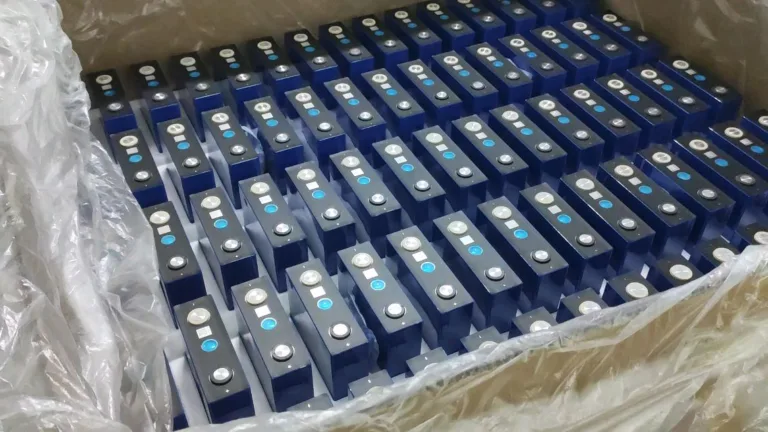
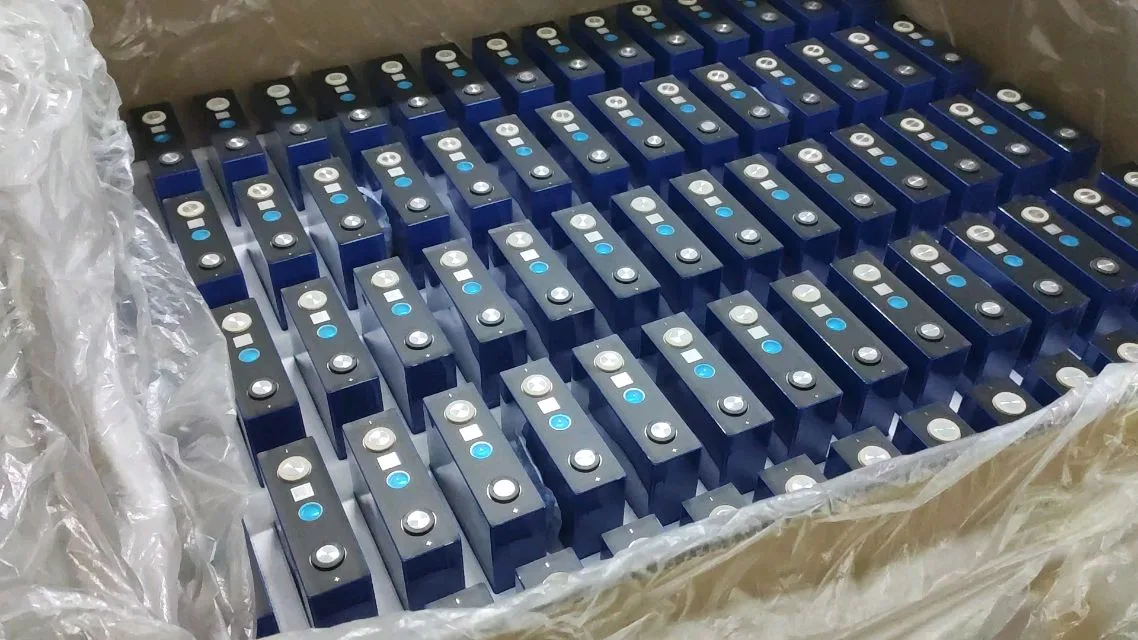
LiFePO4 (لیتیوم فسفات آهن) باتری ها نشان دهنده یک پیشرفت در ذخیره سازی انرژی قابل شارژ هستند. برخلاف شیمی لیتیوم یون سنتی (به عنوان مثال, بر پایه کبالت), LiFePO4 از یک پایدار استفاده می کندساختار کریستالی الیوین که ذاتا در برابر فرار حرارتی مقاومت می کند, آن را به یکی از ایمن ترین انواع باتری های لیتیومی در دسترس تبدیل کرده است. این شیمی عمر چرخه ای استثنایی را ارائه می دهد, مزایای زیست محیطی, و عملکرد قوی در کاربردهای مختلف - از وسایل نقلیه الکتریکی گرفته تا ذخیره انرژی خانگی.
1. مزایای اصلی باتری های LiFePO4
- طول عمر استثنایی:
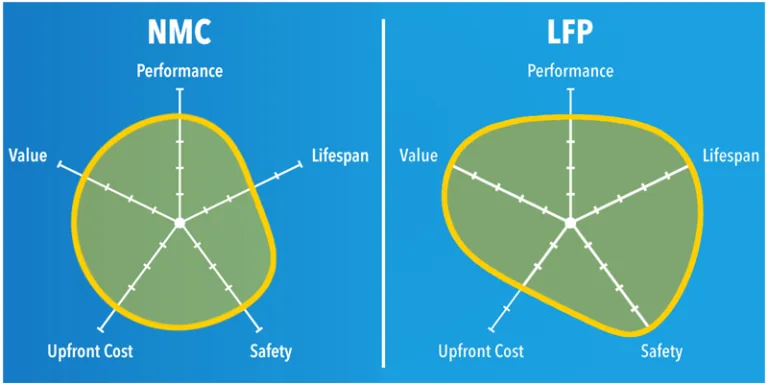
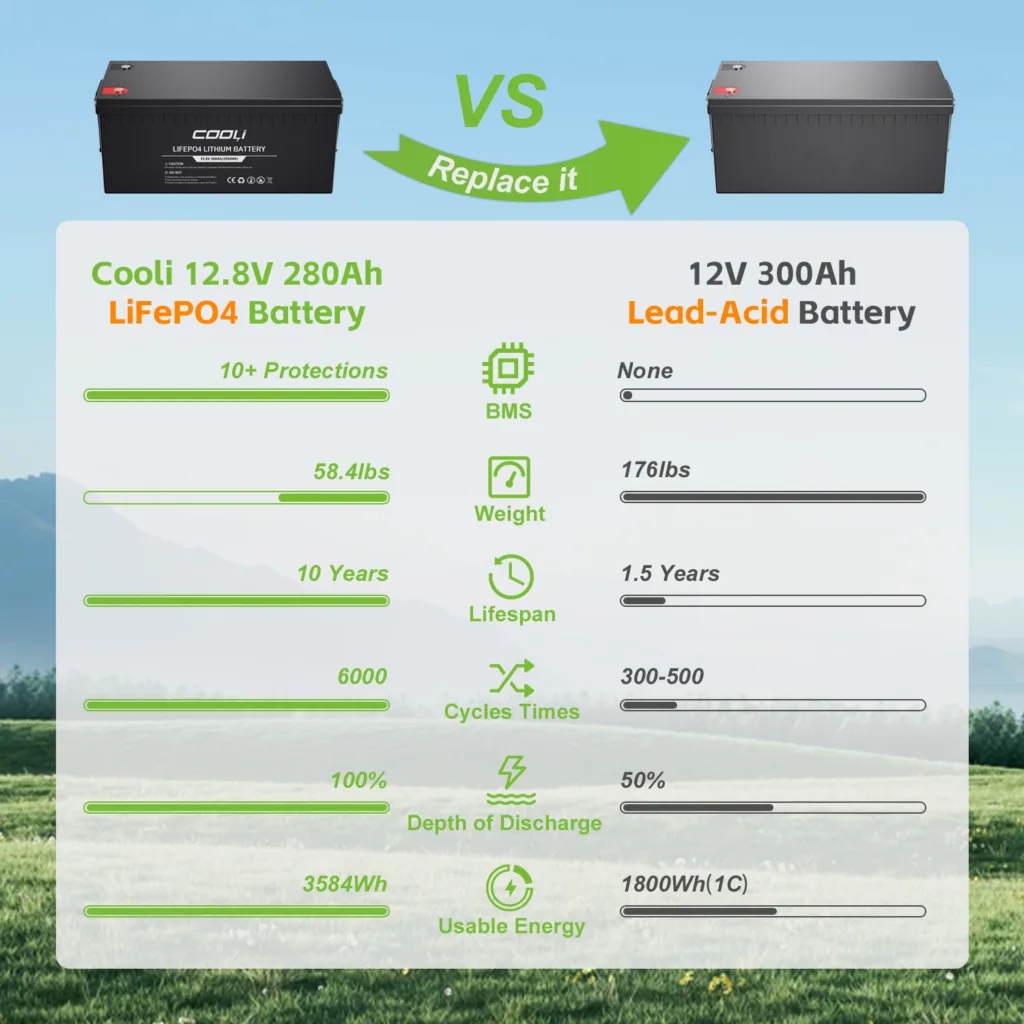
با3,000-6000 چرخه در 80% عمق تخلیه (وزارت دفاع), باتری های LiFePO4 عملکرد بهتری از سرب اسید دارند (300-500 چرخه) و باتری های لیتیوم یون استاندارد. به درستی نگهداری شود, آنها می توانند دوام بیاورند7-10 سال- 4 برابر طولانی تر از جایگزین های اسید سرب. - ایمنی پیشرفته:
پیوند آهن و فسفات تا پایان ثابت می ماند500درجه سانتی گراد, حذف خطرات انفجار در هنگام شارژ بیش از حد, اتصال کوتاه, یا آسیب فیزیکی. این باعث می شود LiFePO4 با استانداردهای ایمنی سختگیرانه مانندExic IIB T4 Gc. - عملکرد بالا در شرایط فوق العاده:
- بین عمل می کند-20درجه سانتی گراد تا 60 درجه سانتی گراد با حداقل افت ظرفیت (به عنوان مثال, 70% حفظ ظرفیت در -40 درجه سانتیگراد).
- پشتیبانی می کندشارژ سریع (تا نرخ 2C), رسیدن 100% ظرفیت در 40 دقیقه با شارژر سازگار.
- سازگار با محیط زیست:
فاقد کبالت سمی است, منجر شود, یا کادمیوم. به دست می آورد95% قابلیت بازیافت و ردپای کربن را کاهش می دهد 40% در مقایسه با باتری های سرب اسیدی.
2. ولتاژ & ویژگی های ظرفیت
سلول های LiFePO4 دارای ولتاژ اسمی هستند3.2V. تنظیمات برای برآوردن نیازهای سیستم مقیاس می شوند:
| ولتاژ سیستم | شارژ کامل (V) | 20% وزارت دفاع (V) | 0% ظرفیت (V) |
|---|---|---|---|
| 12V | 14.6 | 12.8 | 10.0 |
| 24V | 29.2 | 25.6 | 20.0 |
| 48V | 58.4 | 51.2 | 40.0 |
نکات کلیدی:
- از تخلیه زیر خودداری کنید2.5V در هر سلول (به عنوان مثال, 10V برای سیستم های 12 ولت) برای جلوگیری از آسیب های جبران ناپذیر.
- ولتاژ استراحت (بعد از 30+ دقیقه بیکار) دقیق ترین حالت شارژ است (SoC) نشانگر.
3. به حداکثر رساندن طول عمر: بهترین شیوه های تعمیر و نگهداری
- مدیریت شارژ:
- محدوده ایده آل: حفظ کنید20-80٪ SoC در طول استفاده روزانه. اجتناب کنید 100% شارژ کامل مگر در موارد ضروری.
- محدودیت های ولتاژ: از شارژرهای مخصوص LiFePO4 با قطع ولتاژ در استفاده کنید3.65V/cell (14.6V برای سیستم های 12 ولت).
- کنترل دما:
- ذخیره/عملکرد بین0درجه سانتی گراد تا 45 درجه سانتی گراد (32درجه فارنهایت تا ۱۱۳ درجه فارنهایت). زیر 0 درجه سانتیگراد, آبکاری لیتیوم رخ می دهد; بالای 45 درجه سانتی گراد, تخریب تسریع می یابد.
- از ترشحات عمیق خودداری کنید:
هرگز زیر را تخلیه نکنید20% SoC (3.0V/cell). تخلیه عمیق تر باعث از دست دادن دائمی ظرفیت می شود. - پروتکل ذخیره سازی:
- فروشگاه در30-50% SoC در یک خشک, 15-25 درجه سانتی گراد محیط زیست. هر بار شارژ کنید 6 ماه ها برای جلوگیری از ترشح بیش از حد.
4. نصب و راه اندازی & نکات پیکربندی
- سریال در مقابل. اتصالات موازی:
- سری: ولتاژ را افزایش می دهد (به عنوان مثال, 4x 12 ولت = 48 ولت). نیاز داردباتری های یکسان و الفمتعادل کردن BMS برای جلوگیری از رانش ولتاژ.
- موازی: ظرفیت را افزایش می دهد (به عنوان مثال, 4x 100Ah = 400Ah). از کابل های استفاده کنیدطول یکسان / AWG برای اطمینان از جریان های متعادل.
- مراحل حیاتی ایمنی:
- ایمن ترمینال ها باآچارهای گشتاور (12– 15 نیوتن متر) to avoid loose connections.
- Clean terminals regularly with awire brush to prevent corrosion-induced resistance.
- Always integrate aسیستم مدیریت باتری (BMS) برای نظارت بر ولتاژ, دما, و جاری.
5. Top Applications
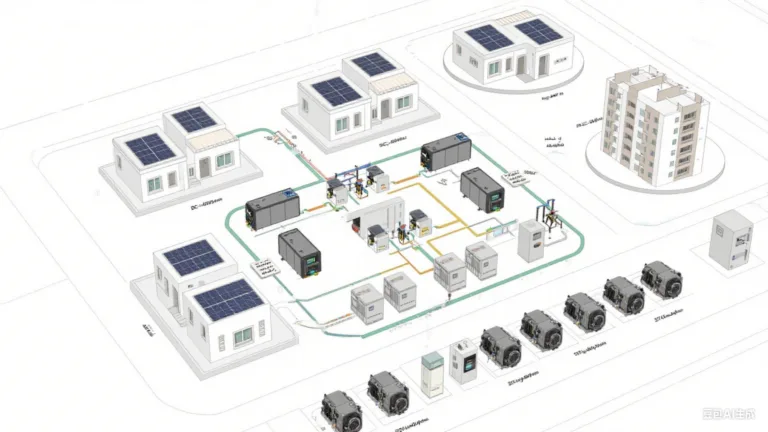
- ذخیره سازی انرژی های تجدیدپذیر: Ideal for solar/wind systems due to high DoD tolerance and 10+ طول عمر سال.
- وسایل نقلیه الکتریکی: Used in EVs, چرخ دستی های گلف, and forklifts for high current delivery (up to 10C) and fast charging.
- Marine/RVs: Resistant to vibration, requires no ventilation, and operates safely in confined spaces.
- قدرت پشتیبان: Replaces lead-acid in UPS systems with 50% weight reduction and 2x energy density.
6. Comparison with Other Batteries
| پارامتر | LiFePO4 | سرب-اسید | Standard Li-ion |
|---|---|---|---|
| چرخه زندگی | 3,000–5,000 | 300–500 | 500–1,000 |
| چگالی انرژی | 90-120 وات بر کیلوگرم | 30– 50 وات بر کیلوگرم | 150– 200 وات بر کیلوگرم |
| Cost Over 10 سالها | $$$ | $$$$ | $$$$ |
| ایمنی | عالی | خوب | متوسط |
7. Troubleshooting Common Issues
- Capacity Fade: Caused by deep discharges or high-temperature storage. Recalibrate with a full charge/discharge cycle.
- Voltage Imbalance: In series configurations, از یک BMS با متعادل کننده فعال برای یکسان سازی ولتاژ سلول استفاده کنید.
- تورم/نشتی: فورا باتری را ایزوله کنید. اغلب ناشی از آسیب فیزیکی یا شارژ بیش از حد مزمن است.
آینده فناوری LiFePO4
نوآوری ها بر افزایش چگالی انرژی تمرکز دارند (>160 ساعت بر کیلوگرم) و کاهش هزینه ها از طریقهیبریدهای یون سدیم. با تشدید الزامات پایداری, پیش بینی می شود که LiFePO4 غالب باشد 70% از بازارهای EV و شبکه ذخیره سازی توسط 2030.
برای نکته: برای سیستم های خورشیدی, LiFePO4 را باکنترلرهای MPPT (به عنوان مثال, 14.6جذب V برای باتری های 12 ولت) برای بهینه سازی برداشت و جلوگیری از اضافه بار.
باتری های LiFePO4 ایمنی ادغام می شوند, طول عمر, و بهره وری زیست محیطی - آنها را به سنگ بنای ذخیره سازی انرژی مدرن تبدیل می کند. با رعایت محدودیت های ولتاژ, دستورالعمل های دما, و بهترین شیوه های دوچرخه سواری, کاربران چندین دهه عملکرد قابل اعتماد را باز می کنند.