باتری دیواری در مقابل رک: 7 حقایق وحشیانه که خریداران باید بدانند
باتری دیواری در مقابل رک: کدام راه حل ذخیره انرژی برای نیازهای شما برنده می شود?
اگر در حال تحقیق در مورد ذخیره انرژی برای سیستم های خورشیدی هستید, تنظیمات خارج از شبکه, یا قدرت پشتیبان, احتمالاً با دو گزینه کلیدی روبرو شده اید: باتری های دیواری و باتری های رک سرور. هر دو طرفداران وفادار دارند, اما کدام یک مناسب است شما نیاز دارد? بیایید سر و صدا را کاهش دهیم و حقایق نامطلوب در مورد این دو نوع باتری را فاش کنیم.
باتری دیواری چیست؟?
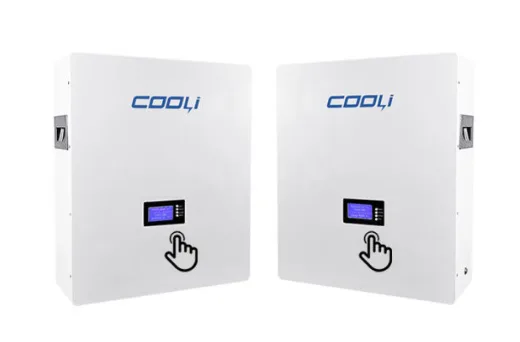
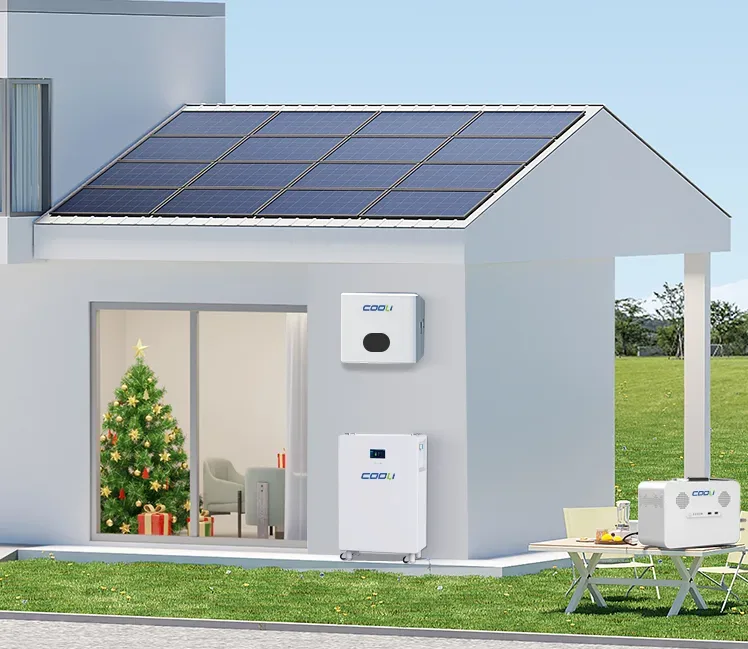
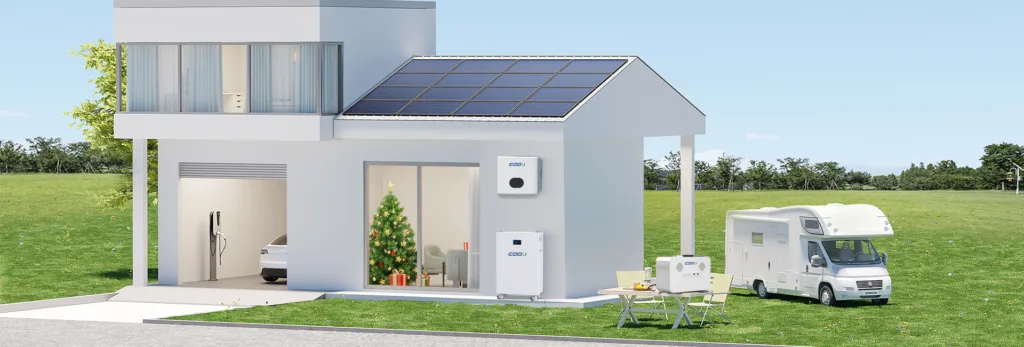
آباتری دیواری جمع و جور است, واحد ذخیره انرژی عمودی نصب شده برای صرفه جویی در فضای کف طراحی شده است. این سیستم ها به دلیل شیک بودن در محیط های مسکونی و تجاری کوچک محبوب هستند, طراحی همه در یک. به برندهایی مانند Tesla Powerwall یا LG Chem RESU فکر کنید—این برندها اغلب به عنوان راه حل های «plug-and-play» برای صاحبان خانه به بازار عرضه می شوند..
ویژگی های کلیدی باتری های دیواری:
- طراحی صرفه جویی در فضا: مستقیماً روی دیوار نصب می شود.
- اجزای یکپارچه: اینورترهای داخلی, سیستم های خنک کننده, و نظارت.
- جذابیت زیبایی شناختی: محتاطانه, ظاهر مدرن.
- ظرفیت کمتر: به طور معمول 5-15 کیلووات ساعت در هر واحد.
رک باتری چیست؟?
آباتری رک سرور (یا باتری قفسه ای) مدولار است, سیستم مقیاس پذیر که برای قرار گرفتن در رک های سرور استاندارد طراحی شده است. اینها معمولاً در مراکز داده استفاده می شوند, مزارع خورشیدی در مقیاس بزرگ, و کاربردهای تجاری/صنعتی. به عنوان مثال می توان به مارک هایی مانند BYD Battery-Box یا Fortress Power's eVault اشاره کرد.
ویژگی های کلیدی باتری های رک:
- مقیاس پذیری مدولار: برای ظرفیت بیشتر، چندین باتری را در یک قفسه قرار دهید.
- دوام در حد صنعتی: برای دوچرخه سواری سنگین و طول عمر طولانی ساخته شده است.
- گسترش مقرون به صرفه: با افزایش نیازها واحدها را به تدریج اضافه کنید.
- ظرفیت بالاتر: سیستم ها می توانند فراتر بروند 100 کیلووات ساعت وقتی منبسط شود.
دیوار در مقابل رک باتری: 7 حقایق بی رحمانه
بیایید عوامل مهمی را که می توانند تصمیم شما را به وجود آورند یا شکسته سازند، تجزیه و تحلیل کنیم:
1. فضای نصب & انعطاف پذیری
- باتری دیواری: ایده آل برای فضاهای تنگ (به عنوان مثال, گاراژها, اتاق های ابزار کوچک). با این حال, قرار دادن پس از نصب ثابت می شود.
- رک باتری: به فضای کف برای قفسه نیاز دارد اما پیکربندی انعطاف پذیری را ارائه می دهد. برنده مقیاس پذیری.
2. هزینه اولیه در مقابل ارزش بلند مدت
- باتری دیواری: هزینه اولیه کمتر (~ 7000 تا 15000 دلار) اما گزینه های گسترش محدود است.
- رک باتری: سرمایه گذاری اولیه بالاتر برای قفسه و قطعات اما ارزان تر در هر کیلووات ساعت در طول زمان. برنده بازگشت سرمایه طولانی مدت.
3. ظرفیت & نیازهای انرژی
- باتری دیواری: بهترین برای استفاده روزانه در منزل (به عنوان مثال, جبران نرخ های اوج, قطعی های کوتاه).
- رک باتری: ساخته شده برای سناریوهای با تقاضای بالا (به عنوان مثال, زندگی خارج از شبکه, پشتیبان گیری تجاری). برنده برای تقاضای انرژی بالا.
4. تعمیر و نگهداری & تعمیرات
- باتری دیواری: واحدهای مهر و موم شده به معنای حداقل تعمیر و نگهداری است اما در صورت خرابی یک قطعه، جایگزینی پرهزینه است.
- رک باتری: ماژول های فردی را می توان تعویض کرد, کاهش زمان خرابی. برنده برای قابلیت تعمیر.
5. طول عمر و دوام
- باتری دیواری: 10-15 سال (بسته به برند و استفاده متفاوت است).
- رک باتری: اغلب 15 تا 20 سال به دلیل سلول های صنعتی و قطعات قابل تعویض. برنده برای طول عمر.
6. زیبایی شناسی در مقابل عملکرد
- باتری دیواری: یکپارچه با خانه ها ترکیب می شود.
- رک باتری: نگاهی سودمند است اما عملکرد را در اولویت قرار می دهد. برنده به اولویت ها بستگی دارد.
7. ایمنی & خنک کننده
- باتری دیواری: سرمایش غیرفعال ممکن است در محیط های با گرمای زیاد مشکل داشته باشد.
- رک باتری: سیستم های خنک کننده فعال در قفسه ها دمای پایدار را تضمین می کنند. برنده مدیریت حرارتی.
چه کسی باید کدام را انتخاب کند?
- باتری های دیواری برای شما هستند اگر:
- شما صاحب خانه ای با فضای محدود هستید.
- شما سادگی و زیبایی شناسی را در اولویت قرار می دهید.
- نیاز روزانه شما به انرژی کمتر است 20 کیلووات ساعت.
- باتری های رک برای شما هستند اگر:
- شما به فضای ذخیره سازی مقیاس پذیر نیاز دارید (به عنوان مثال, آرایه خورشیدی در حال رشد).
- شما خارج از شبکه هستید یا برای سیستم های حیاتی نیاز به پشتیبان دارید.
- هزینه به ازای هر کیلووات ساعت و قابلیت اطمینان بلندمدت از اولویتهای اصلی هستند.
خط پایین
هیچ گزینه جهانی "بهتر" وجود ندارد - فقط برای چیزی که بهتر استشما وضعیت. باتری های دیواری در سادگی و کارایی فضا عالی هستند, در حالی که باتری های رک از نظر مقیاس پذیری و دوام غالب هستند. قبل از خرید, بپرسید:
- چقدر انرژی نیاز دارم اکنون در مقابل 5 سال ها?
- آیا می توانم بعداً ارتقا دهم؟, یا به یک سیستم مقاوم در برابر آینده نیاز دارم?
- آیا زیبایی شناسی مهمتر است یا عملکرد خام؟?
با سنجیدن این حقایق, از پشیمانی های پرهزینه جلوگیری می کنید و روی یک سیستم باتری سرمایه گذاری می کنید که واقعاً با اهداف شما همسو باشد.
برای تصمیم گیری به کمک نیاز دارید? مورد استفاده خود را در نظرات به اشتراک بگذارید, و ما شما را به سمت انتخاب درست راهنمایی می کنیم!
10باتری های کیلووات ساعت LiFePO4 10هزینه باتری خورشیدی کیلووات ساعت در میانمار 25سیستم های باتری کیلووات ساعت همه در یک کانتینر BESS 4 مگاوات ساعت عربستان BESS سازنده چین ارزان ترین باتری خانگی راه حل های چین BESS عمده فروشی DDP چین باتری های LiFePO4 کارخانه چین چین شبکه مقیاس BESS تامین کنندگان OEM چینی ذخیره سازی باتری تجاری کنیا راه حل های DC ESS راه حل DDP مستقیم به DRC چین را به آفریقا هدایت کنید هدایت چین به آفریقا باتری باتری ذخیره انرژی سیستم های ذخیره انرژی رهبران جهانی باتری لیتیومی باتری درجه A تامین کننده ذخیره سازی باتری Grid-Scale باتری های خانگی برای خانواده های هلندی ذخیره انرژی خانه BESS صنعتی کنیا سرب-اسید در مقابل. باتری های لیتیوم یونی LiFePO4 باتری های LiFePO4 باتری های LiFePO4 در آفریقای جنوبی باتری LifePo4 فناوری باتری LifePO4 توزیع کننده LiFePO4 در عراق LiFePO4 ESS کنیا باتری لیتیوم یونی باتری لیتیوم یونی قیمت های پایین تر روندهای بازار کابینت خنک کننده مایع در فضای باز تهیه LiFePO4 عربستان راه حل های مقیاس پذیر BESS برای صنعت پنل های خورشیدی منظومه شمسی انباشتن همه کاره عمده فروشی باتری های خورشیدی LiFePO4 عمده فروشی باتری خورشیدی