
Lithium vs Lead-Acid Battery: Comprehensive Comparison & Buying Guide【2025】
The Complete Guide to Lithium vs Lead-Acid Battery
In energy storage, lithium-ion batteries jalead-acid batteries dominate the market. Whether for solar systems, electric vehicles, or industrial equipment, choosing the right battery type impacts performance, cost, and long-term efficiency. This article compares these two technologies acrosssyklin käyttöikä, lataustehokkuus, environmental adaptability, and safety, while addressing FAQs like “What is a sealed lead-acid battery?” and “Which is better?” to help you make informed decisions.
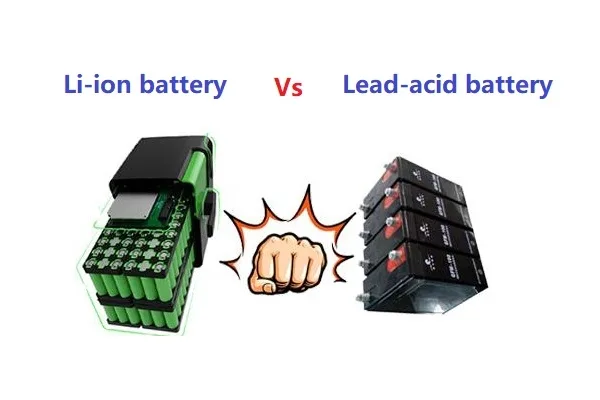
1. Core Differences Between Lead-Acid and Lithium Batteries
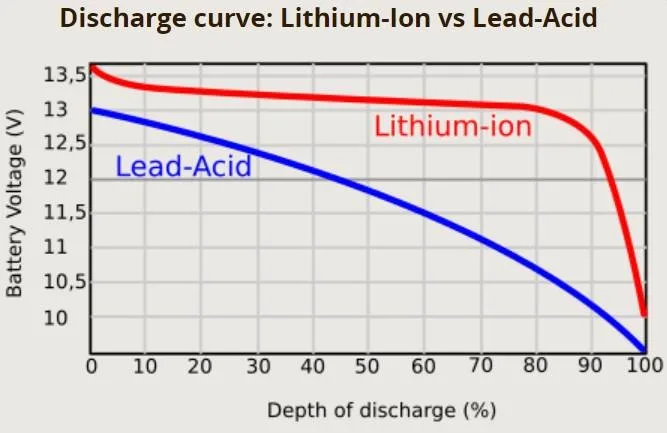
1.1 Cycle Life & Cost Efficiency
- Lithium-ion (esim., LiFePO4): 3,000–5,000 cycles, retaining 80%+ capacity after 2,000 syklit.
- Lead-Acid: 300–500 cycles, with capacity often dropping below 50% after 150 syklit.
- Cost Insight: Lithium’s upfront cost is 2–3× higher, but its lifespan reduces long-term expenses by 40–50%.
1.2 Charging Speed & Energy Efficiency
- Lithium: Charges in2–5 hours (99% efficiency); supports partial “opportunity charging.”
- Lead-Acid: Requires8–10 hours (50–80% efficiency) and must be fully discharged before recharging to avoid sulfation damage.
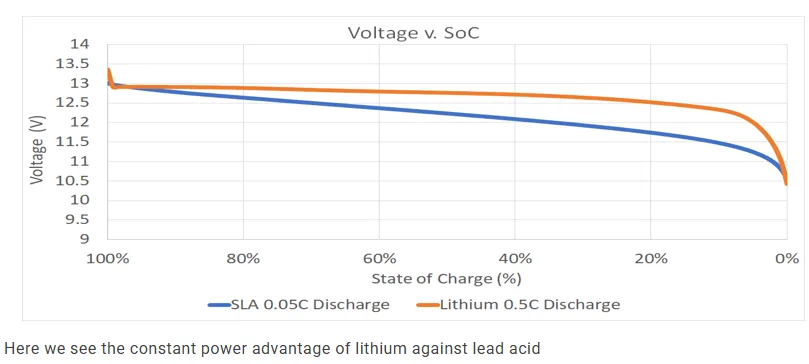
1.3 Temperature Tolerance
- High Heat: Lithium lasts 2× longer than lead-acid at 55°C (131°F).
- Low Temperatures:
- Lithium: Delivers 70% capacity at -18°C (0°F) but cannot charge below 0°C (32°F) without heating systems.
- Lead-Acid: Tarjoaa 45% capacity at -18°C and allows low-current charging in freezing conditions.
1.4 Paino & Space Efficiency
- Lithium has3× higher energy density, weighing 60% less. For example, a 48V/600Ah lithium pack weighs ~700 lbs vs. 1,800 lbs for lead-acid.
2. What Is a Sealed Lead-Acid Battery (VRLA)?
Valve-Regulated Lead-Acid (VRLA) paristot are maintenance-free with unique designs:
- Structure: Electrolyte is absorbed in AGM separators or gel, eliminating leaks.
- Turvallisuus: Pressure-relief valves prevent acid spills during overcharging.
- Applications: UPS systems, emergency lighting, medical devices (5–10-year lifespan).
3. Which Is Better? Key Applications Decoded
✅When to Choose Lithium Batteries
- High-Cycle Applications: Solar storage, forklifts (5,000+ cycles reduce replacements).
- Weight-Sensitive Uses: Matkailuautot, drones, marine applications.
- Extreme Environments: High-temperature warehouses or cold-chain logistics.
✅When Lead-Acid Batteries Shine
- Budget Constraints: Initial cost is 1/3–1/2 of lithium.
- Low-Maintenance Needs: VRLA batteries suit backup power systems.
- High-Vibration Settings: Robust construction for automotive starter batteries or heavy machinery.
4. Future Trends: Solid-State Lithium & Eco-Innovations
Emerging tech likesolid-state lithium-metal batteries (esim., Harvard’s 10,000-cycle prototype with 10–20-minute charging) jaaqueous batteries (eco-friendly, non-flammable) promise breakthroughs. However, challenges like dendrite growth and corrosion resistance remain.
5. Quick Comparison Table
| Factor | Lithium-Ion | Lead-Acid |
|---|---|---|
| Upfront Cost | High | Low |
| Lifetime Cost | Lower (long lifespan) | Higher (frequent replacement) |
| Charging Time | 2–5 hours | 8–10 hours |
| Temperature Range | -20°C–60°C (discharge) | -40°C–50°C (charge limited) |
| Eco-Friendliness | High (no lead) | Low (heavy metal pollution) |
Decision Guide: Opt forlithium for longevity, efficiency, and portability. Chooselead-acid for tight budgets or simple backup needs. For extreme conditions (esim., subzero charging), ensure battery management systems (BMS) are integrated.
Explore More:
With this detailed comparison, you’re equipped to select the optimal energy storage solution! 🔋
5kWh 5kWh:n vara-akku kotiin 10kWh LiFePO4-akut 16kWh LiFePO4-ratkaisut tukkukumppaneille All-in-One BESS Container 4MWh Saudi BESS Valmistaja Kiina Halvin kodin akku Kiina BESS Solutions Kiinan tehtaan LiFePO4-akut Kiinan Grid-Scale BESS Kaupallinen akkuvarasto Kenia DC ESS -ratkaisut DDP-ratkaisu suoraan DRC:hen Suora Kiina Afrikkaan Suora Kiinasta Afrikkaan -akku Kongon DR:n merentakainen varasto energiaa varastoitava akku Energian varastointijärjestelmät A-luokan akku Verkkokokoisten akkujen varastointitoimittaja Kotiparistot hollantilaisille perheille kodin energian varastointi Teollinen BESS Kenia LiFePO4 akut LiFePO4-akut Etelä-Afrikassa LifePo4 akku LiFePO4-akkujen valmistajat LifePO4-akkutekniikka LiFePO4 ESS Kenia Lithium-Ion-akku litiumioniakku Alemmat hinnat Alin hinta Uganda Markkinatrendit Off-Grid aurinkoparistot eurooppalaisiin koteihin Nestejäähdytyskaappi ulkokäyttöön Mullistaa Business Power mukautettavalla BESSillä Saudi LiFePO4 -hankinnat Skaalautuvat BESS-ratkaisut teollisuudelle Aurinkopaneeli aurinkokunta Pinoaminen All-in-One LiFePO4-aurinkoparistojen tukkumyynti Aurinkoparistojen tukkumyynti
2 Comments