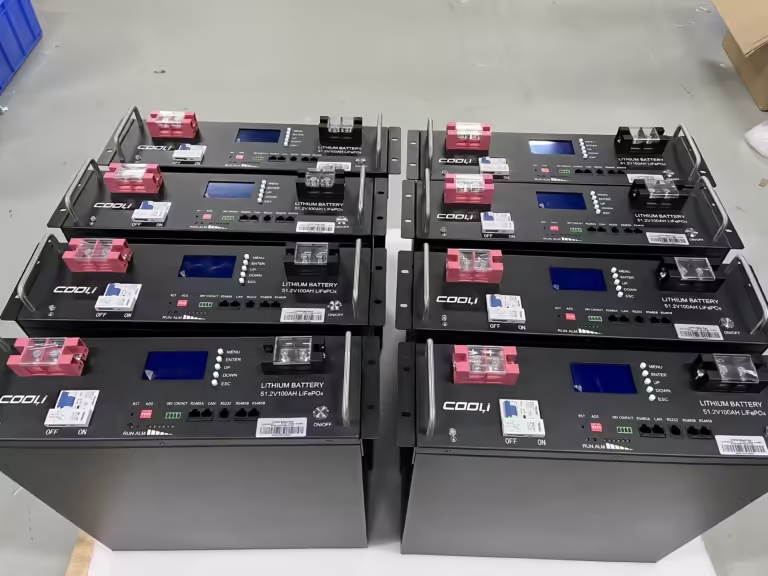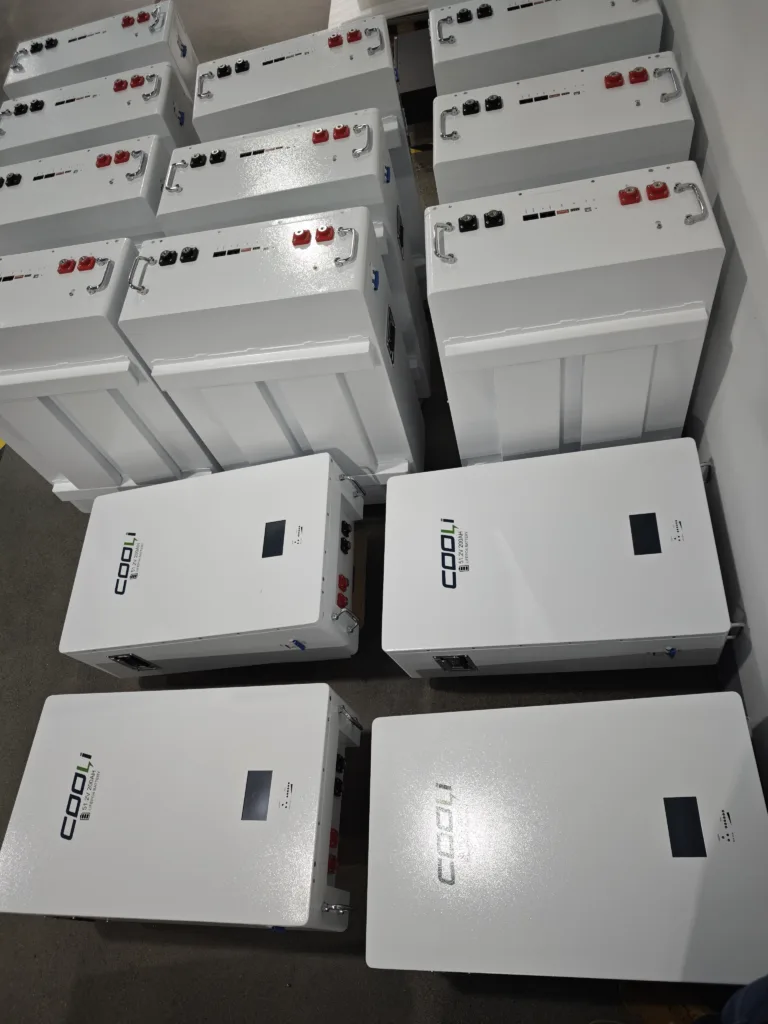
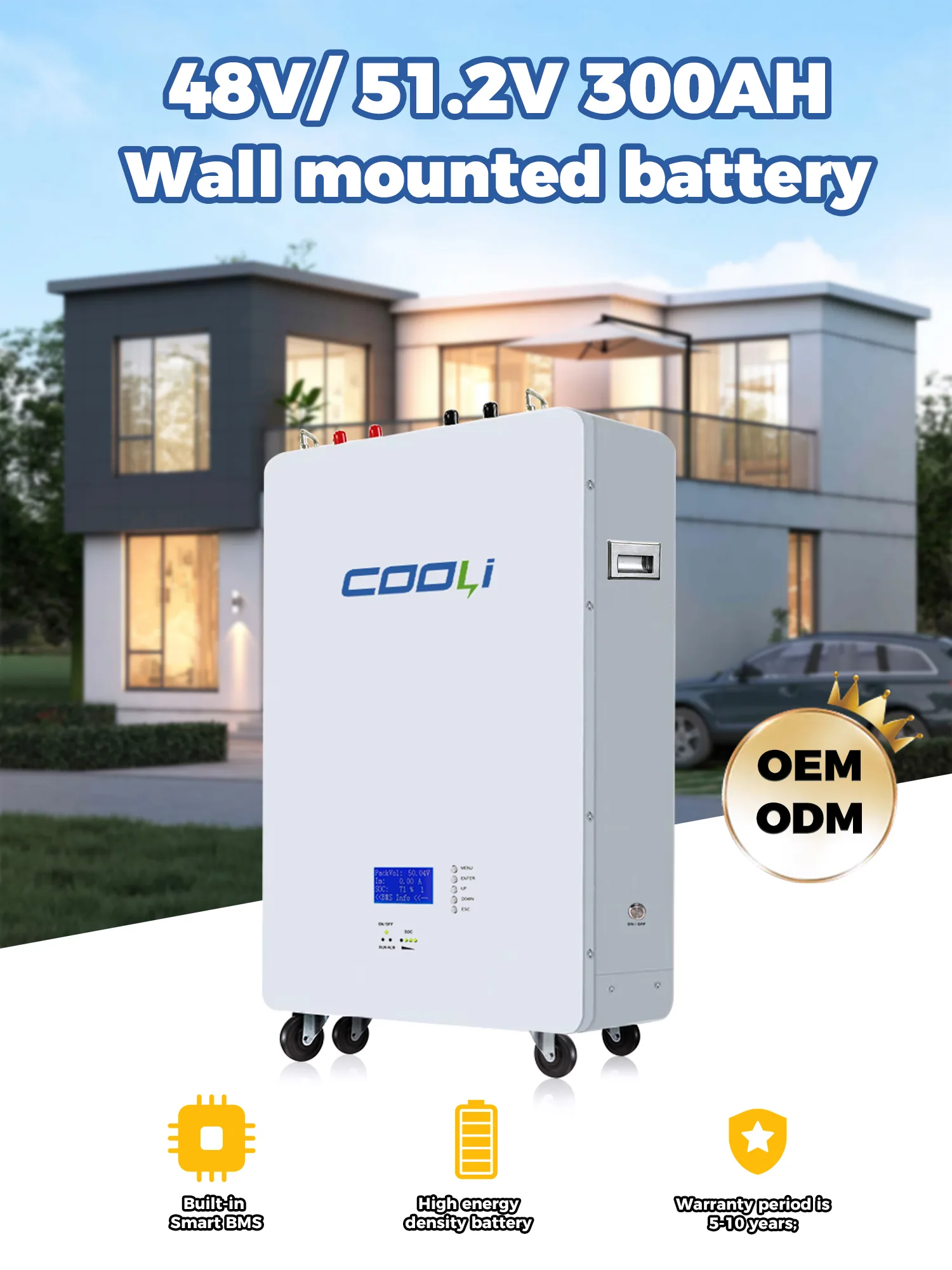
300Batterie LiFePO4: Réponses aux questions clés
Le300Batterie LiFePO4 Ah a gagné en popularité dans les systèmes d’énergie renouvelable, VR, applications marines, et les installations hors réseau en raison de sa grande capacité, sécurité, et longue durée de vie. Cependant, les utilisateurs ont souvent des questions sur ses performances, limites, et spécifications techniques. Cet article répond aux requêtes les plus courantes, fournir un guide complet aux acheteurs potentiels et aux passionnés.
1. Quels sont les inconvénients des batteries LiFePO4?
Tandis que LiFePO4 (Phosphate de fer et de lithium) les batteries sont réputées pour leur sécurité et leur durabilité, ils ont certaines limites:
- Densité énergétique inférieure: Comparé à d'autres produits chimiques lithium-ion (par ex., NMC ou LCO), LiFePO4 stocke moins d'énergie par unité de poids ou de volume, ce qui les rend plus volumineux pour les applications à haute énergie comme les smartphones ou les véhicules électriques.
- Coût initial plus élevé: Bien que rentable dans le temps en raison de sa longue durée de vie, les prix initiaux sont 2 à 3 fois plus élevés que ceux des batteries au plomb.
- Sensibilité à la température: Les performances diminuent par temps extrêmement froid (en dessous de -20°C) ou de la chaleur (au dessus de 60°C). Bien qu'ils tolèrent des plages plus larges que celles au plomb, une exposition prolongée à des températures élevées réduit la capacité.
- Chargement plus lent: LiFePO4 se charge généralement plus lentement que les autres variantes de lithium, nécessitant des chargeurs spécialisés pour éviter les dommages.
Malgré ces inconvénients, leursécurité (incombustible même sous contrainte) etCycle de vie (2,000–5 000+ cycles) les rendent idéaux pour le stockage solaire, VR, et alimentation de secours.
2. Combien de temps durera une batterie LiFePO4 de 300 Ah?
L’autonomie d’une batterie de 300 Ah dépend:
- Puissance de charge: Pour un appareil de 500 W, durée d'exécution = énergie de la batterie(kWh)/Puissance de charge(kW)
- Profondeur de décharge (Ministère de la Défense): Les batteries LiFePO4 peuvent se décharger en toute sécurité jusqu'à 80 à 90 % de DoD sans dégradation significative.
Exemple:
Une batterie LiFePO4 48V 300Ah stocke14.4 kWh (48V × 300Ah). À 80% Ministère de la Défense (11.5 kWh utilisables), alimenter une charge de 1 kW durerait environ 11,5 heures. Pour un réfrigérateur VR 300W, la durée d'exécution s'étend jusqu'à environ 38 heures.
3. Combien de kWh représente une batterie 48 V 300 Ah?
UN48Batterie LiFePO4 300Ah livre:
48V×300Ah=14 400Wh=14,4 kWh
Cette capacité convient aux applications à grande échelle comme les systèmes de stockage solaire ou les véhicules électriques. A titre de comparaison:
- Une batterie 12V 300Ah fournit3.84 kWh (12V × 300Ah).
- Tension plus élevée (par ex., 51.2V) les configurations améliorent l’efficacité dans les installations industrielles.
4. 25.6En contre. 51.2V: Quelle est la différence?
Les batteries LiFePO4 sont modulaires, permettant aux connexions en série d'atteindre des tensions plus élevées:
- 25.6V: Généralement une configuration à 8 cellules (8 × 3,2 V par cellule), utilisé dans des systèmes de taille moyenne comme des voiturettes de golf ou de petites installations solaires.
- 51.2V: Une configuration à 16 cellules, idéal pour les applications haute puissance telles que les racks de serveurs ou le stockage d'énergie commercial.
Considération clé: Une tension plus élevée réduit le courant, minimiser les pertes d'énergie dans le câblage et améliorer l'efficacité des grandes installations.

5. Le LiFePO4 est-il meilleur que les autres batteries au lithium?
LiFePO4 excelle danssécurité etlongévité mais est en retard en termes de densité énergétique par rapport au lithium-ion (Li-ion) variantes:
| Fonctionnalité | LiFePO4 | Li-ion traditionnel |
|---|---|---|
| Sécurité | Ininflammable, écurie | Risque d'emballement thermique |
| Cycle de vie | 2,000–5 000+ cycles | 500–1 000 cycles |
| Densité énergétique | 90–120 Wh/kg | 150–200 Wh/kg |
| Coût | Plus élevé dès le départ | Baisser dès le départ |
Idéal pour:
- LiFePO4: Stockage solaire, VR, marin, alimentation de secours.
- Li-ion: Electronique grand public, Véhicules électriques nécessitant une taille compacte.
6. Considérations clés pour les batteries LiFePO4 300 Ah
- GTC (Système de gestion de batterie): Assure une protection contre les surcharges, décharge excessive, et courts-circuits.
- Compatibilité: Utilisez des chargeurs spécifiques au LiFePO4 (par ex., 14.6V pour les systèmes 12V) pour éviter les dommages.
- Stockage: Conserver au frais avec une charge de 50 à 80 %, conditions sèches pour prolonger la durée de vie.
Conclusion
Le300Batterie LiFePO4 Ah est un choix robuste pour les appareils de grande capacité, besoins énergétiques à long terme, équilibrer la sécurité, et fiabilité. Bien qu’il présente des limites telles qu’une densité énergétique plus faible et des coûts initiaux plus élevés, ses avantages en termes de durée de vie et de stabilité thermique en font un concurrent de premier plan pour les énergies renouvelables et les applications hors réseau.
Pour des solutions sur mesure, explorez des produits comme leBatterie Lifepo4 300ah ou batteries modulaires pour rack serveur 48 V. Vérifiez toujours les spécifications auprès des fabricants pour qu’elles correspondent aux exigences de votre système.
10Batteries LiFePO4 kWh 10Coûts des batteries solaires en kWh au Myanmar 25Systèmes de batteries kWh Tout-en-un Conteneur BESS 4MWh Saoudien Fabricant BESS Chine Batterie domestique la moins chère Solutions BESS en Chine Chine DDP vente en gros Batteries LiFePO4 d'usine de Chine BESS à l’échelle du réseau chinois Fournisseurs OEM chinois Stockage de batteries commerciales au Kenya Solutions DC ESS Solution DDP directement en RDC Diriger la Chine vers l’Afrique Batterie directe de la Chine vers l’Afrique batterie de stockage d'énergie Systèmes de stockage d'énergie Leaders mondiaux des batteries au lithium Batterie de qualité A Fournisseur de stockage de batterie à l’échelle du réseau Batteries domestiques pour les familles néerlandaises stockage d'énergie domestique Industriel BESS Kenya Plomb-acide vs. Piles lithium-ion LiFePO4 Piles LiFePO4 Batteries LiFePO4 en Afrique du Sud Batterie LifePo4 Technologie de batterie LifePO4 Distributeur LiFePO4 en Irak LiFePO4 ESS Kenya Batterie lithium-ion Batterie aux ions lithium Des prix plus bas Tendances du marché Armoire de refroidissement liquide extérieure Achats saoudiens de LiFePO4 Solutions BESS évolutives pour l’industrie Panneaux solaires système solaire Empilage tout-en-un Batteries solaires LiFePO4 en gros Batteries Solaires Fabricants