Batteries murales ou en rack: 7 Vérités brutales que les acheteurs doivent savoir
Batteries murales ou en rack: Quelle solution de stockage d'énergie répond le mieux à vos besoins?
Si vous recherchez le stockage d’énergie pour les systèmes solaires, installations hors réseau, ou alimentation de secours, vous avez probablement rencontré deux options clés: batteries murales et batteries de rack de serveur. Tous deux ont de fidèles défenseurs, mais lequel est le bon pour ton besoins? Passons au bruit et révélons les vérités sans fard sur ces deux types de batteries.
Qu'est-ce qu'une batterie murale?
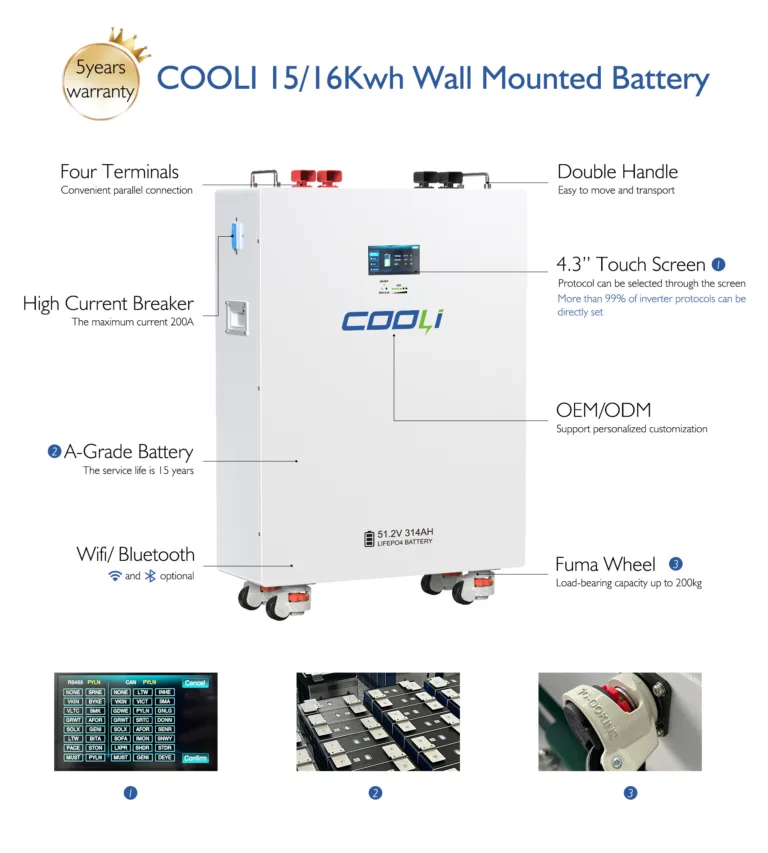
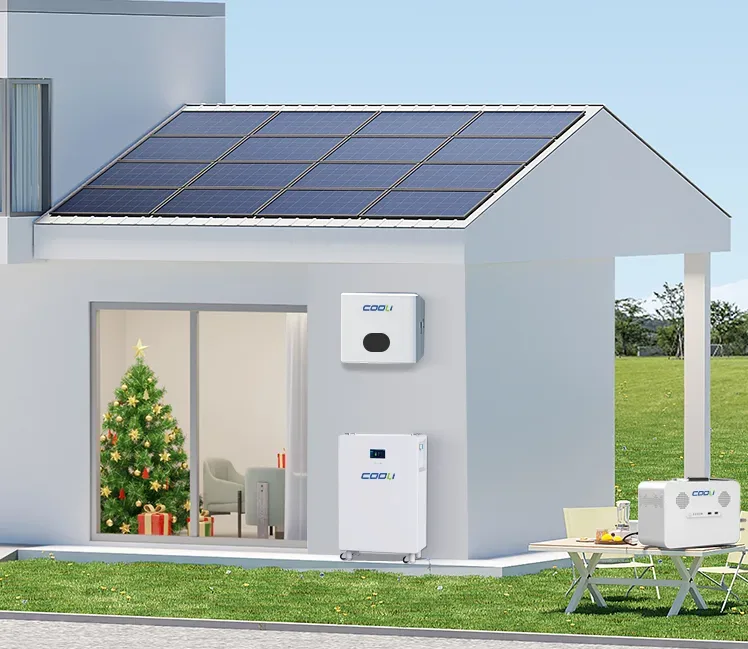
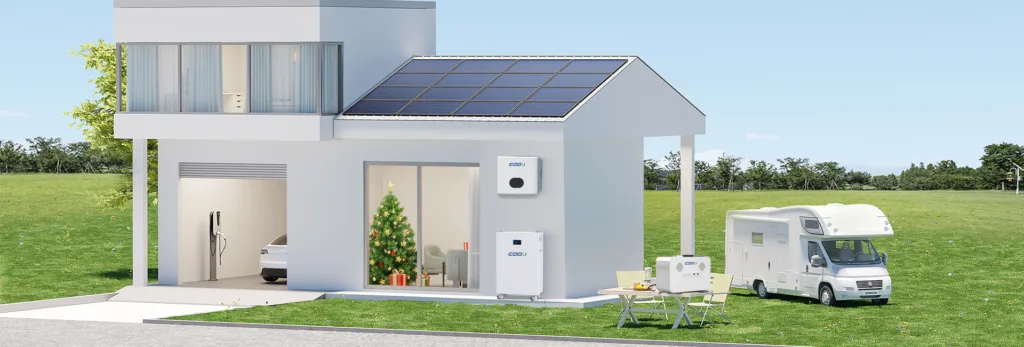
UNbatterie murale est un compact, unité de stockage d'énergie installée verticalement conçue pour économiser de l'espace au sol. Ces systèmes sont populaires dans les environnements résidentiels et les petits commerces en raison de leur aspect élégant., conception tout-en-un. Pensez à des marques comme Tesla Powerwall ou LG Chem RESU : elles sont souvent commercialisées comme des solutions « plug-and-play » pour les propriétaires..
Principales caractéristiques des batteries murales:
- Conception peu encombrante: Se monte directement sur un mur.
- Composants intégrés: Onduleurs intégrés, systèmes de refroidissement, et surveillance.
- Attrait esthétique: Discret, look moderne.
- Capacité inférieure: Généralement 5 à 15 kWh par unité.
Qu'est-ce qu'une batterie rackable?
UNbatterie de support de serveur (ou batterie montée en rack) est un modulaire, système évolutif conçu pour s'intégrer dans des racks de serveurs standardisés. Ceux-ci sont couramment utilisés dans les centres de données, fermes solaires à grande échelle, et applications commerciales/industrielles. Les exemples incluent des marques comme BYD Battery-Box ou eVault de Fortress Power..
Principales caractéristiques des batteries de rack:
- Évolutivité modulaire: Empilez plusieurs batteries dans un rack pour une plus grande capacité.
- Durabilité de qualité industrielle: Conçu pour les cycles intensifs et pour une longue durée de vie.
- Expansion rentable: Ajoutez des unités progressivement à mesure que les besoins augmentent.
- Capacité supérieure: Les systèmes peuvent dépasser 100 kWh une fois étendu.
Batterie murale ou batterie rack: 7 Des vérités brutales
Décomposons les facteurs critiques qui pourraient faire ou défaire votre décision:
1. Espace d'installation & Flexibilité
- Batterie murale: Idéal pour les espaces restreints (par ex., garages, petites buanderies). Cependant, le placement est fixé une fois installé.
- Batterie de rack: Nécessite de l'espace au sol pour un rack mais offre une configuration flexible. Gagnant pour l'évolutivité.
2. Coût initial par rapport à la valeur à long terme
- Batterie murale: Coût initial réduit (~7 000 $ à 15 000 $) mais options d'extension limitées.
- Batterie de rack: Investissement initial plus élevé pour le rack et les composants, mais moins cher par kWh au fil du temps. Gagnant pour le retour sur investissement à long terme.
3. Capacité & Besoins énergétiques
- Batterie murale: Idéal pour un usage domestique quotidien (par ex., compensation des tarifs de pointe, courtes pannes).
- Batterie de rack: Conçu pour les scénarios à forte demande (par ex., vivre hors réseau, sauvegarde commerciale). Gagnant pour les demandes énergétiques élevées.
4. Entretien & Réparations
- Batterie murale: Les unités scellées signifient un entretien minimal mais des remplacements coûteux en cas de défaillance d'un composant.
- Batterie de rack: Les modules individuels peuvent être échangés, réduire les temps d'arrêt. Gagnant pour la réparabilité.
5. Durée de vie et durabilité
- Batterie murale: 10–15 ans (varie selon la marque et l'utilisation).
- Batterie de rack: Souvent 15 à 20 ans et plus en raison des cellules de qualité industrielle et des pièces remplaçables. Gagnant pour la longévité.
6. Esthétique vs fonctionnalité
- Batterie murale: S'intègre parfaitement dans les maisons.
- Batterie de rack: Aspect utilitaire mais donne la priorité aux performances. Le gagnant dépend des priorités.
7. Sécurité & Refroidissement
- Batterie murale: Le refroidissement passif peut avoir des difficultés dans les environnements à haute température.
- Batterie de rack: Les systèmes de refroidissement actifs dans les racks garantissent des températures stables. Gagnant pour la gestion thermique.
Qui devrait choisir lequel?
- Les piles murales sont faites pour vous si:
- Vous êtes propriétaire avec un espace limité.
- Vous privilégiez la simplicité et l’esthétique.
- Vos besoins énergétiques quotidiens sont inférieurs 20 kWh.
- Les batteries de rack sont faites pour vous si:
- Vous avez besoin d'un stockage évolutif (par ex., panneau solaire en croissance).
- Vous êtes hors réseau ou avez besoin d’une sauvegarde pour vos systèmes critiques.
- Le coût par kWh et la fiabilité à long terme sont des priorités absolues.
L'essentiel
Il n’existe pas de « meilleure » option universelle : il suffit de choisir ce qui est le mieux pourton situation. Les batteries murales excellent en termes de simplicité et d'efficacité spatiale, tandis que les batteries en rack dominent en termes d'évolutivité et de durabilité. Avant d'acheter, demander:
- De quelle quantité d'énergie ai-je besoin maintenant contre dans 5 années?
- Puis-je me permettre de mettre à niveau plus tard, ou ai-je besoin d'un système évolutif?
- L’esthétique ou la performance brute sont-elles plus importantes?
En pesant ces vérités, vous éviterez des regrets coûteux et investirez dans un système de batterie qui correspond vraiment à vos objectifs.
Besoin d'aide pour décider? Partagez votre cas d'utilisation dans les commentaires, et nous vous guiderons vers le bon choix!
10Batteries LiFePO4 kWh 10Coûts des batteries solaires en kWh au Myanmar 25Systèmes de batteries kWh Tout-en-un Conteneur BESS 4MWh Saoudien Fabricant BESS Chine Batterie domestique la moins chère Solutions BESS en Chine Chine DDP vente en gros Batteries LiFePO4 d'usine de Chine BESS à l’échelle du réseau chinois Fournisseurs OEM chinois Stockage de batteries commerciales au Kenya Solutions DC ESS Solution DDP directement en RDC Diriger la Chine vers l’Afrique Batterie directe de la Chine vers l’Afrique batterie de stockage d'énergie Systèmes de stockage d'énergie Leaders mondiaux des batteries au lithium Batterie de qualité A Fournisseur de stockage de batterie à l’échelle du réseau Batteries domestiques pour les familles néerlandaises stockage d'énergie domestique Industriel BESS Kenya Plomb-acide vs. Piles lithium-ion LiFePO4 Piles LiFePO4 Batteries LiFePO4 en Afrique du Sud Batterie LifePo4 Technologie de batterie LifePO4 Distributeur LiFePO4 en Irak LiFePO4 ESS Kenya Batterie lithium-ion Batterie aux ions lithium Des prix plus bas Tendances du marché Armoire de refroidissement liquide extérieure Achats saoudiens de LiFePO4 Solutions BESS évolutives pour l’industrie Panneaux solaires système solaire Empilage tout-en-un Batteries solaires LiFePO4 en gros Batteries Solaires Fabricants