

에너지 저장 시스템의 힘을 발견하세요: 5 알아야 할 주요 이점
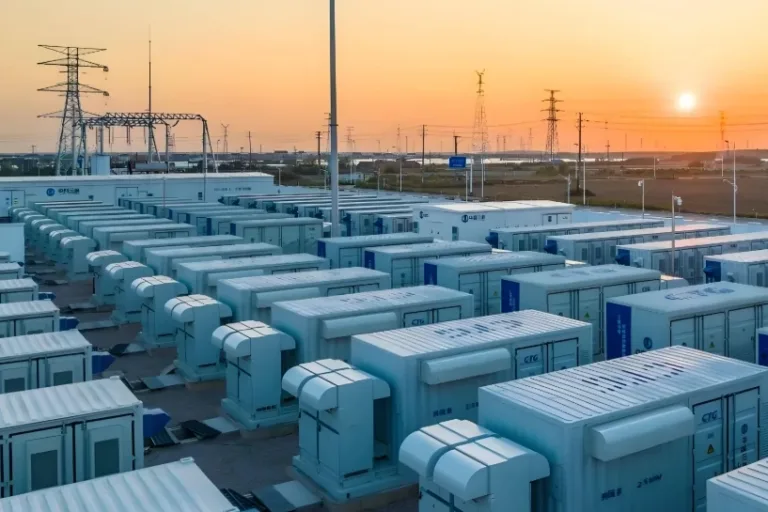
에너지 저장 시스템은 지속 가능한 에너지 시스템의 중추입니다.. 재생 가능한 전력에 접근할 수 없을 때 전기를 공급할 수 있는 완충 장치를 제공합니다..
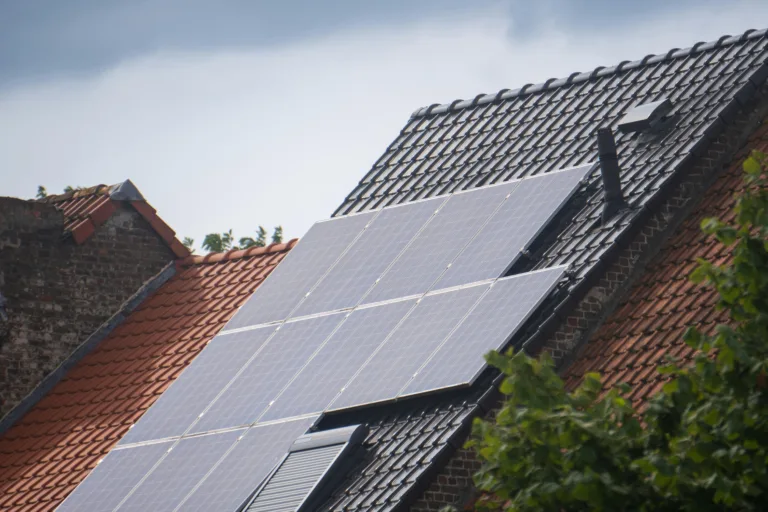
에너지 저장 시스템 재생 에너지로부터 에너지를 저장하는 데 사용될 수 있습니다.,태양광, 풍력과 비슷하다, 또는 원자력 및 석탄 화력발전소와 유사한 기타 소스로부터. 또한 피크 시간대에 사용할 중복 에너지를 저장하는 데에도 사용할 수 있습니다..
그리드가 안전하고 안정적인지 확인하기 위해, 수요에 맞는 수용 가능한 창고 용량이 필요합니다.. 배터리 에너지 저장 시스템의 용량은 메가와트 단위로 측정됩니다.- 시간( MWh).
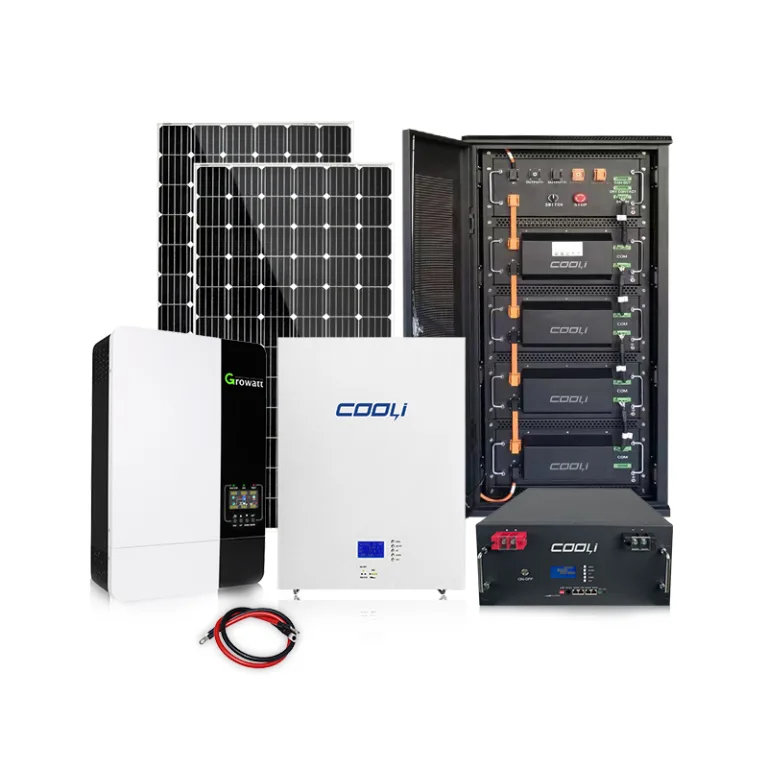
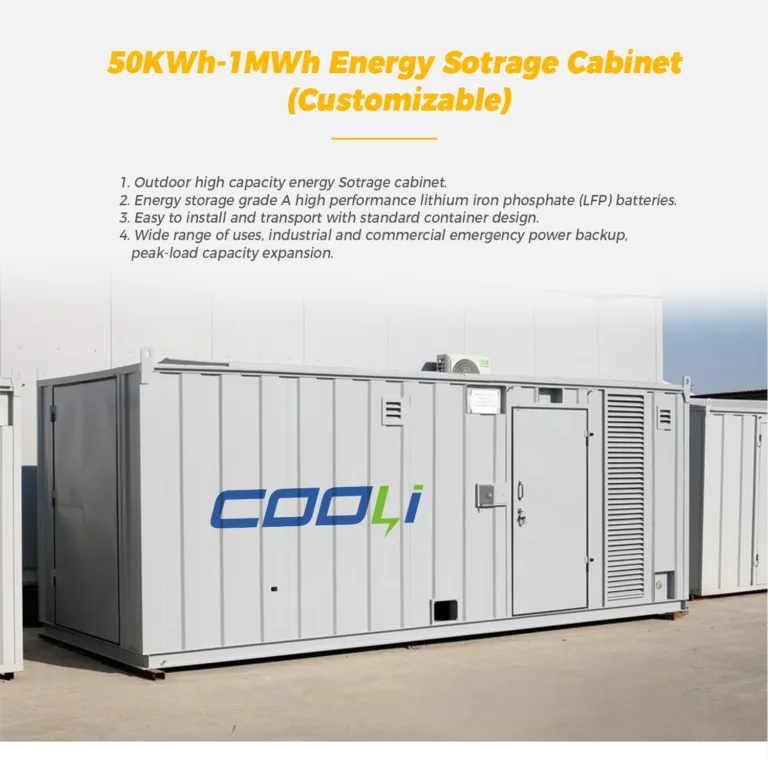
시스템의 일반 용량은 10kw입니다.- 100kw, 태양광 패널에 적용 가능, 산악 통신 기지국, 통신 기지국 에너지 저장, 임시 권력, 가정용 에너지 저장 인공 에너지 저장 요법.

더보기: 우리를 따라 오세요 페이스북
🔋 에너지 저장 시스템 (ESS): 종합적인 개요
에너지 저장 시스템 (ESS) 한 번에 생산된 에너지를 나중에 사용하기 위해 수집하도록 설계된 기술입니다., 에너지 공급과 수요의 불일치 해결. 현대 에너지 관리에서 중요한 역할을 합니다., 태양광 및 풍력과 같은 재생 가능한 전력원을 사용할 수 없을 때 전기를 공급하기 위한 중요한 완충 장치를 제공함으로써 지속 가능한 에너지 시스템의 중추 역할을 합니다.. ESS는 재생 에너지를 포함한 다양한 에너지원의 통합을 가능하게 합니다., 핵무기, 그리고 심지어 화석 연료 공장 (예를 들어, 석탄화력시설)— 피크 수요 기간 동안 사용하기 위해 초과 에너지를 저장하는 동안.에너지 저장 시스템 (ESS) 에너지 관리에 혁명을 일으키고 있습니다, 효율적인 에너지 사용 및 그리드 안정성 보장. 작동 방식과 그 중요성을 살펴보겠습니다.!
⚡ 주요 에너지 저장 기술
🔋 배터리
- 유형: 리튬이온, 납산, 나트륨-황, 그리고전고체 배터리 .
- 다음에서 사용됨: 가전제품, 전기 자동차 (EV), 및 그리드 스토리지.
- 혁신: 전고체 배터리는 향상된 안전성과 에너지 밀도를 제공합니다..
⚙️ 기계 저장소
- 펌핑 하이드로: 중력을 이용해 고도 사이에 물을 이동시켜 전기를 생산합니다..
- 플라이휠: 빠른 에너지 버스트를 위해 고속 로터로 운동 에너지를 저장합니다..
- 압축공기 (CAES): 터빈 동력을 위해 압축 공기를 지하에 저장합니다..
🚀 ESS가 중요한 이유
- 그리드 안정성: 정전 방지 및 주파수 변동 조절.
- 재생에너지: 나중에 사용하기 위해 잉여 태양광 및 풍력을 저장합니다..
- EV 파워: 전기 자동차 및 하이브리드 시스템 구동.
- 오프 그리드 솔루션: 원격 위치에서 에너지 액세스 제공.
🚧 에너지 저장의 과제
- 높은 비용: 고급 배터리 및 수소 저장 시스템에는 투자가 필요합니다..
- 에너지 손실: 저장 및 변환 프로세스의 효율성 손실.
- 환경에 미치는 영향: 물질 추출 및 재활용과 관련된 문제.
- 안전 문제: 배터리 열 폭주, 수소 폭발 등의 위험.
🌍 ESS의 미래
- 흐름 배터리: 장기간 에너지를 위한 확장 가능한 액체 전해질 저장 장치.
- 중력 저장: 파워 유지 및 방출을 위해 무거운 질량 리프팅을 사용합니다..
- 고급 열 시스템: 효율성 향상을 위한 상변화 소재의 혁신.
에서리튬 배터리에게수소 저장, 리튬 배터리부터 수소 저장까지, 요약하자면, ESS는 다재다능하다, 확장 가능, 원격 기지국에 전력을 공급하는 것부터 국가 전력망을 안정화하는 것까지 적응형 에너지 생태계를 구축하는 데 없어서는 안 될 요소입니다. ESS는 지속 가능한 에너지 미래를 만들어가고 있습니다.! 기술이 발전함에 따라, 우리는 신뢰성에 더 가까이 다가갑니다, 녹색 에너지 솔루션. ESS는 지속 가능한 에너지 미래를 만들어가고 있습니다.! 기술이 발전함에 따라, 우리는 신뢰성에 더 가까이 다가갑니다, 녹색 에너지 솔루션. 🌱⚡
댓글 하나