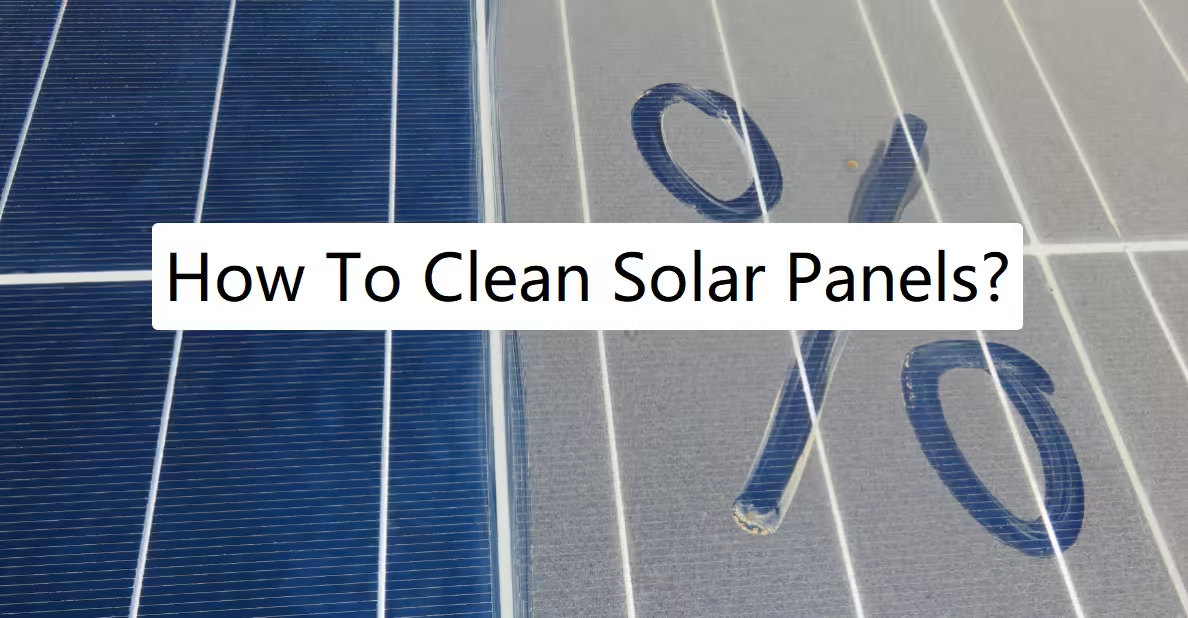
25% 더 많은 전력: 5 저장하는 태양열 청소 비밀 $500+ 매년
태양광 패널 청소에 대한 종합 가이드: 효율성을 높이고 수명을 연장하는 과학적 방법
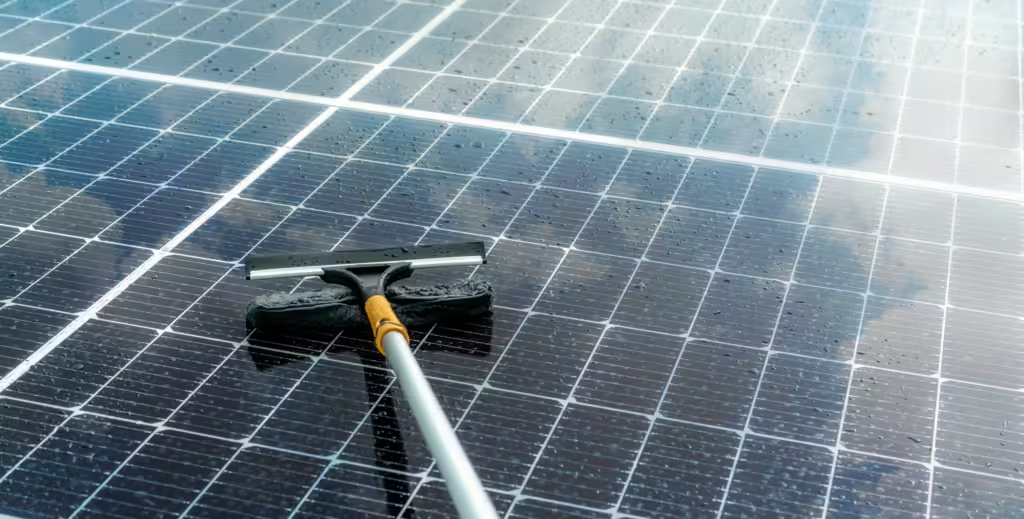
태양광 패널을 청소하는 방법?
태양광 패널, 그린 에너지 시스템의 핵심 구성 요소로, 발전 효율을 통해 에너지 생산량에 직접적인 영향을 미칩니다.. 연구 국립재생에너지연구소 (NREL) 먼지 축적으로 인해 태양광 모듈 출력이 감소할 수 있음이 밝혀졌습니다. 7%-40%. 이 가이드는 태양광 패널 유지 관리의 중요한 측면을 자세히 설명합니다., 사용자가 과학적인 청소 방법을 확립하도록 돕습니다..
“태양광 패널 청소가 태양광 시스템 성능에 영향을 미치나요??”
짧은 대답: 예, 태양광 패널을 청소하면 최대량의 햇빛이 태양광 패널에 침투할 수 있습니다..
패널에 더 많은 햇빛 = 더 많은 태양 에너지 = 더 낮은 공공 요금.
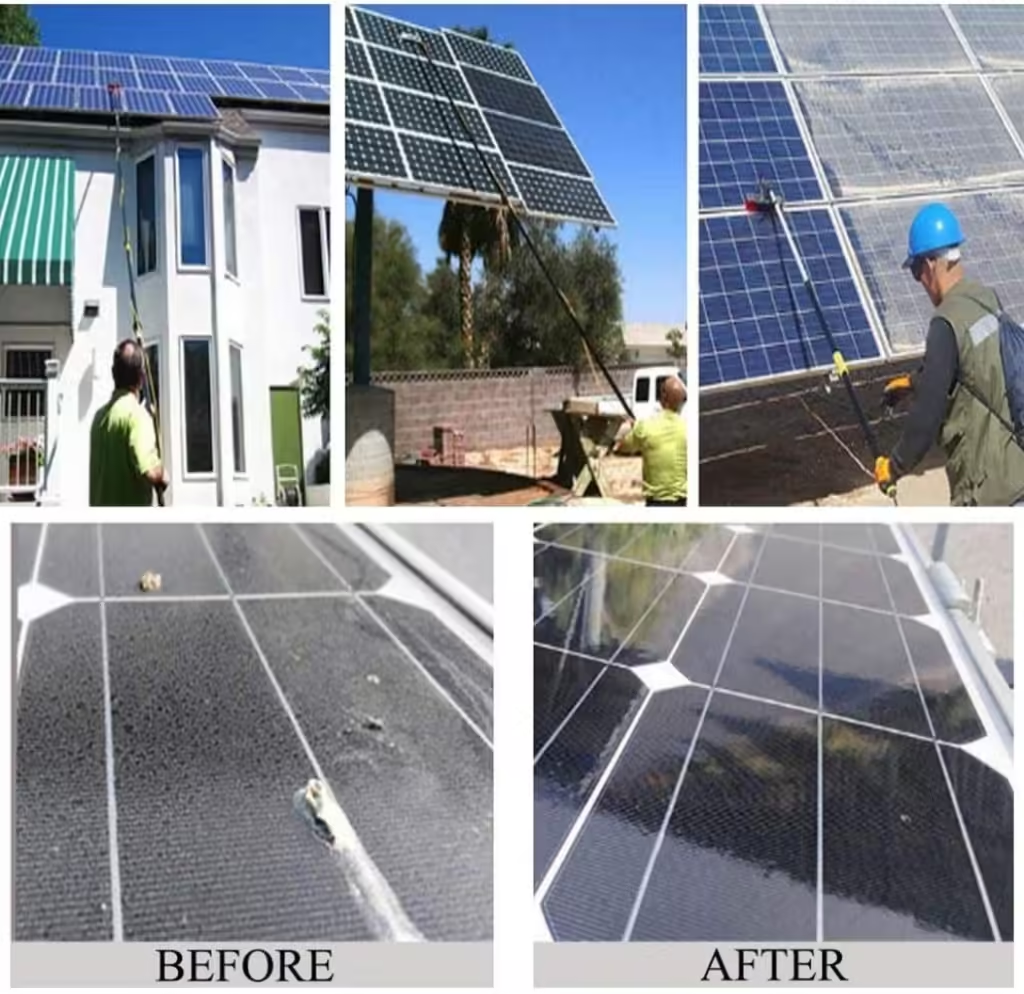
태양광 패널은 청정 에너지 생성을 위한 훌륭한 투자입니다., 하지만 흙, 먼지, 잔해는 효율성을 떨어뜨릴 수 있습니다.. 정기적인 청소는 최고의 성능을 유지하고 최대 에너지 출력을 보장하는 데 도움이 됩니다..
나. 청소가 중요한 이유: 표면 먼지 제거 너머
1. 광전 변환 효율 보장
- 먼지 영향: 0.1g/cm² 먼지는 다음과 같이 전력 출력을 감소시킵니다. 5%
- 유기 얼룩: 새 배설물은 국부적인 음영을 만듭니다., 핫스팟 효과 트리거
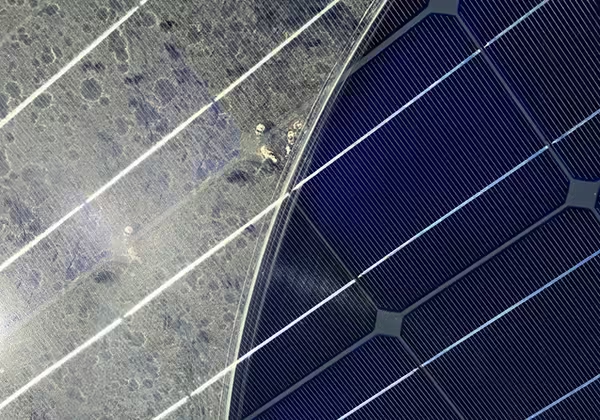
- 산업 오염 물질: PM2.5 입자는 차광 접착층을 형성합니다.
2. 장비 수명 연장
- 부식 방지: 산성 오염물질 (예를 들어, 새 배설물) 강화유리를 부식시키다
- 코팅 보호: 먼지 속의 염 결정이 반사 방지 코팅을 마모시킵니다.
- 열 관리: 먼지가 쌓이면 패널 온도가 5~8°C 상승합니다., 노화 촉진
3. 경제적 이익
- 10kW 시스템이 손실될 수 있음 $45-75 매월 회수되지 않은 에너지
- 정기적인 청소로 연간 ROI가 향상됩니다. 8-15%
II. 최적의 청소 빈도: 의사결정 프레임워크
1. 환경 평가 매트릭스
| 위치 유형 | 청소 간격 | 1차 오염물질 |
|---|---|---|
| 산업 지역 | 15-30 날 | 기름진 입자, 공장 먼지 |
| 농업지역 | 30-45 날 | 화분, 농약 잔류물 |
| 사막 지역 | 7-15 날 | 고운 모래, 칼슘 침전물 |
| 해안 지역 | 20-30 날 | 염수 분무 결정화 |
2. 계절적 조정
- 우기: 간격 연장 기준: 30% 자연건조로 인해
- 먼지 폭풍 기간: 행사 후 즉시 청소
- 나뭇잎 가을 시즌: 주간 잔해물 검사
3. 스마트 모니터링 솔루션
- 조도 센서는 광 투과율을 추적합니다.
- IV 커브 트레이서는 성능 저하를 분석합니다.
- 드론 열화상으로 오염된 지역 식별
III. 전문적인 청소 프로토콜
1. 도구 사양
- 브러쉬: 직경 0.3mm 이하의 나일론 강모
- 세척제: pH 중성 솔루션 (6-8 pH 범위)
- 수질: TDS를 첨가한 연수 <50ppm
2. 표준 운영 절차
- 안전 준비: DC 스위치 분리, 추락 방지 장비를 사용하세요
- 사전 헹굼: 저압 (<2 술집) 느슨한 잔해물을 물로 씻어 내십시오.
- 딥 클리닝: 45° 각도 단방향 브러싱
- 최종 린스: 탈이온수 헹굼 사이클
- 점검: 자연 건조, 표면 무결성 확인
3. 특수 얼룩 처리
- 새 배설물: 효소 세척제 담그기
- 나무 수액: 30% 이하 이소프로필 알코올 용액
- 광물 매장지: 약산성 린스 (pH ≥5)
IV. 위험 완화 & 기술 혁신
1. 중요한 안전 프로토콜
- 정오 청소를 피하세요 (추천: 새벽/황혼)
- 패널 온도일 때만 작동 <35℃
- 절대 패널을 밟지 마세요 (적재 용량 ≤50kg/m²)
2. 고급 청소 기술
- 나노 코팅: 먼지 부착을 줄입니다. 90%
- 로봇 시스템: 매일 2,000㎡ 청소
- 정전기 청소기: 비접촉식 먼지 제거
3. 품질 관리 지표
- 빛 투과율 회복 ≥97%
- 모듈 온도차 ΔT ≤2℃ (열화상을 통해)
- 전력 출력 개선 ≥5%
V. 경제 분석: 100kW 상용시스템 예시
| 매개변수 | 유지 관리되지 않음 | 유지되는 시스템 |
|---|---|---|
| 연간 세대 | 120,000 kWh | 132,000 kWh |
| 세입 | $96,000 | $105,600 |
| 5-연간 유지 보수 | $0 | $15,000 |
| 순이익 차이 | — | +$33,000 |
결론:
체계적인 청소로 전체 수명 주기 ROI를 100% 이상 늘릴 수 있습니다. 20%. 3계층 유지 관리 전략 구현:
- 일일점검: 이물질 육안 검사
- 분기별 정밀 청소: 전문적인 서비스
- 연간 기술 감사: 성능 검증
대규모 공장용, 자동 세척 시스템으로 운영 최적화 비용은 0.5%-1.5% 에너지 수익의, ROI 극대화. 최고의 시스템 성능을 위해 IoT 모니터링과 예측 유지 관리 알고리즘을 결합합니다..
이 간단한 단계를 따르면, 태양광 패널을 깨끗하게 유지할 수 있습니다, 효과적인, 앞으로 몇 년 동안 내구성이 뛰어납니다.. 실적을 주시하세요, 필요할 때 청소, 태양 에너지의 모든 혜택을 누리세요!
10kWh LiFePO4 배터리 10미얀마의 kWh 태양전지 비용 25kWh 배터리 시스템 올인원 BESS 컨테이너 4MWh 사우디 BESS 제조업체 중국 가장 저렴한 가정용 배터리 중국 BESS 솔루션 중국 DDP 도매 중국 공장 LiFePO4 배터리 중국 그리드 규모 BESS 중국 OEM 공급업체 상업용 배터리 보관 케냐 DC ESS 솔루션 DDP 솔루션이 DRC에 직접 전달됩니다. 중국을 아프리카로 직접 인도하다 중국을 아프리카 배터리로 직접 연결 에너지 저장 배터리 에너지 저장 시스템 글로벌 리튬 배터리 리더 A등급 배터리 그리드 규모 배터리 저장 공급업체 네덜란드 가족을 위한 가정용 배터리 가정용 에너지 저장 산업용 BESS 케냐 납산 대. 리튬 이온 배터리 LiFePO4 LiFePO4 배터리 남아프리카의 LiFePO4 배터리 LifePo4 배터리 LifePO4 배터리 기술 이라크 LiFePO4 대리점 LiFePO4 ESS 케냐 리튬 이온 배터리 리튬 이온 배터리 저렴한 가격 시장 동향 실외 액체 냉각 캐비닛 사우디 LiFePO4 조달 확장 가능한 산업용 BESS 솔루션 태양광 패널 태양계 올인원 스태킹 도매 LiFePO4 태양 전지 태양전지 도매