
맨 위 3 태양광 시스템용 리튬 이온 배터리: 최고의 추천 2025
핵심 역할 리튬 이온 배터리 태양계 및 최선의 선택
태양광 시스템의 인기가 높아짐에 따라, 리튬 이온 배터리 높은 효율성으로 인해 에너지 저장 분야에서 선호되는 선택이 되었습니다., 긴 수명, 환경적 이점. 이 기사에서는 주류 제품 및 제조업체에 대한 정보를 결합하여 태양광 시스템에 적합한 리튬 이온 배터리 유형을 분석합니다., 그들의 장점, 및 선택 권장 사항.
판매 데이터 비교
1. 글로벌 판매량 (2023):
- LiFePO₄ 배터리: 2.5 GWh
- NCM 배터리: 1.8 GWh
- LTO 배터리: 0.6 GWh
- LiFePO₄ 배터리가 가장 큰 비중을 차지함, 대부분의 주거용 및 산업용 시스템에서 선호되는 선택입니다..
2. 주거용 및 산업용 시스템 사용률:
- 주거 시스템에서:
- 80% LiFePO₄를 사용하세요
- 15% NCM을 사용하다
- 5% LTO를 사용하다
- 산업 및 상업 시스템에서:
- 60% LiFePO₄를 사용하세요
- 30% NCM을 사용하다
- 10% LTO를 사용하다
3. 충전/방전 효율 비교:
- 충전/방전 효율:
- LiFePO₄ 배터리: 96%
- NCM 배터리: 92%
- LTO 배터리: 98%
- 사이클 수명:
- LiFePO₄ 배터리: 2000-5000 사이클
- NCM 배터리: 1000-2000 사이클
- LTO 배터리: 10,000 사이클
- 안전:
- LiFePO₄: 높은, 불연성
- 엔씨엠: 중간, 열 폭주를 경험할 수 있음
- LTO: 매우 높음, 극한 환경에서도 안정적
4. 가격 비교:
- LiFePO₄: 대략. $120–$180/kWh
- 엔씨엠: 대략. $150–$200/kWh
- LTO: 대략. $400–$600/kWh
태양 에너지 저장 분야에서 리튬 이온 배터리의 장점
1. 높은 에너지 밀도와 경량 기존 납축전지와 비교, 리튬 이온 배터리, 특히 LiFePO₄ 유형, 에너지 밀도가 더 높고 더 가볍습니다.. 예를 들어, 12V 100Ah LiFePO₄ 배터리의 무게는 9.36kg에 불과합니다., 같은 용량의 납축전지 무게는 최대 30kg에 이른다.. 따라서 옥상 설치 또는 RV 및 독립형 시스템과 같은 모바일 애플리케이션에 이상적입니다..
2. 긴 수명과 안정성 LiFePO₄ 배터리의 수명은 일반적으로 2000 사이클 (~와 함께 80% 용량 유지), 훨씬 초과 300-500 납산 배터리의 사이클. Dinali Energy와 같은 제조업체는 엄격한 품질 테스트를 수행하여 극한의 온도에서도 배터리 안정성을 보장하고 다음과 같은 보증을 제공합니다. 1 에게 3 연령.
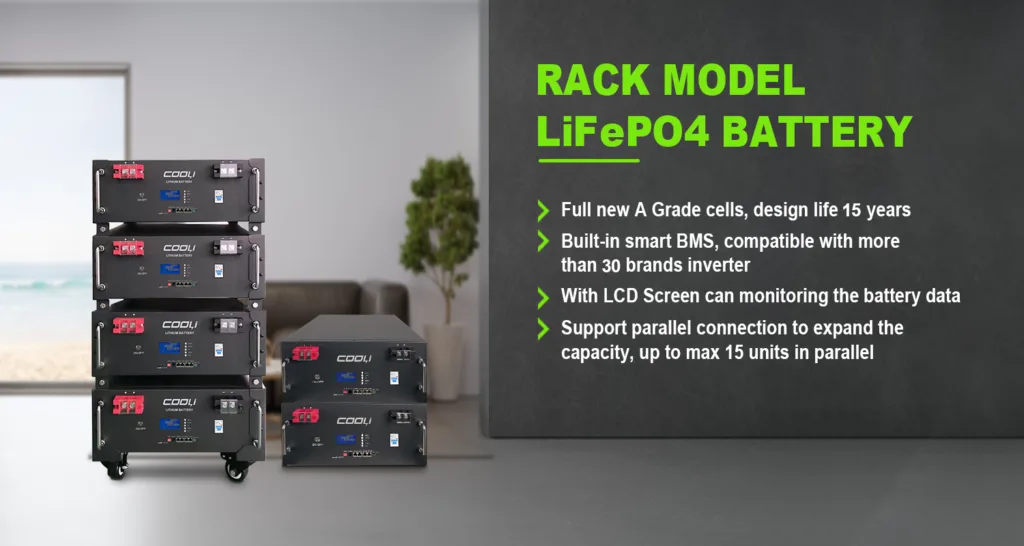
3. 빠른 충전/방전 및 높은 호환성 리튬 이온 배터리는 더 높은 충전/방전 속도를 지원합니다. (예를 들어, 100BMS), 태양광 패널의 에너지 입력에 대한 신속한 대응 가능. 스마트를 통해 배터리 관리 시스템 (BMS), 과충전 및 과방 전 보호 기능을 제공합니다., 인버터 및 태양광 컨트롤러와의 호환성 보장.
태양광 시스템을 위한 최고의 리튬 이온 배터리 유형
1. LiFePO₄ (리튬인산철 배터리)
- 핵심 장점: 높은 안전성 (강한 열 안정성), 긴 사이클 수명 (1500-2000 사이클), 환경 친화적인.
- 일반적인 응용 분야: 주거용 저장고, 독립형 태양광 시스템, RV, 등.
- 대표제품: 100A BMS를 갖춘 12V 100Ah LiFePO₄ 배터리, 1년 보증 제공, 가격이 책정되었습니다 $139.
2. 엔씨엠 (니켈 코발트 망간 리튬 배터리)
- 특징: 더 높은 에너지 밀도, 공간에 민감한 애플리케이션에 이상적, 그러나 LiFePO₄에 비해 사이클 수명이 약간 낮습니다..
- 응용: 상업 및 산업용 저장 시스템, 고전력 수요 하이브리드 태양광 설치.
3. LTO (리튬 티타네이트 배터리)
- 장점: 매우 긴 사이클 수명 (최대 10,000 사이클), 넓은 온도 적응성 (-30°C~60°C).
- 적합한 용도: 극한 기후의 태양광 저장 시스템 또는 충전/방전 주기가 빈번한 마이크로그리드 시스템.
태양광 리튬이온 배터리 구매 가이드
1. 용량 및 전압 매칭 주거용 시스템용, 12V 또는 24V 배터리가 일반적으로 사용됩니다. (예를 들어, 12V 100Ah 배터리는 약 1.2kWh의 에너지를 저장할 수 있습니다.). 부하 전력과 일조 시간을 기준으로 총 에너지 요구량을 계산하는 것이 필수적입니다..
2. BMS 및 안전 인증 배터리에 과전류 및 온도 보호를 지원하는 통합 BMS가 있는지 확인하십시오.. UL 인증 제품을 선택하세요, CE, 또는 TUV (EastSun의 것과 같은 ,썬치즈와 쿨리튬).
3. 제조업체 및 애프터 서비스 맞춤형 솔루션을 제공하는 브랜드를 선택하세요:
- 토틀파워: 30,000 m² 공장, 산업용 등급 에너지 저장 맞춤화 지원.
- CMGL 솔라 (파키스탄 시장): 25년 시스템 보증이 포함된 Tesla 및 Longi 배터리 솔루션 제공.
추천되는 글로벌 리튬 배터리 제조업체
1. EastSun (중국)
- 해당 제품 라인에는 주거용 및 상업용 스토리지 시스템이 모두 포함됩니다., 하이브리드 인버터와 LiFePO₄ 배터리를 통합한 솔루션 제공, UL 및 IEC 인증.
2. 빠른 에너지 (인도)
- 그린에너지 전문기업, LFP 및 NCM 배터리 생산, 태양광 인버터 및 마이크로그리드 애플리케이션 지원, 그리고 제공 24/7 기술 지원.
3. 썬치즈 (중국)
- 와 함께 15 수년간의 OEM 경험, Sunchees는 순수 사인파 인버터 및 리튬 배터리 시스템을 제공합니다., 이상 분산 프로젝트 지원 100 국가.
4. 쿨리튬(중국)
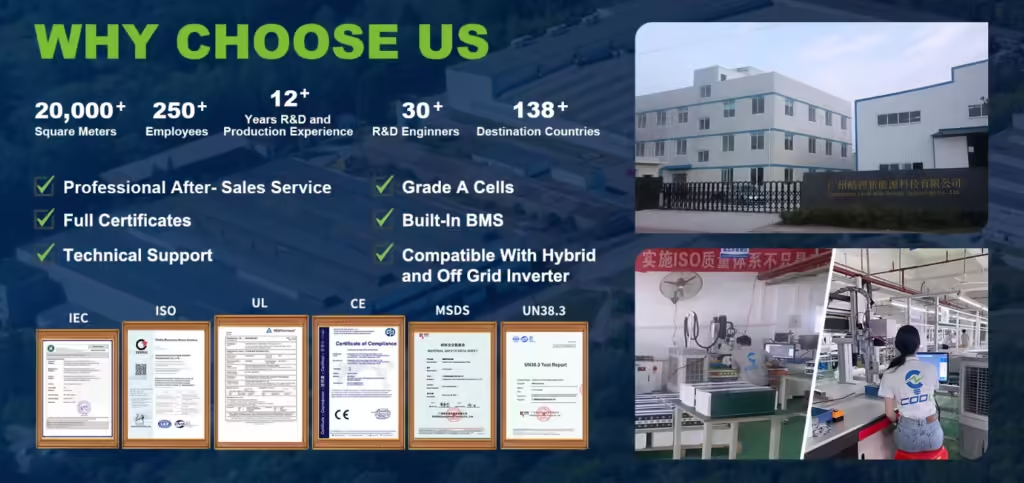
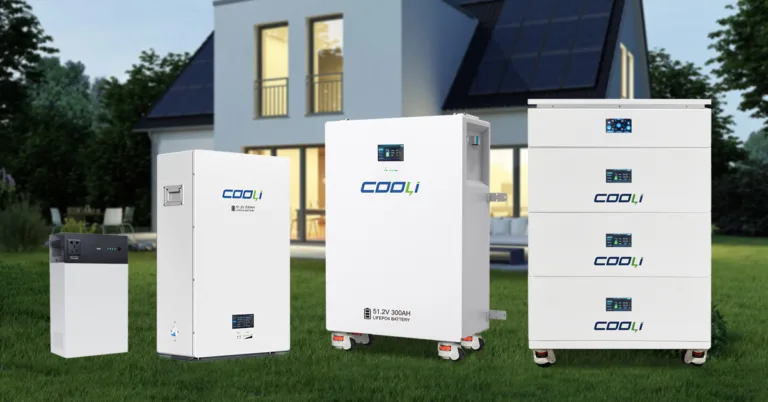
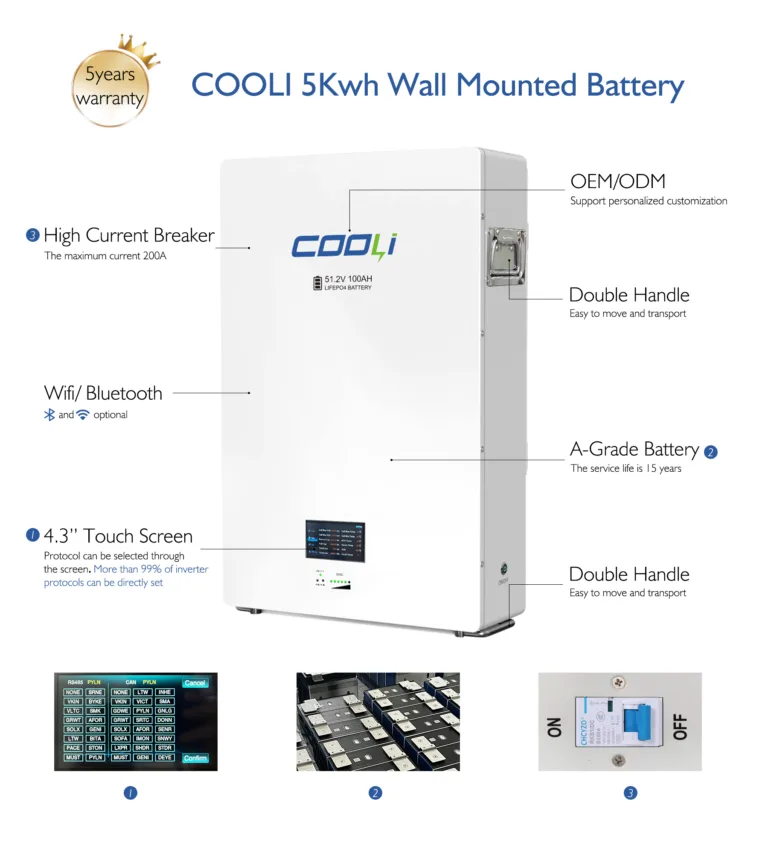
- 15 다년간의 경험을 갖춘 전문 공장 3 생산을 위한 건물, OEM&ODM 경험, BMS 시스템은 당사의 엔지니어 팀에서 개발되었습니다., 이상 일치 가능 20 인버터 브랜드. ISO9001, UL 획득,그만큼-021, IEC,CE,CB,UN38.3, MSDS,기타 인증서.
설치 및 유지 관리 권장 사항
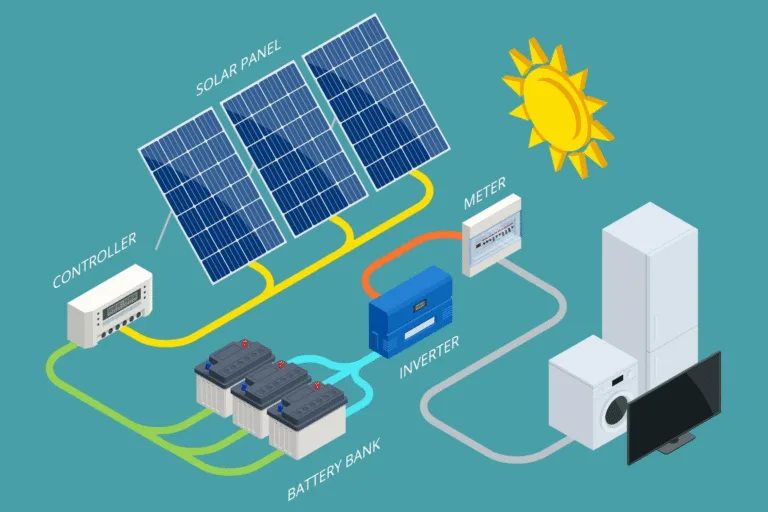
1. 시스템 호환성 배터리 전압이 태양광 패널 및 인버터 사양과 일치하는지 확인하세요. (예를 들어, 12V 배터리는 12V 태양광 컨트롤러와 호환되어야 합니다.).
2. 정기 모니터링 제조사에서 제공하는 스마트 앱을 사용하세요 (예를 들어, CMGL Solar의 모니터링 도구) 충전 및 방전 상태를 실시간으로 추적하기 위해.
3. 환경 요구 사항 고온이나 습한 환경을 피하세요.. LiFePO₄ 배터리는 -20°C ~ 60°C의 온도 범위에서 작동하는 것이 좋습니다..
결론
LiFePO₄ 배터리, 높은 충전/방전 효율로 인해, 안전, 그리고 저렴한 가격, 대부분의 주거 및 산업 시스템에서 최고의 선택으로 남아 있습니다.. NCM 배터리는 고용량 애플리케이션에 더 적합합니다., LTO 배터리는 극한 환경이나 고주파수 사이클링 시나리오에서 두각을 나타냅니다.. 선택 시, 시스템의 특정 요구 사항을 고려하십시오., 장기적인 투자와 효율성 측면에서, LiFePO₄는 대부분의 경우 최선의 선택입니다.
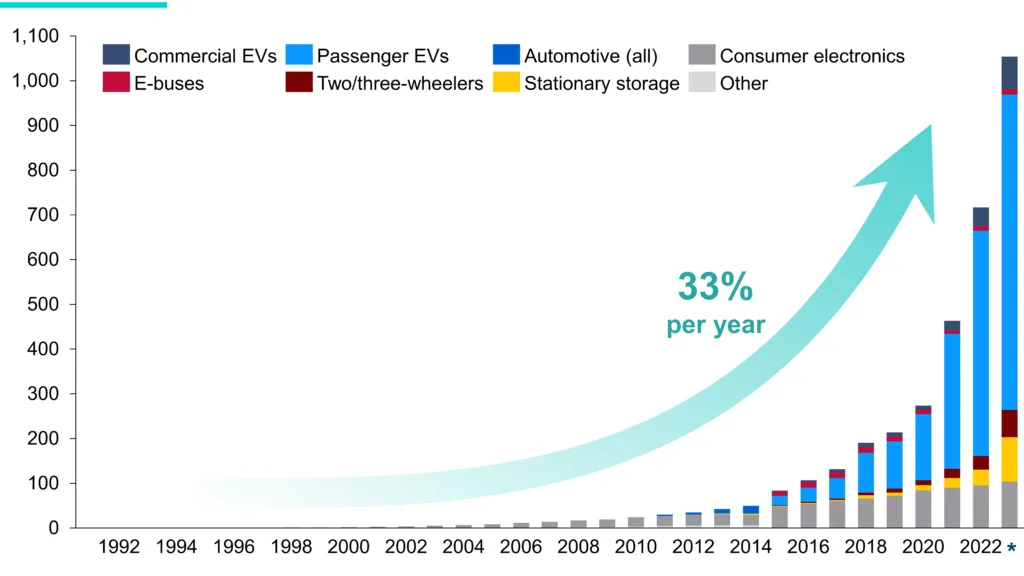
글로벌 태양전지 시장 개요 출처: https://www.marketresearchfuture.com/reports/solar-battery-market-10621
10kWh LiFePO4 배터리 10미얀마의 kWh 태양전지 비용 25kWh 배터리 시스템 올인원 BESS 컨테이너 4MWh 사우디 BESS 제조업체 중국 가장 저렴한 가정용 배터리 중국 BESS 솔루션 중국 DDP 도매 중국 공장 LiFePO4 배터리 중국 그리드 규모 BESS 중국 OEM 공급업체 상업용 배터리 보관 케냐 DC ESS 솔루션 DDP 솔루션이 DRC에 직접 전달됩니다. 중국을 아프리카로 직접 인도하다 중국을 아프리카 배터리로 직접 연결 에너지 저장 배터리 에너지 저장 시스템 글로벌 리튬 배터리 리더 A등급 배터리 그리드 규모 배터리 저장 공급업체 네덜란드 가족을 위한 가정용 배터리 가정용 에너지 저장 산업용 BESS 케냐 납산 대. 리튬 이온 배터리 LiFePO4 LiFePO4 배터리 남아프리카의 LiFePO4 배터리 LifePo4 배터리 LifePO4 배터리 기술 이라크 LiFePO4 대리점 LiFePO4 ESS 케냐 리튬 이온 배터리 리튬 이온 배터리 저렴한 가격 시장 동향 실외 액체 냉각 캐비닛 사우디 LiFePO4 조달 확장 가능한 산업용 BESS 솔루션 태양광 패널 태양계 올인원 스태킹 도매 LiFePO4 태양 전지 태양전지 도매
댓글 하나