
5 Faktai apie energijos kaupimo sistemas, kuriuos būtina žinoti & Saugumas
Saulės energijos baterijų saugojimo ir baterijų energijos kaupimo sistemų supratimas
Saulės energija tapo svarbiu tvarios energijos gamybos sprendimu, o baterijų saugojimo sistemų integravimas padidino jos efektyvumą. Tačiau, kaip ir bet kuri technologija, yra tam tikrų aplinkybių ir apribojimų, kuriuos reikia žinoti sprendžiant apie saulės energijos kaupimą, ypač naudojant ličio baterijas. Šiame straipsnyje, tyrinėsime kaip laikyti ličio baterijas saulės energijos kaupimui, saulės energijos baterijų saugojimo apribojimai, ir galimus pavojus, kartu su a veikimu akumuliatoriaus energijos kaupimo sistema (BESS).
Kas yra saulės energijos baterijų saugykla?
Saulės energijos baterijų saugojimas reiškia saulės baterijų pagamintos elektros pertekliaus surinkimo ir saugojimo baterijose, kad vėliau būtų galima naudoti.. Tai leidžia pasiekti didesnę energetinę nepriklausomybę, nes sukaupta energija gali būti naudojama, kai saulė nešviečia, pavyzdžiui, naktį arba debesuotomis dienomis.
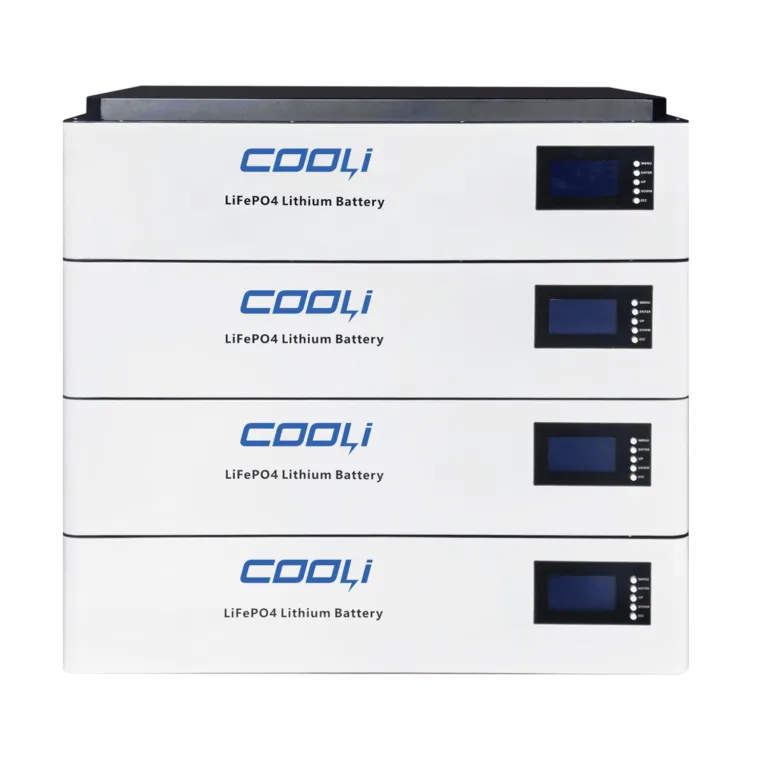
Ličio baterijos, ypač „Lifepo4“ baterijos, dažniausiai naudojami saulės energijos kaupimui, nes pasižymi dideliu energijos tankiu, Ilgas ciklo gyvenimas, ir paprastai yra saugesnės nei kitų tipų ličio jonų baterijos. Šios baterijos skirtos saugoti saulės baterijų generuojamą elektros energiją ir išleisti ją prireikus maitinti namus, verslui, ar net visos pramoninės sistemos.
Kaip laikyti ličio baterijas saulės energijai
Norint užtikrinti jų ilgaamžiškumą ir saugumą, labai svarbu tinkamai laikyti ličio baterijas. Štai keletas pagrindinių dalykų, į kuriuos reikia atsižvelgti laikant ličio baterijas saulės energijos sistemoms:
- Temperatūros kontrolė: Ličio baterijas reikia laikyti vėsioje vietoje, sausa aplinka, idealiai nuo 20°C iki 25°C (68°F iki 77 °F). Ekstremalios temperatūros (arba per karšta, arba per šalta) baterijos gali greičiau sugesti arba net per anksti sugesti.
- Venkite gilaus iškrovimo: Visada laikykite ličio baterijas iš dalies įkrautas, idealiai aplink 50% į 60%. Ilgą laiką laikant visiškai įkrautus arba visiškai iškrautus, galite sugadinti akumuliatorių ir sutrumpinti jo naudojimo laiką.
- Vėdinimas: Įsitikinkite, kad vieta, kurioje laikomos baterijos, yra gerai vėdinama, kad išvengtumėte šilumos kaupimosi. Perkaitimas gali sukelti pavojų saugai, pavyzdžiui, terminis bėgimas.
- Venkite tiesioginių saulės spindulių: Tiesioginiai saulės spinduliai gali padidinti baterijų temperatūrą, dėl kurių jie perkais ir gali sugesti. Laikykite juos pavėsyje, gerai vėdinama erdvė.
- Reguliari priežiūra: Periodiškai tikrinkite baterijų įkrovimo lygį ir būklę, ypač jei jie laikomi ilgai, kad jie vis dar tinkamai veiktų.
Ar saulės energijos sistemos turi baterijų saugojimo apribojimus??
Taip, saulės energijos sistemos turi apribojimų, kai kalbama apie baterijų laikymą. Kai kurie pagrindiniai iššūkiai apima:
- Talpos apribojimai: Energijos kiekį, kurį galite sukaupti, riboja baterijų talpa. Jei jūsų saulės energijos generavimas nuolat viršija jūsų saugojimo talpą, energijos perteklius gali būti iššvaistytas, nebent jis būtų paduodamas atgal į tinklelį (jei tinklelis).
- Baterijos efektyvumas: Įkrovimo ir iškrovimo metu akumuliatoriai paprastai praranda dalį energijos. Tai reiškia, kad net jei galite laikyti 10 kWh energijos, galbūt galėsite tik naudotis 8-9 kWh, priklausomai nuo akumuliatoriaus ir keitiklio efektyvumo.
- Kaina: Aukštos kokybės baterijos, ypač ličio pagrindu, gali būti brangu. Pradinės baterijos saugojimo sistemos įrengimo išlaidos gali būti didelė kliūtis daugeliui namų savininkų ar įmonių.
- Gyvenimo trukmė: Nors ličio baterijos turi ilgą tarnavimo laiką (paprastai 5-15 metų), jie ilgainiui degraduoja. Kai jie sensta, jų gebėjimas išlaikyti krūvį mažėja, tai reiškia, kad juos reikės pakeisti.
- Erdvė: Didesnėms energijos sistemoms, jums reikės pakankamai vietos akumuliatoriaus bankui įdiegti. Tai gali būti ribojantis veiksnys mažiems namams ar pastatams.
Kokius pavojus kelia ličio baterijų saugykla saulės energijos sistemoms?
Nors ličio baterijos paprastai yra saugios ir patikimos, netinkamai elgiamasi jie kelia tam tikrą pavojų. Kai kurie galimi pavojai apima:
- Terminis pabėgimas: Jei ličio baterija perkaista arba sugenda, tai gali patirti “terminis pabėgimas,” kur temperatūra greitai kyla, galintis sukelti gaisrą ar sprogimą. Tai ypač pavojinga, jei baterijos įkraunamos arba iškraunamos per greitai arba sugadintos dėl smūgio.
- Per didelis įkrovimas arba gilus iškrovimas: Ličio baterijų perkrovimas arba iškrovimas, viršijantis rekomenduojamą įtampos diapazoną, gali sukelti jų gedimą arba tapti nestabilus, gali sukelti gaisrą arba nutekėjimą.
- Cheminiai nutekėjimai: Jei ličio baterija pradurta arba pažeista, iš jo gali ištekėti pavojingos cheminės medžiagos. Tai gali būti žalinga tiek žmonių sveikatai, tiek aplinkai, todėl saugus tvarkymas ir šalinimas yra itin svarbūs.
- Elektriniai šortai: Netinkami laidai arba akumuliatoriaus valdymo sistemos gedimas (BMS) gali sukelti elektros trumpus, dėl kurių gali atsirasti kibirkščių, gaisrai, arba sprogimai.
Norėdami sumažinti šias rizikas, labai svarbu naudoti tinkamas akumuliatoriaus valdymo sistemas (BMS), kurios stebi ir kontroliuoja įkrovimo ir iškrovimo ciklus, kad užtikrintų saugų veikimą. Reguliarus akumuliatorių tikrinimas ir priežiūra, kartu su šiomis gamintojo montavimo instrukcijomis, taip pat svarbūs siekiant išvengti pavojų.
Kas yra akumuliatoriaus energijos kaupimo sistema (BESS)?
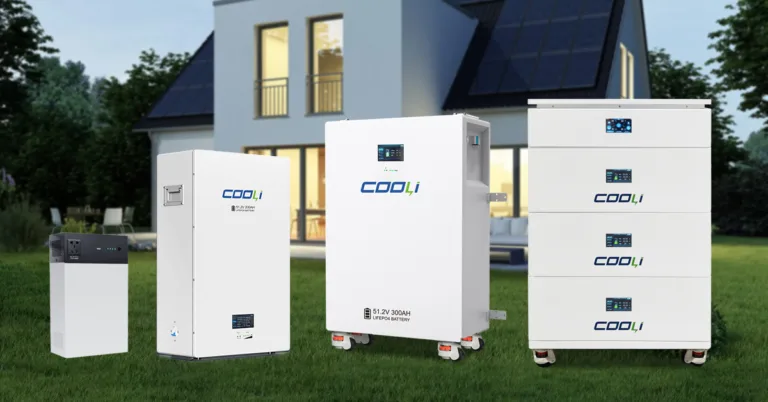
A Akumuliatoriaus energijos kaupimo sistema (BESS) yra sudėtingesnė sąranka, apimanti ne tik bateriją, bet ir kitus komponentus, tokius kaip inverteriai, baterijų valdymo sistemos (BMS), ir dažnai prisijungimas prie išmaniojo tinklo. BESS naudojami elektros energijai kaupti ir, kai reikia, ją išleisti, užtikrinti energijos stabilumą ir patikimumą namams, verslui, ir net komunalines paslaugas.
Kaip veikia akumuliatoriaus energijos kaupimo sistema (BESS) Darbas?
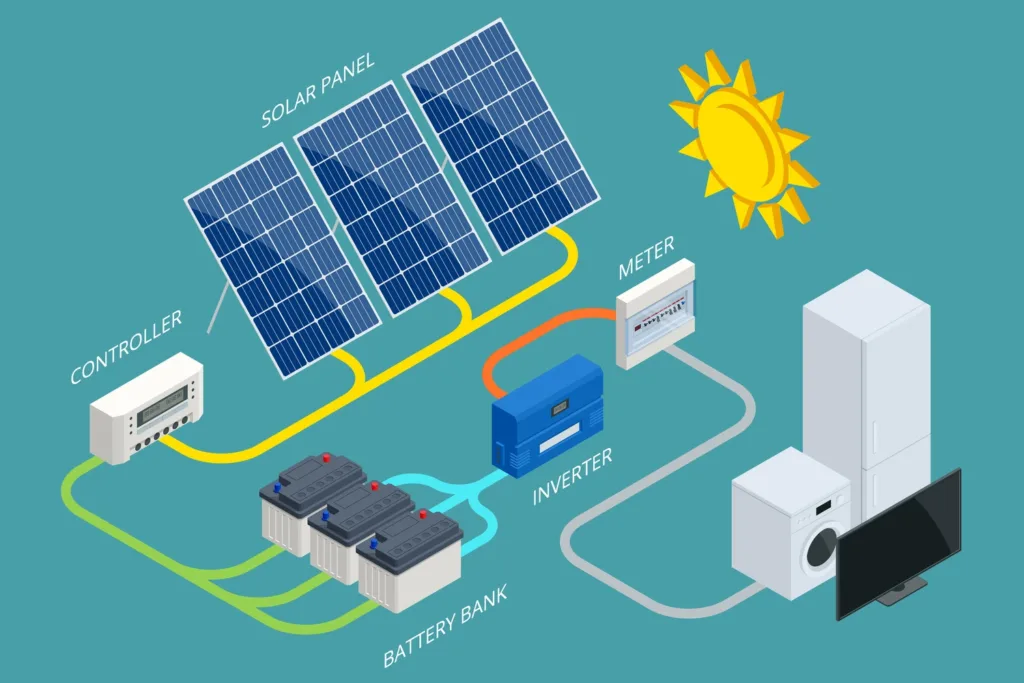
- Energijos gaudymas: Saulės baterijos sulaiko saulės šviesą ir paverčia ją elektra. Ši elektros energija naudojama iš karto arba kaupiama akumuliatoriuje.
- Energijos saugojimas: Kai energijos iš karto nereikia, jis nukreiptas į akumuliatorių, kur jis saugomas kaip DC (nuolatinė srovė) elektros.
- Inverterio konvertavimas: Inverteris naudojamas nuolatinės srovės elektros energijai paversti kintamąja (kintamoji srovė), kuri yra elektros energijos forma, kurią naudoja dauguma prietaisų ir sistemų.
- Energijos iškrovimas: Kai energijos poreikis viršija generavimą (pvz., naktį arba debesuotu oru), sukaupta energija imama iš akumuliatoriaus, praėjo per keitiklį, ir tiekiamas į pastatą ar tinklą.
- Išmanusis stebėjimas: Daugelis BESS yra integruoti su baterijų valdymo sistema (BMS) ir (arba) energijos valdymo programinė įranga. Šios sistemos padeda optimizuoti įkrovimo ir iškrovimo ciklus, stebėti akumuliatoriaus būklę, ir užtikrinti, kad sistema veiktų efektyviai ir saugiai.
Išvada
Saulės energijos baterijų saugykla, ypač su ličio baterijomis, yra žaidimo keitiklis siekiant energetinės nepriklausomybės ir tvarumo. Tačiau, suprasti tinkamas laikymo sąlygas, galimus apribojimus, ir saugos klausimai yra labai svarbūs siekiant maksimaliai pailginti saulės energijos sistemos tarnavimo laiką ir saugumą. Akumuliatoriaus energijos kaupimo sistemos (BESS) pasiūlyti visapusišką sprendimą energijos kaupimui ir patikimumui pagerinti, padėti vartotojams efektyviau valdyti energijos suvartojimą. Su tinkama sąranka ir atsargumo priemonėmis, saulės energijos kaupimas gali būti patikimas, ekonomiškai efektyvus, ir aplinkai nekenksmingas sprendimas tiek gyvenamiesiems, tiek komerciniams tikslams.
Saulės skaičiuotuvai:https://footprinthero.com/solar-calculators
Atraskite energijos kaupimo sistemų galią: 5 Pagrindiniai privalumai, kuriuos turite žinoti
10kWh LiFePO4 baterijos 10kWh saulės baterijų kainos Mianmare 25kWh baterijų sistemos Viskas viename BESS konteineris 4MWh Saudo Arabija BESS Gamintojas Kinija Pigiausia namų baterija Kinijos BESS sprendimai Kinijos DDP didmeninė prekyba Kinijos gamyklos LiFePO4 baterijos Kinijos tinklelio masto BESS Kinijos OEM tiekėjai Komercinė baterijų saugykla Kenija DC ESS sprendimai DDP sprendimas tiesiai į KDR Tiesiogiai Kinija į Afriką Tiesioginis Kinijos ir Afrikos akumuliatorius energijos kaupimo baterija Energijos kaupimo sistemos Pasauliniai ličio baterijų lyderiai A klasės baterija Tinklelio mastelio baterijų saugojimo tiekėjas Namų baterijos olandų šeimoms namų energijos kaupimas Pramoninė BESS Kenija Švino rūgštis vs. Ličio jonų baterijos LiFePO4 „Lifepo4“ baterijos LiFePO4 baterijos Pietų Afrikoje LifePo4 baterija LifePO4 akumuliatoriaus technologija LiFePO4 platintojas Irake LiFePO4 ESS Kenija Ličio jonų baterija ličio jonų baterija Mažesnės kainos Rinkos tendencijos Lauko skysčio aušinimo spinta Saudo Arabijos LiFePO4 pirkimas Keičiami BESS sprendimai pramonei Saulės baterijos saulės sistema „Viskas viename“ krovimas Didmeninė prekyba LiFePO4 saulės baterijomis Didmeninė prekyba saulės baterijomis

Vienas komentaras