
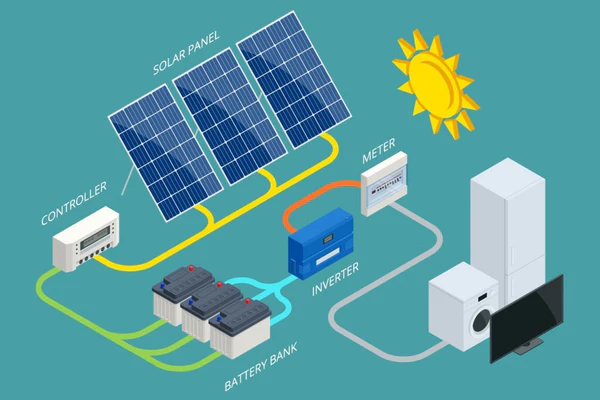
Kaip apskaičiuoti saulės baterijos talpą? 3 Žingsniai iki tobulo dydžio
(Praktinis vadovas Afrikos namams ir įmonėms, daugiausia dėmesio skiriant Pietų Afrikai)
Saulės baterijos talpos suderinimas su apkrovos mažinimo tvarkaraščiais Afrikoje
Tokiuose regionuose kaip Pietų Afrika ir kitos Afrikos dalys, dėl dažnų elektros tiekimo nutraukimų ir nepatikimo tinklo elektros energijos tiekimo sistemos tampa gelbėjimosi ratu namams ir įmonėms. Svarbus bet kurios saulės energijos sistemos komponentas yra baterija, kuri kaupia energiją, skirtą naudoti, kai saulė nešviečia. Tačiau, Pasirinkus netinkamą akumuliatoriaus talpą, gali būti iššvaistomi pinigai, nepakankama galia, arba sutrumpintas baterijos veikimo laikas.
Šiame vadove suskaidomas skaičiavimo procesas saulės baterijos talpa į tris paprastus veiksmus, pritaikyta unikaliems Afrikos energijos poreikiams, klimatas, ir saulės potencialas.

Žingsnis 1: Nustatykite savo dienos energijos suvartojimą
Prieš nustatydami akumuliatoriaus dydį, reikia žinotikiek energijos kasdien sunaudoja jūsų namų ūkis ar įmonė.
- Išvardykite visus elektros prietaisus planuojate maitinti saulės energija.
- Tipiški prietaisai Afrikos namų ūkiuose: LED lemputės (5-10W), šaldytuvai (100-200W), televizoriai (50-100W), gerbėjų (50W), mobiliųjų telefonų įkrovikliai (10W), ir nedideli vandens siurbliai (200-500W).
- Įmonėms: Kompiuteriai, maršrutizatoriai, apsaugos kameros, arba mašinos.
- Apskaičiuokite dienos energijos suvartojimą (vatvalandėmis, Wh):
- Galia (W) × Naudojimo valandos per dieną = prietaiso paros energija.
- Pavyzdys:
- 5 LED lemputės (10W kiekvienas) × 6 valandos = 300 Wh
- Šaldytuvas (150W) × 24 valandų (ciklai įjungiami/išjungiami) ≈ 900 Wh
- televizorius (80W) × 4 valandos = 320 Wh
- Bendra dienos energija = 300 + 900 + 320 = 1,520 Wh (1.52 kWh)
- Neefektyvumo veiksnys:
- Saulės sistemos praranda energiją dėl keitiklio neefektyvumo (~10–20 proc.) ir akumuliatoriaus įkrovimo/iškrovimo nuostolius (~10–15 proc.).
- Padauginkite bendrą dienos energiją iš1.3 (30% buferis):
- 1.52 kWh × 1.3 = ~2 kWh per dieną.
Žingsnis 2: Apskaičiuokite akumuliatoriaus talpą pagal autonomijos dienas
Baterijos talpa priklauso nuokiek dienų jums reikia atsarginės energijos (autonomijos dienos). Pietų Afrikoje, kur įprastas apkrovos nusileidimas, 2– 3 dienos autonomijos yra praktiška.
1.Formulė:
Baterijos talpa(kWh)= Kasdieninė energija(kWh)×Autonomijos dienos
- Pavyzdys: Už 2 autonomijos dienos:
2 kWh/d.×2 dienos=4 kWh
2.Konvertuoti kWh į ampervalandes (Ak):
- Akumuliatorių vardinė vertė yra Ah esant tam tikrai įtampai (pvz., 12V, 24V, 48V).
- Formulė:

- Pavyzdys: 48V sistemai:

3.Iškrovimo gylio koeficientas (DoD):
- Dauguma baterijų (pvz., ličio jonų) neturėtų išsikrauti žemiau 80–90 % DoD. Švino rūgšties baterijos yra apribotos 50% DoD.
- Sureguliuokite talpą:

- Pavyzdys: Dėl ličio jonų (90% DoD):

Žingsnis 3: Suderinkite akumuliatoriaus talpą su saulės kolektorių išvestimi
Jūsų baterija turi atitikti saulės baterijų bloko įkrovimo galimybę.
- Patikrinkite kasdienę saulės energijos gamybą:
- Pietų Afrikos vidurkiai4– 6 saulės piko valandos per dieną (skiriasi priklausomai nuo sezono).
- Formulė:Saulės skydo išvestis(Wh)=Skyvelės galia × Saulės valandos Saulės skydelio išvestis(Wh)= skydelio galia × saulės valandos
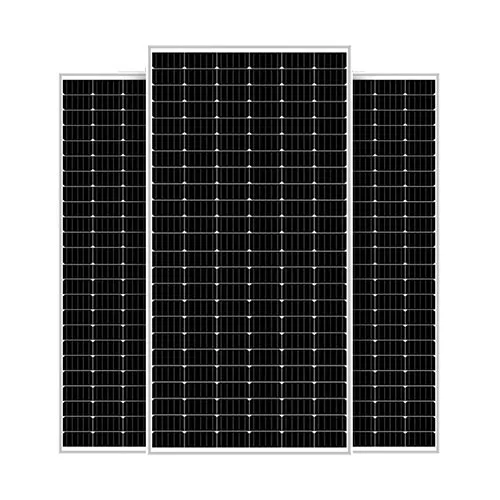
- Pavyzdys: 400W plokštės × 5 saulės valandos = 2,000 Wh (2 kWh).
- Įsitikinkite, kad plokštės gali įkrauti akumuliatorių:
- Kasdienis saulės energijos generavimas turėtų viršyti dienos energijos suvartojimą.
- Pavyzdys: Jei naudojate 2 kWh/dieną ir generuoti 2 kWh/dieną, debesuotomis dienomis jums reikės papildomos talpos.
- Sistemos išplėtimo sąskaita:
- Pridėkite 20–30 % papildomos baterijos talpos būsimiems poreikiams (pvz., prietaisų pridėjimas).
Pagrindinės pastabos Afrikos vartotojams
- Baterijos Tipas:
- Ličio jonų: Ilgesnis tarnavimo laikas (10+ metų), didesnis DoD (90%), but costly.
- Švino rūgštis: Pigesnis, bet trumpesnis tarnavimo laikas (3– 5 metai) and lower DoD (50%).
- Temperatūra:
- Aukštos temperatūros (paplitęs Afrikoje) sumažinti akumuliatoriaus efektyvumą. Įdėkite baterijas šešėliai, vėdinamose vietose.
- Vietinis palaikymas:
- Pasirinkite prekių ženklus su paslaugų centrais jūsų regione (pvz., Huawei, Victron energija, arba vietiniai tiekėjai).
Pietų Afrikos namų ūkio skaičiavimo pavyzdys
- Appliances: 10 žibintai (100W iš viso), šaldytuvas (150W), televizorius (80W), ventiliatorius (50W).
- Daily energy: 1.5 kWh + 30% buffer = 1.95 kWh.
- Autonomija: 2 days → 3.9 kWh.
- Battery voltage: 48V → 3.9 kWh × 1,000 / 48V = 81.25 Ak.
- Ličio jonų (90% DoD): 81.25 Ak / 0.9 ≈ 90 Ak.
- Rekomenduojamas akumuliatorius: 100 Ah lithium-ion (48V).
Final Tips
- Tikslumui naudokite saulės energijos skaičiuoklės įrankį.
- Norėdami patvirtinti savo dizainą, kreipkitės į vietinius montuotojus.
- Pirmenybę teikite energiją taupantiems prietaisams, kad sumažintumėte baterijos dydį ir kainą.
By following these steps, užtikrinsite, kad jūsų saulės baterijų sistema atitiks jūsų poreikius, survives load-shedding, ir atlaiko Afrikos klimatą. 🌞🔋
Tolesnis skaitymas:
- [Galutinis 48 V 100 Ah ličio baterijos, montuojamas ant sienos, vadovas: Atsakymas 5 Pagrindiniai DUK]
- [48V 200Ah saulės baterija Uganda: Išspręskite gedimus & Sutaupykite išlaidų]
10kWh LiFePO4 baterijos 10kWh saulės baterijų kainos Mianmare 25kWh baterijų sistemos Viskas viename BESS konteineris 4MWh Saudo Arabija BESS Gamintojas Kinija Pigiausia namų baterija Kinijos BESS sprendimai Kinijos DDP didmeninė prekyba Kinijos gamyklos LiFePO4 baterijos Kinijos tinklelio masto BESS Kinijos OEM tiekėjai Komercinė baterijų saugykla Kenija DC ESS sprendimai DDP sprendimas tiesiai į KDR Tiesiogiai Kinija į Afriką Tiesioginis Kinijos ir Afrikos akumuliatorius energijos kaupimo baterija Energijos kaupimo sistemos Pasauliniai ličio baterijų lyderiai A klasės baterija Tinklelio mastelio baterijų saugojimo tiekėjas Namų baterijos olandų šeimoms namų energijos kaupimas Pramoninė BESS Kenija Švino rūgštis vs. Ličio jonų baterijos LiFePO4 „Lifepo4“ baterijos LiFePO4 baterijos Pietų Afrikoje LifePo4 baterija LifePO4 akumuliatoriaus technologija LiFePO4 platintojas Irake LiFePO4 ESS Kenija Ličio jonų baterija ličio jonų baterija Mažesnės kainos Rinkos tendencijos Lauko skysčio aušinimo spinta Saudo Arabijos LiFePO4 pirkimas Keičiami BESS sprendimai pramonei Saulės baterijos saulės sistema „Viskas viename“ krovimas Didmeninė prekyba LiFePO4 saulės baterijomis Didmeninė prekyba saulės baterijomis

Vienas komentaras