Sienos vs stovo baterijos: 7 Žiaurios tiesos, kurias turi žinoti pirkėjai
Sienos vs stovo baterijos: Kuris energijos kaupimo sprendimas atitinka jūsų poreikius?
Jei tyrinėjate saulės sistemų energijos kaupimą, ne tinklo sąrankos, arba atsarginė galia, tikriausiai susidūrėte su dviem pagrindinėmis galimybėmis: sieniniai akumuliatoriai ir serverio stovo baterijos. Abu turi ištikimus gynėjus, bet kuriai tinka tavo poreikius? Nutraukime triukšmą ir atskleisime neišdildomas tiesas apie šiuos du baterijų tipus.
Kas yra sieninė baterija?
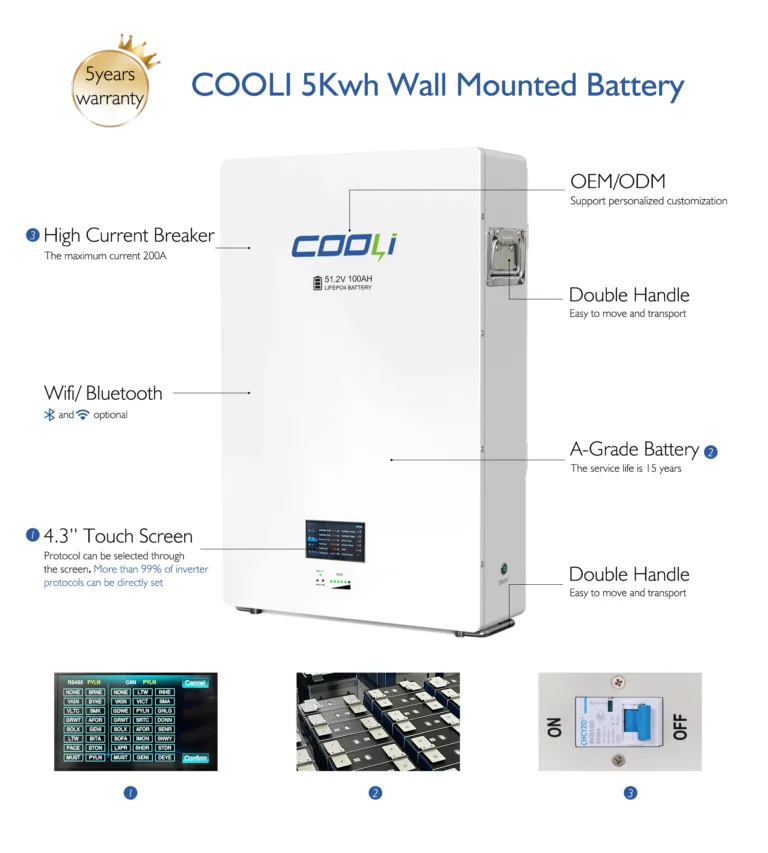
Asieninis akumuliatorius yra kompaktiškas, vertikaliai sumontuotas energijos kaupiklis, skirtas taupyti grindų plotą. Šios sistemos yra populiarios gyvenamosiose ir mažose komercinėse patalpose dėl savo aptakumo, „viskas viename“ dizainas. Pagalvokite apie tokius prekių ženklus kaip „Tesla Powerwall“ ar „LG Chem RESU“ – jie dažnai parduodami kaip „plug and play“ sprendimai namų savininkams..
Pagrindinės sieninių baterijų savybės:
- Vietą taupantis dizainas: Tvirtinama tiesiai prie sienos.
- Integruoti komponentai: Integruoti inverteriai, aušinimo sistemos, ir stebėjimas.
- Estetinis patrauklumas: Diskretiškas, moderni išvaizda.
- Mažesnė talpa: Paprastai 5–15 kWh vienam vienetui.
Kas yra stovo baterija?
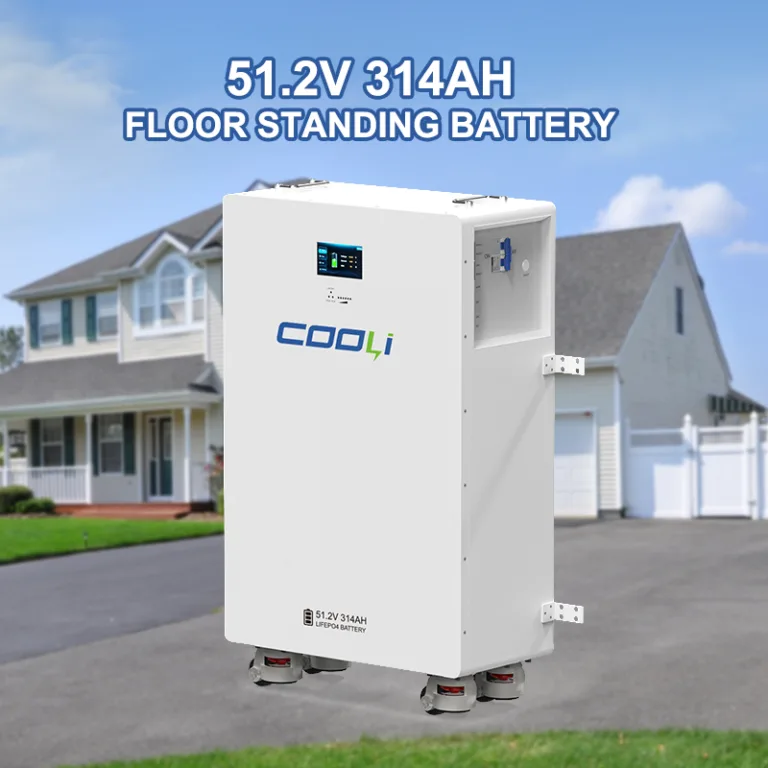
Aserverio stovo baterija (arba ant stovo montuojamas akumuliatorius) yra modulinis, keičiamo dydžio sistema, sukurta taip, kad tilptų į standartizuotus serverių stelažus. Jie dažniausiai naudojami duomenų centruose, didelio masto saulės energijos fermos, ir komerciniams/pramoniniams pritaikymams. Pavyzdžiui, tokie prekių ženklai kaip BYD Battery-Box arba Fortress Power's eVault.
Pagrindinės stovo baterijų savybės:
- Modulinis mastelio keitimas: Norėdami padidinti talpą, sudėkite kelias baterijas į lentyną.
- Pramoninio lygio ilgaamžiškumas: Sukurtas sunkiam važiavimui dviračiu ir ilgaamžiškumui.
- Ekonomiškai efektyvi plėtra: Pridėkite vienetų palaipsniui, kai auga poreikiai.
- Didesnis pajėgumas: Sistemos gali viršyti 100 kWh išplėtus.
Sieninis vs stovo akumuliatorius: 7 Brutalios tiesos
Išskirkime svarbiausius veiksnius, galinčius priimti arba sugadinti jūsų sprendimą:
1. Montavimo erdvė & Lankstumas
- Sieninė baterija: Idealiai tinka ankštoms erdvėms (pvz., garažai, mažos pagalbinės patalpos). Tačiau, vieta yra fiksuota įdiegus.
- Stovo baterija: Reikalingas grindų plotas stovui, tačiau siūlo lanksčią konfigūraciją. Nugalėtojas už mastelį.
2. Išankstinė kaina ir ilgalaikė vertė
- Sieninė baterija: Mažesnės išankstinės išlaidos (~7 000–15 000 USD) bet ribotos išplėtimo galimybės.
- Stovo baterija: Didesnės pradinės investicijos į stovą ir komponentus, bet laikui bėgant pigiau už kWh. Laimėtojas už ilgalaikę IG.
3. Talpa & Energijos poreikiai
- Sieninė baterija: Geriausiai tinka kasdieniam naudojimui namuose (pvz., kompensuojant didžiausias normas, trumpi gedimai).
- Stovo baterija: Sukurta didelės paklausos scenarijams (pvz., gyvenimas ne tinkle, komercinė atsarginė kopija). Nugalėtojas už didelius energijos poreikius.
4. Priežiūra & Remontas
- Sieninė baterija: Užsandarinti blokai reiškia minimalią techninę priežiūrą, bet brangiai kainuojančius pakeitimus, jei komponentas sugenda.
- Stovo baterija: Galima keisti atskirus modulius, sumažinti prastovos laiką. Nugalėtojas už taisomumą.
5. Gyvenimo trukmė ir ilgaamžiškumas
- Sieninė baterija: 10– 15 metų (skiriasi priklausomai nuo prekės ženklo ir naudojimo).
- Stovo baterija: Dažnai 15–20+ metų dėl pramoninio lygio elementų ir keičiamų dalių. Nugalėtojas už ilgaamžiškumą.
6. Estetika vs funkcionalumas
- Sieninė baterija: Sklandžiai įsilieja į namus.
- Stovo baterija: Utilitarinė išvaizda, tačiau pirmenybė teikiama našumui. Laimėtojas priklauso nuo prioritetų.
7. Saugumas & Aušinimas
- Sieninė baterija: Pasyvus aušinimas gali trukdyti labai karštoje aplinkoje.
- Stovo baterija: Aktyvios aušinimo sistemos stelažuose užtikrina stabilią temperatūrą. Nugalėtojas už šilumos valdymą.
Kas turėtų pasirinkti kurį?
- Sieninės baterijos yra skirtos jums, jei:
- Esate namo savininkas, turintis ribotą erdvę.
- Pirmenybę teikiate paprastumui ir estetikai.
- Jūsų dienos energijos poreikis yra mažesnis 20 kWh.
- Stovo baterijos yra skirtos jums, jei:
- Jums reikia keičiamo dydžio saugyklos (pvz., augantis saulės masyvas).
- Esate neprijungtas prie tinklo arba jums reikia atsarginės svarbių sistemų kopijos.
- Kaina už kWh ir ilgalaikis patikimumas yra pagrindiniai prioritetai.
Esmė
Nėra universalaus „geresnio“ varianto – tik tai, kas geriautavo situacija. Sieninės baterijos išsiskiria paprastumu ir erdvės efektyvumu, o stovo baterijos dominuoja mastelio ir ilgaamžiškumo požiūriu. Prieš perkant, paklausti:
- Kiek energijos man reikia dabar prieš vidų 5 metų?
- Ar galiu sau leisti atnaujinti vėliau, ar man reikia ateities sistemos?
- Ar estetika ar neapdorotas veikimas svarbiau?
Pasvėrus šias tiesas, išvengsite brangių apgailestavimų ir investuosite į akumuliatorių sistemą, kuri tikrai atitinka jūsų tikslus.
Reikia pagalbos apsispręsti? Pasidalykite savo naudojimo atveju komentaruose, ir mes padėsime jums pasirinkti teisingą pasirinkimą!
10kWh LiFePO4 baterijos 10kWh saulės baterijų kainos Mianmare 25kWh baterijų sistemos Viskas viename BESS konteineris 4MWh Saudo Arabija BESS Gamintojas Kinija Pigiausia namų baterija Kinijos BESS sprendimai Kinijos DDP didmeninė prekyba Kinijos gamyklos LiFePO4 baterijos Kinijos tinklelio masto BESS Kinijos OEM tiekėjai Komercinė baterijų saugykla Kenija DC ESS sprendimai DDP sprendimas tiesiai į KDR Tiesiogiai Kinija į Afriką Tiesioginis Kinijos ir Afrikos akumuliatorius energijos kaupimo baterija Energijos kaupimo sistemos Pasauliniai ličio baterijų lyderiai A klasės baterija Tinklelio mastelio baterijų saugojimo tiekėjas Namų baterijos olandų šeimoms namų energijos kaupimas Pramoninė BESS Kenija Švino rūgštis vs. Ličio jonų baterijos LiFePO4 „Lifepo4“ baterijos LiFePO4 baterijos Pietų Afrikoje LifePo4 baterija LifePO4 akumuliatoriaus technologija LiFePO4 platintojas Irake LiFePO4 ESS Kenija Ličio jonų baterija ličio jonų baterija Mažesnės kainos Rinkos tendencijos Lauko skysčio aušinimo spinta Saudo Arabijos LiFePO4 pirkimas Keičiami BESS sprendimai pramonei Saulės baterijos saulės sistema „Viskas viename“ krovimas Didmeninė prekyba LiFePO4 saulės baterijomis Didmeninė prekyba saulės baterijomis