Топ 10 Гэрийн нарны зайг хадгалах системүүд нь эрчим хүчийг хамгийн их хэмнэнэ 2026
Агуулга
- Why Home Battery Storage Matters More Than Ever
- Key Factors That Determine Storage Battery Performance
- Топ 10 Home Solar Battery Storage Systems Compared
- Lithium Iron Phosphate vs. Traditional Lithium-Ion for Home Use
- Real-World Scenarios: Which Battery Fits Your Home
- How to Maximize the Lifespan of Your Storage Battery
- What Homeowners Are Saying: Reviews and Common Complaints
- Spotlight: Choosing Between Low-Voltage and High-Voltage ESS
- Түгээмэл асуултууд
- Дүгнэлт

Why Home Battery Storage Matters More Than Ever
Electricity rates keep climbing, and grid outages aren’t getting any rarer. That combination is exactly why more homeowners are pairing solar panels with battery storage instead of just letting excess daytime power vanish back into the grid for pennies. Industry estimates suggest the residential energy storage market could triple in size before the end of the decade, driven largely by rising time-of-use tariffs and stricter building codes in storm-prone regions.
As one energy consultant put it during a recent industry panel: reliability and payback period are now the two things homeowners obsess over — not just raw capacity. That shift matters. A battery that stores a lot of energy but degrades quickly, or one that trips offline during a heatwave, isn’t actually solving the problem it was bought to solve.
This guide breaks down ten storage systems worth considering in 2026, based on cycle life, real-world capacity retention, safety certifications, and total cost of ownership — not just the numbers on a spec sheet.
Key Factors That Determine Storage Battery Performance
Three things separate a battery that lasts a decade from one that needs replacing in three years:
Cell chemistry. Лити төмрийн фосфат (LFP) cells now dominate the home storage market because they tolerate deep discharge cycles far better than older lithium cobalt formulations, often delivering 6,000+ cycles before falling below 80% of original capacity.
Thermal management. Passive cooling works fine in mild climates, but anything installed in a garage that hits 40°C+ in summer needs active thermal regulation, or capacity fade accelerates fast.
Depth of discharge (DoD) rating. A battery rated for 90% DoD gives you more usable capacity per dollar than one limited to 50%, even if the nameplate kWh number looks identical.
Quick tip: Before comparing prices, always check the usable capacity, not just the rated capacity — a 10kWh battery capped at 80% DoD only gives you 8kWh you can actually use.
Топ 10 Home Solar Battery Storage Systems Compared
| Зайны төрөл | Usable Capacity (кВт.ц) | Хүчдэлийн хүрээ | Амьдралын мөчлөг | Хоёр талын аялалын үр ашиг | Баталгаат хугацаа |
|---|---|---|---|---|---|
| LFP Wall-Mount (Бага хүчдэл) | 5.0 – 10.0 | 48В | 6,000+ | 95% | 10 yrs |
| LFP Stackable Modular | 5.0 – 20.0 | 48В | 6,000+ | 94% | 10 yrs |
| High-Voltage LFP Cabinet | 10.0 – 30.0 | 200–400V | 8,000+ | 96% | 10 yrs |
| Lead-Acid Deep Cycle | 5.0 | 12/24В | 500 | 80% | 2 yrs |
| AGM Sealed Lead-Acid | 5.0 | 12/24В | 800 | 82% | 3 yrs |
| NMC Lithium-Ion | 8.0 | 48В | 3,500 | 92% | 8 yrs |
| Salt Water Battery | 4.0 | 48В | 3,000 | 85% | 10 yrs |
| Flow Battery (Vanadium) | 10.0+ | Variable | 10,000+ | 75% | 15 yrs |
| Гибрид инвертер + LFP Combo | 5.0 – 15.0 | 48В | 6,000+ | 95% | 10 yrs |
| C&I-Grade LFP Container | 100+ | 400-800 В | 8,000+ | 96% | 10 yrs |
Lithium Iron Phosphate vs. Traditional Lithium-Ion for Home Use
This is the comparison most homeowners actually need, since it’s rarely explained clearly by installers.
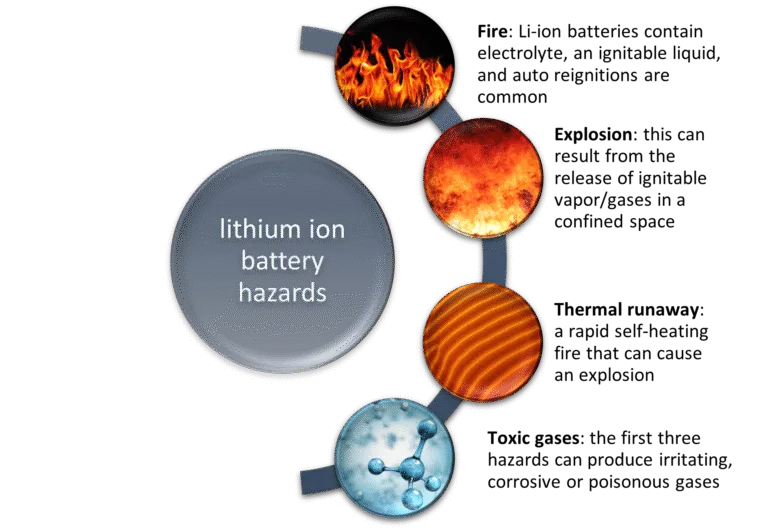
LFP (LiFePO4) trades a bit of energy density for a huge gain in safety and longevity. It’s far more resistant to thermal runaway, which matters if the battery is sitting in an attached garage. Cycle life routinely exceeds 6,000 мөчлөг, which at one cycle per day works out to roughly 16 years of daily use.
NMC/traditional lithium-ion packs slightly more energy into the same footprint, which can matter in space-constrained installations. But it runs hotter, degrades faster under deep cycling, and generally carries a shorter warranty.
Bottom line: for most home solar setups, LFP is the safer default. NMC only makes sense when floor or wall space is genuinely the limiting factor.

Real-World Scenarios: Which Battery Fits Your Home
Small apartment or condo with limited solar: A single low-voltage LFP wall-mount unit (5–10kWh) is usually enough to cover evening usage and avoid peak-rate charges.
Family home with full rooftop solar array: Stackable modular LFP systems let you start at 10kWh and add capacity later without replacing the whole system — useful if your household’s energy needs grow.
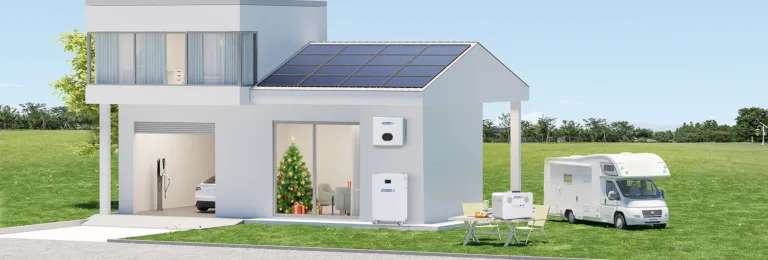
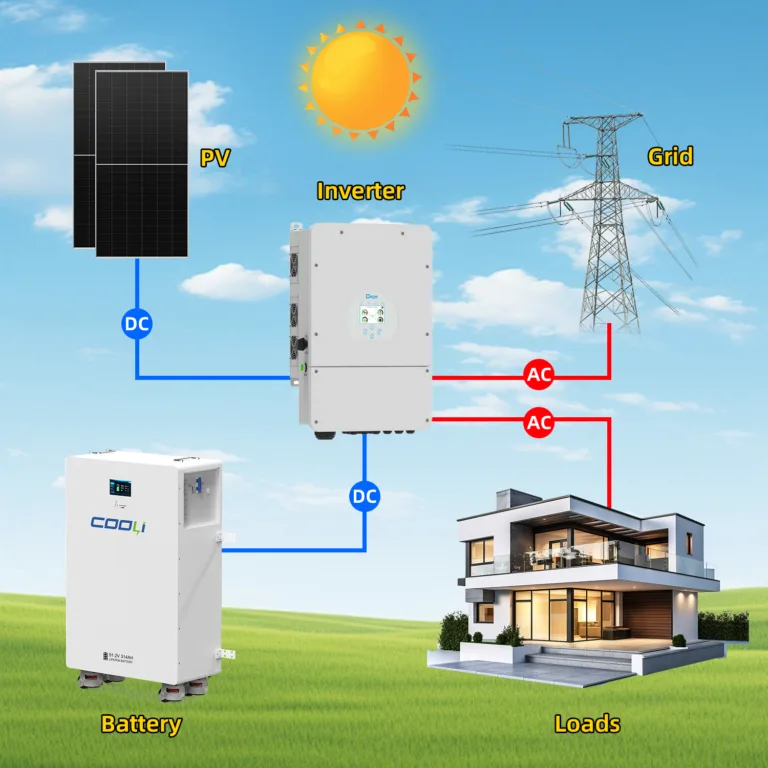
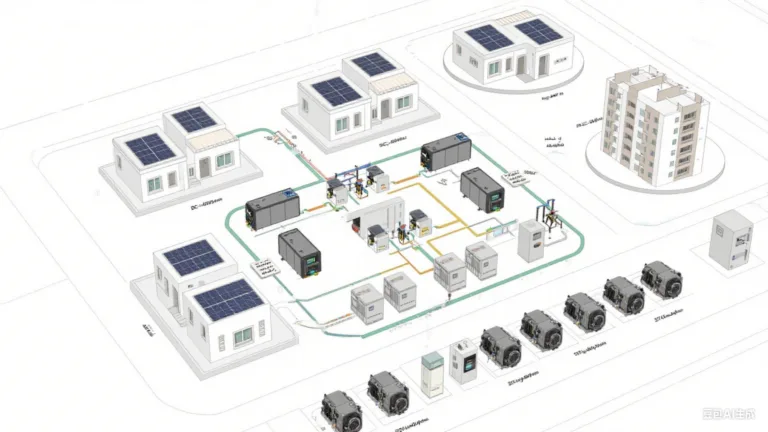
Homes in outage-prone regions: Pairing a high-voltage LFP cabinet with a hybrid inverter gives whole-home backup, not just critical-circuit backup, during multi-day outages.
Small business or workshop attached to the home: This is where C&I-grade systems start making more sense than residential units, since daytime load is higher and more consistent.
How to Maximize the Lifespan of Your Storage Battery
Keep the battery between 20% болон 90% state of charge for daily cycling when possible — constantly running it to 0% or holding it at 100% both accelerate wear, even with LFP chemistry.
Check firmware updates from the manufacturer periodically; many capacity and safety improvements now ship as software updates rather than hardware changes.
Keep the installation area ventilated and out of direct sun exposure. Even LFP systems with built-in thermal management perform better — and last longer — when ambient temperatures stay moderate.
Avoid mixing battery modules of different ages within the same stackable system, since the oldest module effectively limits the performance of the whole stack.
What Homeowners Are Saying: Reviews and Common Complaints
Across owner forums and review sites, a few patterns show up consistently. Homeowners who paired their battery with proper load-shifting settings report the highest satisfaction — those who left factory defaults in place often felt the system “wasn’t saving as much as promised,” which usually traces back to configuration, not hardware.
The most common complaint isn’t about capacity fade — it’s about installer communication and app usability. Owners consistently rate systems higher when the monitoring app clearly shows real-time charge/discharge status and outage history.
Complaints about early capacity loss are disproportionately tied to lead-acid and older NMC systems installed in un-vented garages — reinforcing how much thermal conditions affect real-world lifespan versus lab-tested cycle counts.
Spotlight: Choosing Between Low-Voltage and High-Voltage ESS
For most single-family homes, а low-voltage (48В) modular LFP system hits the sweet spot: easier and cheaper installation, simpler troubleshooting, and enough stackable capacity for typical household loads.
High-voltage ESS systems start to make more financial sense once you’re looking at whole-home backup for larger homes, or if you’re running higher-draw equipment like EV chargers, heat pumps, and workshop tools off the same system. The efficiency gains at scale (less resistive loss) offset the higher upfront system complexity.
If you’re unsure which tier fits your home, the two numbers that matter most are your average daily kWh usage and your peak simultaneous load — both of which your installer or utility bill can tell you before you commit to a system size.
Түгээмэл асуултууд
Дүгнэлт
The right home battery storage system depends less on chasing the highest kWh number and more on matching usable capacity, мөчлөгийн амьдрал, and thermal tolerance to your actual household usage pattern. LFP chemistry has become the practical default for most homes thanks to its long cycle life and strong safety margin, while high-voltage systems earn their keep in larger homes or higher-load situations. Whichever tier you land on, prioritizing proper installation conditions and sensible charge/discharge habits will do more for long-term performance than any single spec on the datasheet.
Have questions about sizing a solar battery system for your home or business? Contact our team for a free consultation.