Insaħħu Darek fl-Afrika: Gwida Sempliċi għall-Għażla tal-Batterija tad-Dar it-Tajba
4 Thrilling Secrets to Picking Your Perfect African Home Battery!
Living in Africa often means dealing with unreliable grid power. Whether you’re facing daily “it-tneħħija tat-tagħbija,” frequent outages, or living completely off-grid, a home energy storage system is no longer a luxury—it’s a necessity for a modern, productive life.
The heart of any solar or backup power system is the battery. But with so many options, kif tagħżel it-tajba? This guide will walk you through the key factors to consider for your African home.
Pass 1: Know Your Power Needs (Il- “How Much?” Question)
Before looking at batteries, you must understand your energy consumption.
- List Essential Appliances: What must you power during an outage? Think fridge, dwal, fannijiet, Wi-Fi router, TV, and a water pump.
- Calculate Daily Energy Use: Check the wattage of each appliance and estimate how many hours you use them daily. The formula is: Watt-sigħat (Wh) = Appliance Wattage (W) × Hours of Use.
- Eżempju: A 50W TV running for 4 hours uses 200Wh.
- Add a Buffer: Sum the Wh for all appliances and add 20-30% as a safety buffer for future needs and inefficiencies.
This total gives you a rough idea of your dailykilowatt-hour (kWh) requirement (1 kWh = 1000 Wh). A system for basics might be 2-5 kWh, while a whole-house backup could be 10 kWh jew aktar.
Pass 2: Understand Battery Types (Il- “Which Technology?” Question)
Mhux il-batteriji kollha huma maħluqa ugwali. Here are the most common types for African homes:
1. Lithium-Ion (Li-jone) – The Modern Champion
- Vantaġġi:
- Ħajja twila: Lasts 5,000-10,000 ċikli (10+ snin).
- Effiċjenza Għolja: Aktar minn 95% of the stored energy is usable.
- Ħfief & Kompatt: Takes up less space.
- Deep Discharge: You can safely use 80-90% of their capacity without damage.
- Manutenzjoni Baxxa: Set it and forget it.
- Cons:
- Spiża Inizjali Ogħla.
- Aħjar Għal: Anyone looking for a long-term, “set-and-forget” soluzzjoni. It’s the best value over time.
2. Lithium Iron Phosphate (LFP) – The Premium & Safest Choice
This is a subtype of Lithium-Ion but deserves its own highlight.
- Vantaġġi: All the benefits of Li-ion, plus:
- Exceptional Safety: Much more stable and resistant to overheating or fire.
- Even Longer Lifespan: Can last over 6,000 ċikli.
- Cons:
- Slightly more expensive than standard Li-ion.
- Aħjar Għal: Families prioritizing safety and the absolute longest lifespan. Highly recommended for hot climates.
3. Ċomb-Aċidu – The Budget Veteran
- Vantaġġi:
- Low Upfront Cost: Cheaper to buy initially.
- Cons:
- Short Lifespan: Biss 500-1,200 ċikli (3-5 snin).
- Tqil & Goffi: Requires strong mounting.
- Low Efficiency: Loses more energy as heat.
- Shallow Discharge: Using more than 50% of its capacity regularly damages it.
- High Maintenance: Requires regular topping up with distilled water and good ventilation due to fumes.
- Aħjar Għal: Those on a very tight budget who don’t mind the shorter lifespan and maintenance.
Pass 3: Key Features to Look For in the African Context
Beyond chemistry, these features are critical for performance and durability.
- Ċiklu Ħajja: This is the number of charge/discharge cycles a battery can handle before its capacity significantly drops. Higher is better. Fl-Afrika, where you might cycle the battery daily, a high cycle life (eż., 6,000+) is crucial for long-term value.
- Fond ta' Kwittanza (DoD): Il-persentaġġ tal-batterija li tista 'tuża. A 10kWh battery with 90% DoD gives you 9kWh of usable energy. Look for a high DoD (80-95% for LFP).
- Klassifikazzjoni tal-Qawwa (kW): How much power the battery can deliver at once. Can it handle the startup surge of a water pump or fridge compressor? Ensure the battery’s power rating meets your highest simultaneous demand.
- Tolleranza tat-Temperatura: African climates can be extremely hot. Check the battery’s operating temperature range. LFP batteries generally handle high temperatures better than other types.
- Skalabbiltà: Can you easily add more batteries later if your needs grow? A modular system is a great investment.
- Sistema ta 'Ġestjoni tal-Batterija (BMS): A smart BMS protects the battery from overcharging, ħatt fil-fond, u sħana żejda. This is a non-negotiable feature.
Pass 4: Making the Final Choice
Let’s match scenarios with solutions:
- Scenario A: Urban Home with Daily Power Cuts (2-4 sigħat)
- Ħtieġa: Power for lights, TV, friġġ, internet.
- Rakkomandazzjoni: A 5-10kWh Lithium (LFP preferred) batterija. It’s a perfect balance of lifespan, sigurtà, and sufficient capacity to bridge daily gaps without stress.
- Scenario B: Remote Off-Grid Homestead
- Ħtieġa: Complete energy independence for all household needs, including a water pump and power tools.
- Rakkomandazzjoni: A large, skalabbli LFP battery bank (10kWh+). The long cycle life and deep discharge capability are essential for daily, heavy use. Don’t compromise on quality.
- Scenario C: Tight Budget for Basic Backup
- Ħtieġa: Keep lights on and phone charged during outages.
- Rakkomandazzjoni: A small Lithium-ion system is still the best choice. If the budget is too tight, a Ċomb-Aċidu battery can be a temporary solution, but be prepared for replacement costs sooner.

Final Checklist Before You Buy:
- My Energy Audit: I know my daily kWh needs.
- My Budget: I’ve considered long-term value, not just upfront cost.
- My Choice: I’m leaning towards Lithium (especially LFP) for its safety and lifespan.
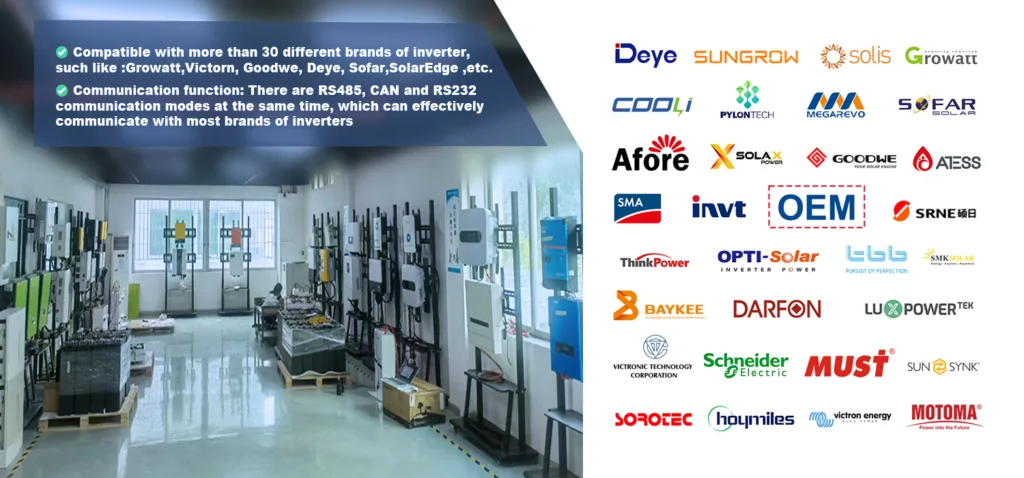
- Kompatibilità: I will ensure the battery works with my existing or planned inverter and solar panels.
- Garanzija & Appoġġ: I’m choosing a reputable brand with a solid warranty and, b'mod kruċjali, local technical support in my country.
Investing in a home battery is an investment in comfort, produttività, u serħan tal-moħħ. By choosing wisely, you can ensure your home remains powered, jiġri x'jiġri mill-grid.
Stay Powered!