
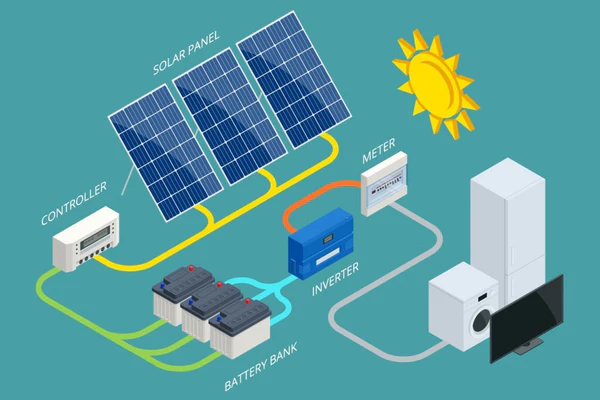
ဆိုလာဘက်ထရီစွမ်းရည်ကို ဘယ်လိုတွက်မလဲ။? 3 ပြီးပြည့်စုံသောအရွယ်အစားသို့ခြေလှမ်းများ
(အာဖရိကအိမ်များနှင့် စီးပွားရေးလုပ်ငန်းများအတွက် လက်တွေ့လမ်းညွှန်, တောင်အာဖရိကကို အာရုံစိုက်ပါ။)
အာဖရိကရှိ Load-Shedding Schedules နှင့် ကိုက်ညီသော ဆိုလာဘက်ထရီ စွမ်းဆောင်ရည်
တောင်အာဖရိကနှင့် အာဖရိက၏ အခြားဒေသများကဲ့သို့ ဒေသများတွင်, မကြာခဏ ဓာတ်အားပြတ်တောက်မှုနှင့် စိတ်မချရသော ဂရစ်လျှပ်စစ်ဓာတ်အားသည် အိမ်များနှင့် စီးပွားရေးလုပ်ငန်းများအတွက် နေရောင်ခြည်စွမ်းအင်ကို အသက်သွေးကြောဖြစ်စေသည်။. ဆိုလာတပ်ဆင်မှုတိုင်း၏ အရေးကြီးသော အစိတ်အပိုင်းမှာ ဘက်ထရီဖြစ်သည်။, နေရောင်ခြည်မထွန်းလင်းချိန်တွင် အသုံးပြုရန်အတွက် စွမ်းအင်ကို သိုလှောင်ထားခြင်းဖြစ်သည်။. သို့သော်, ဘက်ထရီပမာဏကို မှားယွင်းစွာရွေးချယ်ခြင်းက ပိုက်ဆံကို အလဟသဖြစ်စေနိုင်ပါတယ်။, ပါဝါမလုံလောက်, သို့မဟုတ် ဘက်ထရီသက်တမ်း တိုစေပါသည်။.
ဤလမ်းညွှန်သည် တွက်ချက်ခြင်းလုပ်ငန်းစဉ်ကို ပိုင်းခြားထားသည်။ နေရောင်ခြည်စွမ်းအင်သုံးဘက်ထရီစွမ်းရည် ရိုးရှင်းသောအဆင့်သုံးဆင့်သို့, အာဖရိက၏ ထူးခြားသော စွမ်းအင်လိုအပ်ချက်များနှင့် အံဝင်ခွင်ကျဖြစ်စေသည်။, ရာသီဥတု, နှင့် နေရောင်ခြည် အလားအလာ.

အဆင့် 1: သင်၏နေ့စဉ်စွမ်းအင်သုံးစွဲမှုကို ဆုံးဖြတ်ပါ။
သင်၏ဘက်ထရီကိုအရွယ်အစားမချမီ, သင်သိရန်လိုအပ်သည်။သင့်အိမ်ထောင်စု သို့မဟုတ် လုပ်ငန်းက တစ်နေ့တာ စွမ်းအင်ဘယ်လောက်သုံးလဲ။.
- လျှပ်စစ်ပစ္စည်းများအားလုံးကို စာရင်းပြုစုပါ။ နေရောင်ခြည်ဖြင့် စွမ်းအင်ထုတ်ရန် သင်စီစဉ်ထားသည်။.
- အာဖရိကအိမ်ထောင်စုများတွင် ပုံမှန်သုံးပစ္စည်းများ: LED မီးများ (5-10W), ရေခဲသေတ္တာများ (100-200W), တီဗီများ (50-100W), ပရိသတ်များ (50ဒဗလျူ), မိုဘိုင်းအားသွင်းကိရိယာများ (10ဒဗလျူ), ရေစုပ်စက်ငယ်များ၊ (200-500W).
- စီးပွားရေးလုပ်ငန်းများအတွက်: ကွန်ပျူတာများ, routers များ, လုံခြုံရေးကင်မရာများ, သို့မဟုတ် စက်ယန္တရားများ.
- နေ့စဥ်သုံးစွမ်းအင်ကို တွက်ချက်ပါ။ (ဝပ်နာရီအတွင်း, Wh):
- ပါဝါ (ဒဗလျူ) × တစ်နေ့လျှင် အသုံးပြုမှု နာရီ = စက်တစ်လုံးအတွက် နေ့စဉ် စွမ်းအင်.
- ဥပမာ:
- 5 LED မီးများ (10W တစ်ခုစီ) × 6 နာရီ = 300 Wh
- ရေခဲသေတ္တာ (150ဒဗလျူ) × 24 နာရီ (ဖွင့်/ပိတ် လည်ပတ်သည်။) ≈ 900 Wh
- တီဗွီ (80ဒဗလျူ) × 4 နာရီ = 320 Wh
- စုစုပေါင်းနေ့စဉ်စွမ်းအင် = 300 + 900 + 320 = 1,520 Wh (1.52 kWh)
- ထိရောက်မှု မရှိခြင်းတွင် အချက်တစ်ချက်:
- အင်ဗာတာ စွမ်းဆောင်ရည် အားနည်းခြင်းကြောင့် ဆိုလာစနစ်များ စွမ်းအင်ဆုံးရှုံးသည်။ (~10-20%) နှင့် ဘက်ထရီ အားသွင်းခြင်း/ အားသွင်းခြင်း ဆုံးရှုံးမှုများ (~10-15%).
- တစ်နေ့တာ စွမ်းအင်စုစုပေါင်းကို မြှောက်ပါ။1.3 (30% ကြားခံ):
- 1.52 kWh × 1.3 = တစ်နေ့လျှင် 2 kWh.
အဆင့် 2: ကိုယ်ပိုင်အုပ်ချုပ်ခွင့်ရက်များအပေါ် အခြေခံ၍ ဘက်ထရီစွမ်းရည်ကို တွက်ချက်ပါ။
ဘက်ထရီ ပမာဏပေါ်မူတည်ပါတယ်။အရန်ဓာတ်အား ဘယ်နှစ်ရက်လိုလဲ။ (ကိုယ်ပိုင်အုပ်ချုပ်ခွင့်နေ့ရက်များ). တောင်အာဖရိကမှာ, Load-Shed သည် အဖြစ်များသောနေရာတွင်, 2- ကိုယ်ပိုင်အုပ်ချုပ်ခွင့် ၃ ရက်သည် လက်တွေ့ကျသည်။.
1.ဖော်မြူလာ:
ဘက်ထရီ စွမ်းဆောင်ရည်(kWh)=နေ့စဉ်စွမ်းအင်(kWh)× ကိုယ်ပိုင်အုပ်ချုပ်ခွင့်နေ့ရက်များ
- ဥပမာ: အဘို့ 2 ကိုယ်ပိုင်အုပ်ချုပ်ခွင့်နေ့ရက်များ:
2 kWh/day×2 days=4 kWh
2.kWh ကို Amp-Hours သို့ ပြောင်းပါ။ (ဩ):
- ဘက်ထရီအား သီးခြားဗို့အားတွင် Ah ဖြင့် အဆင့်သတ်မှတ်သည်။ (ဥပမာ, 12v, 24v, 48v).
- ဖော်မြူလာ:

- ဥပမာ: 48V စနစ်အတွက်:

3.Depth of Discharge တွင်အချက် (DoD):
- ဘက်ထရီအများစု (ဥပမာ, လစ်သီယမ်-အိုင်းယွန်း) 80-90% DoD အောက် မထုတ်သင့်ပါ။. ခဲ-အက်ဆစ် ဘက်ထရီများကို ကန့်သတ်ထားသည်။ 50% DoD.
- စွမ်းရည်ကို ချိန်ညှိပါ။:

- ဥပမာ: လစ်သီယမ်-အိုင်းယွန်းအတွက် (90% DoD):

အဆင့် 3: ဘက်ထရီ စွမ်းဆောင်ရည်ကို ဆိုလာပြား အထွက်နှင့် ယှဉ်ပါ။
သင့်ဘက်ထရီသည် သင့်ဆိုလာပြားခင်းကျင်းမှု၏ အားသွင်းနိုင်စွမ်းနှင့် ချိန်ညှိရပါမည်။.
- နေရောင်ခြည်စွမ်းအင်ကို နေ့စဉ်စစ်ဆေးပါ။:
- တောင်အာဖရိက ပျမ်းမျှ4- နေ့စဥ် နေထွက်ချိန် ၆ နာရီ (ရာသီအလိုက်ကွဲပြားသည်။).
- ဖော်မြူလာ:ဆိုလာပြားအထွက်(Wh)=Panel Wattage×Sun HoursSolar Panel Output(Wh)=Panel Wattage × Sun နာရီ
- ဥပမာ: 400W အပြား × 5 နေနာရီ = နေ 2,000 Wh (2 kWh).
- အကန့်များသည် ဘက်ထရီကို အားပြန်သွင်းနိုင်ကြောင်း သေချာပါစေ။:
- နေ့စဥ် နေရောင်ခြည်စွမ်းအင်ကို နေ့စဉ်သုံးစွဲမှုထက် ကျော်လွန်သင့်သည်။.
- ဥပမာ: သုံးရင် 2 kWh/day နှင့် ထုတ်လုပ်သည်။ 2 kWh/day, တိမ်ထူသောနေ့များအတွက် အပိုစွမ်းဆောင်ရည် လိုအပ်ပါသည်။.
- စနစ်တိုးချဲ့မှုအတွက်အကောင့်:
- အနာဂတ်လိုအပ်ချက်များအတွက် 20-30% အပိုဘက်ထရီပမာဏကို ထည့်ပါ။ (ဥပမာ, ပစ္စည်းများထည့်ခြင်း။).
အာဖရိကအသုံးပြုသူများအတွက် အဓိက ထည့်သွင်းစဉ်းစားချက်များ
- ဓာတ်ခဲအမျိုးအစား:
- လစ်သီယမ်-အိုင်းယွန်း: သက်တမ်းပိုရှည်တယ်။ (10+ နှစ်များ), DoD ပိုမြင့်တယ်။ (90%), ဒါပေမယ့် အကုန်အကျများတယ်။.
- ခဲ-အက်ဆစ်: စျေးသက်သာသော်လည်း သက်တမ်းတိုပါသည်။ (3-၅ နှစ်) နှင့် DoD အောက် (50%).
- အပူချိန်:
- မြင့်မားသောအပူချိန် (အာဖရိကတွင် အဖြစ်များသည်။) ဘက်ထရီစွမ်းဆောင်ရည်ကို လျှော့ချပါ။. အရိပ်ထဲတွင် ဘက်ထရီတပ်ဆင်ပါ။, လေဝင်လေထွက်ကောင်းသောနေရာများ.
- ဒေသဆိုင်ရာပံ့ပိုးကူညီမှု:
- သင့်ဒေသရှိ ဝန်ဆောင်မှုစင်တာများပါရှိသော အမှတ်တံဆိပ်များကို ရွေးချယ်ပါ။ (ဥပမာ, ဟွာဝေး, Victron စွမ်းအင်, သို့မဟုတ် ဒေသတွင်း ပေးသွင်းသူများ).
တောင်အာဖရိက အိမ်ထောင်စုအတွက် ဥပမာ တွက်ချက်ခြင်း။
- ကရိယာ: 10 မီးများ (100W စုစုပေါင်း), ရေခဲသေတ္တာ (150ဒဗလျူ), တီဗွီ (80ဒဗလျူ), ပန်ကာ (50ဒဗလျူ).
- နေ့စဉ်စွမ်းအင်: 1.5 kWh + 30% ကြားခံ = 1.95 kWh.
- ကိုယ်ပိုင်အုပ်ချုပ်ခွင့်: 2 ရက် → 3.9 kWh.
- ဘက်ထရီဗို့အား: 48V → 3.9 kWh × 1,000 / 48V= 81.25 ဩ.
- လစ်သီယမ်-အိုင်းယွန်း (90% DoD): 81.25 ဩ / 0.9 ≈ 90 ဩ.
- ဘက်ထရီကို အကြံပြုထားသည်။: 100 အိုက်သီယမ်-အိုင်းယွန်း (48v).
နောက်ဆုံးအချက်များ
- တိကျမှုအတွက် ဆိုလာဂဏန်းတွက်စက်ကို အသုံးပြုပါ။.
- သင့်ဒီဇိုင်းကို အတည်ပြုရန် ဒေသတွင်း တပ်ဆင်သူများနှင့် တိုင်ပင်ပါ။.
- ဘက်ထရီ အရွယ်အစားနှင့် ကုန်ကျစရိတ်ကို လျှော့ချရန်အတွက် စွမ်းအင်သက်သာသော စက်ပစ္စည်းများကို ဦးစားပေးပါ။.
ဤအဆင့်များကိုလိုက်နာခြင်းဖြင့်, သင်၏ ဆိုလာဘက်ထရီစနစ်သည် သင့်လိုအပ်ချက်များနှင့် ကိုက်ညီကြောင်း သေချာစေမည်ဖြစ်သည်။, ဝန်ချခြင်းကို ရှင်သန်စေသည်။, အာဖရိက၏ရာသီဥတုကိုခံနိုင်ရည်ရှိသည်။. 🌞🔋
နောက်ထပ်စာဖတ်ခြင်း။:
- [48V 100Ah လီသီယမ်ဘက်ထရီ နံရံတွင်တပ်ဆင်ထားသော နောက်ဆုံးလမ်းညွှန်: ဖြေဆိုခြင်း။ 5 အဓိကမေးခွန်းများ]
- [48V 200Ah ဆိုလာဘက်ထရီ ယူဂန်ဒါ: ပြတ်တောက်မှုများကို ဖြေရှင်းပါ။ & ကုန်ကျစရိတ်များကို ချွေတာပါ။]
10kWh LiFePO4 ဘက်ထရီများ 10မြန်မာနိုင်ငံတွင် kWh ဆိုလာဘက်ထရီကုန်ကျစရိတ် 25kWh ဘက်ထရီစနစ်များ All-in-One BESS ကွန်တိန်နာ 4MWh ဆော်ဒီ BESS ထုတ်လုပ်သူ တရုတ်နိုင်ငံ စျေးအသက်သာဆုံး အိမ်သုံး ဘက်ထရီ China BESS ဖြေရှင်းချက်များ တရုတ် DDP လက်ကား တရုတ်စက်ရုံမှ LiFePO4 ဘက်ထရီများ China Grid-Scale BESS တရုတ် OEM ပေးသွင်းသူများ လုပ်ငန်းသုံး ဘက်ထရီသိုလှောင်မှု ကင်ညာ DC ESS ဖြေရှင်းချက်များ DDP ဖြေရှင်းချက် DRC သို့ တိုက်ရိုက် တရုတ်ကို အာဖရိကတိုက်ကို တိုက်ရိုက်ပို့တယ်။ အာဖရိကဘက်ထရီကို တရုတ်သို့ တိုက်ရိုက်ပို့ပါ။ စွမ်းအင်သိုလှောင်မှုဘက်ထရီ စွမ်းအင်သိုလှောင်မှုစနစ်များ ကမ္ဘာလုံးဆိုင်ရာ လီသီယမ်ဘက်ထရီ ခေါင်းဆောင်များ အဆင့် A ဘက်ထရီ Grid-Scale ဘက်ထရီသိုလှောင်မှု ပေးသွင်းသူ ဒတ်ခ်ျမိသားစုများအတွက် အိမ်ဘက်ထရီ အိမ်တွင်းစွမ်းအင်သိုလှောင်မှု စက်မှု BESS ကင်ညာ ခဲ-အက်ဆစ် vs. Lithium-Ion ဘက်ထရီများ LiFePO4 LiFePO4 ဘက်ထရီများ တောင်အာဖရိကရှိ LiFePO4 ဘက်ထရီများ LifePo4 ဘက်ထရီ LifePO4 ဘက်ထရီနည်းပညာ အီရတ်ရှိ LiFePO4 ဖြန့်ဖြူးသူ LiFePO4 ESS ကင်ညာ Lithium-Ion ဘက်ထရီ လီသီယမ်အိုင်းယွန်းဘက်ထရီ လျှော့စျေးများ စျေးကွက်လမ်းကြောင်းများ Outdoor Liquid Cooling Cabinet ဆော်ဒီ LiFePO4 ဝယ်ယူရေး စက်မှုလုပ်ငန်းအတွက် အတိုင်းအတာအထိ BESS ဖြေရှင်းချက် ဆိုလာပြားများ ဆိုလာစနစ် All-in-One ကို ပေါင်းစည်းခြင်း။ LiFePO4 ဆိုလာဘက်ထရီ လက်ကား လက်ကား ဆိုလာဘက်ထရီ

မှတ်ချက်တစ်ခု