
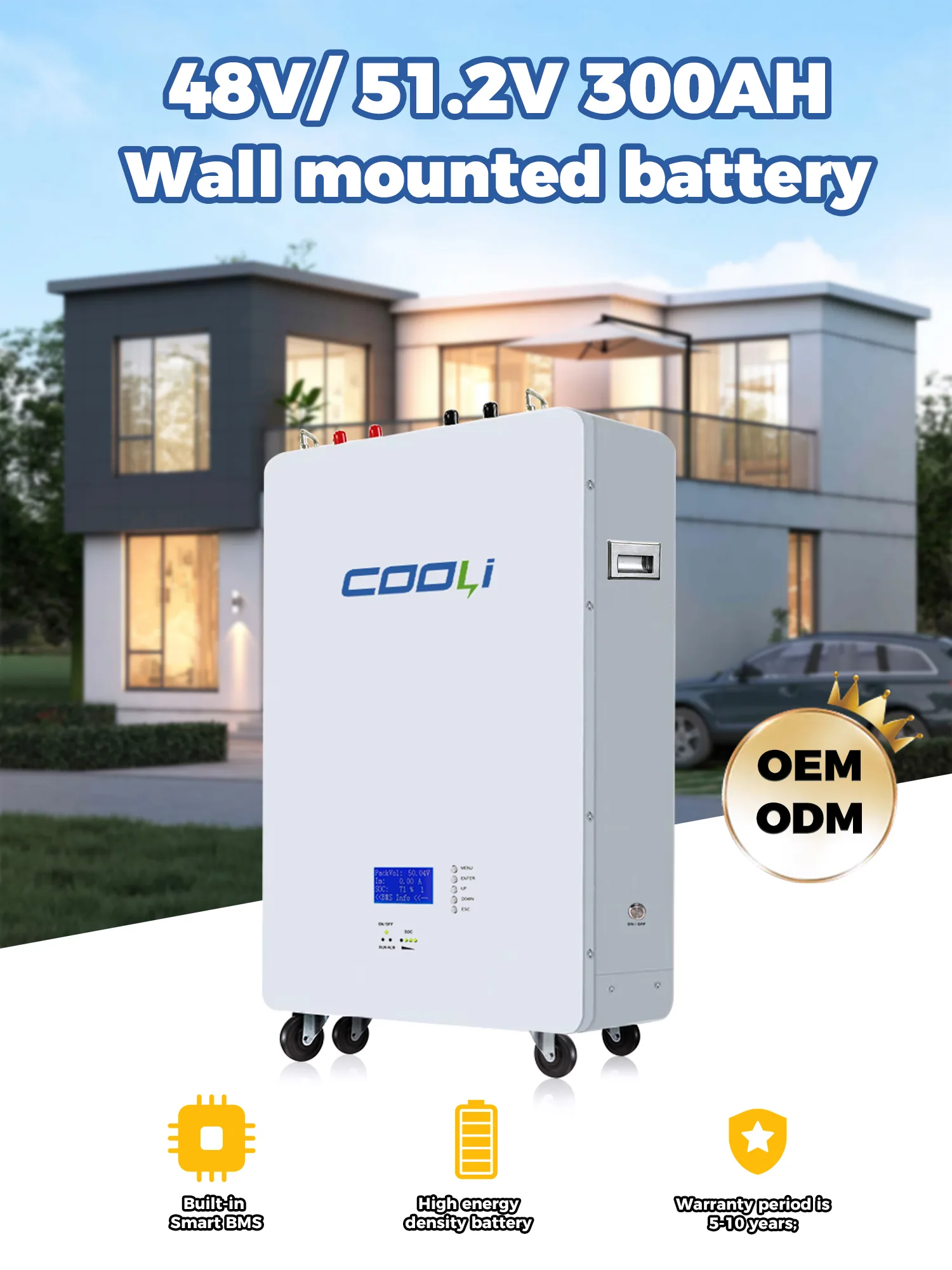
300Ah LiFePO4-batterij: Belangrijke vragen beantwoord
De300Ah LiFePO4-batterij heeft aan populariteit gewonnen in hernieuwbare energiesystemen, Campers, maritieme toepassingen, en off-grid opstellingen vanwege de hoge capaciteit, veiligheid, en lange levensduur. Echter, gebruikers hebben vaak vragen over de prestaties ervan, beperkingen, en technische specificaties. In dit artikel worden de meest voorkomende vragen beantwoord, het verstrekken van een uitgebreide gids voor potentiële kopers en liefhebbers.
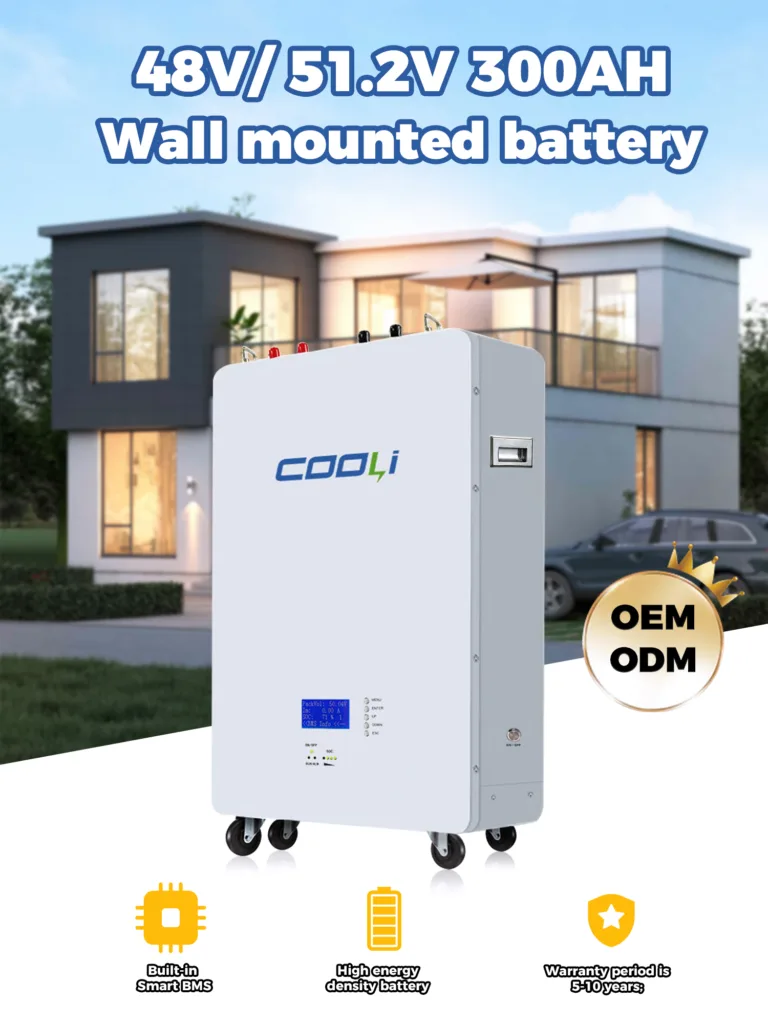
1. Wat zijn de nadelen van LiFePO4-batterijen?
Terwijl LiFePO4 (Lithium-ijzerfosfaat) batterijen staan bekend om hun veiligheid en duurzaamheid, ze hebben wel enkele beperkingen:
- Lagere energiedichtheid: Vergeleken met andere lithium-ionchemie (bijv., NMC of LCO), LiFePO4 slaat minder energie op per gewichts- of volume-eenheid, waardoor ze omvangrijker worden voor toepassingen met hoog energieverbruik, zoals smartphones of elektrische voertuigen.
- Hogere initiële kosten: Hoewel het in de loop van de tijd kosteneffectief is vanwege de lange levensduur, de prijzen vooraf zijn 2 à 3x hoger dan die van loodzuurbatterijen.
- Temperatuurgevoeligheid: Prestaties nemen af bij extreme kou (onder -20°C) of hitte (boven 60°C). Hoewel ze een groter bereik tolereren dan loodzuur, langdurige blootstelling aan hoge temperaturen vermindert de capaciteit.
- Langzamer opladen: LiFePO4 laadt doorgaans langzamer op dan andere lithiumvarianten, waarvoor gespecialiseerde opladers nodig zijn om schade te voorkomen.
Ondanks deze nadelen, hunveiligheid (onbrandbaar, zelfs onder stress) Encyclus leven (2,000–5.000+ cycli) maken ze ideaal voor zonne-opslag, Campers, en back-upstroom.
2. Hoe lang gaat een LiFePO4-batterij van 300 Ah mee??
De looptijd van een 300Ah accu is afhankelijk van:
- Laad vermogen: Voor een apparaat van 500 W, looptijd = batterij-energie(kWh)/Laad vermogen(kW)
- Diepte van ontlading (DoD): LiFePO4-batterijen kunnen veilig ontladen tot 80-90% DoD zonder noemenswaardige achteruitgang.
Voorbeeld:
Een 48V 300Ah LiFePO4-accu slaat op14.4 kWh (48V × 300Ah). Bij 80% DoD (11.5 kWh bruikbaar), het voeden van een belasting van 1 kW zou ongeveer 11,5 uur duren. Voor een camperkoelkast van 300 W, looptijd strekt zich uit tot ~38 uur.
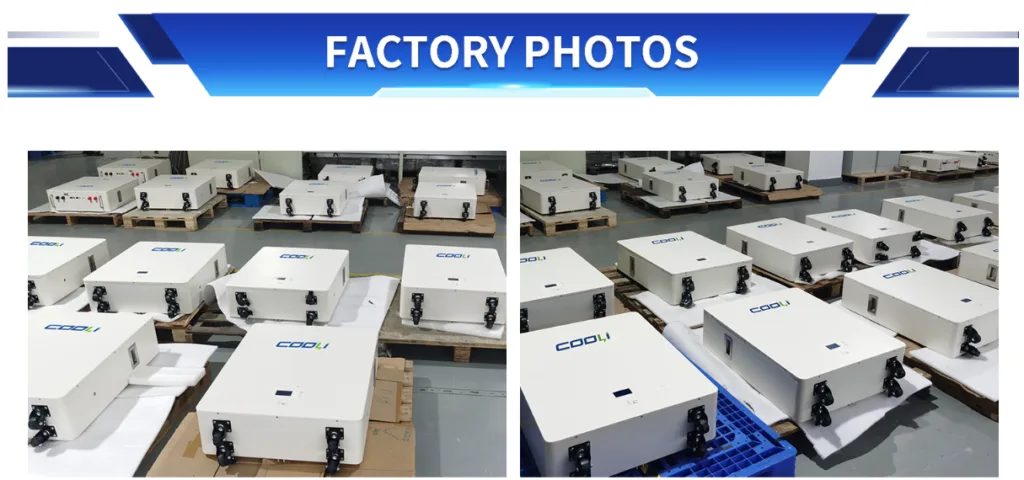
3. Hoeveel kWh is een 48V 300Ah-batterij?
A48V 300 Ah LiFePO4-batterij levert:
48V×300Ah=14.400Wh=14,4 kWh
Deze capaciteit is geschikt voor grootschalige toepassingen zoals zonne-opslagsystemen of elektrische voertuigen. Ter vergelijking:
- Een 12V 300Ah accu zorgt voor3.84 kWh (12V × 300Ah).
- Hogere spanning (bijv., 51.2V) configuraties verbeteren de efficiëntie in industriële opstellingen.
4. 25.6In versus. 51.2V: Wat is het verschil?
LiFePO4-batterijen zijn modulair, waardoor serieverbindingen hogere spanningen kunnen bereiken:
- 25.6V: Typisch een configuratie met 8 cellen (8 × 3,2 V per cel), gebruikt in middelgrote systemen zoals golfkarretjes of kleine zonne-opstellingen.
- 51.2V: Een opstelling met 16 cellen, Ideaal voor toepassingen met hoog vermogen, zoals serverracks of commerciële energieopslag.
Belangrijke overweging: Een hogere spanning vermindert de stroom, het minimaliseren van energieverlies in de bedrading en het verbeteren van de efficiëntie voor grote installaties.

5. Is LiFePO4 beter dan andere lithiumbatterijen?
LiFePO4 blinkt uit inveiligheid Enlevensduur maar blijft qua energiedichtheid achter in vergelijking met lithium-ion (Li-ion) varianten:
| Functie | LiFePO4 | Traditionele Li-ion |
|---|---|---|
| Veiligheid | Niet-ontvlambaar, stabiel | Risico op thermische runaway |
| Cyclus leven | 2,000–5.000+ cycli | 500–1.000 cycli |
| Energiedichtheid | 90–120 Wh/kg | 150–200 Wh/kg |
| Kosten | Hoger vooraf | Lager vooraan |
Beste voor:
- LiFePO4: Zonne-opslag, Campers, marien, noodstroom.
- Li-ion: Consumentenelektronica, EV's die een compact formaat vereisen.
6. Belangrijke overwegingen voor 300 Ah LiFePO4-batterijen
- GBS (Batterijbeheersysteem): Zorgt voor bescherming tegen overbelasting, overmatige ontlading, en kortsluitingen.
- Verenigbaarheid: Gebruik LiFePO4-specifieke opladers (bijv., 14.6V voor 12V-systemen) om schade te voorkomen.
- Opslag: Bewaren met een lading van 50-80% in een koele omgeving, droge omstandigheden om de levensduur te verlengen.
Conclusie
De300Ah LiFePO4-batterij is een robuuste keuze voor hoge capaciteit, energiebehoefte op lange termijn, veiligheid in evenwicht brengen, en betrouwbaarheid. Hoewel het beperkingen heeft zoals een lagere energiedichtheid en hogere initiële kosten, de voordelen op het gebied van levensduur en thermische stabiliteit maken het tot een topkandidaat voor hernieuwbare energie en off-grid-toepassingen.
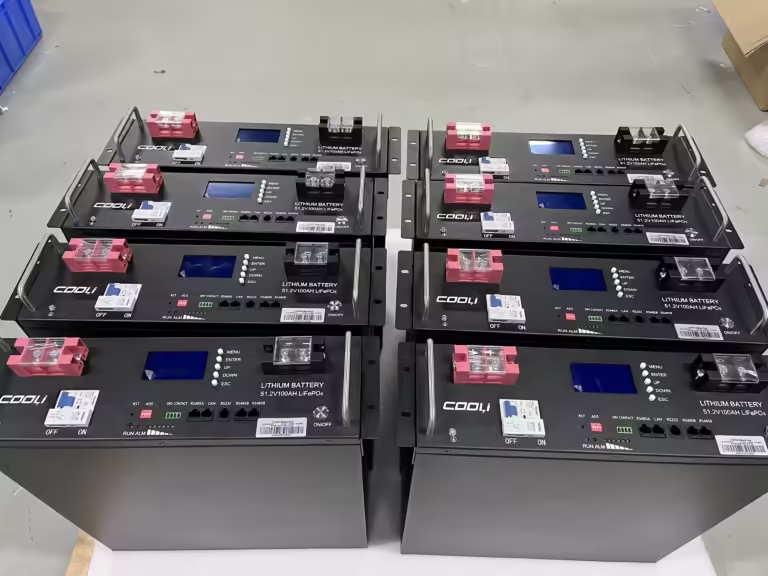
Voor oplossingen op maat, Ontdek producten zoals deLifepo4-batterij 300ah of modulaire 48V-serverrackbatterijen. Controleer altijd de specificaties bij de fabrikanten om aan de vereisten van uw systeem te voldoen.
10kWh LiFePO4-batterijen 10kWh-zonnebatterijkosten in Myanmar 25kWh-batterijsystemen Alles-in-één BESS Container 4MWh Saoedi-Arabië BESS-fabrikant China Goedkoopste thuisbatterij China BESS-oplossingen China DDP-groothandel Chinese fabriek LiFePO4-batterijen China rasterschaal BESS Chinese OEM-leveranciers Commerciële batterijopslag Kenia DC ESS-oplossingen DDP-oplossing rechtstreeks naar de DRC Direct China naar Afrika Direct China naar Afrika Batterij energie opslag batterij Energieopslagsystemen Wereldwijde leiders op het gebied van lithiumbatterijen Klasse A-batterij Leverancier van batterijopslag op rasterschaal Thuisbatterijen voor Nederlandse gezinnen energieopslag in huis Industrieel BESS Kenia Loodzuur vs. Lithium-ionbatterijen LiFePO4 LiFePO4-batterijen LiFePO4-batterijen in Zuid-Afrika LifePo4-batterij LifePO4-batterijtechnologie LiFePO4-distributeur in Irak LiFePO4 ESS Kenia Lithium-ionbatterij lithium ion batterij Lagere prijzen Markttrends Buitenkast voor vloeistofkoeling Saoedische LiFePO4-inkoop Schaalbare BESS-oplossingen voor de industrie Zonnepanelen zonnestelsel Alles-in-één stapelen Groothandel LiFePO4 zonnebatterijen Groothandel in zonnebatterijen

目录册-23.6.7修改_04-768x569.webp "5 Kritieke Saoedische LiFePO4-aankoopregels: Redden & Voldoen aan!")