Breng een revolutie teweeg in de energie in huis: 48V 100Ah lithiumbatterijen besparen $ 1,2K/jaar!
Energieopslagsystemen voor thuis: Synergie tussen 48V 100Ah lithiumbatterijen en bidirectionele omvormers
Met de toenemende adoptie van hernieuwbare energie en de vraag naar efficiënt energiebeheer in huis, 48V 100Ah lithiumbatterijen (bijv., “Accu 48V 100Ah”) gepaard met accu-omvormers voor thuis zijn in opkomst als cruciale technologieën voor het bereiken van zelfvoorziening op energiegebied in moderne huishoudens. Dit artikel onderzoekt de systeemarchitectuur, operationele principes, voordelen, en toekomstige trends van deze oplossingen.
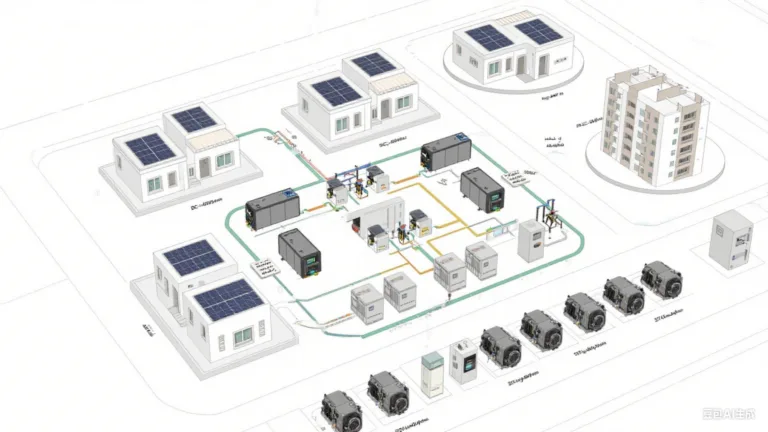
1. Systeemarchitectuur en operationele principes
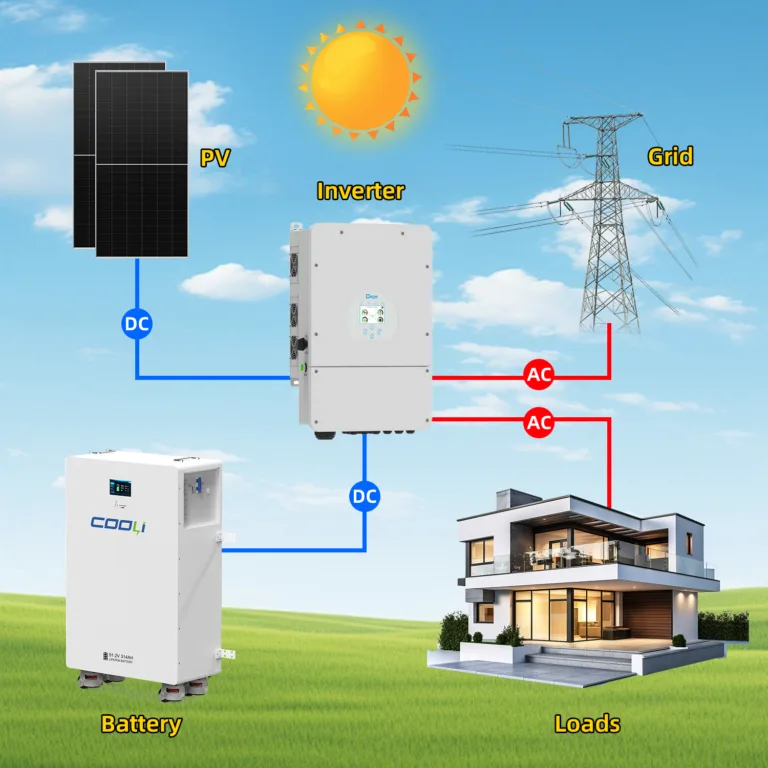
Een typisch energieopslagsysteem voor thuis bestaat uit drie kerncomponenten:
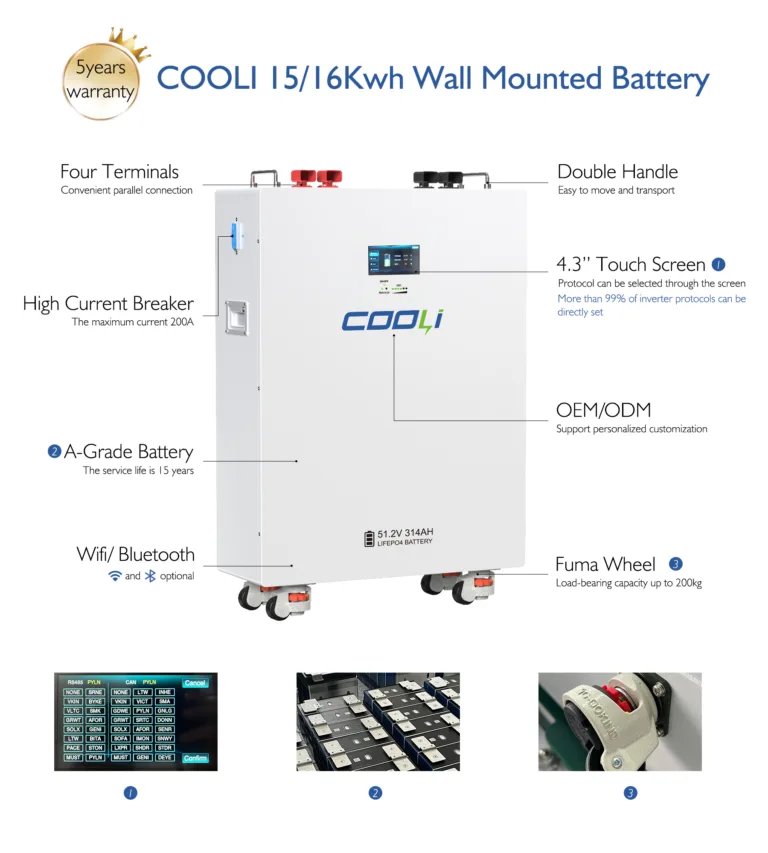
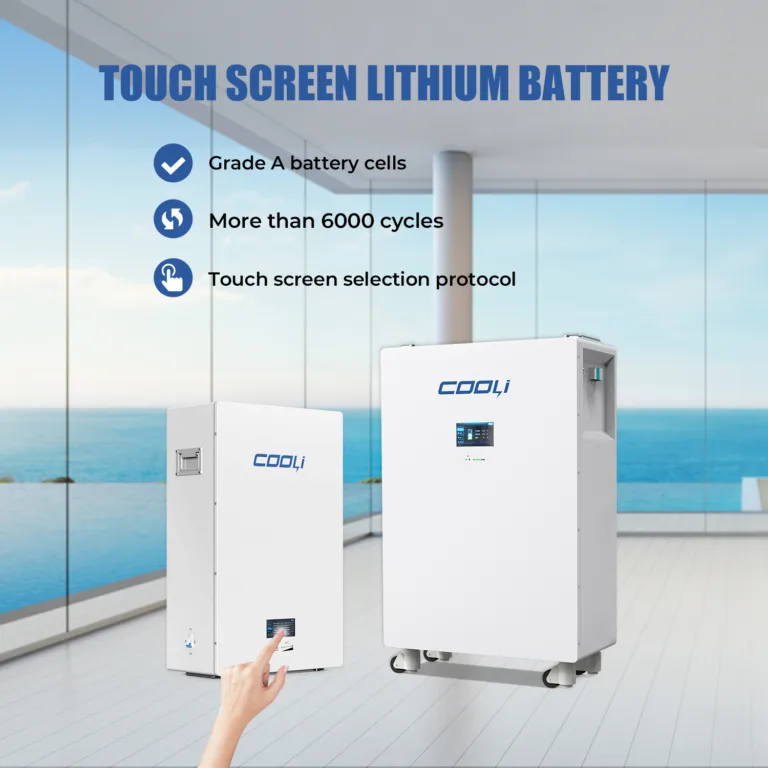
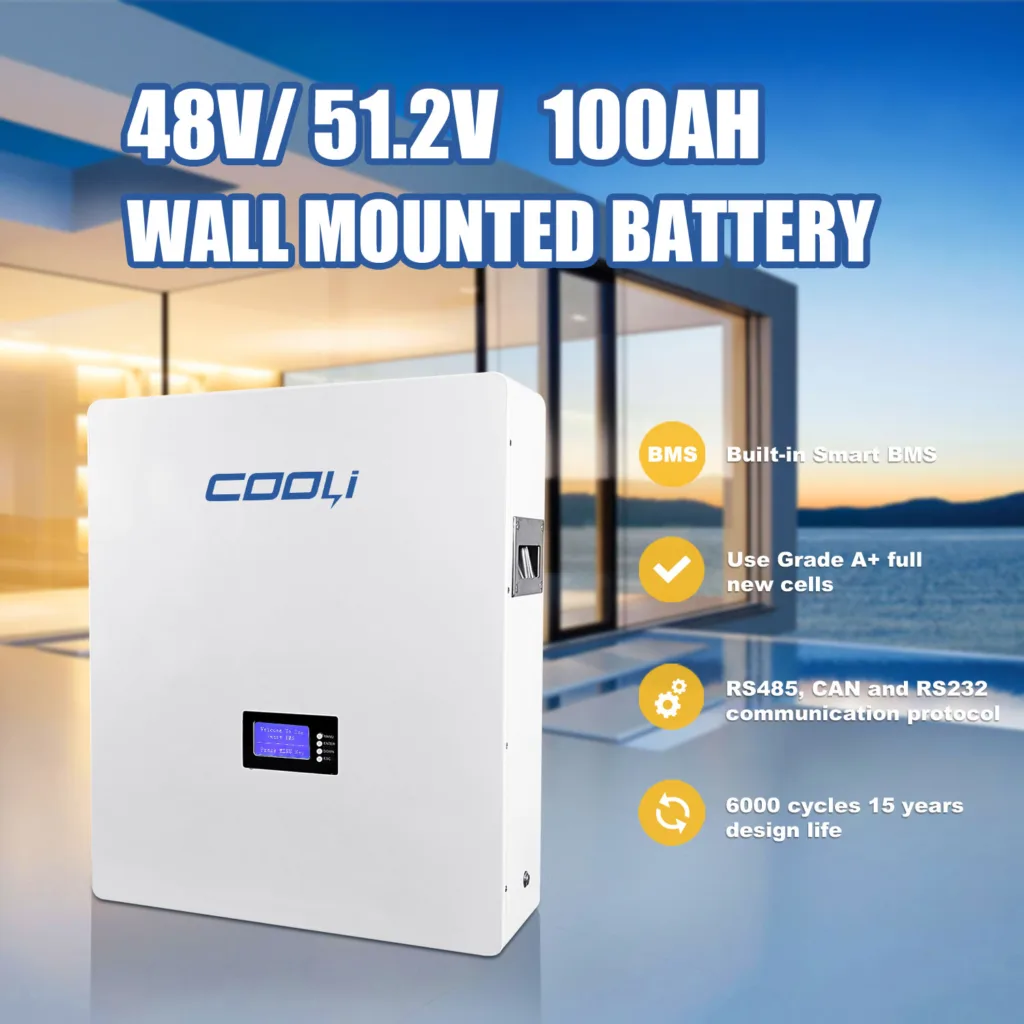
- 48V 100 Ah lithiumbatterij: Een opslageenheid met hoge energiedichtheid en een lange levensduur, Ideaal voor de dagelijkse energiebehoeften van huishoudens.
- Zonnepanelen: Zet zonne-energie om in gelijkstroom om de batterij op te laden of apparaten direct van stroom te voorzien.
- Bidirectionele omvormer: Beheert de DC-AC-conversie en optimaliseert de energiestroom tussen het elektriciteitsnet, batterij, en huishoudelijke ladingen.
Operationele workflow:
- Dag (Zonne-energie): Zonne-energie geeft prioriteit aan het huishoudelijk verbruik. Overtollige energie laadt de batterij op of levert deze terug aan het elektriciteitsnet.
- Nacht/bewolkte dagen: De accu ontlaadt de opgeslagen energie via de omvormer om het huis van stroom te voorzien, het verminderen van de afhankelijkheid van het elektriciteitsnet.
- Netstoringen: Het systeem schakelt over naar de off-grid-modus, het garanderen van ononderbroken stroom voor kritische belastingen.
2. Belangrijkste voordelen
- Intelligent energiebeheer
Bidirectionele omvormers maken realtime monitoring van de energievraag en elektriciteitsprijzen mogelijk. Bijvoorbeeld, Laden tijdens de daluren en ontladen tijdens de spits kan wel de elektriciteitsrekening verlagen met 20-40%. - Verbeterde stabiliteit en veiligheid
Geavanceerde beschermingsmechanismen (overbelasting, kortsluiting, enz.) verleng de levensduur van de batterij. De Ninebot-omvormer 800, compatibel met 48V-systemen, ondersteunt een piekvermogen van 1600 W voor veeleisende apparaten zoals airconditioners. - Kosten en milieuvoordelen
Door duurzame energie op te slaan, huishoudens verminderen de CO2-uitstoot en verminderen de afhankelijkheid van het elektriciteitsnet. Een casestudy uit Californië toonde een 80% jaarlijkse verlaging van de elektriciteitskosten met behulp van een 48V 100Ah-batterij in combinatie met zonnepanelen.
3. Toepassingsscenario's
- Dagelijks huishoudelijk verbruik
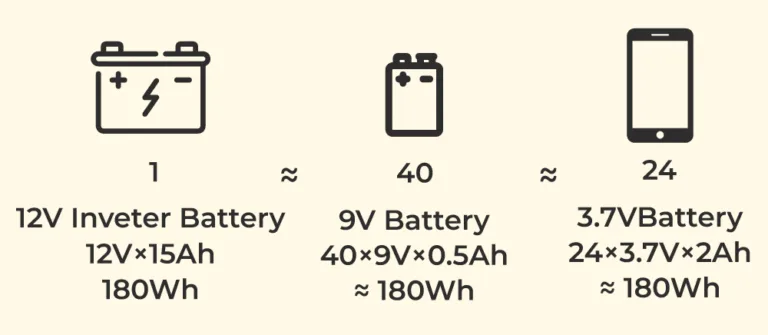
Een 48V 100Ah accu (4.8kWh-capaciteit) kan essentiële apparaten 8 tot 12 uur van stroom voorzien, een koelkast afdekken (1kWh/dag), verlichting (0.5kWh/dag), en Wi-Fi-routers. - Noodstroomvoorziening
Tijdens natuurrampen (bijv., orkanen, aardbevingen), Deze systemen ondersteunen kritische apparaten zoals medische apparatuur tot wel 24 uur, beter presteren dan traditionele brandstofgeneratoren (6–8 uur). Gegevens uit de VS. Het Department of Energy bevestigt deze uitgebreide betrouwbaarheid. - Smart Home-integratie
IoT-compatibele systemen maken monitoring op afstand en geautomatiseerd energiebeheer mogelijk:- Gegevenspunt 1: Fraunhofer ISE onderzoek toont slimme algoritmen (bijv., Zon ECO) de energie-efficiëntie verhogen door 30%, waarbij gebruikers opslaan 18–25% op maandelijkse facturen via app-gestuurde optimalisatie.
- Gegevenspunt 2: Tesla Powerwall gebruikers die zonne-energie combineren, 48V-batterijen, en slimme omvormers besparen **1.200/jaar∗∗door gebruik te maken van de gebruikstijdprijzen(gebaseerdopCalifornië's1.200/jaar∗∗door tijd te benutten−van−gebruik prijzen(gebaseerdopCalifornië’S0.30/kWh-tarief).
- Gegevenspunt 3: Wood Mackenzie rapporteert een 42% groei in de adoptie van slimme energiesystemen voor thuisgebruik in 2023, met 80% van de gebruikers die een 15%+ verlenging van de levensduur van de batterij dankzij geautomatiseerd laadbeheer.
4. Toekomstige trends
- AI-gestuurde optimalisatie: Omvormers zullen voorspellende algoritmen integreren om het laden/ontladen aan te passen op basis van weersvoorspellingen en gebruikspatronen.
- Uitbreiding in meerdere scenario's: Systemen zullen communiceren met EV-laders (V2G) en microgrids om gedecentraliseerde energienetwerken te creëren.
- Technologische doorbraken: Solid-state batterijen en omvormers met een hoger rendement zullen de kosten verder verlagen en de levensduur van het systeem verbeteren.
Conclusie
De combinatie van 48V 100Ah lithiumbatterijen En accu-omvormers voor thuis vertegenwoordigt een transformatieve oplossing voor duurzaam energiebeheer. Met vooruitgang in slimme technologie en beleidsprikkels, deze systemen zijn klaar om een basisproduct in het huishouden te worden, het versnellen van de mondiale transitie naar schone energie. Voor implementatie, gebruikers kunnen oplossingen verkennen van marktleiders zoals Pengcheng New Energy of de krachtige omvormers van Ninebot.
10kWh LiFePO4-batterijen 10kWh-zonnebatterijkosten in Myanmar 25kWh-batterijsystemen Alles-in-één BESS Container 4MWh Saoedi-Arabië BESS-fabrikant China Goedkoopste thuisbatterij China BESS-oplossingen China DDP-groothandel Chinese fabriek LiFePO4-batterijen China rasterschaal BESS Chinese OEM-leveranciers Commerciële batterijopslag Kenia DC ESS-oplossingen DDP-oplossing rechtstreeks naar de DRC Direct China naar Afrika Direct China naar Afrika Batterij energie opslag batterij Energieopslagsystemen Wereldwijde leiders op het gebied van lithiumbatterijen Klasse A-batterij Leverancier van batterijopslag op rasterschaal Thuisbatterijen voor Nederlandse gezinnen energieopslag in huis Industrieel BESS Kenia Loodzuur vs. Lithium-ionbatterijen LiFePO4 LiFePO4-batterijen LiFePO4-batterijen in Zuid-Afrika LifePo4-batterij LifePO4-batterijtechnologie LiFePO4-distributeur in Irak LiFePO4 ESS Kenia Lithium-ionbatterij lithium ion batterij Lagere prijzen Markttrends Buitenkast voor vloeistofkoeling Saoedische LiFePO4-inkoop Schaalbare BESS-oplossingen voor de industrie Zonnepanelen zonnestelsel Alles-in-één stapelen Groothandel LiFePO4 zonnebatterijen Groothandel in zonnebatterijen