
Lithiumbatterijen in zonnesystemen: 5 Belangrijkste voordelen om de efficiëntie te vergroten 90%
Lithium-batterijen have revolutionized solar energy storage, offering superior performance over traditional lead-acid counterparts. Below is a detailed exploration of their role in solar systems, supported by technical insights and real-world applications.

1. Core Advantages of Lithiumbatterijen in zonnesystemen
A. Hoge efficiëntie & Energiedichtheid
- Efficiëntie heen en terug: Lithium batteries achieve 95–99% efficiency, compared to 70–85% for lead-acid, minimizing energy loss during charging/discharging cycles 13.
- Energiedichtheid: Lithium packs store 3× more energy per unit volume, reducing space requirements by 70% 18. Bijvoorbeeld, A 5.12 kWh lithium system occupies half the space of a lead-acid setup with similar capacity.
B. Extended Lifespan & Kosteneffectiviteit
- Cyclus leven: LiFePO4 (lithiumijzerfosfaat) batteries endure 2,000–10,000 cycles at 80% diepte van ontlading (DoD), outlasting lead-acid (300–500 cycles at 50% DoD) 13. Over 15 jaren, lithium’s upfront cost (2–3× higher) is offset by fewer replacements, yielding 40–50% lower lifetime costs 3.
- Maintenance-Free: Unlike lead-acid batteries requiring water refills and sulfation checks, lithium systems operate with zero maintenance 28.
C. Snel opladen & Temperatuurbestendigheid
- Oplaadsnelheid: Lithium charges in 2–5 hours vs. 8–10 hours for lead-acid, enabling rapid energy capture during peak sunlight 13.
- Temperatuurbereik: Operates efficiently in -20°C to 60°C (-4°F tot 140 °F) for discharge and 0°C to 49°C (32°F to 120°F) for charging. Advanced models include self-heating for sub-zero environments 38.
2. Applications in Solar Systems
A. Residentieel & Commercial Solar Storage
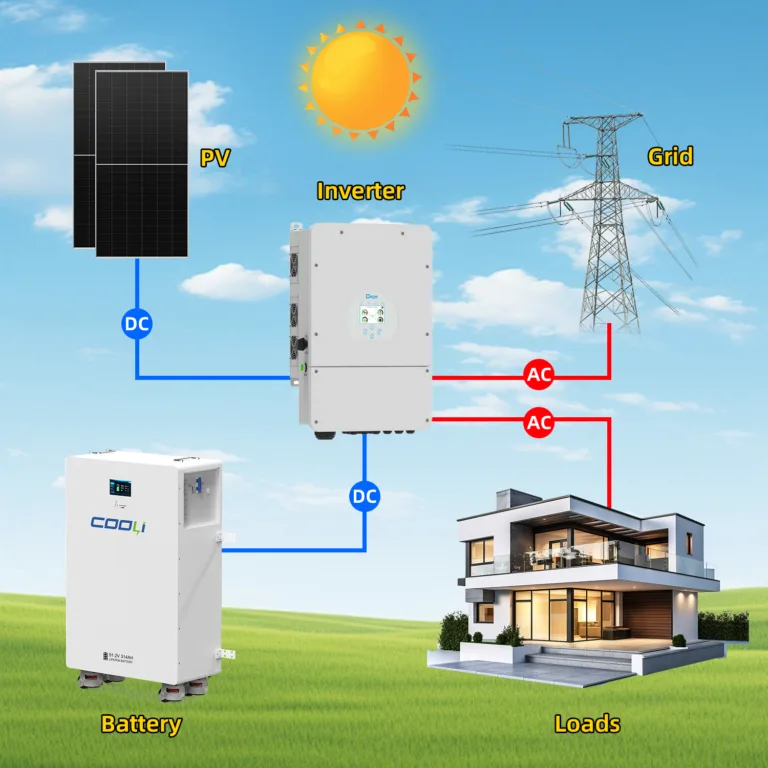
- Energie-onafhankelijkheid: Store excess solar power for nighttime use or grid outages, reducing reliance on utility grids 48.
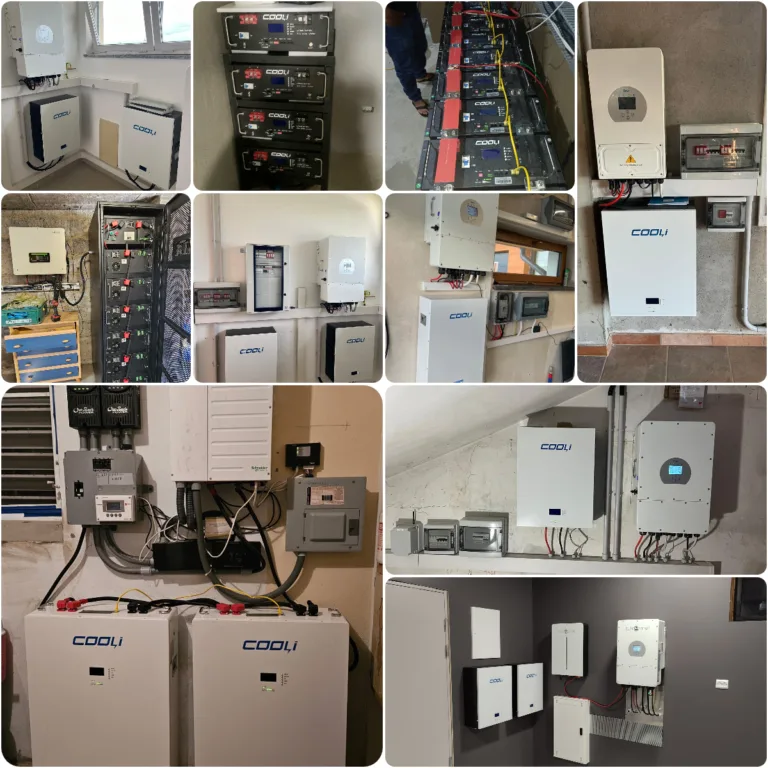
- Schaalbaarheid: Modular lithium systems (bijv., BSLBATT’s 5.12kWh–10.24kWh units) allow easy capacity expansion 8.
B. Off-grid & Remote Solutions
- Camping/RVs: Lightweight lithium packs (60% lichter dan loodzuur) are ideal for mobile setups 8.
- Industrial Backup: Used in telemetry, remote monitoring, and critical infrastructure due to reliability and long lifespan 24.
C. Grid Support & Microgrids
- Piekscheren: Reduce grid demand during high-energy periods by tapping stored solar energy 4.
- Frequency Regulation: Lithium’s rapid response stabilizes grids in hybrid renewable systems 10.
3. Innovations Driving Adoption
A. Integrated Solar-Storage Systems
- Monolithic Designs: Researchers have combined silicon solar cells with solid-state lithium batteries, bereiken 15.8% solar-to-storage efficiency. These systems charge in 45 seconds under sunlight and sustain high discharge rates (28C) 9.
B. Solid-State & Lithium Alloy Tech
- Solid State-batterijen: Offer enhanced safety by replacing flammable liquid electrolytes. Recent studies highlight challenges (bijv., Li-In dendrites in sulfide electrolytes), but advancements in interface engineering show promise 710.
- Lithium-Doped Solar Cells: Improve radiation resistance for space applications, enabling self-recovery from high-energy particle damage 6.
C. Duurzaamheid & Recycling
- Lower Carbon Footprint: Lithium systems reduce greenhouse gas emissions by 43–57% compared to lead-acid over their lifecycle 10.
- Recycling Infrastructure: Growing initiatives recover >90% of lithium, kobalt, and nickel, addressing resource scarcity 10.
4. Challenges & Toekomstperspectief
A. Current Limitations
- Kosten vooraf: Initial investment remains high, though prices have dropped 80% since 2010 8.
- Cold Charging: Requires heating systems below 0°C, adding complexity 3.
B. Emerging Trends
- Sodium-Ion Hybrids: Cheaper and more abundant than lithium, sodium-ion batteries (SIBs) are gaining traction for low-cost grid storage, though energy density lags 10.
- AI-Driven Management: Slim GBS (Batterijbeheersystemen) optimize charging cycles and predict failures, extending lifespan 14.
5. Beslissingsgids: Is Lithium Right for You?
| Factor | Lithium | Loodzuur |
|---|---|---|
| Initial Cost | Hoog (1,750–1,750–2,500/kWh) | Laag (500–500–1,000/kWh) |
| Levenslange kosten | Lager (10–15 jaar) | Hoger (3–5 jaar) |
| Space/Weight | Compact, lichtgewicht | Omvangrijk, heavy |
| Onderhoud | Geen | Regular checks |
| Milieu-impact | Lower carbon footprint | Lead pollution risks |
Aanbeveling: Choose lithium for long-term savings, hoge efficiëntie, en schaalbaarheid. Opt for lead-acid only if budget constraints outweigh performance needs.
10kWh LiFePO4-batterijen 10kWh-zonnebatterijkosten in Myanmar 25kWh-batterijsystemen Alles-in-één BESS Container 4MWh Saoedi-Arabië BESS-fabrikant China Goedkoopste thuisbatterij China BESS-oplossingen China DDP-groothandel Chinese fabriek LiFePO4-batterijen China rasterschaal BESS Chinese OEM-leveranciers Commerciële batterijopslag Kenia DC ESS-oplossingen DDP-oplossing rechtstreeks naar de DRC Direct China naar Afrika Direct China naar Afrika Batterij energie opslag batterij Energieopslagsystemen Wereldwijde leiders op het gebied van lithiumbatterijen Klasse A-batterij Leverancier van batterijopslag op rasterschaal Thuisbatterijen voor Nederlandse gezinnen energieopslag in huis Industrieel BESS Kenia Loodzuur vs. Lithium-ionbatterijen LiFePO4 LiFePO4-batterijen LiFePO4-batterijen in Zuid-Afrika LifePo4-batterij LifePO4-batterijtechnologie LiFePO4-distributeur in Irak LiFePO4 ESS Kenia Lithium-ionbatterij lithium ion batterij Lagere prijzen Markttrends Buitenkast voor vloeistofkoeling Saoedische LiFePO4-inkoop Schaalbare BESS-oplossingen voor de industrie Zonnepanelen zonnestelsel Alles-in-één stapelen Groothandel LiFePO4 zonnebatterijen Groothandel in zonnebatterijen

Eén opmerking