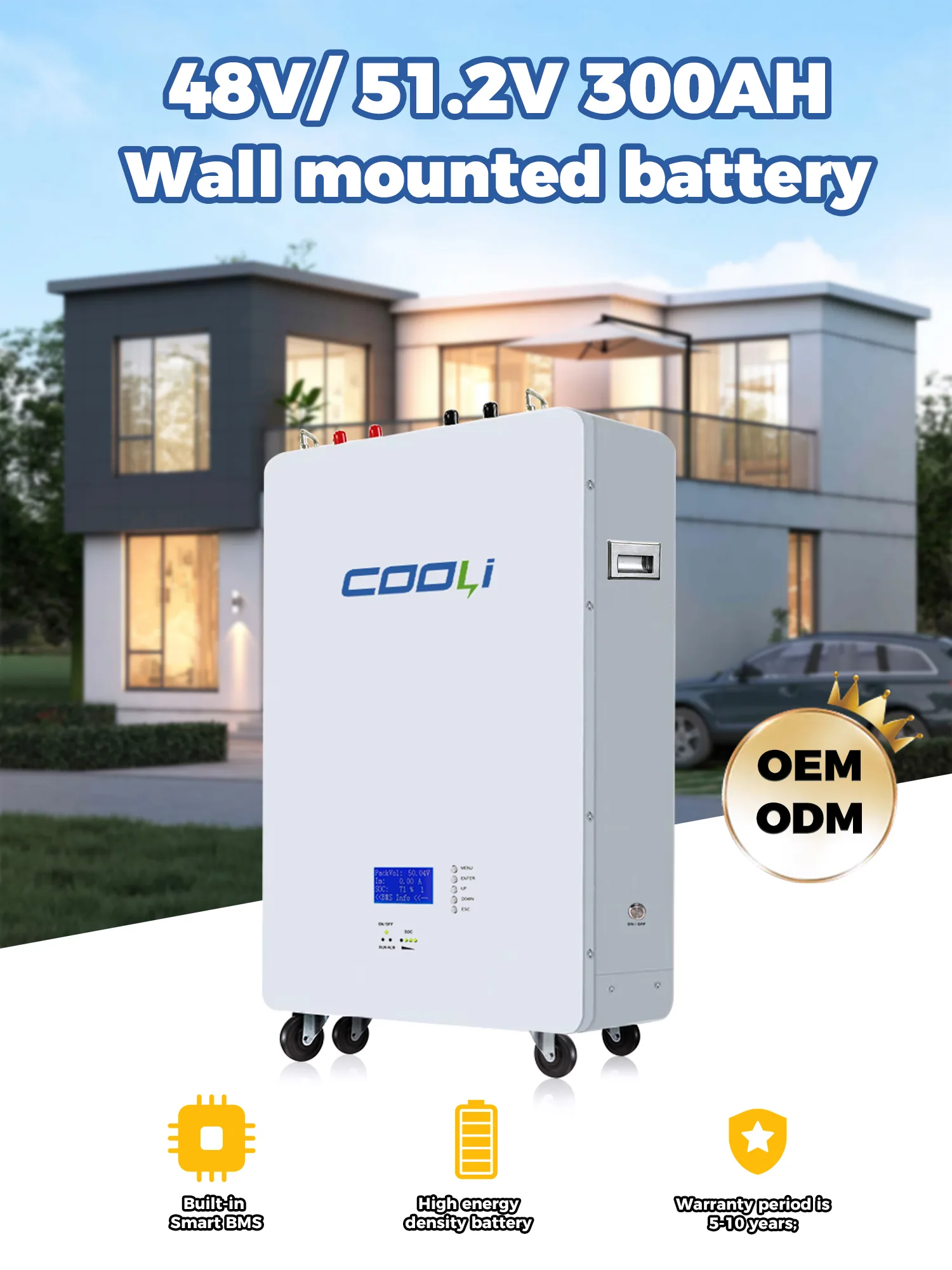
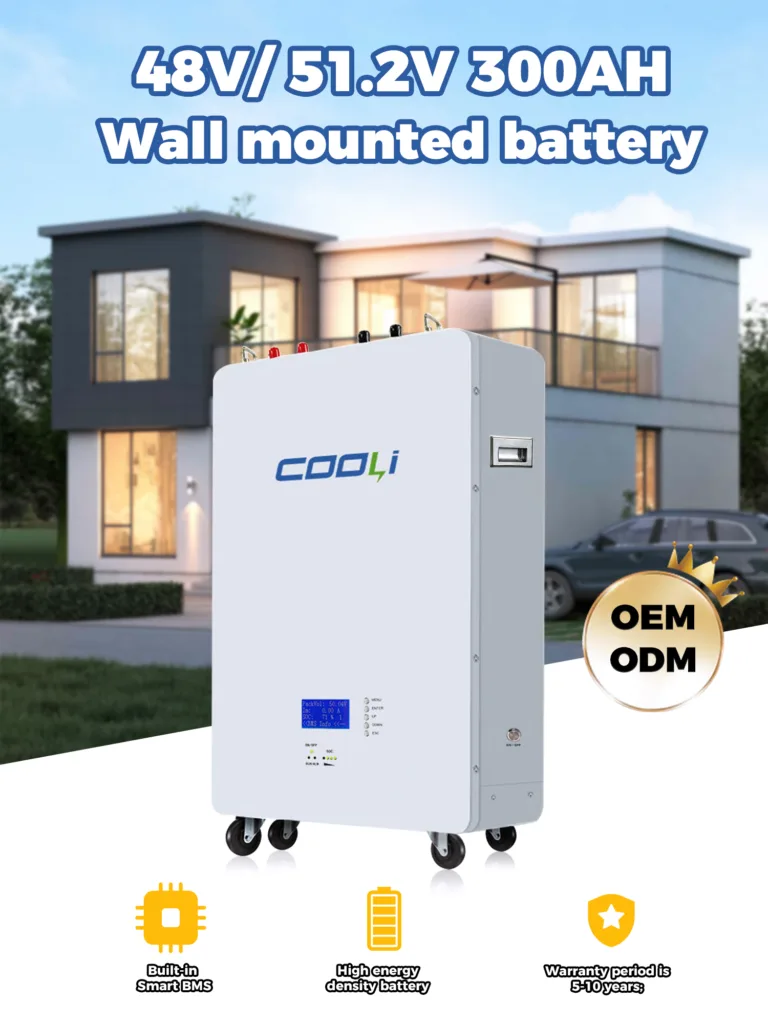
300Ah bateria LiFePO4: Principais perguntas respondidas
O300Ah bateria LiFePO4 ganhou popularidade em sistemas de energia renovável, Autocaravanas, aplicações marítimas, e configurações fora da rede devido à sua alta capacidade, segurança, e longa vida útil. No entanto, os usuários costumam ter dúvidas sobre seu desempenho, limitações, e especificações técnicas. Este artigo aborda as dúvidas mais comuns, fornecendo um guia completo para potenciais compradores e entusiastas.
1. Quais são as desvantagens das baterias LiFePO4?
Enquanto LiFePO4 (Fosfato de Ferro Lítio) as baterias são conhecidas pela segurança e durabilidade, eles têm algumas limitações:
- Menor densidade de energia: Em comparação com outros produtos químicos de íons de lítio (por exemplo, NMC ou LCO), LiFePO4 armazena menos energia por unidade de peso ou volume, tornando-os mais volumosos para aplicações de alta energia, como smartphones ou veículos elétricos.
- Custo inicial mais alto: Embora seja rentável ao longo do tempo devido à longa vida útil, os preços iniciais são 2 a 3 vezes mais altos do que as baterias de chumbo-ácido.
- Sensibilidade à temperatura: O desempenho diminui em frio extremo (abaixo de -20°C) ou calor (acima de 60°C). Embora tolerem faixas mais amplas do que as de chumbo-ácido, a exposição prolongada a altas temperaturas reduz a capacidade.
- Carregamento mais lento: LiFePO4 normalmente carrega mais lentamente do que outras variantes de lítio, exigindo carregadores especializados para evitar danos.
Apesar dessas desvantagens, delessegurança (não combustível mesmo sob estresse) eciclo de vida (2,000–5.000+ ciclos) torná-los ideais para armazenamento solar, Autocaravanas, e energia reserva.
2. Quanto tempo durará uma bateria LiFePO4 de 300Ah?
A autonomia de uma bateria de 300Ah depende:
- Carregar energia: Para um aparelho de 500 W, tempo de execução = energia da bateria(kWh)/Carregar energia(kW)
- Profundidade de Descarga (Departamento de Defesa): As baterias LiFePO4 podem descarregar com segurança até 80–90% DoD sem degradação significativa.
Exemplo:
Uma bateria LiFePO4 de 48V 300Ah armazena14.4 kWh (48V×300Ah). No 80% Departamento de Defesa (11.5 kWh utilizável), alimentar uma carga de 1 kW duraria aproximadamente 11,5 horas. Para uma geladeira RV de 300 W, o tempo de execução se estende até aproximadamente 38 horas.
3. Quantos kWh tem uma bateria 48V 300Ah?
A48Bateria V 300Ah LiFePO4 entrega:
48V×300Ah=14.400O que=14,4kWh
Esta capacidade é adequada para aplicações de grande escala, como sistemas de armazenamento solar ou veículos elétricos. Para comparação:
- Uma bateria de 12V 300Ah fornece3.84 kWh (12V×300Ah).
- Tensão mais alta (por exemplo, 51.2V) configurações melhoram a eficiência em configurações industriais.
4. 25.6Em vs.. 51.2V: Qual é a diferença?
As baterias LiFePO4 são modulares, permitindo conexões em série para atingir tensões mais altas:
- 25.6V: Normalmente uma configuração de 8 células (8 × 3,2 V por célula), usado em sistemas de médio porte, como carrinhos de golfe ou pequenas instalações solares.
- 51.2V: Uma configuração de 16 células, ideal para aplicações de alta potência, como racks de servidores ou armazenamento de energia comercial.
Consideração principal: Tensão mais alta reduz corrente, minimizando a perda de energia na fiação e melhorando a eficiência em grandes instalações.

5. O LiFePO4 é melhor que outras baterias de lítio?
LiFePO4 se destaca emsegurança elongevidade mas fica atrás na densidade de energia em comparação com o íon de lítio (íon de lítio) variantes:
| Recurso | LiFePO4 | Li-ion tradicional |
|---|---|---|
| Segurança | Não inflamável, estável | Risco de fuga térmica |
| Ciclo da vida | 2,000–5.000+ ciclos | 500–1.000 ciclos |
| Densidade de Energia | 90–120Wh/kg | 150–200Wh/kg |
| Custo | Maior adiantamento | Menor adiantamento |
Melhor para:
- LiFePO4: Armazenamento solar, Autocaravanas, marinho, energia de reserva.
- íon de lítio: Eletrônicos de consumo, EVs que exigem tamanho compacto.
6. Principais considerações para baterias LiFePO4 de 300Ah
- BMS (Sistema de gerenciamento de bateria): Garante proteção contra sobrecarga, descarga excessiva, e curtos-circuitos.
- Compatibilidade: Use carregadores específicos para LiFePO4 (por exemplo, 14.6V para sistemas de 12V) para evitar danos.
- Armazenar: Armazene com 50–80% de carga em local fresco, condições secas para prolongar a vida útil.
Conclusão
O300Ah bateria LiFePO4 é uma escolha robusta para alta capacidade, necessidades energéticas a longo prazo, equilibrando a segurança, e confiabilidade. Embora tenha limitações como menor densidade de energia e custos iniciais mais elevados, suas vantagens no ciclo de vida e na estabilidade térmica fazem dele um dos principais concorrentes para energias renováveis e aplicações fora da rede.
Para soluções personalizadas, explorar produtos como oBateria Lifepo4 300ah ou baterias modulares de rack de servidor de 48V. Sempre verifique as especificações com os fabricantes para atender aos requisitos do seu sistema.
10Baterias kWh LiFePO4 10Custos da bateria solar kWh em Mianmar 25Sistemas de bateria kWh Tudo-em-um Contêiner BESS 4MWh Saudita BESS Fabricante China Bateria doméstica mais barata Soluções BESS da China China DDP atacado Baterias LiFePO4 de fábrica na China BESS em escala de grade da China Fornecedores OEM chineses Armazenamento de bateria comercial Quênia Soluções ESS DC Solução DDP Direta para a RDC Direcionar a China para a África Bateria direta da China para a África bateria de armazenamento de energia Sistemas de armazenamento de energia Líderes globais em baterias de lítio Bateria grau A Fornecedor de armazenamento de bateria em escala de grade Baterias domésticas para famílias holandesas armazenamento de energia doméstica BESS Industrial Quênia Chumbo-ácido vs.. Baterias de íon-lítio LiFePO4 Baterias LiFePO4 Baterias LiFePO4 na África do Sul Bateria LifePo4 Tecnologia de bateria LifePO4 Distribuidor LiFePO4 no Iraque LiFePO4 ESS Quênia Bateria de íon de lítio bateria de íon de lítio Preços mais baixos Tendências de mercado Gabinete de resfriamento líquido externo Aquisição Saudita de LiFePO4 Soluções BESS escaláveis para a indústria Painéis Solares sistema solar Empilhamento multifuncional Baterias solares LiFePO4 por atacado Por atacado baterias solares