
Lithium Batteries in Solar Systems: 5 Key Benefits to Boost Efficiency 90%
Lithium batteries have revolutionized solar energy storage, offering superior performance over traditional lead-acid counterparts. Below is a detailed exploration of their role in solar systems, supported by technical insights and real-world applications.

1. Core Advantages of Lithium Batteries in Solar Systems
A. High Efficiency & Energy Density
- Round-Trip Efficiency: Lithium batteries achieve 95–99% efficiency, compared to 70–85% for lead-acid, minimizing energy loss during charging/discharging cycles 13.
- Energy Density: Lithium packs store 3× more energy per unit volume, reducing space requirements by 70% 18. For example, a 5.12 kWh lithium system occupies half the space of a lead-acid setup with similar capacity.
B. Extended Lifespan & Cost-Effectiveness
- Ciclo da vida: LiFePO4 (lithium iron phosphate) batteries endure 2,000–10,000 cycles at 80% depth of discharge (DoD), outlasting lead-acid (300–500 cycles at 50% DoD) 13. Over 15 anos, lithium’s upfront cost (2–3× higher) is offset by fewer replacements, yielding 40–50% lower lifetime costs 3.
- Maintenance-Free: Unlike lead-acid batteries requiring water refills and sulfation checks, lithium systems operate with zero maintenance 28.
C. Fast Charging & Temperature Resilience
- Charging Speed: Lithium charges in 2–5 hours vs. 8–10 hours for lead-acid, enabling rapid energy capture during peak sunlight 13.
- Temperature Range: Operates efficiently in -20°C to 60°C (-4°F to 140°F) for discharge and 0°C to 49°C (32°F to 120°F) for charging. Advanced models include self-heating for sub-zero environments 38.
2. Applications in Solar Systems
A. Residential & Commercial Solar Storage
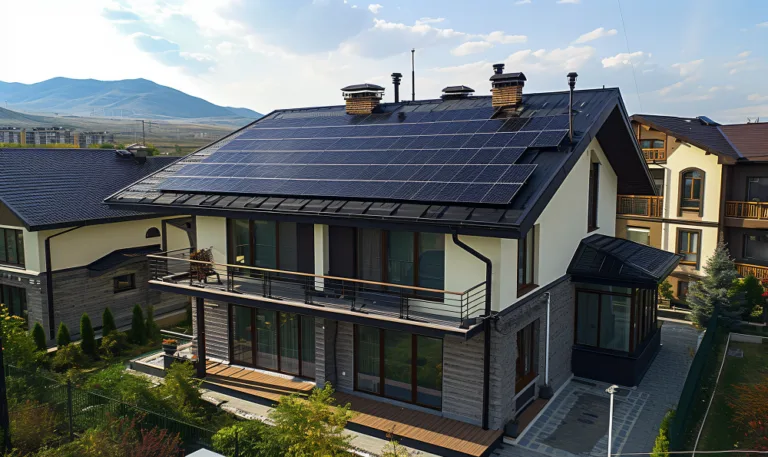
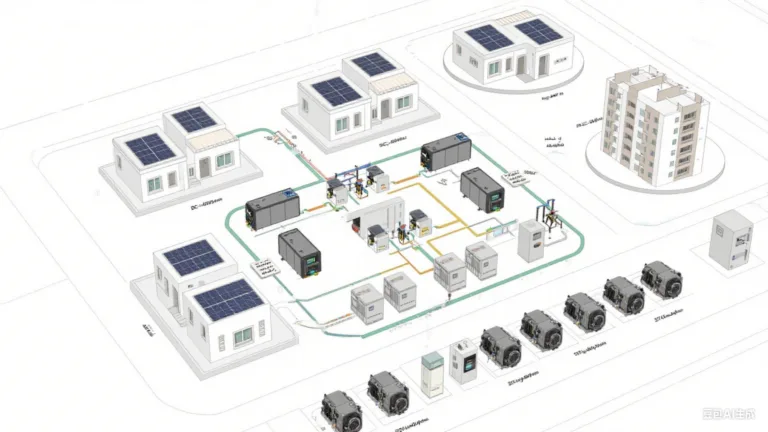
- Energy Independence: Store excess solar power for nighttime use or grid outages, reducing reliance on utility grids 48.
- Escalabilidade: Modular lithium systems (e.g., BSLBATT’s 5.12kWh–10.24kWh units) allow easy capacity expansion 8.
B. Off-Grid & Remote Solutions
- Camping/RVs: Lightweight lithium packs (60% lighter than lead-acid) are ideal for mobile setups 8.
- Industrial Backup: Used in telemetry, remote monitoring, and critical infrastructure due to reliability and long lifespan 24.
C. Grid Support & Microgrids
- Peak Shaving: Reduce grid demand during high-energy periods by tapping stored solar energy 4.
- Frequency Regulation: Lithium’s rapid response stabilizes grids in hybrid renewable systems 10.
3. Innovations Driving Adoption
A. Integrated Solar-Storage Systems
- Monolithic Designs: Researchers have combined silicon solar cells with solid-state lithium batteries, achieving 15.8% solar-to-storage efficiency. These systems charge in 45 seconds under sunlight and sustain high discharge rates (28C) 9.
B. Solid-State & Lithium Alloy Tech
- Solid-State Batteries: Offer enhanced safety by replacing flammable liquid electrolytes. Recent studies highlight challenges (e.g., Li-In dendrites in sulfide electrolytes), but advancements in interface engineering show promise 710.
- Lithium-Doped Solar Cells: Improve radiation resistance for space applications, enabling self-recovery from high-energy particle damage 6.
C. Sustainability & Recycling
- Lower Carbon Footprint: Lithium systems reduce greenhouse gas emissions by 43–57% compared to lead-acid over their lifecycle 10.
- Recycling Infrastructure: Growing initiatives recover >90% of lithium, cobalt, and nickel, addressing resource scarcity 10.
4. Challenges & Future Outlook
A. Current Limitations
- Upfront Cost: Initial investment remains high, though prices have dropped 80% since 2010 8.
- Cold Charging: Requires heating systems below 0°C, adding complexity 3.
B. Emerging Trends
- Sodium-Ion Hybrids: Cheaper and more abundant than lithium, sodium-ion batteries (SIBs) are gaining traction for low-cost grid storage, though energy density lags 10.
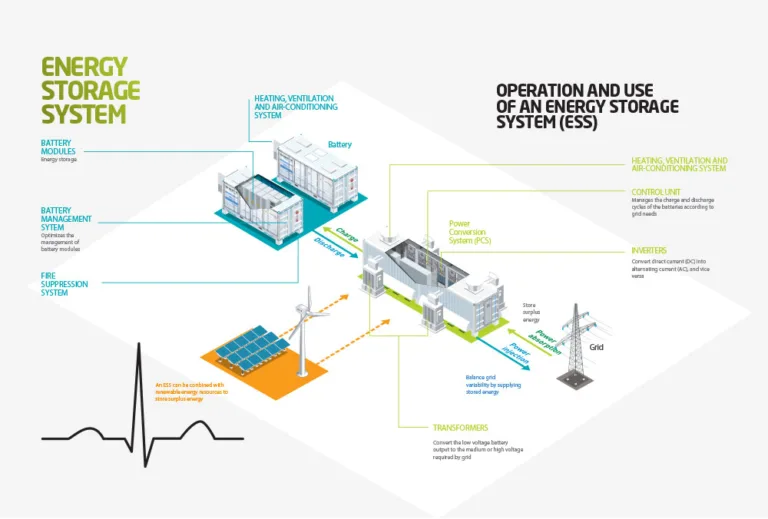
- AI-Driven Management: Smart BMS (Battery Management Systems) optimize charging cycles and predict failures, extending lifespan 14.
5. Decision Guide: Is Lithium Right for You?
| Factor | Lithium | Lead-Acid |
|---|---|---|
| Initial Cost | High (1,750–1,750–2,500/kWh) | Low (500–500–1,000/kWh) |
| Lifetime Cost | Lower (10–15 years) | Higher (3–5 years) |
| Space/Weight | Compact, lightweight | Bulky, heavy |
| Maintenance | None | Regular checks |
| Environmental Impact | Lower carbon footprint | Lead pollution risks |
Recommendation: Choose lithium for long-term savings, high efficiency, and scalability. Opt for lead-acid only if budget constraints outweigh performance needs.
5kWh 5Bateria reserva em kWh para casa 15Baterias kWh LiFePO4 15Bateria kWh LiFePO4 para o Iêmen 15Armazenamento solar kWh LiFePO4 16Soluções kWh LiFePO4 para parceiros atacadistas 48300Ah 51.2Baterias V 200Ah LiFePO4 no atacado China DDP atacado Baterias LiFePO4 de fábrica na China Dicas de fornecimento na China Armazenamento de bateria comercial Quênia Soluções ESS DC Solução DDP Direta para a RDC Direcionar a China para a África Bateria direta da China para a África bateria de armazenamento de energia Sistemas de armazenamento de energia Bateria grau A armazenamento de energia doméstica BESS Industrial Quênia Baterias LiFePO4 Baterias LiFePO4 na África do Sul Bateria LifePo4 Fabricantes de baterias LiFePO4 Tecnologia de bateria LifePO4 LiFePO4 ESS Quênia LiFePO4 vs NMC Home ESS Bateria de íon de lítio Fabricantes de baterias de íon-lítio bateria de íon de lítio Preços mais baixos Preço mais baixo Uganda Tendências de mercado Baterias solares fora da rede para residências europeias solução fora da rede Fornecedores confiáveis de baterias domésticas a granel Aquisição Saudita de LiFePO4 Soluções de armazenamento de bateria solar Painel solar sistema solar Empilhamento multifuncional Baterias 314Ah LiFePO4 por atacado Baterias solares LiFePO4 por atacado Por atacado baterias solares
One Comment