Baterias de parede vs rack: 7 Verdades brutais que os compradores precisam saber
Baterias de parede vs rack: Qual solução de armazenamento de energia atende às suas necessidades?
Se você está pesquisando armazenamento de energia para sistemas solares, configurações fora da rede, ou energia reserva, você provavelmente encontrou duas opções principais: baterias montadas na parede e baterias de rack de servidor. Ambos têm defensores leais, mas qual é o certo para seu precisa? Vamos eliminar o ruído e revelar a verdade nua e crua sobre esses dois tipos de bateria.
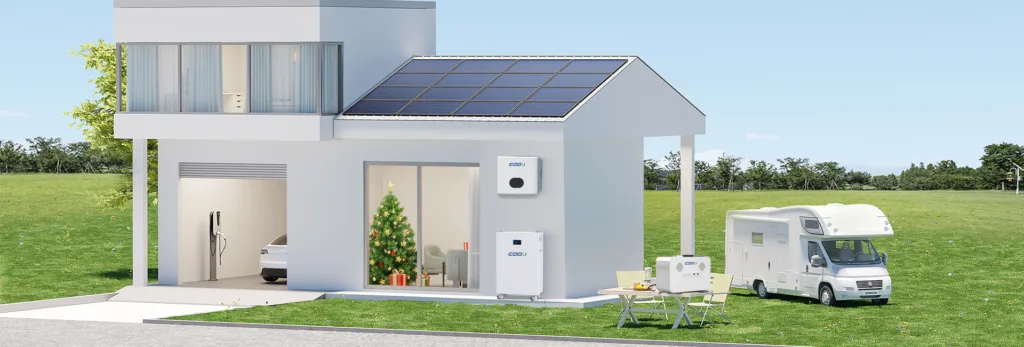
O que é uma bateria de parede?
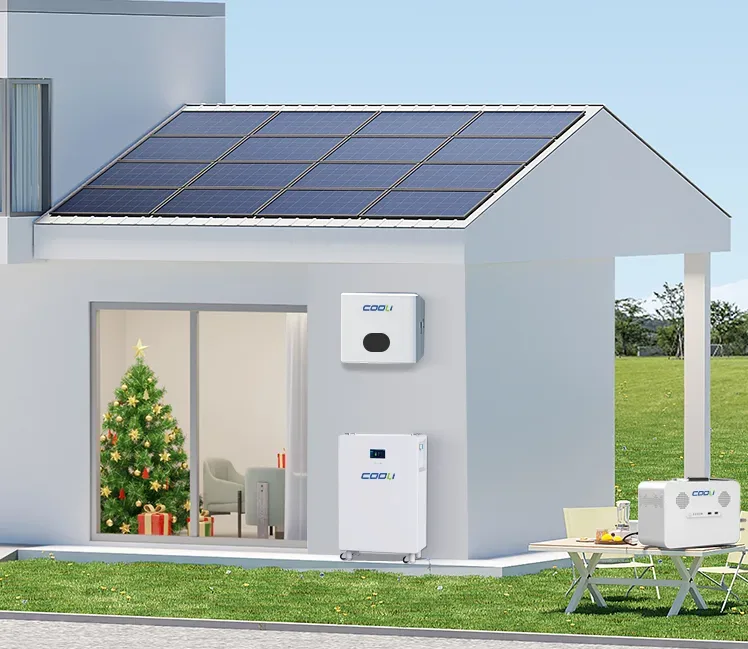
Abateria montada na parede é um compacto, unidade de armazenamento de energia instalada verticalmente, projetada para economizar espaço. Esses sistemas são populares em ambientes residenciais e comerciais de pequeno porte devido à sua elegância, design tudo-em-um. Pense em marcas como Tesla Powerwall ou LG Chem RESU – elas são frequentemente comercializadas como soluções “plug-and-play” para proprietários de residências.
Principais recursos das baterias de parede:
- Design que economiza espaço: Montado diretamente em uma parede.
- Componentes integrados: Inversores integrados, sistemas de refrigeração, e monitoramento.
- Apelo estético: Discreto, visual moderno.
- Menor capacidade: Normalmente 5–15 kWh por unidade.
O que é uma bateria de rack?
Abateria de rack de servidor (ou bateria montada em rack) é modular, sistema escalável projetado para caber em racks de servidores padronizados. Eles são comumente usados em data centers, fazendas solares em grande escala, e aplicações comerciais/industriais. Os exemplos incluem marcas como BYD Battery-Box ou eVault da Fortress Power.
Principais recursos das baterias de rack:
- Escalabilidade modular: Empilhe várias baterias em um rack para maior capacidade.
- Durabilidade de nível industrial: Construído para ciclismo pesado e longa vida útil.
- Expansão econômica: Adicione unidades de forma incremental à medida que as necessidades aumentam.
- Maior capacidade: Os sistemas podem exceder 100 kWh quando expandido.
Bateria de parede vs rack: 7 Verdades brutais
Vamos analisar os fatores críticos que podem fazer ou anular sua decisão:
1. Espaço de instalação & Flexibilidade
- Bateria de parede: Ideal para espaços apertados (por exemplo, garagens, pequenas salas de serviço). No entanto, o posicionamento é corrigido depois de instalado.
- Bateria de rack: Requer espaço para um rack, mas oferece configuração flexível. Vencedor em escalabilidade.
2. Custo inicial versus valor de longo prazo
- Bateria de parede: Menor custo inicial (~$ 7.000–$ 15.000) mas opções de expansão limitadas.
- Bateria de rack: Maior investimento inicial para rack e componentes, mas mais barato por kWh ao longo do tempo. Vencedor em ROI de longo prazo.
3. Capacidade & Necessidades Energéticas
- Bateria de parede: Melhor para uso doméstico diário (por exemplo, compensando taxas de pico, interrupções curtas).
- Bateria de rack: Construído para cenários de alta demanda (por exemplo, vida fora da rede, backup comercial). Vencedor para altas demandas de energia.
4. Manutenção & Reparos
- Bateria de parede: Unidades seladas significam manutenção mínima, mas substituições dispendiosas se um componente falhar.
- Bateria de rack: Módulos individuais podem ser trocados, reduzindo o tempo de inatividade. Vencedor em reparabilidade.
5. Vida útil e durabilidade
- Bateria de parede: 10–15 anos (varia de acordo com a marca e uso).
- Bateria de rack: Muitas vezes, de 15 a 20 anos ou mais devido a células de nível industrial e peças substituíveis. Vencedor pela longevidade.
6. Estética vs Funcionalidade
- Bateria de parede: Combina perfeitamente com as casas.
- Bateria de rack: Aparência utilitária, mas prioriza o desempenho. O vencedor depende das prioridades.
7. Segurança & Resfriamento
- Bateria de parede: O resfriamento passivo pode ter dificuldades em ambientes de alto calor.
- Bateria de rack: Sistemas de resfriamento ativos em racks garantem temperaturas estáveis. Vencedor em gerenciamento térmico.
Quem deve escolher qual?
- As baterias de parede são para você se:
- Você é proprietário de uma casa com espaço limitado.
- Você prioriza simplicidade e estética.
- Suas necessidades diárias de energia estão abaixo 20 kWh.
- As baterias de rack são para você se:
- Você precisa de armazenamento escalável (por exemplo, crescente painel solar).
- Você está fora da rede ou precisa de backup para sistemas críticos.
- O custo por kWh e a fiabilidade a longo prazo são as principais prioridades.
O resultado final
Não existe uma opção “melhor” universal – apenas o que é melhor paraseu situação. As baterias de parede se destacam pela simplicidade e eficiência de espaço, enquanto as baterias de rack dominam em escalabilidade e durabilidade. Antes de comprar, perguntar:
- De quanta energia eu preciso agora contra em 5 anos?
- Posso me dar ao luxo de atualizar mais tarde, ou preciso de um sistema à prova de futuro?
- A estética ou o desempenho bruto são mais importantes?
Ao pesar essas verdades, você evitará arrependimentos dispendiosos e investirá em um sistema de bateria que realmente se alinhe aos seus objetivos.
Precisa de ajuda para decidir? Compartilhe seu caso de uso nos comentários, e nós o orientaremos na escolha certa!
10Baterias kWh LiFePO4 10Custos da bateria solar kWh em Mianmar 25Sistemas de bateria kWh Tudo-em-um Contêiner BESS 4MWh Saudita BESS Fabricante China Bateria doméstica mais barata Soluções BESS da China China DDP atacado Baterias LiFePO4 de fábrica na China BESS em escala de grade da China Fornecedores OEM chineses Armazenamento de bateria comercial Quênia Soluções ESS DC Solução DDP Direta para a RDC Direcionar a China para a África Bateria direta da China para a África bateria de armazenamento de energia Sistemas de armazenamento de energia Líderes globais em baterias de lítio Bateria grau A Fornecedor de armazenamento de bateria em escala de grade Baterias domésticas para famílias holandesas armazenamento de energia doméstica BESS Industrial Quênia Chumbo-ácido vs.. Baterias de íon-lítio LiFePO4 Baterias LiFePO4 Baterias LiFePO4 na África do Sul Bateria LifePo4 Tecnologia de bateria LifePO4 Distribuidor LiFePO4 no Iraque LiFePO4 ESS Quênia Bateria de íon de lítio bateria de íon de lítio Preços mais baixos Tendências de mercado Gabinete de resfriamento líquido externo Aquisição Saudita de LiFePO4 Soluções BESS escaláveis para a indústria Painéis Solares sistema solar Empilhamento multifuncional Baterias solares LiFePO4 por atacado Por atacado baterias solares