
Bateriile cu litiu în sistemele solare: 5 Beneficii cheie pentru creșterea eficienței 90%
Lithium batteries have revolutionized solar energy storage, offering superior performance over traditional lead-acid counterparts. Below is a detailed exploration of their role in solar systems, supported by technical insights and real-world applications.
1. Core Advantages of Bateriile cu litiu în sistemele solare
A. Eficiență ridicată & Densitatea energetică
- Eficiență dus-întors: Lithium batteries achieve 95–99% efficiency, compared to 70–85% for lead-acid, minimizing energy loss during charging/discharging cycles 13.
- Densitatea energetică: Lithium packs store 3× more energy per unit volume, reducing space requirements by 70% 18. De exemplu, o 5.12 kWh lithium system occupies half the space of a lead-acid setup with similar capacity.
B. Extended Lifespan & Cost-Effectiveness
- Ciclul de viață: LiFePO4 (fosfat de litiu fier) batteries endure 2,000–10,000 cycles at 80% adâncimea descărcării (DoD), outlasting lead-acid (300–500 cycles at 50% DoD) 13. Peste 15 ani, lithium’s upfront cost (2–3× higher) is offset by fewer replacements, yielding 40–50% lower lifetime costs 3.
- Maintenance-Free: Unlike lead-acid batteries requiring water refills and sulfation checks, lithium systems operate with zero maintenance 28.
C. Fast Charging & Reziliență la temperatură
- Viteza de încărcare: Lithium charges in 2–5 hours vs. 8–10 hours for lead-acid, enabling rapid energy capture during peak sunlight 13.
- Interval de temperatură: Operates efficiently in -20°C to 60°C (-4°F to 140°F) for discharge and 0°C to 49°C (32°F to 120°F) for charging. Advanced models include self-heating for sub-zero environments 38.
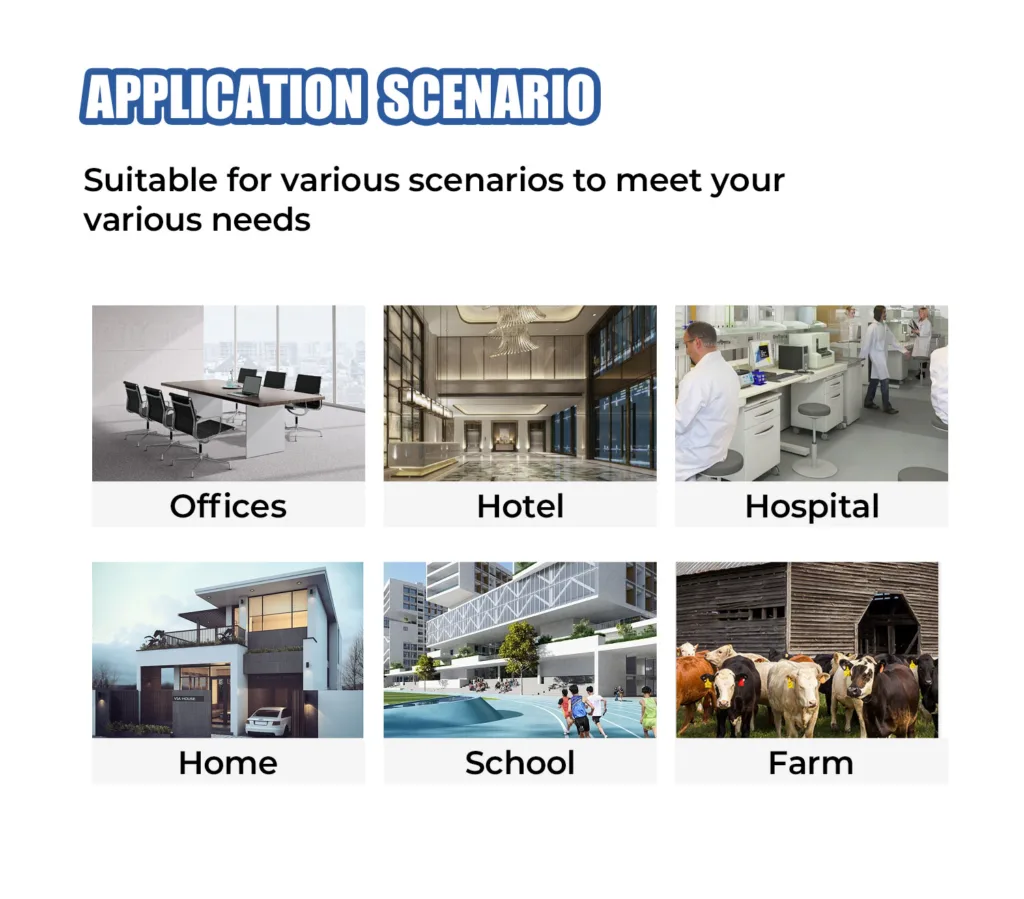
2. Applications in Solar Systems
A. Rezidențial & Commercial Solar Storage
- Independenta Energetica: Store excess solar power for nighttime use or grid outages, reducing reliance on utility grids 48.
- Scalabilitate: Modular lithium systems (de ex., BSLBATT’s 5.12kWh–10.24kWh units) allow easy capacity expansion 8.
B. În afara rețelei & Remote Solutions
- Camping/RVs: Lightweight lithium packs (60% mai ușor decât plumbul-acid) are ideal for mobile setups 8.
- Industrial Backup: Used in telemetry, remote monitoring, and critical infrastructure due to reliability and long lifespan 24.
C. Suport grilă & Microgrids
- Peak Shaving: Reduce grid demand during high-energy periods by tapping stored solar energy 4.
- Frequency Regulation: Lithium’s rapid response stabilizes grids in hybrid renewable systems 10.
3. Innovations Driving Adoption
A. Integrated Solar-Storage Systems
- Monolithic Designs: Researchers have combined silicon solar cells with solid-state lithium batteries, achieving 15.8% solar-to-storage efficiency. These systems charge in 45 seconds under sunlight and sustain high discharge rates (28C) 9.
B. Solid-State & Lithium Alloy Tech
- Solid-State Batteries: Offer enhanced safety by replacing flammable liquid electrolytes. Recent studies highlight challenges (de ex., Li-In dendrites in sulfide electrolytes), but advancements in interface engineering show promise 710.
- Lithium-Doped Solar Cells: Improve radiation resistance for space applications, enabling self-recovery from high-energy particle damage 6.
C. Sustenabilitate & Recycling
- Lower Carbon Footprint: Lithium systems reduce greenhouse gas emissions by 43–57% compared to lead-acid over their lifecycle 10.
- Recycling Infrastructure: Growing initiatives recover >90% of lithium, cobalt, and nickel, addressing resource scarcity 10.
4. Challenges & Perspectivele viitoare
A. Current Limitations
- Cost inițial: Initial investment remains high, though prices have dropped 80% since 2010 8.
- Cold Charging: Requires heating systems below 0°C, adding complexity 3.
B. Emerging Trends
- Sodium-Ion Hybrids: Cheaper and more abundant than lithium, sodium-ion batteries (SIBs) are gaining traction for low-cost grid storage, though energy density lags 10.
- AI-Driven Management: Smart BMS (Sisteme de management al bateriei) optimize charging cycles and predict failures, extending lifespan 14.
5. Decision Guide: Is Lithium Right for You?
| Factor | Litiu | plumb-acid |
|---|---|---|
| Initial Cost | Ridicat (1,750–1,750–2,500/kWh) | Scăzut (500–500–1,000/kWh) |
| Lifetime Cost | Mai jos (10-15 ani) | Superior (3-5 ani) |
| Space/Weight | Compact, ușoară | Voluminos, heavy |
| Întreţinere | None | Regular checks |
| Impactul asupra mediului | Lower carbon footprint | Lead pollution risks |
Recommendation: Choose lithium for long-term savings, high efficiency, și scalabilitate. Opt for lead-acid only if budget constraints outweigh performance needs.
10Baterii kWh LiFePO4 10Costul bateriilor solare kWh în Myanmar 25Sisteme de baterii kWh All-in-One Container BESS 4MWh saudiți BESS Producator China Cea mai ieftină baterie de acasă China BESS Solutions China DDP en-gros China Factory LiFePO4 Baterii China Grid-Scale BESS Furnizori OEM chinezi Stocare comercială a bateriei Kenya Soluții DC ESS Soluție DDP Direct în RDC Dirijați China către Africa Direcționați China către Africa Battery baterie de stocare a energiei Sisteme de stocare a energiei Lideri mondiali în bateriile cu litiu Baterie de gradul A Furnizor de stocare a bateriilor la scară de rețea Baterii de acasă pentru familii olandeze stocarea energiei la domiciliu Industrial BESS Kenya Plumb-acid vs. Baterii litiu-ion LiFePO4 baterii LiFePO4 Bateriile LiFePO4 în Africa de Sud baterie LifePo4 Tehnologia bateriei LifePO4 Distribuitor LiFePO4 în Irak LiFePO4 ESS Kenya Baterie Litiu-Ion baterie litiu-ion Preturi mai mici Tendințele pieței Dulap de răcire cu lichid în aer liber Achiziții saudite LiFePO4 Soluții scalabile BESS pentru industrie Panouri solare sistem solar Stivuire All-in-One Baterii solare LiFePO4 en-gros Baterii solare cu ridicata

Un comentariu