Baterii de perete vs: 7 Adevăruri brutale pe care cumpărătorii trebuie să le știe
Baterii de perete vs: Ce soluție de stocare a energiei câștigă pentru nevoile dvs?
Dacă căutați stocarea energiei pentru sisteme solare, configurații în afara rețelei, sau putere de rezervă, probabil că ați întâlnit două opțiuni cheie: baterii montate pe perete și baterii de rack pentru server. Ambii au avocați loiali, dar pentru care este potrivită dvs nevoi? Să trecem peste zgomot și să dezvăluim adevărurile nevoiate despre aceste două tipuri de baterii.
Ce este o baterie de perete?
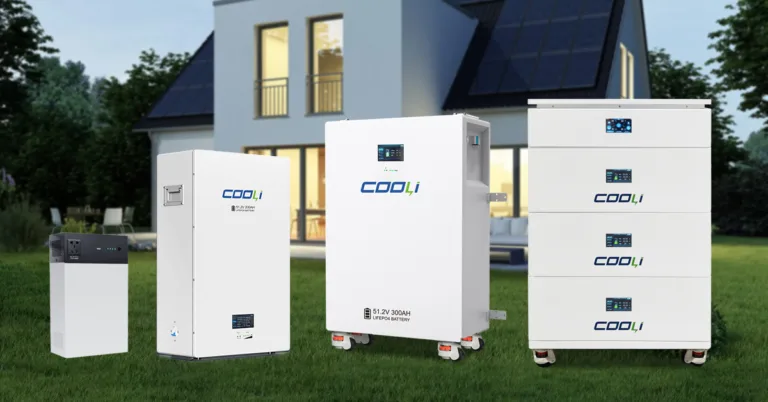
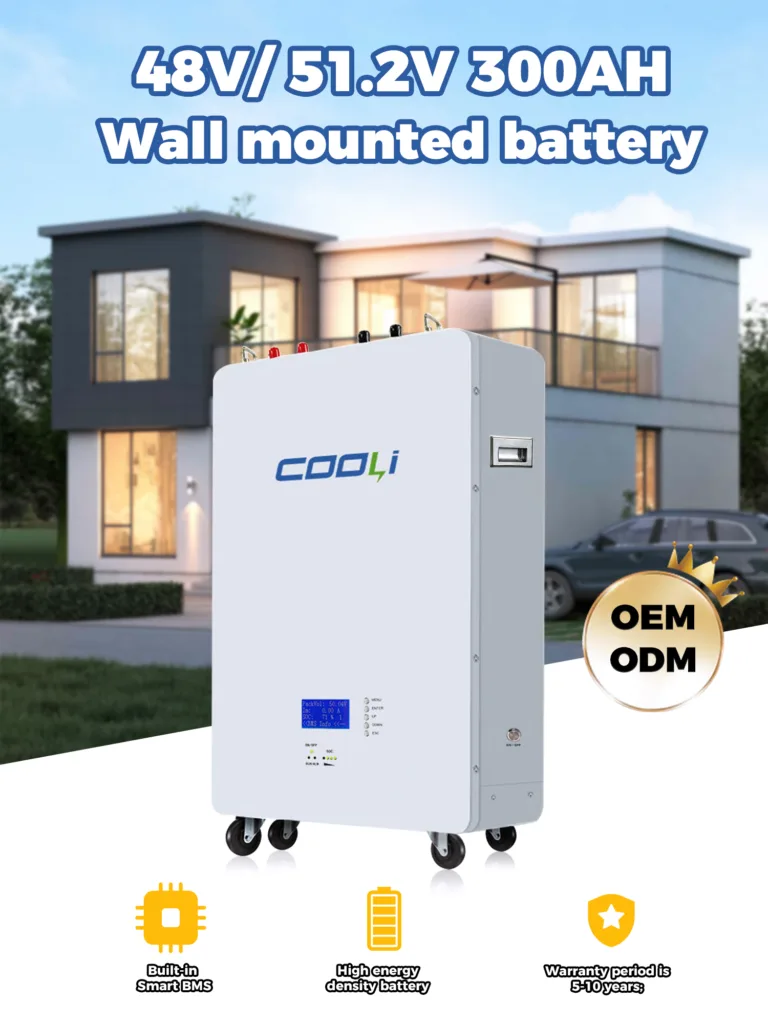
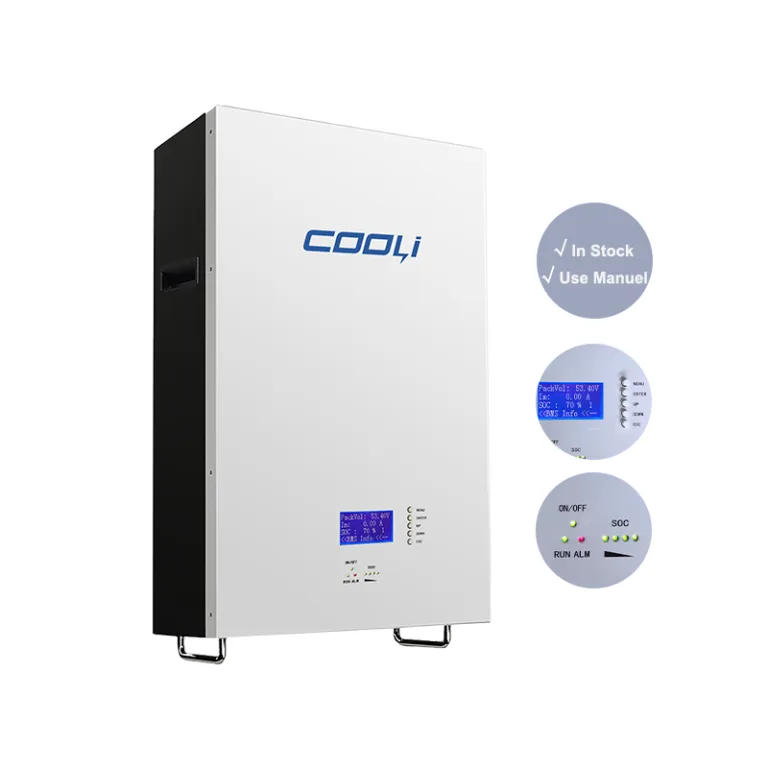
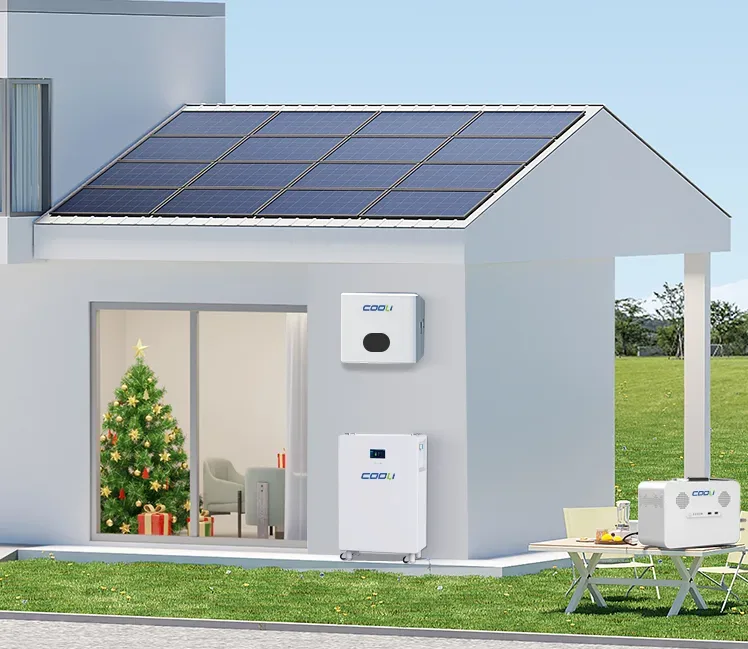
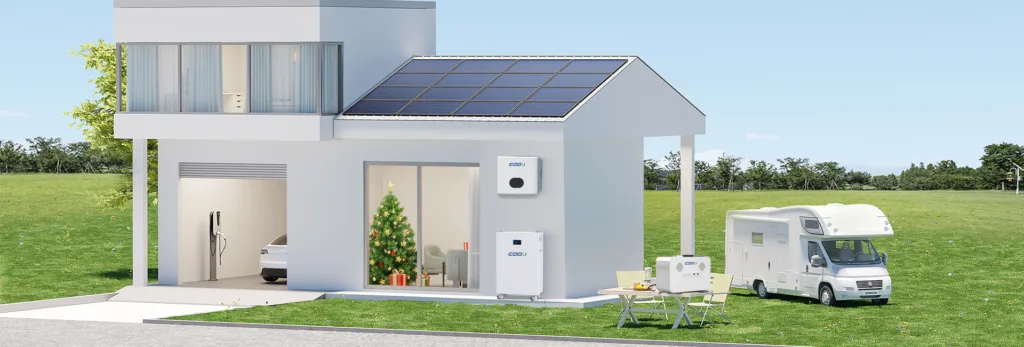
Abaterie montată pe perete este un compact, unitate de stocare a energiei instalată vertical concepută pentru a economisi spațiu pe podea. Aceste sisteme sunt populare în mediile rezidențiale și comerciale mici datorită elegantului lor, design all-in-one. Gândiți-vă la mărci precum Tesla Powerwall sau LG Chem RESU – acestea sunt adesea comercializate ca soluții „plug-and-play” pentru proprietarii de case.
Caracteristici cheie ale bateriilor de perete:
- Design care economisește spațiu: Se montează direct pe perete.
- Componente integrate: Invertoare încorporate, sisteme de racire, si monitorizare.
- Atractie estetica: Discret, aspect modern.
- Capacitate mai mică: De obicei, 5-15 kWh per unitate.
Ce este o baterie de rack?
Abaterie de rack pentru server (sau baterie montată pe rack) este un modular, sistem scalabil conceput pentru a se potrivi în rafturi standardizate de servere. Acestea sunt utilizate în mod obișnuit în centrele de date, ferme solare la scară largă, și aplicații comerciale/industriale. Exemplele includ mărci precum BYD Battery-Box sau eVault de la Fortress Power.
Caracteristici cheie ale bateriilor de rack:
- Scalabilitate modulară: Stivuiți mai multe baterii într-un suport pentru o capacitate mai mare.
- Durabilitate de calitate industrială: Construit pentru ciclism greu și durate lungi de viață.
- Extindere rentabilă: Adăugați unități treptat pe măsură ce nevoile cresc.
- Capacitate mai mare: Sistemele pot depăși 100 kWh când este extins.
Baterie de perete vs: 7 Adevăruri brutale
Să dezvăluim factorii critici care ar putea face sau distruge decizia ta:
1. Spațiu de instalare & Flexibilitate
- Baterie de perete: Ideal pentru spatii inguste (de ex., garaje, încăperi mici de utilitate). in orice caz, amplasarea este fixată odată instalată.
- Baterie Rack: Necesită spațiu pe podea pentru un rack, dar oferă o configurație flexibilă. Câștigător pentru scalabilitate.
2. Costul inițial vs valoarea pe termen lung
- Baterie de perete: Cost inițial mai mic (~7.000 USD–15.000 USD) dar opțiuni de extindere limitate.
- Baterie Rack: Investiție inițială mai mare pentru rack și componente, dar mai ieftină pe kWh în timp. Câștigător pentru rentabilitatea investiției pe termen lung.
3. Capacitate & Nevoi energetice
- Baterie de perete: Cel mai bun pentru uz casnic zilnic (de ex., compensarea ratelor de vârf, întreruperi scurte).
- Baterie Rack: Creat pentru scenarii cu cerere mare (de ex., viață în afara rețelei, backup comercial). Câștigător pentru cerințe mari de energie.
4. Întreţinere & Reparatii
- Baterie de perete: Unitățile sigilate înseamnă întreținere minimă, dar înlocuiri costisitoare dacă o componentă se defectează.
- Baterie Rack: Modulele individuale pot fi schimbate, reducerea timpului de nefuncţionare. Câștigător pentru reparabilitate.
5. Durata de viață și durabilitate
- Baterie de perete: 10-15 ani (variază în funcție de marcă și utilizare).
- Baterie Rack: Adesea 15–20+ ani din cauza celulelor de calitate industrială și a pieselor înlocuibile. Câștigător pentru longevitate.
6. Estetică vs funcționalitate
- Baterie de perete: Se integrează perfect în case.
- Baterie Rack: Aspect utilitar, dar prioritizează performanța. Câștigătorul depinde de priorități.
7. Siguranță & Răcire
- Baterie de perete: Răcirea pasivă poate avea probleme în medii cu căldură ridicată.
- Baterie Rack: Sistemele active de răcire din rafturi asigură temperaturi stabile. Câștigător pentru managementul termic.
Cine ar trebui să aleagă pe care?
- Bateriile de perete sunt pentru tine dacă:
- Sunteți proprietar cu spațiu limitat.
- Dați prioritate simplității și esteticii.
- Nevoile dvs. zilnice de energie sunt sub 20 kWh.
- Bateriile pentru rack sunt pentru tine dacă:
- Ai nevoie de stocare scalabilă (de ex., rețea solară în creștere).
- Sunteți în afara rețelei sau aveți nevoie de backup pentru sistemele critice.
- Costul pe kWh și fiabilitatea pe termen lung sunt priorități de top.
Concluzia
Nu există o opțiune universală „mai bună” - doar pentru ceea ce este mai bundvs situaţie. Bateriile de perete excelează prin simplitate și eficiență în spațiu, în timp ce bateriile rack domină în scalabilitate și durabilitate. Înainte de a cumpăra, intreaba:
- De câtă energie am nevoie acum vs in 5 ani?
- Îmi pot permite să fac upgrade mai târziu, sau am nevoie de un sistem sigur pentru viitor?
- Este estetica sau performanța brută mai importantă?
Cântărind aceste adevăruri, veți evita regretele costisitoare și veți investi într-un sistem de baterii care se aliniază cu adevărat cu obiectivele dvs.
Am nevoie de ajutor pentru a decide? Împărtășiți cazul dvs. de utilizare în comentarii, și vă vom ghida către alegerea potrivită!
10Baterii kWh LiFePO4 10Costul bateriilor solare kWh în Myanmar 25Sisteme de baterii kWh All-in-One Container BESS 4MWh saudiți BESS Producator China Cea mai ieftină baterie de acasă China BESS Solutions China DDP en-gros China Factory LiFePO4 Baterii China Grid-Scale BESS Furnizori OEM chinezi Stocare comercială a bateriei Kenya Soluții DC ESS Soluție DDP Direct în RDC Dirijați China către Africa Direcționați China către Africa Battery baterie de stocare a energiei Sisteme de stocare a energiei Lideri mondiali în bateriile cu litiu Baterie de gradul A Furnizor de stocare a bateriilor la scară de rețea Baterii de acasă pentru familii olandeze stocarea energiei la domiciliu Industrial BESS Kenya Plumb-acid vs. Baterii litiu-ion LiFePO4 baterii LiFePO4 Bateriile LiFePO4 în Africa de Sud baterie LifePo4 Tehnologia bateriei LifePO4 Distribuitor LiFePO4 în Irak LiFePO4 ESS Kenya Baterie Litiu-Ion baterie litiu-ion Preturi mai mici Tendințele pieței Dulap de răcire cu lichid în aer liber Achiziții saudite LiFePO4 Soluții scalabile BESS pentru industrie Panouri solare sistem solar Stivuire All-in-One Baterii solare LiFePO4 en-gros Baterii solare cu ridicata