
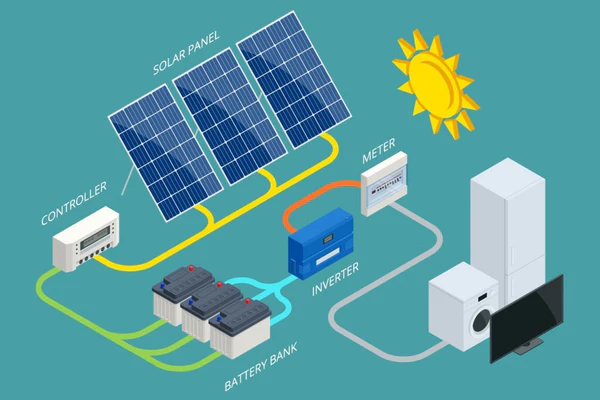
Kako izračunati kapaciteto sončne baterije? 3 Koraki do popolne velikosti
(Praktični vodnik za afriške domove in podjetja, s poudarkom na Južni Afriki)
Ujemanje zmogljivosti sončne baterije z razporedom razbremenitve v Afriki
V regijah, kot je Južna Afrika in drugi deli Afrike, Zaradi pogostih izpadov električne energije in nezanesljivega električnega omrežja so sistemi sončne energije rešilna bilka za domove in podjetja. Ključna komponenta katere koli sončne naprave je baterija, ki shranjuje energijo za uporabo, ko sonce ne sije. Vendar, izbira napačne kapacitete baterije lahko povzroči zapravljen denar, nezadostna moč, ali skrajšano življenjsko dobo baterije.
Ta vodnik razčlenjuje postopek izračuna zmogljivost sončne baterije v treh preprostih korakih, prilagojeno edinstvenim energetskim potrebam Afrike, klima, in sončni potencial.

korak 1: Določite svojo dnevno porabo energije
Preden določite velikost baterije, moraš vedetikoliko energije dnevno porabi vaše gospodinjstvo ali podjetje.
- Seznam vseh električnih aparatov nameravate napajati s sončno energijo.
- Tipični aparati v afriških gospodinjstvih: LED luči (5–10 W), hladilniki (100–200 W), televizorji (50–100 W), oboževalci (50W), mobilni polnilci (10W), in majhne vodne črpalke (200–500 W).
- Za podjetja: Računalniki, usmerjevalniki, varnostne kamere, ali stroji.
- Izračunajte dnevno porabo energije (v vatnih urah, Wh):
- Moč (W) × Ure uporabe na dan = dnevna energija na aparat.
- Primer:
- 5 LED luči (10W vsak) × 6 ure = 300 Wh
- Hladilnik (150W) × 24 ure (cikli vklop/izklop) ≈ 900 Wh
- TV (80W) × 4 ure = 320 Wh
- Skupna dnevna energija = 300 + 900 + 320 = 1,520 Wh (1.52 kWh)
- Dejavnik neučinkovitosti:
- Solarni sistemi izgubljajo energijo zaradi neučinkovitosti pretvornika (~10–20 %) in izgube pri polnjenju/praznjenju baterije (~10–15%).
- Pomnožite skupno dnevno energijo z1.3 (30% medpomnilnik):
- 1.52 kWh × 1.3 = ~2 kWh na dan.
korak 2: Izračunajte kapaciteto baterije na podlagi dni avtonomije
Kapaciteta baterije je odvisna odkoliko dni potrebujete rezervno napajanje (dnevi avtonomije). V Južni Afriki, kjer je razbremenitev pogosta, 2– 3 dni avtonomije je praktično.
1.Formula:
Kapaciteta baterije(kWh)=Dnevna energija(kWh)×Dnevi avtonomije
- Primer: Za 2 dni avtonomije:
2 kWh/dan×2 dni=4 kWh
2.Pretvorite kWh v Amper ure (ah):
- Baterije so ocenjene v Ah pri določeni napetosti (npr., 12V, 24V, 48V).
- Formula:

- Primer: Za 48V sistem:

3.Faktor globine praznjenja (DoD):
- Večina baterij (npr., litij-ionski) ne sme izprazniti pod 80–90 % DoD. Svinčeve baterije so omejene na 50% DoD.
- Prilagodite kapaciteto:

- Primer: Za litij-ionsko (90% DoD):

korak 3: Uskladite zmogljivost baterije z močjo solarnega panela
Vaša baterija mora biti usklajena z zmogljivostjo polnjenja niza sončnih celic.
- Preverite dnevno sončno proizvodnjo:
- Povprečje Južne Afrike4–6 največ sončnih ur dnevno (razlikuje glede na sezono).
- Formula:Izhod sončne plošče(Wh)=Moč plošče × Sončne ure Izhodna moč sončne plošče(Wh)=Moč plošče × Sončne ure
- Primer: 400W plošče × 5 sončne ure = 2,000 Wh (2 kWh).
- Zagotovite, da lahko plošče napolnijo baterijo:
- Dnevna proizvodnja sonca mora presegati dnevno porabo energije.
- Primer: Če uporabljate 2 kWh/dan in ustvariti 2 kWh/dan, za oblačne dni boste potrebovali dodatno zmogljivost.
- Račun za razširitev sistema:
- Dodajte 20–30 % dodatne kapacitete baterije za prihodnje potrebe (npr., dodajanje aparatov).
Ključni pomisleki za afriške uporabnike
- Tip baterije:
- Litij-ionski: Daljša življenjska doba (10+ leta), višji DoD (90%), vendar drago.
- Svinčeno-kislinski: Cenejši, vendar krajša življenjska doba (3– 5 let) in nižje DoD (50%).
- Temperatura:
- Visoke temperature (pogosta v Afriki) zmanjša učinkovitost baterije. Namestite baterije v senci, prezračenih prostorih.
- Lokalna podpora:
- Izberite znamke s servisnimi centri v vaši regiji (npr., Huawei, Victron Energy, ali lokalnih dobaviteljev).
Primer izračuna za južnoafriško gospodinjstvo
- Aparati: 10 luči (100W skupaj), hladilnik (150W), TV (80W), ventilator (50W).
- Dnevna energija: 1.5 kWh + 30% medpomnilnik = 1.95 kWh.
- Avtonomija: 2 dni → 3.9 kWh.
- Napetost baterije: 48V → 3.9 kWh × 1,000 / 48V = 81.25 ah.
- Litij-ionski (90% DoD): 81.25 ah / 0.9 ≈ 90 ah.
- Priporočena baterija: 100 Ah litij-ionski (48V).
Zadnji nasveti
- Za natančnost uporabite sončni kalkulator.
- Posvetujte se z lokalnimi inštalaterji, da potrdite svojo zasnovo.
- Dajte prednost energetsko učinkovitim napravam, da zmanjšate velikost baterije in stroške.
Z upoštevanjem teh korakov, zagotovili boste, da bo vaš sistem solarnih baterij ustrezal vašim potrebam, preživi razbremenitev, in prenese afriško podnebje. 🌞🔋
Nadaljnje branje:
- [Najboljši vodnik za 48 V 100 Ah litijevo baterijo za stensko namestitev: Odgovarjanje 5 Ključna pogosta vprašanja]
- [48V 200Ah sončna baterija Uganda: Rešite izpade & Prihranite stroške]
10kWh LiFePO4 baterije 10Cena kWh sončne baterije v Mjanmaru 25kWh baterijski sistemi Vse-v-enem BESS Container 4MWh Saudi BESS Proizvajalec Kitajska Najcenejša hišna baterija Kitajska BESS Solutions Kitajska DDP veleprodaja Kitajske tovarne LiFePO4 baterije Kitajska mrežna lestvica BESS Kitajski dobavitelji OEM Komercialno shranjevanje baterij v Keniji Rešitve DC ESS Rešitev DDP neposredno v DR Kongo Usmerite Kitajsko v Afriko Baterija Direct China to Africa akumulator za shranjevanje energije Sistemi za shranjevanje energije Globalni voditelji na področju litijevih baterij Baterija razreda A Dobavitelj mrežnega shranjevanja baterij Domače baterije za nizozemske družine domače shranjevanje energije Industrijski BESS Kenija Svinčena kislina vs. Litij-ionske baterije LiFePO4 LiFePO4 baterije LiFePO4 baterije v Južni Afriki LifePo4 baterija Tehnologija baterije LifePO4 Distributer LiFePO4 v Iraku LiFePO4 ESS Kenija Litij-ionska baterija litij-ionska baterija Nižje cene Tržni trendi Omara za tekočinsko hlajenje na prostem Savdska nabava LiFePO4 Razširljive rešitve BESS za industrijo Sončni kolektorji sončni sistem Zlaganje vse-v-enem Veleprodaja LiFePO4 solarnih baterij Veleprodaja sončnih baterij
En komentar