
Litijeve baterije v sončnih sistemih: 5 Ključne prednosti za povečanje učinkovitosti 90%
Litijeve baterije have revolutionized solar energy storage, offering superior performance over traditional lead-acid counterparts. Below is a detailed exploration of their role in solar systems, supported by technical insights and real-world applications.
1. Core Advantages of Litijeve baterije v sončnih sistemih
A. Visoka učinkovitost & Gostota energije
- Round-Trip Efficiency: Lithium batteries achieve 95–99% efficiency, compared to 70–85% for lead-acid, minimizing energy loss during charging/discharging cycles 13.
- Gostota energije: Lithium packs store 3× more energy per unit volume, reducing space requirements by 70% 18. Na primer, a 5.12 kWh lithium system occupies half the space of a lead-acid setup with similar capacity.
B. Extended Lifespan & Stroškovna učinkovitost
- Življenjski cikel: LiFePO4 (litijev železov fosfat) batteries endure 2,000–10,000 cycles at 80% globina praznjenja (DoD), outlasting lead-acid (300–500 cycles at 50% DoD) 13. Over 15 leta, lithium’s upfront cost (2–3× higher) is offset by fewer replacements, yielding 40–50% lower lifetime costs 3.
- Maintenance-Free: Unlike lead-acid batteries requiring water refills and sulfation checks, lithium systems operate with zero maintenance 28.
C. Fast Charging & Temperaturna odpornost
- Charging Speed: Lithium charges in 2–5 hours vs. 8–10 hours for lead-acid, enabling rapid energy capture during peak sunlight 13.
- Temperature Range: Operates efficiently in -20°C to 60°C (-4°F to 140°F) for discharge and 0°C to 49°C (32°F to 120°F) for charging. Advanced models include self-heating for sub-zero environments 38.
2. Applications in Solar Systems
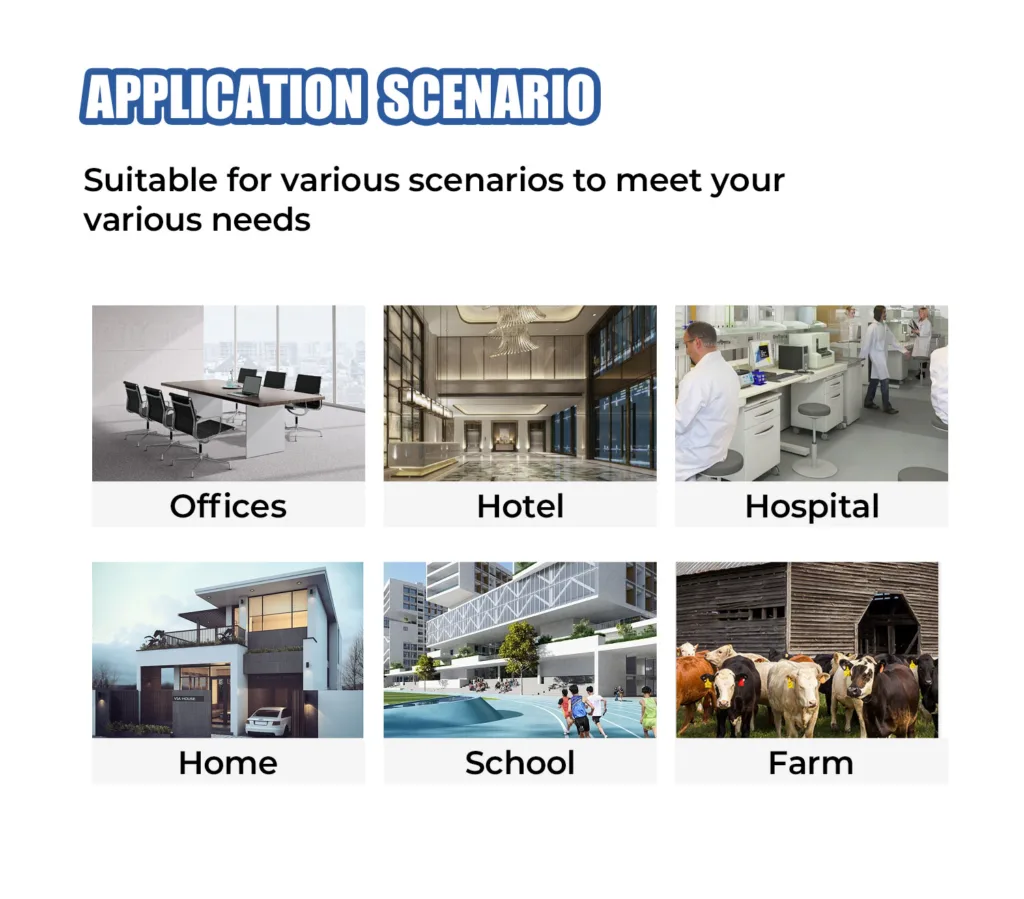
A. Residential & Commercial Solar Storage
- Energy Independence: Store excess solar power for nighttime use or grid outages, reducing reliance on utility grids 48.
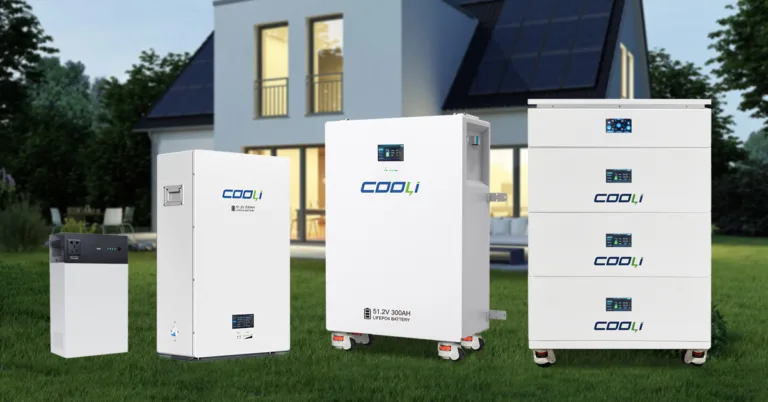
- Razširljivost: Modular lithium systems (npr., BSLBATT’s 5.12kWh–10.24kWh units) allow easy capacity expansion 8.
B. Izven mreže & Remote Solutions
- Camping/RVs: Lightweight lithium packs (60% lažji od svinčeve kisline) are ideal for mobile setups 8.
- Industrial Backup: Used in telemetry, remote monitoring, and critical infrastructure due to reliability and long lifespan 24.
C. Podpora za omrežje & Microgrids
- Vrhunsko britje: Reduce grid demand during high-energy periods by tapping stored solar energy 4.
- Frequency Regulation: Lithium’s rapid response stabilizes grids in hybrid renewable systems 10.
3. Innovations Driving Adoption
A. Integrated Solar-Storage Systems
- Monolithic Designs: Researchers have combined silicon solar cells with solid-state lithium batteries, doseganje 15.8% solar-to-storage efficiency. These systems charge in 45 seconds under sunlight and sustain high discharge rates (28C) 9.
B. Solid-State & Lithium Alloy Tech
- Solid-State Batteries: Offer enhanced safety by replacing flammable liquid electrolytes. Recent studies highlight challenges (npr., Li-In dendrites in sulfide electrolytes), but advancements in interface engineering show promise 710.
- Lithium-Doped Solar Cells: Improve radiation resistance for space applications, enabling self-recovery from high-energy particle damage 6.
C. Trajnost & Recycling
- Lower Carbon Footprint: Lithium systems reduce greenhouse gas emissions by 43–57% compared to lead-acid over their lifecycle 10.
- Recycling Infrastructure: Growing initiatives recover >90% of lithium, kobalt, and nickel, addressing resource scarcity 10.
4. Challenges & Future Outlook
A. Current Limitations
- Vnaprejšnji stroški: Initial investment remains high, though prices have dropped 80% since 2010 8.
- Cold Charging: Requires heating systems below 0°C, adding complexity 3.
B. Emerging Trends
- Sodium-Ion Hybrids: Cheaper and more abundant than lithium, sodium-ion batteries (SIBs) are gaining traction for low-cost grid storage, though energy density lags 10.
- AI-Driven Management: Smart BMS (Sistemi za upravljanje baterije) optimize charging cycles and predict failures, extending lifespan 14.
5. Decision Guide: Is Lithium Right for You?
| Faktor | Litij | Svinčena kislina |
|---|---|---|
| Začetni stroški | visoko (1,750–1,750–2,500/kWh) | Nizka (500–500–1,000/kWh) |
| Lifetime Cost | Nižje (10– 15 let) | višje (3– 5 let) |
| Space/Weight | Kompakten, lahka | Masivno, heavy |
| Vzdrževanje | None | Regular checks |
| Vpliv na okolje | Lower carbon footprint | Lead pollution risks |
Priporočilo: Choose lithium for long-term savings, high efficiency, in razširljivost. Opt for lead-acid only if budget constraints outweigh performance needs.
10kWh LiFePO4 baterije 10Cena kWh sončne baterije v Mjanmaru 25kWh baterijski sistemi Vse-v-enem BESS Container 4MWh Saudi BESS Proizvajalec Kitajska Najcenejša hišna baterija Kitajska BESS Solutions Kitajska DDP veleprodaja Kitajske tovarne LiFePO4 baterije Kitajska mrežna lestvica BESS Kitajski dobavitelji OEM Komercialno shranjevanje baterij v Keniji Rešitve DC ESS Rešitev DDP neposredno v DR Kongo Usmerite Kitajsko v Afriko Baterija Direct China to Africa akumulator za shranjevanje energije Sistemi za shranjevanje energije Globalni voditelji na področju litijevih baterij Baterija razreda A Dobavitelj mrežnega shranjevanja baterij Domače baterije za nizozemske družine domače shranjevanje energije Industrijski BESS Kenija Svinčena kislina vs. Litij-ionske baterije LiFePO4 LiFePO4 baterije LiFePO4 baterije v Južni Afriki LifePo4 baterija Tehnologija baterije LifePO4 Distributer LiFePO4 v Iraku LiFePO4 ESS Kenija Litij-ionska baterija litij-ionska baterija Nižje cene Tržni trendi Omara za tekočinsko hlajenje na prostem Savdska nabava LiFePO4 Razširljive rešitve BESS za industrijo Sončni kolektorji sončni sistem Zlaganje vse-v-enem Veleprodaja LiFePO4 solarnih baterij Veleprodaja sončnih baterij

En komentar