300Ah LiFePO4 Betri: Maswali Muhimu Yamejibiwa
The300Ah LiFePO4 betri imepata umaarufu katika mifumo ya nishati mbadala, RVs, maombi ya baharini, na usanidi wa nje ya gridi ya taifa kwa sababu ya uwezo wake wa juu, usalama, na maisha marefu. Hata hivyo, watumiaji mara nyingi wana maswali kuhusu utendaji wake, mapungufu, na vipimo vya kiufundi. Nakala hii inashughulikia maswali ya kawaida, kutoa mwongozo wa kina kwa wanunuzi na wapendaji.
1. Je! Ni Nini Hasara za Betri za LiFePO4?
Wakati LiFePO4 (Lithium Iron Phosphate) betri zinajulikana kwa usalama na uimara, wana mapungufu fulani:
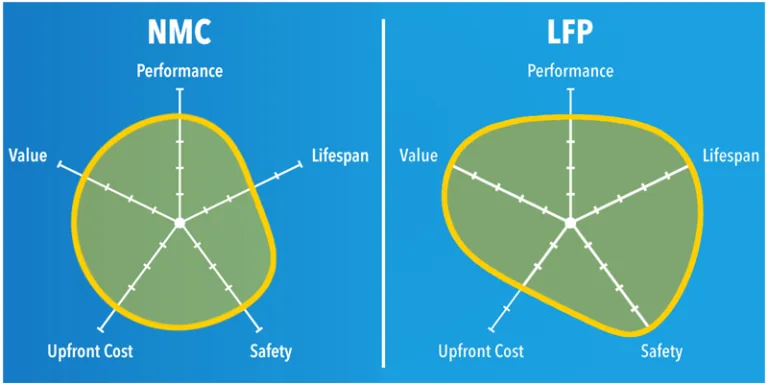
- Msongamano wa Nishati ya Chini: Ikilinganishwa na kemia zingine za lithiamu-ion (k.m., NMC au LCO), LiFePO4 huhifadhi nishati kidogo kwa kila uzito wa kitengo au ujazo, kuzifanya kuwa nyingi zaidi kwa matumizi ya nishati ya juu kama simu mahiri au EVs.
- Gharama ya Juu ya Awali: Ingawa ni ya gharama nafuu kwa muda kutokana na muda mrefu wa maisha, bei za awali ni mara 2–3 zaidi kuliko betri za asidi ya risasi.
- Unyeti wa Joto: Utendaji hupungua kwa baridi kali (chini -20 ° C) au joto (juu ya 60 ° C). Wakati zinavumilia safu pana kuliko asidi ya risasi, mfiduo wa muda mrefu kwa joto la juu hupunguza uwezo.
- Kuchaji Polepole: LiFePO4 huchaji polepole zaidi kuliko vibadala vingine vya lithiamu, inayohitaji chaja maalumu ili kuepuka uharibifu.
Licha ya mapungufu haya, zaousalama (isiyoweza kuwaka hata chini ya dhiki) namaisha ya mzunguko (2,000- mizunguko 5,000+) kuwafanya kuwa bora kwa hifadhi ya jua, RVs, na nguvu chelezo.
2. Betri ya LiFePO4 ya 300Ah Itadumu Muda Gani?
Muda wa matumizi ya betri ya 300Ah inategemea:
- Nguvu ya Kupakia: Kwa kifaa cha 500W, Runtime = Nishati ya Betri(kWh)/Nguvu ya Kupakia(kW)
- Kina cha Utoaji (DoD): Betri za LiFePO4 zinaweza kutoa kwa usalama hadi 80-90% DoD bila uharibifu mkubwa..
Mfano:
Maduka ya betri ya 48V 300Ah LiFePO414.4 kWh (48V × 300Ah). Saa 80% DoD (11.5 kWh inayoweza kutumika), kuwasha mzigo wa kW 1 kungedumu ~ masaa 11.5. Kwa friji ya 300W RV, muda wa kukimbia unaongezeka hadi ~ masaa 38.
3. Ni kWh Ngapi Ni Betri ya 48V 300Ah?
A48Betri ya V 300Ah LiFePO4 inatoa:
48V×300Ah=14,400Wh=14.4 kWh
Uwezo huu unafaa kwa matumizi makubwa kama vile mifumo ya kuhifadhi nishati ya jua au magari ya umeme. Kwa kulinganisha:
- Betri ya 12V 300Ah hutoa3.84 kWh (12V × 300Ah).
- Voltage ya juu (k.m., 51.2V) usanidi huboresha ufanisi katika usanidi wa viwanda.
4. 25.6Katika dhidi ya. 51.2V: Nini Tofauti?
Betri za LiFePO4 ni za kawaida, kuruhusu miunganisho ya mfululizo kufikia viwango vya juu zaidi:
- 25.6V: Kwa kawaida usanidi wa seli 8 (8 × 3.2V kwa kila seli), hutumika katika mifumo ya ukubwa wa kati kama vile mikokoteni ya gofu au mipangilio midogo ya jua.
- 51.2V: Mpangilio wa seli 16, bora kwa programu za nguvu ya juu kama rafu za seva au uhifadhi wa nishati ya kibiashara.
Kuzingatia Muhimu: Voltage ya juu inapunguza sasa, kupunguza upotevu wa nishati katika wiring na kuboresha ufanisi kwa mitambo mikubwa.

5. Je, LiFePO4 Ni Bora Kuliko Betri Zingine za Lithium?
LiFePO4 inafauluusalama namaisha marefu lakini kuna msongamano wa nishati ikilinganishwa na lithiamu-ioni (Li-ion) lahaja:
| Kipengele | LiFePO4 | Li-ion ya jadi |
|---|---|---|
| Usalama | Isiyoweza kuwaka, imara | Hatari ya kukimbia kwa joto |
| Maisha ya Mzunguko | 2,000- mizunguko 5,000+ | 500- mizunguko 1,000 |
| Msongamano wa Nishati | 90-120 Wh/kg | 150-200 Wh/kg |
| Gharama | Juu zaidi mbele | Chini mbele |
Bora Kwa:
- LiFePO4: Hifadhi ya jua, RVs, baharini, nguvu chelezo.
- Li-ion: Elektroniki za watumiaji, EV zinazohitaji saizi ya kompakt.
6. Mazingatio Muhimu kwa Betri za 300Ah LiFePO4
- BMS (Mfumo wa Usimamizi wa Betri): Inahakikisha ulinzi dhidi ya malipo ya ziada, kutokwa kupita kiasi, na mzunguko mfupi.
- Utangamano: Tumia chaja mahususi za LiFePO4 (k.m., 14.6V kwa mifumo ya 12V) ili kuepuka uharibifu.
- Hifadhi: Hifadhi kwa chaji 50-80% mahali pa baridi, hali kavu ili kuongeza muda wa maisha.
Hitimisho
The300Ah LiFePO4 betri ni chaguo thabiti kwa uwezo wa juu, mahitaji ya nishati ya muda mrefu, kusawazisha usalama, na kutegemewa. Ingawa ina mapungufu kama vile msongamano mdogo wa nishati na gharama kubwa za awali, faida zake katika maisha ya mzunguko na uthabiti wa mafuta huifanya kuwa mpinzani mkuu wa nishati mbadala na matumizi ya nje ya gridi ya taifa..
Kwa suluhisho zilizowekwa, kuchunguza bidhaa kama vileBetri ya Lifepo4 300ah au betri za kawaida za 48V seva-rack. Thibitisha vipimo kila wakati na watengenezaji ili kuendana na mahitaji ya mfumo wako.
10Betri za kWh LiFePO4 10Gharama za Betri ya jua ya kWh nchini Myanmar 25Mifumo ya Betri ya kWh Yote kwa Moja BESS Container 4MWh Saudi Mtengenezaji wa BESS China Betri ya Nyumbani ya bei nafuu zaidi China BESS Solutions Uchina DDP Jumla Betri za Kiwanda cha China LiFePO4 Gridi ya China ya Kiwango cha BESS Wauzaji wa OEM wa Kichina Hifadhi ya Betri ya Kibiashara Kenya Suluhisho za DC ESS Suluhisho la DDP Moja kwa moja hadi DRC Ielekeze China kwa Afrika Elekeza China kwa Betri ya Afrika betri ya kuhifadhi nishati Mifumo ya Uhifadhi wa Nishati Viongozi wa Betri ya Lithium Ulimwenguni Betri ya daraja A Msambazaji wa Kuhifadhi Betri ya Kiwango cha Gridi Betri za Nyumbani kwa Familia za Uholanzi uhifadhi wa nishati nyumbani Viwanda BESS Kenya Asidi ya risasi dhidi ya. Betri za Lithium-ion LiFePO4 Betri za LiFePO4 Betri za LiFePO4 nchini Afrika Kusini Betri ya LifePo4 Teknolojia ya Betri ya LifePO4 Msambazaji wa LiFePO4 nchini Iraq LiFePO4 ESS Kenya Betri ya Lithium-ion betri ya lithiamu ion Bei za Chini Mitindo ya Soko Baraza la Mawaziri la kupoeza Kioevu cha Nje Ununuzi wa Saudi LiFePO4 Scalable BESS Solutions kwa ajili ya Viwanda Paneli za jua mfumo wa jua Kuweka Zote kwa Moja Betri za Jua za LiFePO4 kwa Jumla Betri za Jua za Jumla