5 Vidokezo vya Usalama vya Betri ya Lithiamu Lazima Ujue: Epuka Moto & Linda Nyumba Yako!
Are Lithium Battery Safety? Essential Tips for Storage, Disposal & Fire Prevention
Betri za lithiamu power everything from smartphones to electric vehicles, but their safety remains a hot topic. With reports of fires and explosions making headlines, it’s natural to ask: Are lithium batteries safe? The short answer is yes—when used and stored properly. Let’s dive into critical safety tips, hatari, and data-backed solutions to keep your home and environment safe.
1. How Safe Are Lithium Batteries in Homes?
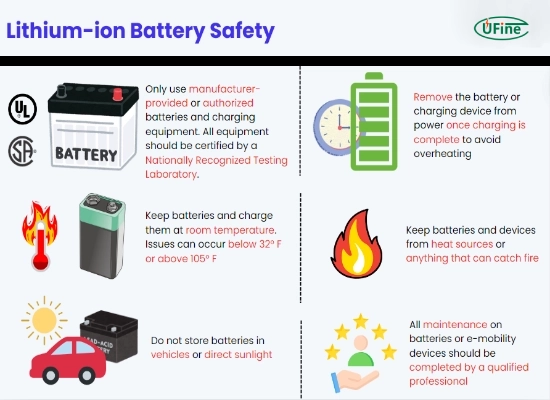
Lithium-ion batteries are generally safe for household use, but risks arise from misuse, damage, or poor manufacturing. According to theU.S. Consumer Product Safety Commission, lithium battery-related incidents caused over 25,000 fires annually in recent years. Hata hivyo, yaodds of a lithium battery exploding are extremely low—estimated at1 katika 10 million when batteries are undamaged and used correctly.
Key risks include:
- Overcharging: Can lead to thermal runaway (a chain reaction causing fire).
- Physical damage: Punctures or cracks may trigger internal short circuits.
- Poor-quality batteries: Counterfeit or uncertified products have higher failure rates.
2. How to Store Lithium Batteries Safely
Where is the safest place to store lithium batteries? Follow these guidelines:
- Temperature control: Store in a cool, mahali pakavu (ideally 15–25°C / 59–77°F). Avoid extreme heat (k.m., near stoves) or freezing conditions.
- Uingizaji hewa: Use a non-conductive container (k.m., plastic) and ensure airflow to prevent gas buildup.
- Avoid metal contact: Store separately to prevent short circuits.
A 2022 study byUL Solutions found that 40% of battery fires occur during charging. Always unplug devices once fully charged.
3. How to Prevent Lithium Battery Fires
Prevention is key to minimizing risks:
- Use manufacturer-approved chargers: Incompatible chargers overheat batteries.
- Avoid over-discharging: Don’t drain batteries to 0%; most have built-in protection below 20%.
- Inspect regularly: Look for swelling, leaks, or unusual heat.
If a fire starts:
- Do NOT use water initially (lithium reacts with water).
- Use a Class D fire extinguisher (for metal fires) or smother with sand.
- For large fires, evacuate and call emergency services.
4. Safe Disposal of Lithium Batteries
Never toss lithium batteries in regular trash! They can leak toxic chemicals or ignite in landfills. Instead:
- Recycle: Use certified e-waste centers (find locations via Earth911).
- Tape terminals: Cover +/- ends with non-conductive tape to prevent shorting.
- Retail drop-offs: Stores like Best Buy or Home Depot often accept used batteries.
Pekee5% of lithium batteries are recycled globally (UNEP, 2023), highlighting the urgent need for proper disposal.
5. Do Lithium Batteries Emit Toxic Fumes?
Ndiyo. When lithium batteries burn, they releasetoxic gases like hydrogen fluoride and carbon monoxide. Always:
- Ventilate the area immediately.
- Wear a mask if near a damaged battery.
- Seek professional help for large-scale incidents.
6. The Biggest Problem with Lithium Batteries
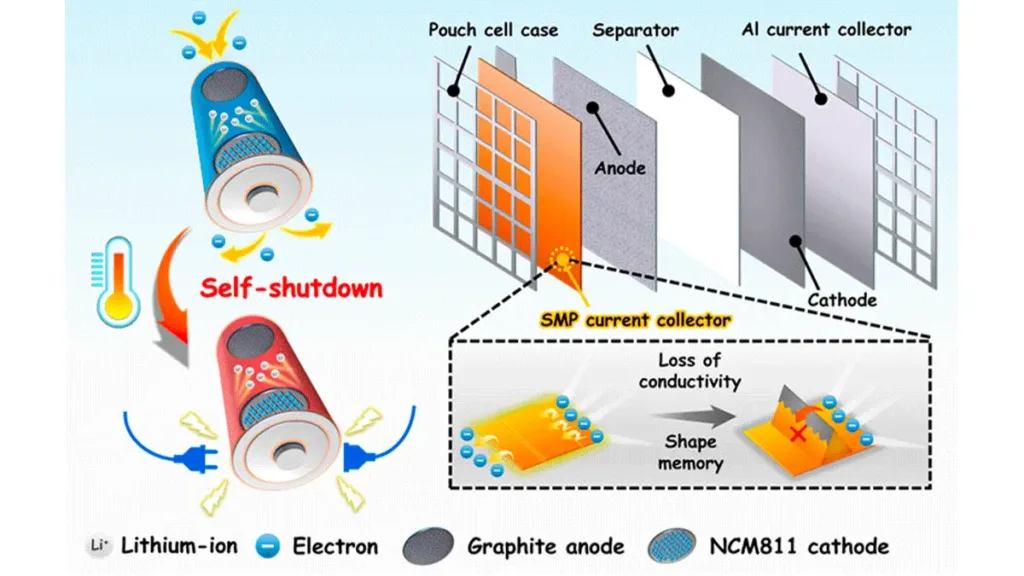
The primary issue iskukimbia kwa joto—a rapid, uncontrollable temperature rise that can cause explosions. This is often triggered by:
- Internal defects.
- External damage (k.m., crushing).
- Exposure to high temperatures.
Mawazo ya Mwisho
Lithium batteries are safe for daily use when handled responsibly. Prioritize certified products, proper storage, and recycling to mitigate risks. By following these guidelines, you’ll protect your home, loved ones, and the environment.
Stay informed. Stay safe.
10Betri za kWh LiFePO4 10Gharama za Betri ya jua ya kWh nchini Myanmar 25Mifumo ya Betri ya kWh Yote kwa Moja BESS Container 4MWh Saudi Mtengenezaji wa BESS China Betri ya Nyumbani ya bei nafuu zaidi China BESS Solutions Uchina DDP Jumla Betri za Kiwanda cha China LiFePO4 Gridi ya China ya Kiwango cha BESS Wauzaji wa OEM wa Kichina Hifadhi ya Betri ya Kibiashara Kenya Suluhisho za DC ESS Suluhisho la DDP Moja kwa moja hadi DRC Ielekeze China kwa Afrika Elekeza China kwa Betri ya Afrika betri ya kuhifadhi nishati Mifumo ya Uhifadhi wa Nishati Viongozi wa Betri ya Lithium Ulimwenguni Betri ya daraja A Msambazaji wa Kuhifadhi Betri ya Kiwango cha Gridi Betri za Nyumbani kwa Familia za Uholanzi uhifadhi wa nishati nyumbani Viwanda BESS Kenya Asidi ya risasi dhidi ya. Betri za Lithium-ion LiFePO4 Betri za LiFePO4 Betri za LiFePO4 nchini Afrika Kusini Betri ya LifePo4 Teknolojia ya Betri ya LifePO4 Msambazaji wa LiFePO4 nchini Iraq LiFePO4 ESS Kenya Betri ya Lithium-ion betri ya lithiamu ion Bei za Chini Mitindo ya Soko Baraza la Mawaziri la kupoeza Kioevu cha Nje Ununuzi wa Saudi LiFePO4 Scalable BESS Solutions kwa ajili ya Viwanda Paneli za jua mfumo wa jua Kuweka Zote kwa Moja Betri za Jua za LiFePO4 kwa Jumla Betri za Jua za Jumla