
50% Kushuka kwa Gharama!Uboreshaji wa Betri ya Afrika: Betri za maisha ya pili
Unlocking Africa’s Energy Future: The Role of Betri za maisha ya pili in Sustainable Development
As Africa faces growing energy demands, Betri za maisha ya pili (or cascaded batteries) — repurposed from retired electric vehicle (EV) batteries — are emerging as a cost-effective and eco-friendly solution. Pamoja na juu 600 million people lacking reliable electricity access (World Bank, 2023) and renewable energy adoption accelerating, cascaded batteries could bridge the gap between energy poverty and sustainability. This article explores how Africa can leverage this technology to unlock economic, environmental, and social value.
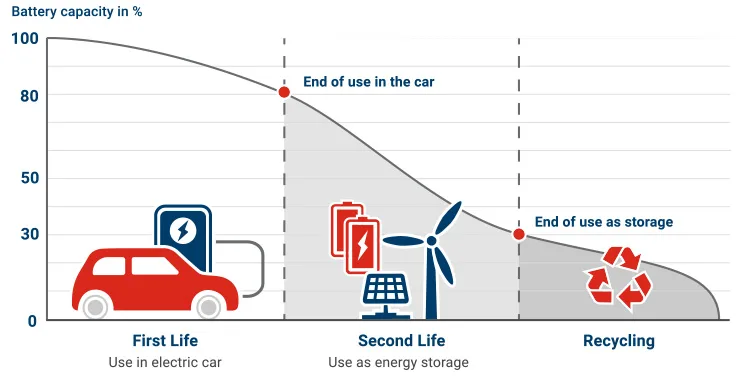
Why Second-life batteries Fit Africa’s Context?
- Cost-Effective Energy Storage
- Lower upfront costs: Cascaded batteries are 30–50% cheaper than new lithium-ion batteries (BNEF, 2022), critical for budget-constrained markets. Kwa mfano, a solar+storage microgrid using cascaded batteries in Kenya reduced installation costs by 40% (UNDP Case Study, 2022).
- Extended lifespan: Retired EV batteries (80% uwezo) can power off-grid systems for 5–8 years, delaying new battery purchases. In Nigeria, repurposed EV batteries from Europe supported rural clinics’ solar systems, cutting energy costs by $1,200/year per facility (Energy Access Report, 2023).
- Renewable Energy Integration
- Africa’s solar potential is vast (hadi 10 TW capacity), but grid instability limits adoption. Cascaded batteries can store excess solar energy at 50% lower cost than new systems, enabling 24/7 power for homes and businesses.
- Mfano: South Africa’s “SolarTurtle” kiosks use cascaded batteries to provide portable solar power for townships, serving 3,000+ users monthly at half the cost of diesel generators.
- Reducing E-Waste and Pollution
- Africa imports ~500,000 tons of used electronics annually, with improper disposal contaminating soil and water. Cascaded batteries delay landfill disposal by 5- miaka 10, reducing toxic leakage risks.
- Usafishaji 1 ton of lithium via cascading saves 15 tons of CO₂ dhidi ya. mining new lithium (MIT, 2020). If 50% of Africa’s future EV batteries are repurposed, it could prevent 200,000 tons of e-waste by 2030 (UNEP projection).
- Job Creation and Local Innovation
- Battery refurbishment and maintenance could create 50,000+ jobs across Africa by 2030 (AfDB estimate). Startups like Nigeria’s Recycle and Kenya’s Aceli are already training technicians to test and repurpose batteries.
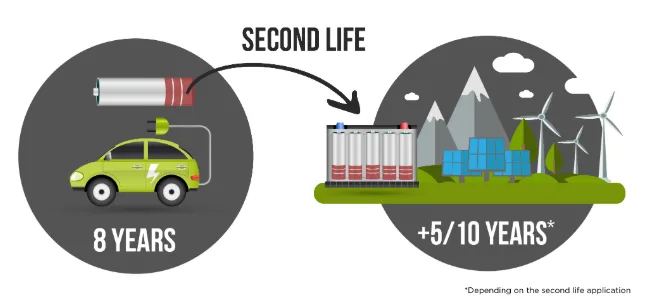
Key Applications in African Markets
- Off-Grid and Mini-Grid Systems
- Cascaded batteries paired with solar PV can power remote villages. In Rwanda, a pilot project using Nissan Leaf batteries electrified 200 households saa 30% lower cost than diesel alternatives.
- Telecom Infrastructure
- Mobile towers consume 5–10 kW daily, often relying on diesel. MTN Group in Uganda replaced 500 diesel generators with solar+cascaded battery systems, cutting fuel costs by 70% and CO₂ emissions by 4,000 tons/year.
- Agricultural Productivity
- Solar-powered irrigation systems with cascaded batteries enable smallholder farmers to boost yields. A Ghanaian project reported 40% higher crop output after adopting such systems.
- Urban Mobility
- Retired EV batteries can power e-rickshaws and motorbikes. Kenya’s Roam Electric uses cascaded batteries to cut e-bike costs by 25%, targeting 10,000 units by 2025.
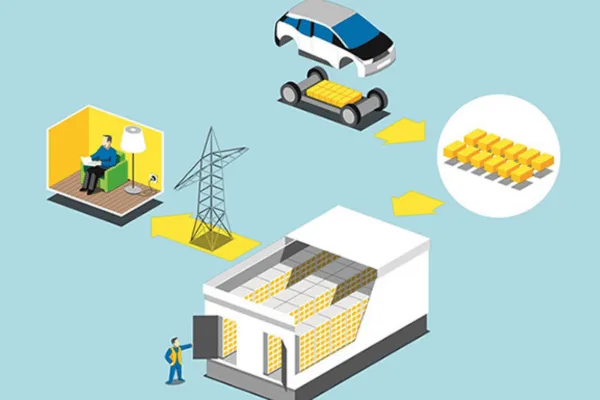
Challenges and Solutions
- Technical Barriers
- Battery heterogeneity: Mixed battery brands/models complicate reuse.
Suluhisho: Partnerships with global automakers (k.m., BMW, BYD) to standardize battery designs.
- Battery heterogeneity: Mixed battery brands/models complicate reuse.
- Lack of Testing Infrastructure
- Pekee 5% of African countries have facilities to assess battery health (SOH).
Suluhisho: Mobile testing units and AI-driven diagnostic tools (k.m., Kenya’s StimaLabs).
- Pekee 5% of African countries have facilities to assess battery health (SOH).
- Policy Gaps
- Most countries lack regulations for second-life batteries.
Suluhisho: Adopt frameworks like the EU’s Battery Passport, which tracks battery history.
- Most countries lack regulations for second-life batteries.
- Consumer Awareness
- Misconceptions about “used” battery safety persist.
Suluhisho: Certification programs and community-led demonstrations.
- Misconceptions about “used” battery safety persist.
Success Stories
- Nigeria’s “Light-Up Lagos” Initiative
- Deployed cascaded batteries from Chinese EVs to power streetlights, reducing grid dependency by 60% and saving $2 million/year in energy costs.
- Morocco’s Noor Solar Plant
- Integrated cascaded batteries to store excess solar energy, stabilizing output and serving 1 million+ people during peak demand.
- South Africa’s Eskom Partnership
- A 20 MWh cascaded battery storage system (using BMW i3 batteries) supports grid frequency regulation, kuokoa $5 million/year in coal-powered backup costs.
Mtazamo wa Baadaye
Na 2030, Africa’s cascaded battery market could exceed$2 billion, driven by:
- EV adoption: Africa’s EV fleet is projected to grow 15% kila mwaka (Frost & Sullivan, 2023), creating a steady supply of retired batteries.
- Policy momentum: The African Union’s 2030 Sustainable Energy Framework prioritizes circular economy solutions.
- Tech innovation: Startups are developing blockchain platforms to trace battery health and ownership, enhancing trust.
Hitimisho
Second-life batteries offer Africa a triple win: affordable energy access, reduced environmental harm, na local economic growth. To scale this solution, stakeholders must collaborate on standardization, funding, and awareness. By turning “waste” into wealth, Africa can lead the global transition to a circular energy economy.
If you need any, please Wasiliana nasi
Data Sources: World Bank, UNEP, BloombergNEF, AfDB, UNDP, MIT, Frost & Sullivan.
10Betri za kWh LiFePO4 10Gharama za Betri ya jua ya kWh nchini Myanmar 25Mifumo ya Betri ya kWh Yote kwa Moja BESS Container 4MWh Saudi Mtengenezaji wa BESS China Betri ya Nyumbani ya bei nafuu zaidi China BESS Solutions Uchina DDP Jumla Betri za Kiwanda cha China LiFePO4 Gridi ya China ya Kiwango cha BESS Wauzaji wa OEM wa Kichina Hifadhi ya Betri ya Kibiashara Kenya Suluhisho za DC ESS Suluhisho la DDP Moja kwa moja hadi DRC Ielekeze China kwa Afrika Elekeza China kwa Betri ya Afrika betri ya kuhifadhi nishati Mifumo ya Uhifadhi wa Nishati Viongozi wa Betri ya Lithium Ulimwenguni Betri ya daraja A Msambazaji wa Kuhifadhi Betri ya Kiwango cha Gridi Betri za Nyumbani kwa Familia za Uholanzi uhifadhi wa nishati nyumbani Viwanda BESS Kenya Asidi ya risasi dhidi ya. Betri za Lithium-ion LiFePO4 Betri za LiFePO4 Betri za LiFePO4 nchini Afrika Kusini Betri ya LifePo4 Teknolojia ya Betri ya LifePO4 Msambazaji wa LiFePO4 nchini Iraq LiFePO4 ESS Kenya Betri ya Lithium-ion betri ya lithiamu ion Bei za Chini Mitindo ya Soko Baraza la Mawaziri la kupoeza Kioevu cha Nje Ununuzi wa Saudi LiFePO4 Scalable BESS Solutions kwa ajili ya Viwanda Paneli za jua mfumo wa jua Kuweka Zote kwa Moja Betri za Jua za LiFePO4 kwa Jumla Betri za Jua za Jumla


Maoni Moja