เอาชนะไฟดับ! 10ต้นทุนแบตเตอรี่พลังงานแสงอาทิตย์ kWh ในเมียนมาร์ (2025): 5.5M-8.5M MMK
The Ultimate Guide to 10kWh Solar Battery Costs in Myanmar (2025): Beat Load Shedding in Yangon & มัณฑะเลย์
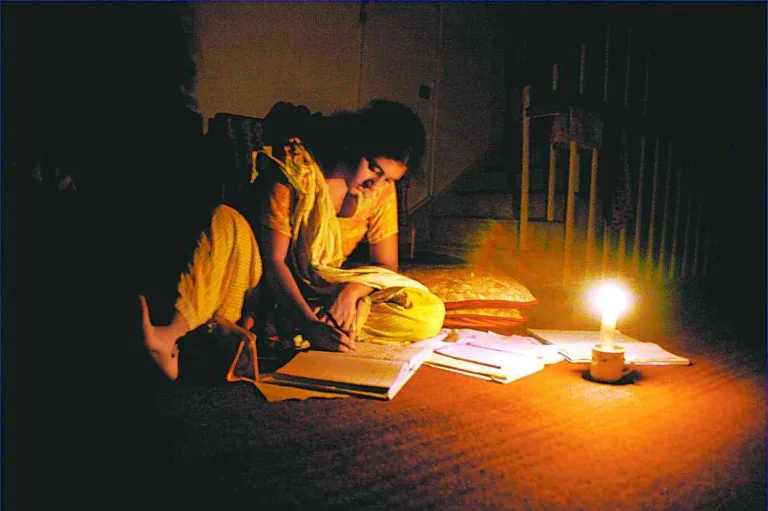
Power cuts in Myanmar aren’t just inconvenient—they disrupt daily life, damage appliances, and hurt businesses. For homes in Yangon and Mandalay, ก10kWh solar battery backup system is the gold standard for reliable, เงียบ, and clean power during outages. This guide breaks down2025 prices in Kyat, key features for Myanmar’s climate, and trusted installation options.
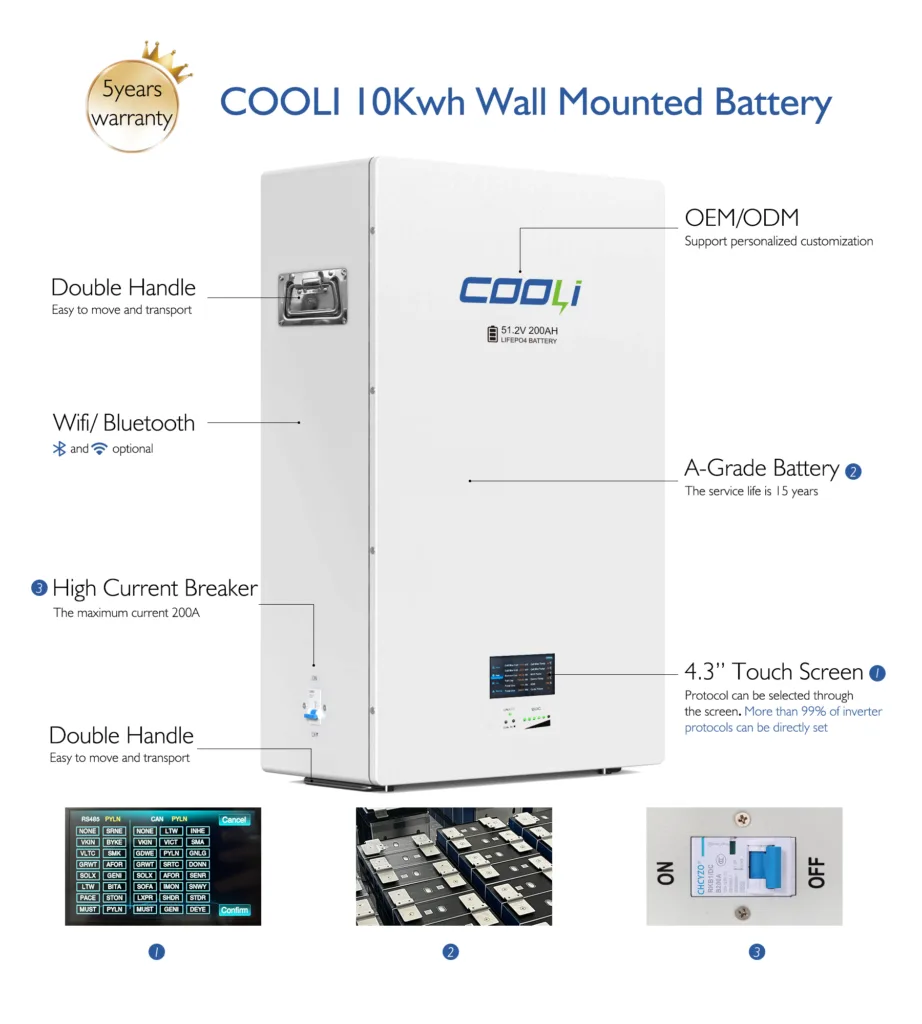
Why a 10kWh Solar Battery?
A 10kWh capacity powers essentials for 8–12 hours:
- Typical Load: 2–3 AC units, ตู้เย็น, ไฟ, แฟน ๆ, ทีวี, and charging ports.
- เหมาะสำหรับ: Medium/large homes, คลินิก, or small shops facing daily load shedding.
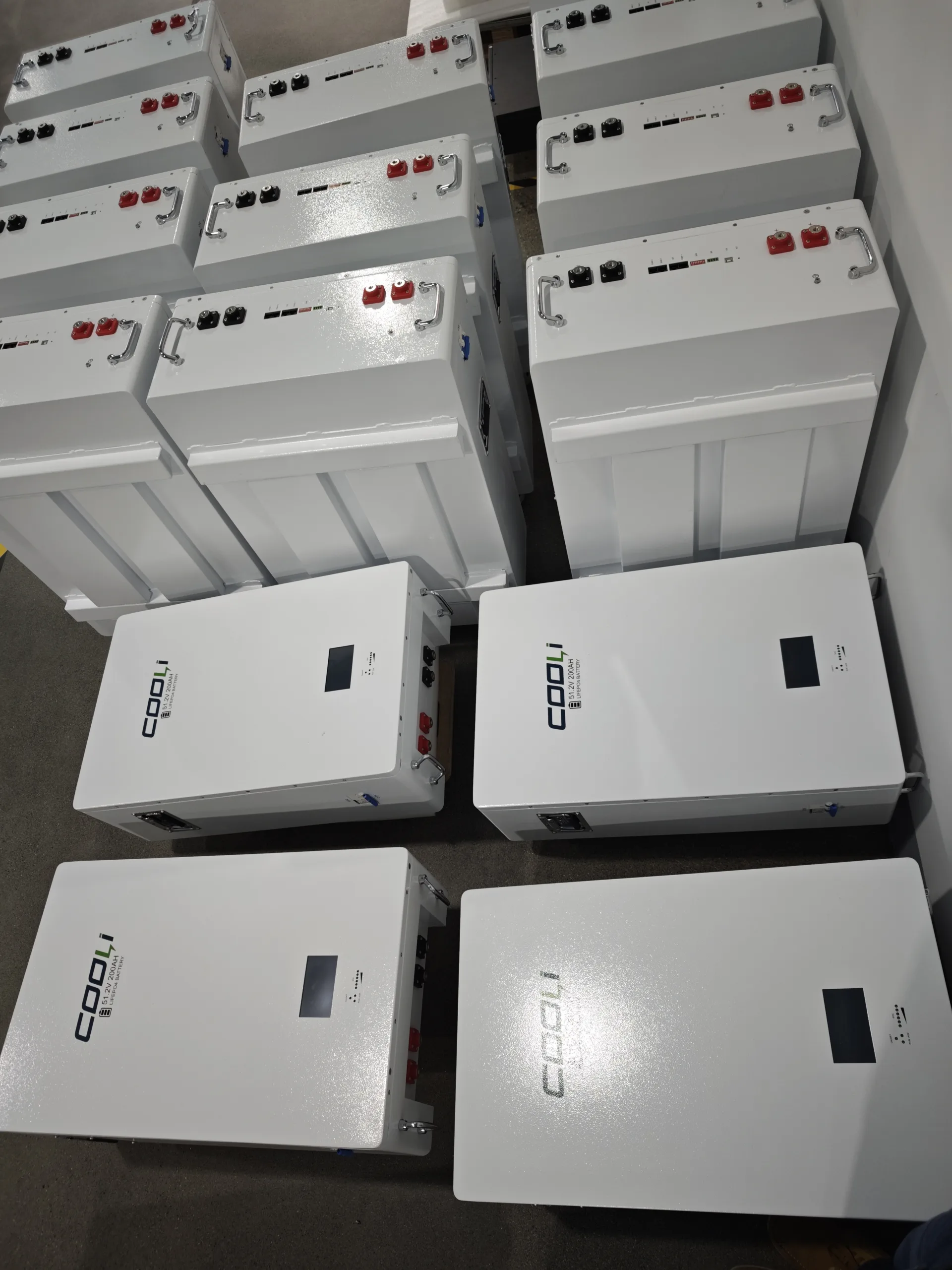
- เคมีแบตเตอรี่: ลิเธียมไอออน (LiFePO4) dominates Myanmar’s market due to longer lifespan (6,000+ รอบ), ชาร์จเร็วขึ้น, and better humidity resistance than lead-acid.
2025 Cost Breakdown in Kyat
Expect these price ranges (USD conversions based on July 2025 exchange rate: 1 USD ≈ 3,100 MMK):
| ส่วนประกอบ | รายการระดับ (LiFePO4) | พรีเมี่ยม (Branded) |
|---|---|---|
| 10kWh Battery Only | 5.5–6.5 million MMK (เช่น, SunArk, OEM) | 7–8.5 million MMK (เช่น, Tesla-style Powerwall equivalents) |
| Full Hybrid System (10อินเวอร์เตอร์กิโลวัตต์ + แผงเซลล์แสงอาทิตย์ + ติดตั้ง) | 18–22 million MMK | 25–30+ million MMK |
หมายเหตุ:
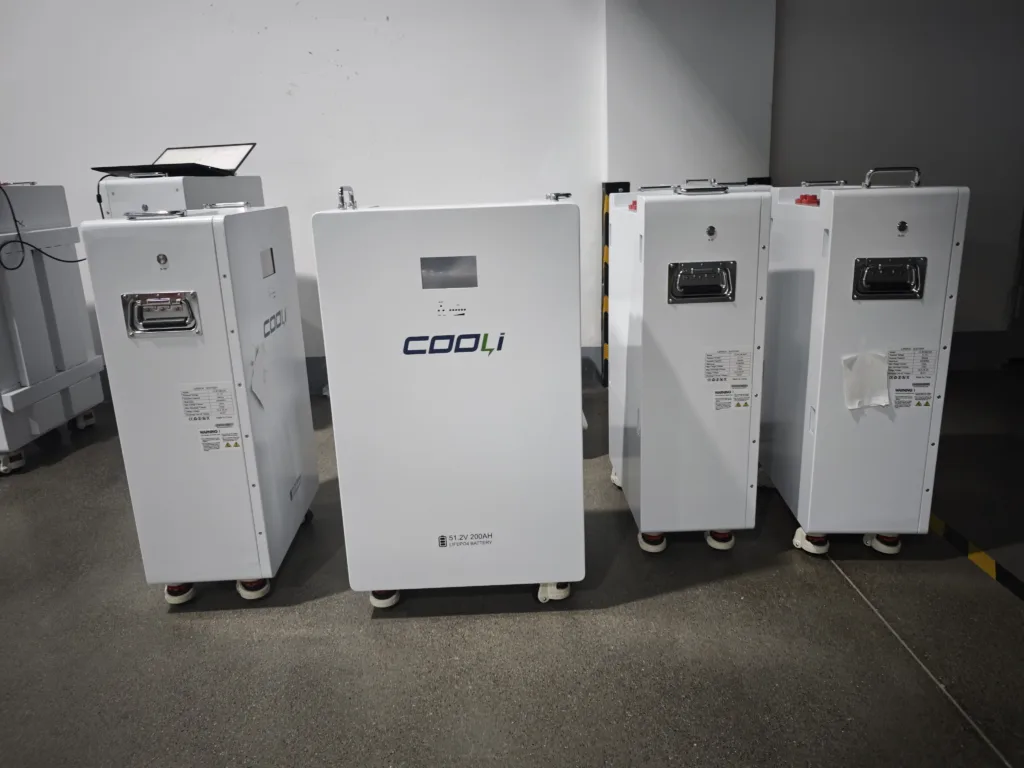
- Battery-only costs assume you already have solar panels. ยี่ห้ออย่าง SunArk (ได้รับการจัดอันดับ IP65, 10-รับประกันปี) dominate Myanmar’s mid-range market.
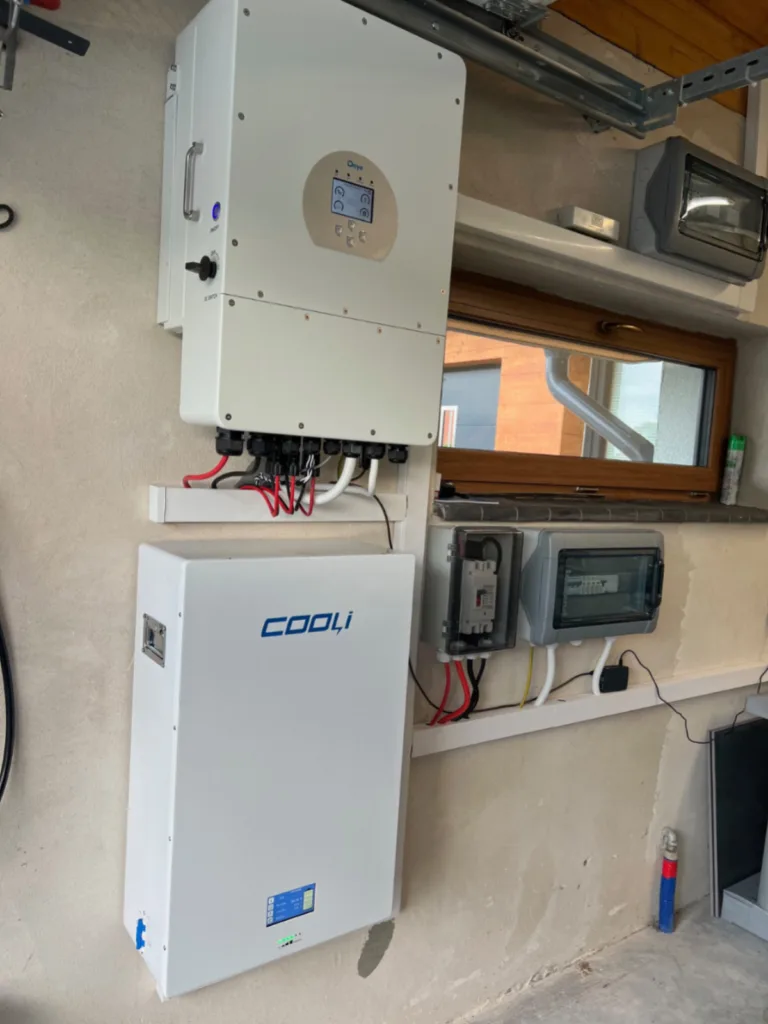
- ระบบไฮบริด include inverters (เช่น, Deye 10kW), 10–12kWh solar panels, และการติดตั้ง. ตัวอย่าง: A 10.5kW system with a 5.12kWh battery costs ~₱642,000 PHP (≈22 million MMK) in Southeast Asia—adjust for Myanmar tariffs.
- Lead-acid alternatives ค่าใช้จ่าย 40% less upfront but last only 2–4 years in Myanmar’s heat/humidity.
💡 Savings Alert: A 10kWh system in Yangon can cut grid reliance by 70–90%, ประหยัด ~156,360 MMK monthly on bills (based on 1,300kWh monthly use).
Key Features for Myanmar’s Climate
Myanmar’s high humidity and temperatures demand rugged specs:
- IP65 Rating: Essential to resist dust/moisture. Non-IP65 batteries risk corrosion from monsoon humidity.
- Warranty Coverage: Opt for 10-year warranties covering humidity damage (เช่น, SunArk, Genus Maxillion).
- ระบบการจัดการแบตเตอรี่ (บีเอ็มเอส): Prevents overcharging, ความร้อนสูงเกินไป, and deep discharge—common causes of failure during long outages.
- Parallel Support: Lets you expand capacity later (เช่น, SunArk supports 15-unit linking).
Installation Tips for Yangon & มัณฑะเลย์
- ที่ตั้ง: Install indoors (well-ventilated) or under shade. Avoid direct sun or flooded areas.
- สายไฟ: Use 70mm+ thickness cables to prevent voltage sag under load.
- Trusted Installers:
- Yangon: Look for DEYE/SunArk-certified technicians (check Alibaba suppliers for local partners).
- มัณฑะเลย์: Seek installers offering 5-year workmanship warranties (common with hybrid kits).
Maintenance for Longevity
- Humidity Control: Clean terminals quarterly to prevent corrosion. Use silica gel packs in battery enclosures.
- พื้นที่จัดเก็บ: If unused >1 month, charge to 40–50% (3.82วี/เซลล์) to avoid deep discharge.
- Software Updates: Smart inverters (เช่น, พูด) need firmware updates for grid-interaction rules.
คำถามที่พบบ่อย
- Can lithium batteries handle Myanmar’s monsoons?
Yes—if IP65-rated. Avoid submersion, but rain/splash exposure is safe. - How long until ROI?
4–6 years in Yangon/Mandalay (with daily outages reducing appliance losses and generator fuel). - What if my load exceeds 10kW?
The inverter (not battery) handles peak load. Size your inverter (เช่น, 10kW Deye supports 12kW peaks).
Final Advice
For most homes, ก10แบตเตอรี่ LiFePO4 กิโลวัตต์ชั่วโมง (5.5–8 million MMK) paired with a hybrid inverter offers the best balance of uptime and value. จัดลำดับความสำคัญ:
- ✅ IP65 + 10-รับประกันปี
- ✅ Local installer support in Yangon/Mandalay
- ✅ Low-temp charging capability (for hilly areas)
Power cuts shouldn’t control your life. With a reliable solar battery, Myanmar’s grid instability becomes a manageable hiccup—not a daily crisis.