
หยุดความสับสน! 7 ข้อมูลจำเพาะแบตเตอรี่ที่ต้องรู้ซึ่งจะช่วยคุณประหยัดเงิน.
แกนหลักของประสิทธิภาพของแบตเตอรี่ในบ้าน: ทำความเข้าใจข้อกำหนดเพื่อการลงทุนที่ชาญฉลาด
การทำความเข้าใจข้อกำหนดทางเทคนิคหลักของระบบกักเก็บพลังงานในบ้านเป็นพื้นฐานในการลงทุนอย่างมีข้อมูลและเพิ่มมูลค่าในระยะยาวให้สูงสุด. พื้นที่จัดเก็บแบตเตอรี่เป็นมากกว่าแหล่งพลังงานสำรอง; มันเป็นเทคโนโลยีที่ซับซ้อนซึ่งทำหน้าที่เป็นรากฐานสำคัญของความเป็นอิสระด้านพลังงาน, ความยืดหยุ่น, และการออมทางการเงิน. อย่างไรก็ตาม, อาร์เรย์ของคำศัพท์และเมตริก—กิโลวัตต์ชั่วโมง, กิโลวัตต์, กระทรวงกลาโหม, ลัง, และคำย่อทางเคมีต่างๆ- สามารถครอบงำเจ้าของบ้านได้.
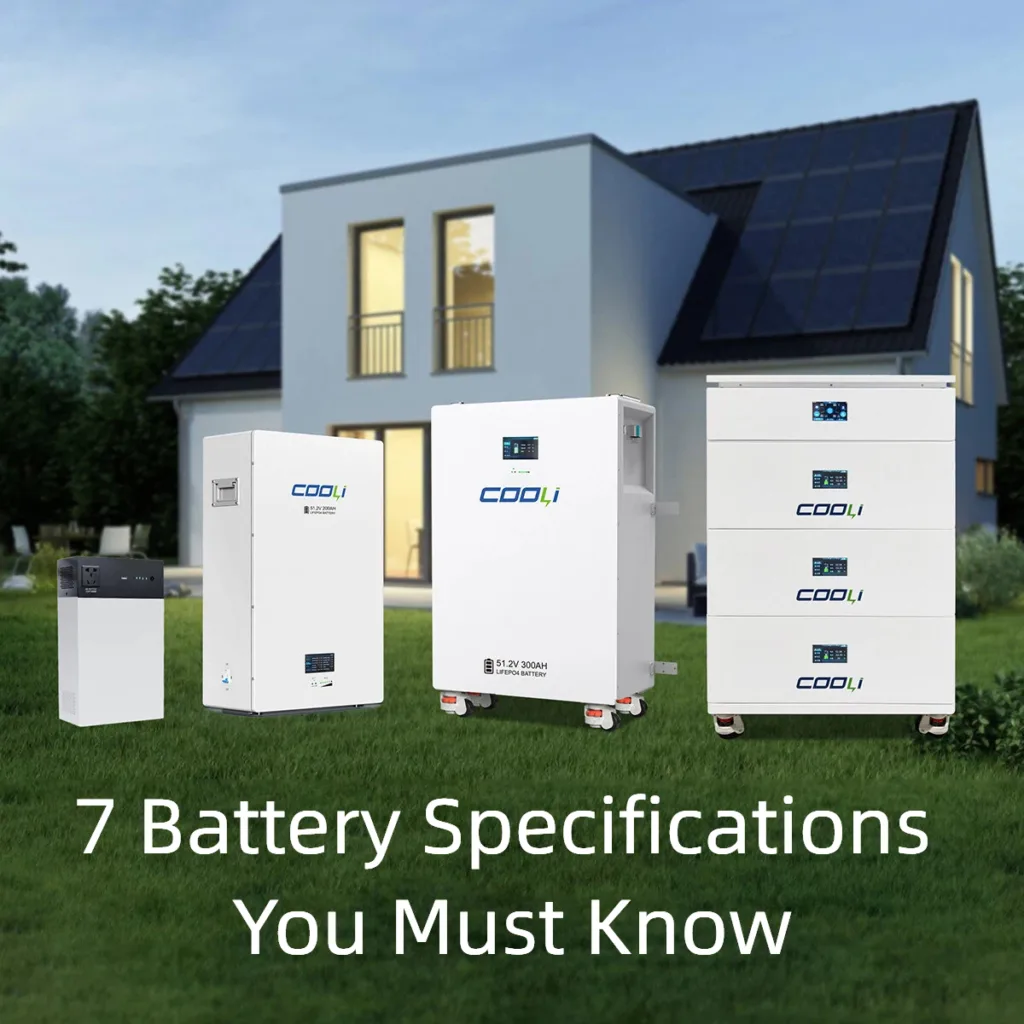
คู่มือนี้ออกแบบมาเพื่ออธิบายภาษาทางเทคนิคที่สำคัญของการจัดเก็บแบตเตอรี่ในบ้านให้เข้าใจง่าย. โดยอธิบายพารามิเตอร์ประสิทธิภาพที่สำคัญอย่างชัดเจน, เรามอบอำนาจให้คุณถามคำถามที่ถูกต้อง, เปรียบเทียบผลิตภัณฑ์ต่างๆ ได้อย่างถูกต้อง, และกำหนดความคาดหวังที่สมจริงว่าระบบจะทำงานอย่างไรในบ้านและสภาพอากาศเฉพาะของคุณ. ไม่ว่าเป้าหมายหลักของคุณคือการเพิ่มประสิทธิภาพการใช้พลังงานแสงอาทิตย์ด้วยตนเองหรือไม่, ตรวจสอบให้แน่ใจว่ามีพลังงานสำรองในช่วงที่ไฟฟ้าดับ, หรือลดการปล่อยก๊าซคาร์บอนไดออกไซด์ของคุณ, ความรู้ที่มีอยู่ในส่วนต่อไปนี้จะช่วยให้คุณนำทางกระบวนการคัดเลือกด้วยความมั่นใจและชัดเจน. เริ่มต้นด้วยการแจกแจงแนวคิดพื้นฐานที่กำหนดความจุของแบตเตอรี่, พลัง, สุขภาพ, ประสิทธิภาพ, และอายุการใช้งาน.
ถาม: ความแตกต่างระหว่าง kWh และ kW ในการจัดเก็บแบตเตอรี่คืออะไร?
- กิโลวัตต์ชั่วโมง (กิโลวัตต์-ชั่วโมง) เป็นหน่วยของ พลังงาน. มันแสดงถึงยอดรวม ความจุ หรือปริมาณพลังงานที่สะสมอยู่ในแบตเตอรี่. คิดว่ามันเป็นขนาดของถังน้ำมันเชื้อเพลิงของคุณ. ตัวอย่างเช่น, ก 10 แบตเตอรี่ kWh สามารถส่งมอบได้ 10 กำลังไฟฟ้ากิโลวัตต์เป็นเวลาหนึ่งชั่วโมง, หรือ 5 กิโลวัตต์เป็นเวลาสองชั่วโมง, และอื่น ๆ.
- กิโลวัตต์ (กิโลวัตต์) เป็นหน่วยของ พลัง. มันเป็นตัวแทนของ ประเมิน ซึ่งสามารถส่งหรือชาร์จพลังงานได้ทันที. ให้คิดว่าเป็นขนาดของท่อเติมหรือระบายถัง. แบตเตอรี่ที่มี 5 อัตรากำลังไฟฟ้ากิโลวัตต์สามารถให้ได้สูงสุด 5 กิโลวัตต์ในขณะใดขณะหนึ่ง.
ในระยะสั้น: kWh = ความจุ (เท่าไร), กิโลวัตต์ = กำลัง (เร็วแค่ไหน).
ถาม: ความลึกของการคายประจุแบตเตอรี่คือเท่าใด (กระทรวงกลาโหม) และเหตุใดจึงสำคัญ?
ความลึกของการคายประจุ (กระทรวงกลาโหม) คือเปอร์เซ็นต์ของความจุรวมของแบตเตอรี่ที่ใช้หรือคายประจุ. ตัวอย่างเช่น, ถ้าก 10 มีแบตเตอรี่ kWh 2 กิโลวัตต์ชั่วโมงที่เหลืออยู่, กระทรวงของมันคือ 80%.
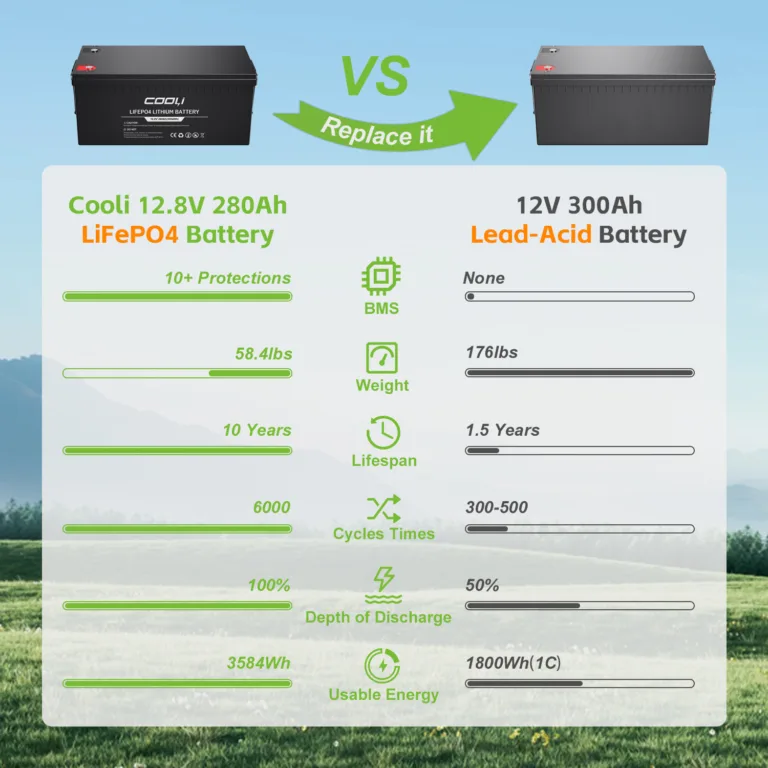
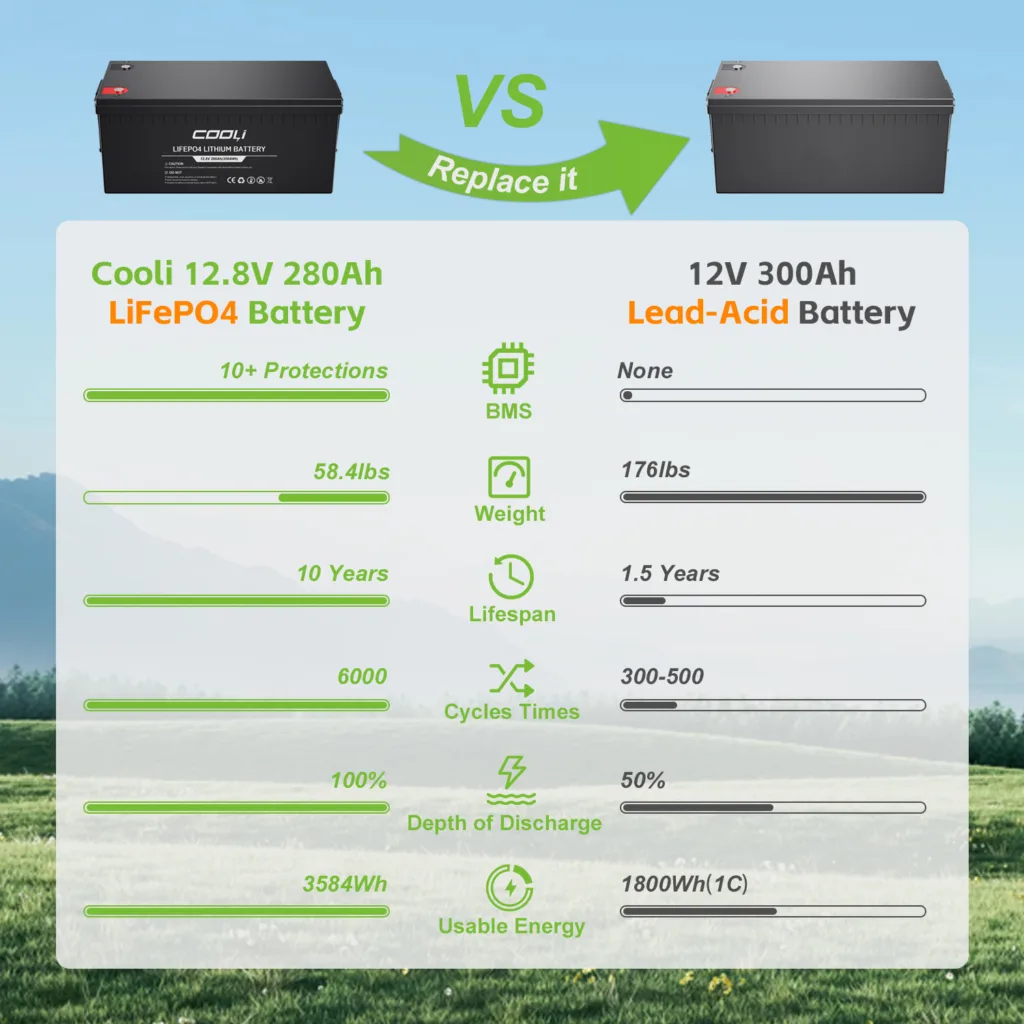
เหตุใดจึงสำคัญ: มันส่งผลโดยตรงต่ออายุการใช้งานแบตเตอรี่. ลึกยิ่งขึ้น, การคายประจุเป็นประจำทำให้เกิดความเครียดมากขึ้นกับเคมีของแบตเตอรี่ส่วนใหญ่. ผู้ผลิตระบุ DoD สูงสุดที่แนะนำ (เช่น, 90% สำหรับลิเธียมไอออน, 50% สำหรับกรดตะกั่ว) เพื่อเพิ่มประสิทธิภาพวงจรชีวิต. การทำงานภายในขีดจำกัดนี้เป็นสิ่งสำคัญเพื่อให้แน่ใจว่าแบตเตอรี่ของคุณใช้งานได้ตามจำนวนรอบที่โฆษณาไว้.
ถาม: ประสิทธิภาพไป-กลับส่งผลต่อการประหยัดพลังงานของฉันอย่างไร?
ประสิทธิภาพไป-กลับ คือเปอร์เซ็นต์ของพลังงานที่ใส่เข้าไปในแบตเตอรี่ที่สามารถดึงกลับมาใช้งานได้. ตัวอย่างเช่น, ถ้าคุณให้อาหาร 10 kWh จากแผงโซลาร์เซลล์ของคุณให้เป็นแบตเตอรี่ด้วย 90% ประสิทธิภาพไปกลับ, คุณจะได้รับ 9 กิโลวัตต์ชั่วโมงของไฟฟ้าที่ใช้ได้กลับออกมา. พลังงานที่เหลืออยู่จะสูญเสียไปเป็นความร้อนในระหว่างกระบวนการประจุและคายประจุ.
ผลกระทบต่อการออม: ประสิทธิภาพสูงขึ้น (โดยทั่วไป 90-98% สำหรับลิเธียมไอออนสมัยใหม่) หมายความว่าคุณสิ้นเปลืองพลังงานแสงอาทิตย์ที่สร้างขึ้นเองน้อยลง, เพิ่มการบริโภคของตนเองให้สูงสุดและประหยัดไฟฟ้าจากโครงข่าย. ประสิทธิภาพต่ำลง (เช่น, 70-85% สำหรับกรดตะกั่ว) หมายถึงการสูญเสียพลังงานมากขึ้น, ลดผลประโยชน์ทางการเงิน.
ถาม: อายุขัยคืออะไร (วงจรชีวิต) ของลิเธียมไอออนเทียบกับ. แบตเตอรี่ตะกั่วกรด?
อายุขัยวัดกันที่ วงจรชีวิต (จำนวนรอบการชาร์จ/คายประจุเต็มของแบตเตอรี่ที่สามารถทำได้ก่อนที่ความจุจะลดลงตามเปอร์เซ็นต์ที่ระบุ, โดยปกติ 80% ของความจุเดิม).
- ลิเธียมไอออน (แอลเอฟพี/NMC): โดยทั่วไปแล้วข้อเสนอ 3,000 ถึง 7,000+ รอบ, ขึ้นอยู่กับเคมีและการใช้งาน. นี้แปลว่า 10+ ปี ของการปั่นจักรยานในแต่ละวันภายใต้สภาวะที่เหมาะสม.
- กรดตะกั่ว (น้ำท่วมหรือประชุมผู้ถือหุ้น): โดยทั่วไปแล้วข้อเสนอ 500 ถึง 1,500 รอบ ที่กระทรวงตื้นเขิน. เพื่อให้มีอายุยืนยาวพอสมควร, มักไม่สามารถระบายออกได้ลึกทุกวัน, ต้องการกำลังการผลิตติดตั้งที่มากขึ้นสำหรับพลังงานที่ใช้ได้เท่าเดิม. อายุการใช้งานที่มีประสิทธิภาพมักจะเป็น 3-7 ปี.
แบตเตอรี่ลิเธียมไอออนมีอายุการใช้งานยาวนานกว่ามากและต้องการการบำรุงรักษาน้อยกว่า, ทำให้เป็นตัวเลือกที่โดดเด่นสำหรับการจัดเก็บข้อมูลในบ้านสมัยใหม่แม้จะมีค่าใช้จ่ายล่วงหน้าสูงกว่าก็ตาม.
ถาม: มีอะไรบ้าง แอลเอฟพี (LiFePO4) และแบตเตอรี่ NMC, และอันไหนดีกว่าสำหรับใช้ในบ้าน?
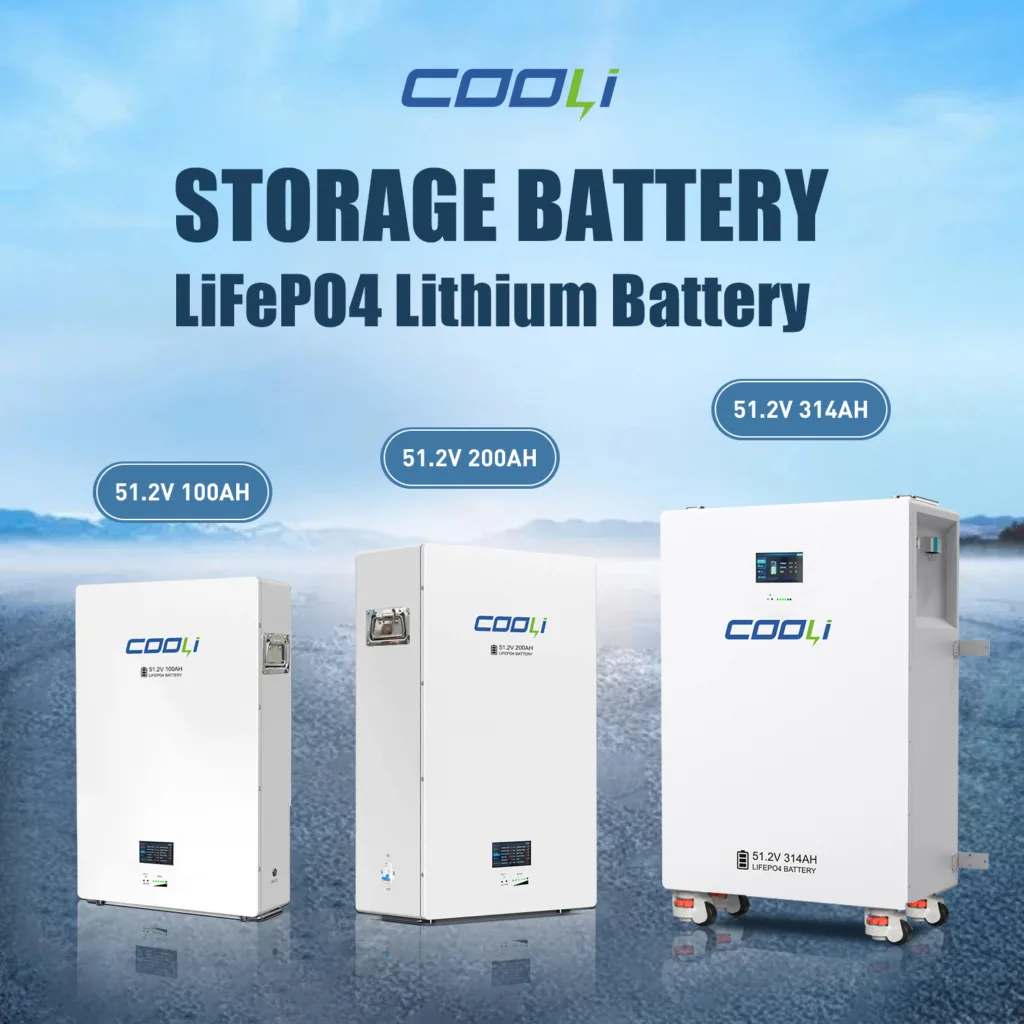
- แอลเอฟพี (ลิเธียมเหล็กฟอสเฟต): เคมีลิเธียมไอออนที่ขึ้นชื่อในเรื่องความพิเศษ ความปลอดภัย, อายุยืนยาว, และเสถียรภาพทางความร้อน. มีความหนาแน่นของพลังงานต่ำกว่าเล็กน้อยแต่ไม่เป็นพิษและมีความเสถียรสูง. วงจรชีวิตของมันมักจะเป็น 6,000+ รอบ.
- กทช (ลิเธียม นิกเกิล แมงกานีส โคบอลต์ ออกไซด์): เคมีลิเธียมไอออนอีกชนิดหนึ่งที่รู้จักกันดี ความหนาแน่นของพลังงานที่สูงขึ้น (ความจุมากขึ้นในพื้นที่ขนาดเล็ก) และประสิทธิภาพที่ยอดเยี่ยมในช่วงอุณหภูมิต่างๆ. ในอดีต, มีวงจรชีวิตต่ำกว่า LFP เล็กน้อย, แต่ความก้าวหน้ากำลังปิดช่องว่างนี้.
ซึ่งจะดีกว่าสำหรับใช้ในบ้าน? ตอนนี้, โดยทั่วไปแล้ว LFP ได้รับความนิยมสำหรับแอปพลิเคชันการจัดเก็บข้อมูลในบ้านแบบอยู่กับที่ส่วนใหญ่ เนื่องจากโปรไฟล์ความปลอดภัยที่เหนือกว่า (ความเสี่ยงจากไฟไหม้ลดลง), อายุการใช้งานยาวนานขึ้น, และขาดโคบอลต์ (ความได้เปรียบด้านจริยธรรมและต้นทุน). สามารถเลือก NMC ได้ในกรณีที่พื้นที่มีจำกัดมาก, ต้องการความหนาแน่นของพลังงานสูงสุดที่เป็นไปได้. ทั้งสองมีความยอดเยี่ยม, แต่ความปลอดภัยและอายุการใช้งานที่ยาวนานของ LFP ทำให้เป็นตัวเลือกที่น่าสนใจมาก.
ถาม: อัตราการประจุและการคายประจุของแบตเตอรี่คือเท่าใด (ลัง)?
ที่ ลัง บ่งบอกว่าแบตเตอรี่สามารถชาร์จหรือคายประจุได้เร็วเพียงใดโดยสัมพันธ์กับความจุรวมของแบตเตอรี่.
- ก 1ค อัตราหมายความว่าแบตเตอรี่สามารถชาร์จหรือคายประจุจนเต็มได้ด้วยกระแสไฟเท่ากับความจุของแบตเตอรี่ในหนึ่งชั่วโมง (เช่น, ก 10 แบตเตอรี่ kWh ที่ 1C ชาร์จ/คายประจุที่ 10 กิโลวัตต์).
- ก 0.5ค อัตราหมายความว่าจะใช้เวลา 2 ชั่วโมง (เช่น, 5 กิโลวัตต์สำหรับ 10 แบตเตอรี่กิโลวัตต์ชั่วโมง).
- ก 2ค อัตราหมายความว่าสามารถรองรับพลังงานที่สูงมากได้ 30 นาที (เช่น, 20 กิโลวัตต์สำหรับ 10 แบตเตอรี่กิโลวัตต์ชั่วโมง).
อัตรา C ที่สูงขึ้นทำให้แบตเตอรี่สามารถรองรับโหลดที่มากขึ้นได้ (เหมือนเครื่องปรับอากาศ) หรือดูดซับพลังงานแสงอาทิตย์ส่วนเกินได้รวดเร็วยิ่งขึ้น. เป็นข้อกำหนดสำคัญในการทำความเข้าใจความสามารถในการใช้พลังงานของแบตเตอรี่.
目录册-23.6.7修改_04-1024x759.webp "หยุดความสับสน¸•à¸ข้อมูลจำเพาะแบตเตอรี่ที่ต้องรู้ซึ่งจะช่วยคุณประหยัดเงิน¸‚ใน 23.6.7ecs That Will Save You Money.")
ถาม: ช่วงอุณหภูมิในการทำงานคือเท่าใด?
นี่คือช่วงอุณหภูมิแวดล้อมที่แบตเตอรี่สามารถทำงานได้อย่างปลอดภัยและมีประสิทธิภาพ. การทำงานนอกช่วงนี้อาจทำให้ประสิทธิภาพลดลง, ทำให้เกิดความเสียหายถาวร, หรือทำให้การรับประกันเป็นโมฆะ.
- ช่วงทั่วไป: แบตเตอรี่ลิเธียมไอออนสำหรับใช้ในบ้านส่วนใหญ่ทำงานได้ดีที่สุดระหว่างนั้น 15°ซ ถึง 25°ซ (59°F ถึง 77°F).
- ช่วงที่อนุญาต: ระยะการทำงานมักจะกว้างขึ้น, เช่น, -10°ซ ถึง 50°ซ (14°F ถึง 122°F), แต่ในอุณหภูมิที่สูงมาก, ประสิทธิภาพลดลง, และระบบการจัดการภายในของแบตเตอรี่อาจจำกัดการชาร์จ (โดยเฉพาะอุณหภูมิต่ำกว่าจุดเยือกแข็ง) เพื่อป้องกันความเสียหาย.
- ความสำคัญ: การติดตั้งที่เหมาะสมในสภาพแวดล้อมที่มีการควบคุมอุณหภูมิ (เหมือนโรงรถ) เป็นสิ่งสำคัญ. ระบบสมัยใหม่จำนวนมากมีการจัดการระบายความร้อนในตัว (ความร้อนและ/หรือความเย็น) เพื่อรักษาอุณหภูมิที่เหมาะสม.
โดยสรุป, ประสิทธิภาพและมูลค่าระยะยาวของระบบแบตเตอรี่ในบ้านถูกกำหนดโดยชุดข้อกำหนดทางเทคนิคที่เชื่อมโยงกันความจุ (กิโลวัตต์ชั่วโมง) และพลัง (กิโลวัตต์) กำหนดขนาดและความสามารถของระบบ, ในขณะที่ความลึกของการคายประจุ (กระทรวงกลาโหม) และวงจรชีวิต เป็นปัจจัยหลักของอายุการใช้งานที่ใช้งานได้จริง. ที่ประสิทธิภาพไป-กลับ ส่งผลโดยตรงต่อการประหยัดพลังงานของคุณโดยกำหนดปริมาณพลังงานที่เก็บไว้ของคุณที่จะใช้งานได้.
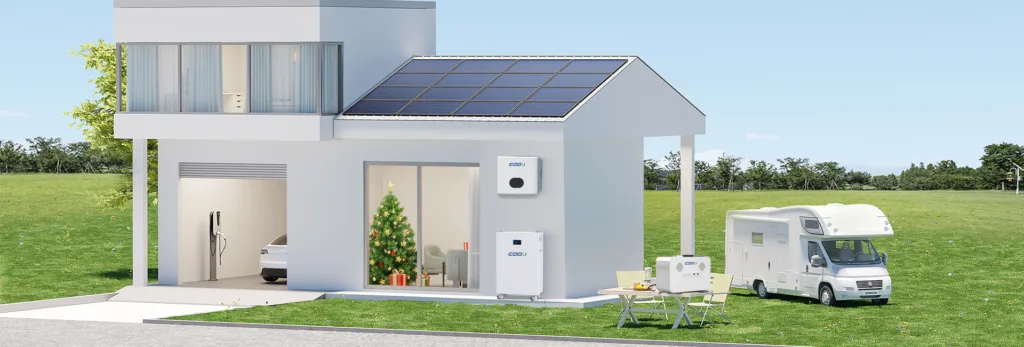
เมื่อประเมินเคมีของแบตเตอรี่, แอลเอฟพี (LiFePO4) ได้กลายเป็นตัวเลือกชั้นนำสำหรับการใช้งานในที่พักอาศัยส่วนใหญ่, ให้ความสำคัญกับความปลอดภัยเป็นพิเศษ, อายุยืนยาว, และเสถียรภาพทางความร้อน. ทำความเข้าใจกับ ลัง ชี้แจงความสามารถของแบตเตอรี่ในการจัดการกับเครื่องใช้ไฟฟ้ากำลังสูงและการชาร์จพลังงานแสงอาทิตย์อย่างรวดเร็ว. ในที่สุด, เคารพ ช่วงอุณหภูมิในการทำงาน และการตรวจสอบให้แน่ใจว่าการติดตั้งที่เหมาะสมเป็นสิ่งสำคัญสำหรับการรักษาประสิทธิภาพ, ความปลอดภัย, และการปฏิบัติตามการรับประกัน.
ในที่สุด, การเลือกแบตเตอรี่สำหรับใช้ในบ้านเป็นเรื่องเกี่ยวกับการรักษาสมดุลข้อกำหนดเหล่านี้กับเป้าหมายด้านพลังงานส่วนบุคคลของคุณ, งบประมาณ, และข้อจำกัดทางกายภาพ. โดยยึดหลักการสำคัญเหล่านี้, คุณพร้อมที่จะเลือกระบบที่จะกักเก็บพลังงานได้อย่างน่าเชื่อถือ, ส่งมอบพลัง, และให้ความอุ่นใจในปีต่อๆ ไป.