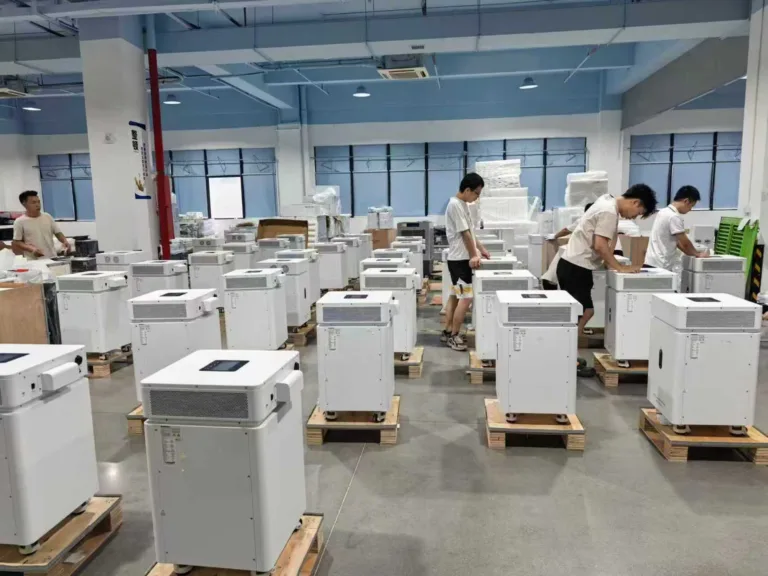
⚡ แบตเตอรี่ไฟฟ้าแรงสูง: 7 ข้อเท็จจริงที่ต้องรู้ & แก้ไข!
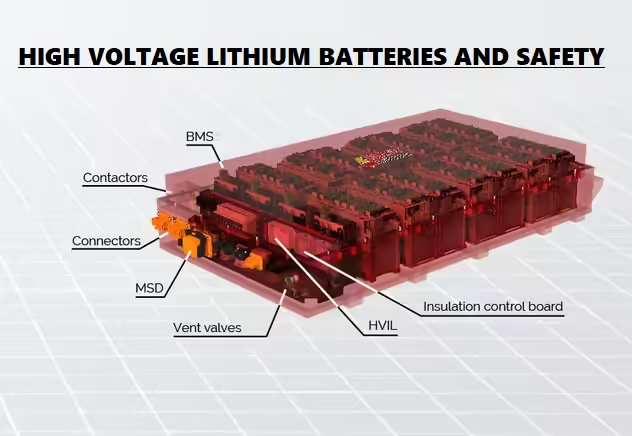
ทำความเข้าใจเกี่ยวกับแบตเตอรี่ไฟฟ้าแรงสูง: ตอบคำถามสำคัญแล้ว
ในยุคของยานยนต์ไฟฟ้า (EV) และระบบพลังงานทดแทน, ไฟฟ้าแรงสูง (เอชวี) แบตเตอรี่ ได้กลายเป็นรากฐานสำคัญของเทคโนโลยีสมัยใหม่. ด้านล่าง, เราตอบคำถามทั่วไปเกี่ยวกับแหล่งพลังงานเหล่านี้เพื่อทำความเข้าใจบทบาทและฟังก์ชันการทำงานให้เข้าใจง่าย.
1. แบตเตอรี่ไฟฟ้าแรงสูงคืออะไร?
แบตเตอรี่ไฟฟ้าแรงสูงคือระบบกักเก็บพลังงานที่ออกแบบมาเพื่อทำงานที่แรงดันไฟฟ้าที่สูงกว่าแบตเตอรี่แบบเดิมอย่างมาก. โดยทั่วไปแบตเตอรี่เหล่านี้จะใช้ในการใช้งานที่ต้องการกำลังไฟฟ้าจำนวนมาก, เช่น รถยนต์ไฟฟ้า, เครื่องจักรอุตสาหกรรม, และการจัดเก็บพลังงานระดับกริด. มักประกอบด้วยเซลล์ลิเธียมไอออนหลายเซลล์ที่เชื่อมต่อกันแบบอนุกรมเพื่อให้ได้ระดับแรงดันไฟฟ้าที่ต้องการ.
2. สิ่งที่พิจารณา “สูง” แรงดันแบตเตอรี่?
คำจำกัดความของ “ไฟฟ้าแรงสูง” แตกต่างกันไปตามบริบท:
- ยานยนต์: แรงดันไฟฟ้าที่สูงกว่า 48V จัดอยู่ในประเภท HV ในรถยนต์ไฮบริด/ไฟฟ้า. EV ส่วนใหญ่ทำงานระหว่าง 300–800V, ด้วยรุ่นใหม่ที่ดันไปที่ 900V.
- อุตสาหกรรม/การจัดเก็บพลังงาน: ระบบที่เกิน 100V มักจัดอยู่ในประเภท HV.
- เครื่องใช้ไฟฟ้า: แม้แต่ 12–24V ก็อาจถือว่าใช้ได้ “สูง” สำหรับอุปกรณ์ขนาดเล็ก, แม้ว่านี่จะขึ้นอยู่กับบริบทก็ตาม.
3. เลเวลกับ. แบตเตอรี่เอชวี: ความแตกต่างที่สำคัญ
| คุณสมบัติ | แรงดันไฟฟ้าต่ำ (แอลวี) แบตเตอรี่ | ไฟฟ้าแรงสูง (เอชวี) แบตเตอรี่ |
|---|---|---|
| ช่วงแรงดันไฟฟ้า | ≤48V (เช่น, 12แบตเตอรี่รถยนต์วี) | >48วี (โดยทั่วไปคือ 300–800V) |
| การใช้งาน | สตาร์ตเตอร์, อุปกรณ์อิเล็กทรอนิกส์ขนาดเล็ก | EV, อุปกรณ์อุตสาหกรรม, ที่เก็บพลังงานแสงอาทิตย์ |
| พลังงานที่ส่งออก | ต่ำกว่า | สูงกว่า, มีประสิทธิภาพสำหรับงานหนัก |
| ความปลอดภัย | ความเสี่ยงน้อยที่สุดจากไฟฟ้าช็อต | ต้องใช้ฉนวนที่เข้มงวดและระเบียบการด้านความปลอดภัย |
| ความซับซ้อน | การออกแบบที่เรียบง่าย | การระบายความร้อนขั้นสูง, บีเอ็มเอส, และการจัดการความร้อน |
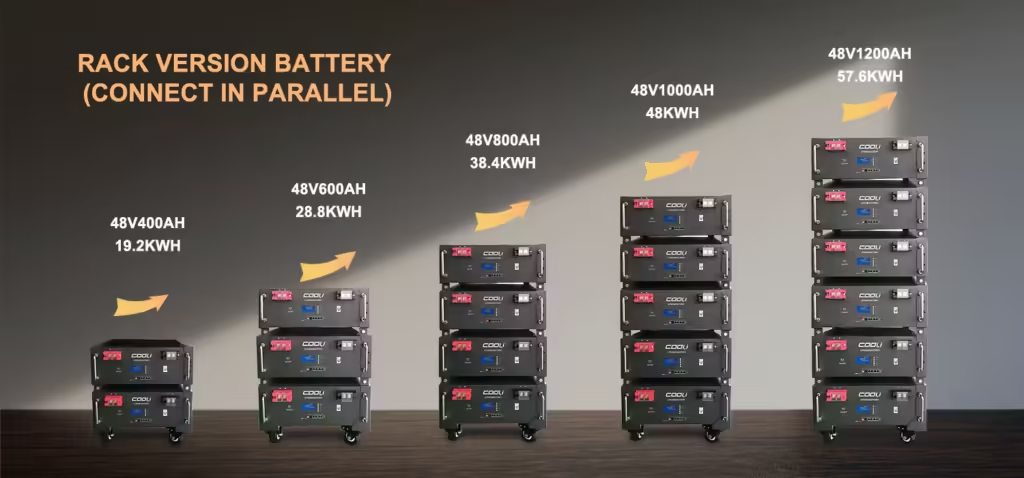
4. แบตเตอรี่ไฟฟ้าแรงสูงผลิตกระแสไฟฟ้าได้อย่างไร?
แบตเตอรี่ HV สร้างกระแสไฟฟ้าผ่านปฏิกิริยาเคมีไฟฟ้า, คล้ายกับแบตเตอรี่มาตรฐาน. เซลล์หลายเซลล์เชื่อมต่อกันแบบอนุกรมเพื่อขยายแรงดันไฟฟ้า. ตัวอย่างเช่น, 100 เซลล์ลิเธียมไอออน (3.7V อย่างละอัน) ในซีรีย์ให้ไฟ 370V. ก ระบบการจัดการแบตเตอรี่ (บีเอ็มเอส) ควบคุมการไหลของกระแส, ป้องกันการชาร์จไฟเกิน, และรับประกันประสิทธิภาพของเซลล์ที่สมดุล.
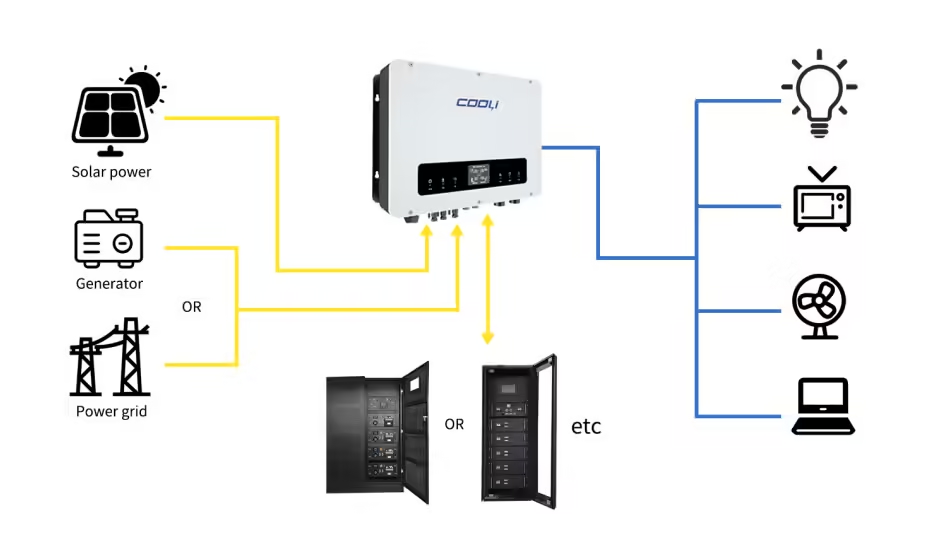
5. ความเสี่ยงจากแรงดันไฟฟ้าแบตเตอรี่สูง
แรงดันไฟฟ้าที่มากเกินไปมักบ่งบอกถึงการชาร์จไฟเกินหรือความไม่สมดุลของเซลล์, นำไปสู่:
- หนีความร้อน (ความร้อนสูงเกินไป, ไฟไหม้, หรือการระเบิด).
- อายุการใช้งานแบตเตอรี่ลดลง.
- ความเสียหายต่ออุปกรณ์อิเล็กทรอนิกส์ที่เชื่อมต่อ (เช่น, อินเวอร์เตอร์หรือมอเตอร์).
สาเหตุทั่วไป ได้แก่ BMS ผิดพลาด, การชาร์จที่ไม่เหมาะสม, หรือเซลล์เสื่อมโทรม.
6. วิธีการทำความเย็นสำหรับแบตเตอรี่ HV
เพื่อจัดการความร้อนที่เกิดขึ้นระหว่างการทำงาน, การใช้แบตเตอรี่ HV:
- ระบายความร้อนด้วยอากาศ: พัดลมหรือช่องระบายอากาศสำหรับการใช้งานราคาประหยัด.
- ระบายความร้อนด้วยของเหลว: น้ำยาหล่อเย็นหมุนเวียน (เช่น, ไกลคอล) ผ่านช่องทางควบคุมความร้อนได้อย่างแม่นยำ (พบได้ทั่วไปใน EV).
- วัสดุเปลี่ยนเฟส (PCM): ดูดซับความร้อนระหว่างการเปลี่ยนแปลงสถานะ (ของแข็งเป็นของเหลว).
- เครื่องทำความเย็น: ระบบทำความเย็นแบบแอคทีฟในสภาวะที่รุนแรง.
7. แก้ไขปัญหาแรงดันไฟฟ้าแบตเตอรี่สูง
- วินิจฉัยสาเหตุ: ใช้มัลติมิเตอร์หรือซอฟต์แวร์ BMS เพื่อระบุเซลล์ที่ชาร์จไฟเกิน.
- ปรับสมดุลของเซลล์: ปรับเทียบ BMS ใหม่เพื่อให้แรงดันไฟฟ้าของเซลล์เท่ากัน.
- แทนที่เซลล์ที่ผิดพลาด: สลับเซลล์ที่เสียหายหรือไม่สมดุล.
- ปรับพารามิเตอร์การชาร์จ: ตรวจสอบให้แน่ใจว่าอุปกรณ์ชาร์จตรงกับข้อกำหนดด้านแรงดันไฟฟ้าของแบตเตอรี่.
- ความช่วยเหลือจากมืออาชีพ: สำหรับระบบที่ซับซ้อน เช่น แบตเตอรี่ EV, ปรึกษาช่างเทคนิคที่ผ่านการรับรอง.
8. สถานที่ซื้อแบตเตอรี่ไฟฟ้าแรงสูง
แบตเตอรี่ HV มีจำหน่ายผ่าน:
- ผู้ผลิตรถยนต์ไฟฟ้า: เทสลา, บีวายดี, หรือ Rivian สำหรับแพ็คเฉพาะพาหนะ.
- ซัพพลายเออร์อุตสาหกรรม: บริษัทอย่าง LG Energy Solution, พานาโซนิค, หรือ CATL.
- ผู้ค้าปลีกเฉพาะทาง: แพลตฟอร์มออนไลน์ (อาลีบาบา, ธุรกิจอเมซอน) สำหรับโซลูชันแบบกำหนดเอง.
- ผู้ให้บริการจัดเก็บพลังงาน: แบรนด์ต่างๆ เช่น Tesla Powerwall หรือ Generac สำหรับระบบบ้าน/กริด.
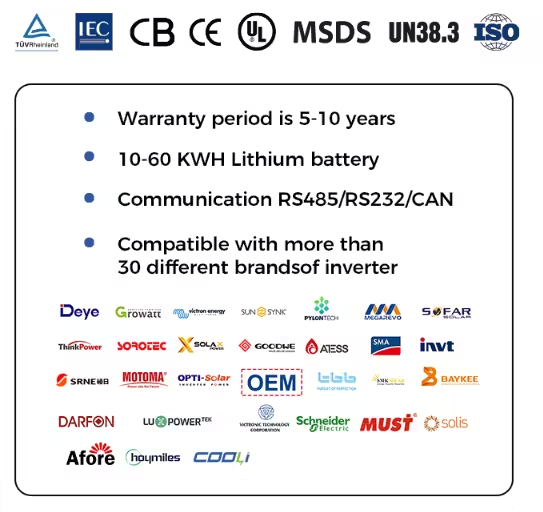
สำคัญ: ตรวจสอบใบรับรอง (เช่น, แอล, ซีอี) และการรับประกัน, และรับรองความเข้ากันได้กับแอปพลิเคชันของคุณ.
บทสรุป
แบตเตอรี่ไฟฟ้าแรงสูงกำลังปฏิวัติระบบการขนส่งและพลังงาน, แต่ความซับซ้อนต้องใช้ความระมัดระวังในการจัดการ. ทำความเข้าใจกับการออกแบบของพวกเขา, ความเสี่ยง, และการบำรุงรักษาทำให้มั่นใจได้ถึงการใช้งานที่ปลอดภัยและมีประสิทธิภาพ. ไม่ว่าจะจ่ายไฟให้รถยนต์ไฟฟ้าหรือเก็บพลังงานแสงอาทิตย์, แบตเตอรี่ HV เป็นส่วนประกอบที่สำคัญของอนาคตไฟฟ้าของเรา.
10แบตเตอรี่ LiFePO4 กิโลวัตต์ชั่วโมง 10ต้นทุนแบตเตอรี่พลังงานแสงอาทิตย์ kWh ในเมียนมาร์ 25ระบบแบตเตอรี่กิโลวัตต์ชั่วโมง ออลอินวัน BESS คอนเทนเนอร์ 4MWh ซาอุดีอาระเบีย ผู้ผลิต BESS ประเทศจีน แบตเตอรี่บ้านที่ถูกที่สุด โซลูชั่น BESS ของจีน จีน DDP ขายส่ง แบตเตอรี่ LiFePO4 ของโรงงานจีน จีนกริดสเกล BESS ซัพพลายเออร์ OEM ของจีน ที่เก็บแบตเตอรี่เชิงพาณิชย์เคนยา ดีซี เอส โซลูชั่น โซลูชัน DDP ตรงไปยัง DRC ส่งจีนตรงสู่แอฟริกา ส่งจีนไปยังแอฟริกาแบตเตอรี่โดยตรง แบตเตอรี่เก็บพลังงาน ระบบกักเก็บพลังงาน ผู้นำแบตเตอรี่ลิเธียมระดับโลก แบตเตอรี่เกรดเอ ผู้จำหน่ายอุปกรณ์จัดเก็บแบตเตอรี่แบบกริดสเกล แบตเตอรี่ภายในบ้านสำหรับครอบครัวชาวดัตช์ การจัดเก็บพลังงานในบ้าน อุตสาหกรรม BESS เคนยา ตะกั่วกรดกับ. แบตเตอรี่ลิเธียมไอออน LiFePO4 แบตเตอรี่ LiFePO4 แบตเตอรี่ LiFePO4 ในแอฟริกาใต้ แบตเตอรี่ LifePo4 เทคโนโลยีแบตเตอรี่ LifePO4 ผู้จัดจำหน่าย LiFePO4 ในอิรัก LiFePO4 ESS เคนยา แบตเตอรี่ลิเธียมไอออน แบตเตอรี่ลิเธียมไอออน ราคาที่ต่ำกว่า แนวโน้มตลาด ตู้ระบายความร้อนด้วยของเหลวกลางแจ้ง การจัดซื้อ LiFePO4 ของซาอุดีอาระเบีย โซลูชัน BESS ที่ปรับขนาดได้สำหรับอุตสาหกรรม แผงโซลาร์เซลล์ ระบบสุริยะ ซ้อน All-in-One ขายส่งแบตเตอรี่พลังงานแสงอาทิตย์ LiFePO4 ขายส่งแบตเตอรี่พลังงานแสงอาทิตย์