
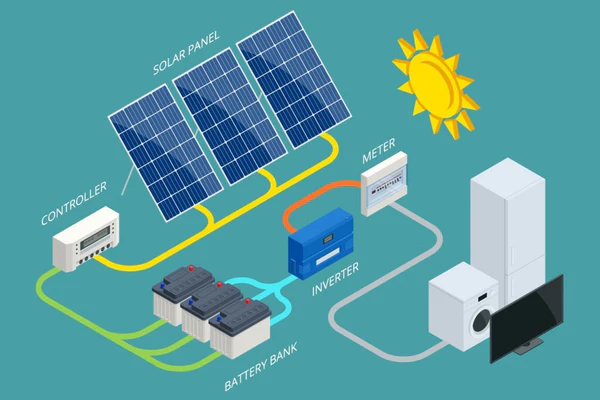
วิธีการคำนวณความจุแบตเตอรี่พลังงานแสงอาทิตย์? 3 ขั้นตอนสู่ขนาดที่สมบูรณ์แบบ
(A Practical Guide for African Homes and Businesses, with a Focus on South Africa)
Matching Solar Battery Capacity to Load-Shedding Schedules in Africa
In regions like South Africa and other parts of Africa, frequent power outages and unreliable grid electricity make solar energy systems a lifeline for homes and businesses. A critical component of any solar setup is the battery, which stores energy for use when the sun isn’t shining. อย่างไรก็ตาม, choosing the wrong battery capacity can lead to wasted money, insufficient power, or shortened battery life.
This guide breaks down the process of calculating solar battery capacity into three simple steps, tailored to Africa’s unique energy needs, climate, and solar potential.

ขั้นตอน 1: Determine Your Daily Energy Consumption
Before sizing your battery, you need to knowhow much energy your household or business uses daily.
- List all electrical appliances you plan to power with solar.
- Typical appliances in African households: ไฟ LED (5–10W), ตู้เย็น (100–200W), ทีวี (50–100W), แฟน ๆ (50ว), mobile chargers (10ว), and small water pumps (200–500W).
- สำหรับธุรกิจ: Computers, เราเตอร์, security cameras, or machinery.
- Calculate daily energy use (in watt-hours, ว):
- พลัง (ว) × Hours of use per day = Daily energy per appliance.
- ตัวอย่าง:
- 5 ไฟ LED (10W แต่ละ) × 6 hours = 300 ว
- ตู้เย็น (150ว) × 24 ชั่วโมง (cycles on/off) data 900 ว
- ทีวี (80ว) × 4 hours = 320 ว
- Total daily energy = 300 + 900 + 320 = 1,520 ว (1.52 กิโลวัตต์ชั่วโมง)
- Factor in inefficiencies:
- Solar systems lose energy due to inverter inefficiency (~10–20%) and battery charging/discharging losses (~10–15%).
- Multiply total daily energy by1.3 (30% buffer):
- 1.52 กิโลวัตต์ ชั่วโมง × 1.3 = ~2 kWh per day.
ขั้นตอน 2: Calculate Battery Capacity Based on Autonomy Days
Battery capacity depends onhow many days you need backup power (autonomy days). ในแอฟริกาใต้, where load-shedding is common, 2–3 days of autonomy is practical.
1.สูตร:
ความจุของแบตเตอรี่(กิโลวัตต์ชั่วโมง)=Daily Energy(กิโลวัตต์ชั่วโมง)×Autonomy Days
- ตัวอย่าง: สำหรับ 2 days of autonomy:
2 kWh/day×2 days=4 kWh
2.Convert kWh to Amp-Hours (อา):
- Batteries are rated in Ah at a specific voltage (เช่น, 12วี, 24วี, 48วี).
- สูตร:

- ตัวอย่าง: For a 48V system:

3.Factor in Depth of Discharge (กระทรวงกลาโหม):
- Most batteries (เช่น, ลิเธียมไอออน) should not discharge below 80–90% DoD. Lead-acid batteries are limited to 50% กระทรวงกลาโหม.
- Adjust capacity:

- ตัวอย่าง: สำหรับลิเธียมไอออน (90% กระทรวงกลาโหม):

ขั้นตอน 3: Match Battery Capacity to Solar Panel Output
Your battery must align with your solar panel array’s charging capability.
- Check daily solar generation:
- South Africa averages4–6 peak sun hours daily (varies by season).
- สูตร:Solar Panel Output(ว)=Panel Wattage×Sun HoursSolar Panel Output(ว)=Panel Wattage×Sun Hours
- ตัวอย่าง: 400W panels × 5 sun hours = 2,000 ว (2 กิโลวัตต์ชั่วโมง).
- Ensure panels can recharge the battery:
- Daily solar generation should exceed daily energy use.
- ตัวอย่าง: If you use 2 kWh/day and generate 2 กิโลวัตต์ชั่วโมง/วัน, you’ll need extra capacity for cloudy days.
- Account for system expansion:
- Add 20–30% extra battery capacity for future needs (เช่น, adding appliances).
Key Considerations for African Users
- ประเภทแบตเตอรี่:
- ลิเธียมไอออน: อายุการใช้งานยาวนานขึ้น (10+ ปี), กระทรวงกลาโหมที่สูงขึ้น (90%), but costly.
- กรดตะกั่ว: Cheaper but shorter lifespan (3–5 ปี) and lower DoD (50%).
- อุณหภูมิ:
- อุณหภูมิสูง (common in Africa) ลดประสิทธิภาพของแบตเตอรี่. Install batteries in shaded, ventilated areas.
- การสนับสนุนในท้องถิ่น:
- Choose brands with service centers in your region (เช่น, หัวเว่ย, Victron Energy, or local suppliers).
Example Calculation for a South African Household
- Appliances: 10 ไฟ (100รวมทั้งหมด), ตู้เย็น (150ว), ทีวี (80ว), พัดลม (50ว).
- Daily energy: 1.5 กิโลวัตต์ชั่วโมง + 30% buffer = 1.95 กิโลวัตต์ชั่วโมง.
- Autonomy: 2 days → 3.9 กิโลวัตต์ชั่วโมง.
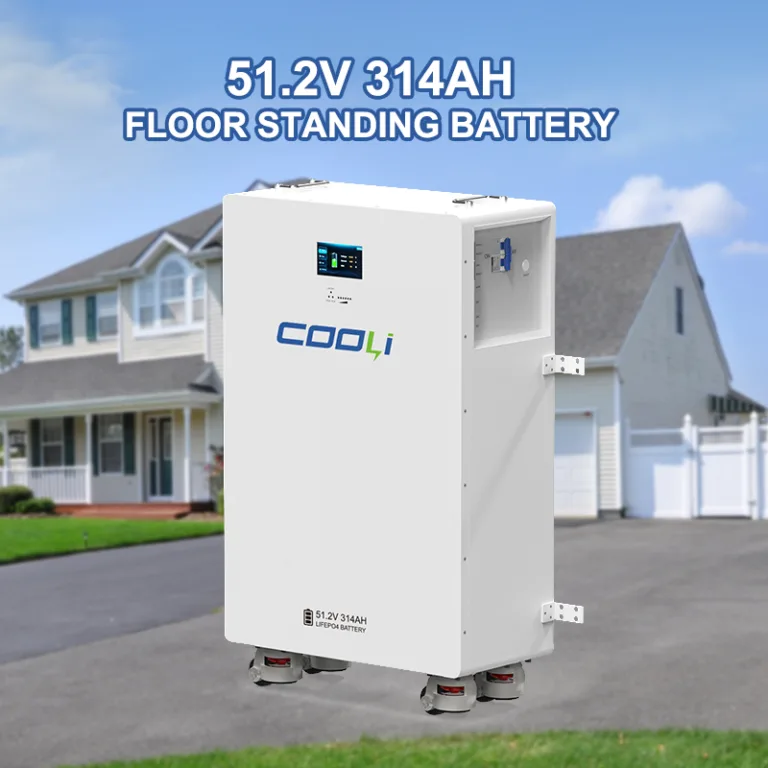
- Battery voltage: 48V → 3.9 กิโลวัตต์ ชั่วโมง × 1,000 / 48V = 81.25 อา.
- ลิเธียมไอออน (90% กระทรวงกลาโหม): 81.25 อา / 0.9 data 90 อา.
- แบตเตอรี่ที่แนะนำ: 100 Ah lithium-ion (48วี).
เคล็ดลับสุดท้าย
- Use a solar calculator tool for precision.
- Consult local installers to validate your design.
- Prioritize energy-efficient appliances to reduce battery size and cost.
By following these steps, you’ll ensure your solar battery system meets your needs, survives load-shedding, and withstands Africa’s climate. 🌞🔋
อ่านต่อ:
- [สุดยอดคู่มือการติดตั้งแบตเตอรี่ลิเธียม 48V 100Ah ติดผนัง: กำลังตอบ 5 คำถามที่พบบ่อยที่สำคัญ]
- [48แบตเตอรี่พลังงานแสงอาทิตย์ V 200Ah ยูกันดา: แก้ปัญหาไฟดับ & ประหยัดต้นทุน]
10แบตเตอรี่ LiFePO4 กิโลวัตต์ชั่วโมง 10ต้นทุนแบตเตอรี่พลังงานแสงอาทิตย์ kWh ในเมียนมาร์ 25ระบบแบตเตอรี่กิโลวัตต์ชั่วโมง ออลอินวัน BESS คอนเทนเนอร์ 4MWh ซาอุดีอาระเบีย ผู้ผลิต BESS ประเทศจีน แบตเตอรี่บ้านที่ถูกที่สุด โซลูชั่น BESS ของจีน จีน DDP ขายส่ง แบตเตอรี่ LiFePO4 ของโรงงานจีน จีนกริดสเกล BESS ซัพพลายเออร์ OEM ของจีน ที่เก็บแบตเตอรี่เชิงพาณิชย์เคนยา ดีซี เอส โซลูชั่น โซลูชัน DDP ตรงไปยัง DRC ส่งจีนตรงสู่แอฟริกา ส่งจีนไปยังแอฟริกาแบตเตอรี่โดยตรง แบตเตอรี่เก็บพลังงาน ระบบกักเก็บพลังงาน ผู้นำแบตเตอรี่ลิเธียมระดับโลก แบตเตอรี่เกรดเอ ผู้จำหน่ายอุปกรณ์จัดเก็บแบตเตอรี่แบบกริดสเกล แบตเตอรี่ภายในบ้านสำหรับครอบครัวชาวดัตช์ การจัดเก็บพลังงานในบ้าน อุตสาหกรรม BESS เคนยา ตะกั่วกรดกับ. แบตเตอรี่ลิเธียมไอออน LiFePO4 แบตเตอรี่ LiFePO4 แบตเตอรี่ LiFePO4 ในแอฟริกาใต้ แบตเตอรี่ LifePo4 เทคโนโลยีแบตเตอรี่ LifePO4 ผู้จัดจำหน่าย LiFePO4 ในอิรัก LiFePO4 ESS เคนยา แบตเตอรี่ลิเธียมไอออน แบตเตอรี่ลิเธียมไอออน ราคาที่ต่ำกว่า แนวโน้มตลาด ตู้ระบายความร้อนด้วยของเหลวกลางแจ้ง การจัดซื้อ LiFePO4 ของซาอุดีอาระเบีย โซลูชัน BESS ที่ปรับขนาดได้สำหรับอุตสาหกรรม แผงโซลาร์เซลล์ ระบบสุริยะ ซ้อน All-in-One ขายส่งแบตเตอรี่พลังงานแสงอาทิตย์ LiFePO4 ขายส่งแบตเตอรี่พลังงานแสงอาทิตย์
หนึ่งความคิดเห็น