
แบตเตอรี่ลิเธียมกับแบตเตอรี่ตะกั่วกรด: การเปรียบเทียบที่ครอบคลุม & คู่มือการซื้อ【2025】
คู่มือฉบับสมบูรณ์เกี่ยวกับแบตเตอรี่ลิเธียมและแบตเตอรี่ตะกั่วกรด
ในการกักเก็บพลังงาน, แบตเตอรี่ลิเธียมไอออน และแบตเตอรี่ตะกั่วกรด ครองตลาด. ไม่ว่าจะเป็นสำหรับระบบพลังงานแสงอาทิตย์, ยานพาหนะไฟฟ้า, หรืออุปกรณ์อุตสาหกรรม, การเลือกประเภทแบตเตอรี่ที่เหมาะสมจะส่งผลต่อประสิทธิภาพ, ค่าใช้จ่าย, และประสิทธิภาพในระยะยาว. บทความนี้จะเปรียบเทียบเทคโนโลยีทั้งสองนี้วงจรชีวิต, ประสิทธิภาพการชาร์จ, การปรับตัวด้านสิ่งแวดล้อม, และความปลอดภัย, ในขณะที่กล่าวถึงคำถามที่พบบ่อย เช่น “แบตเตอรี่ตะกั่วกรดแบบปิดผนึกคืออะไร?” และ “อันไหนดีกว่ากัน?” เพื่อช่วยให้คุณมีข้อมูลประกอบการตัดสินใจ.
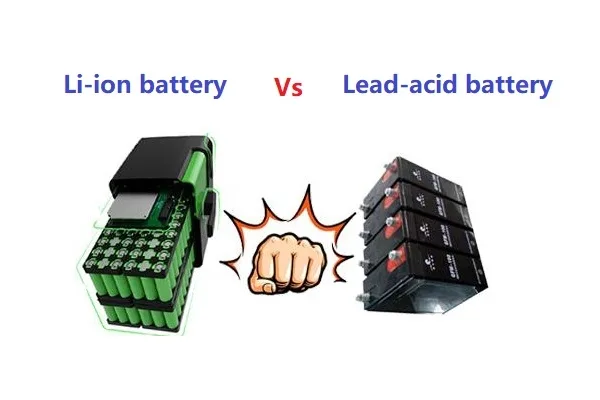
1. ความแตกต่างหลักระหว่างแบตเตอรี่ตะกั่วกรดและแบตเตอรี่ลิเธียม
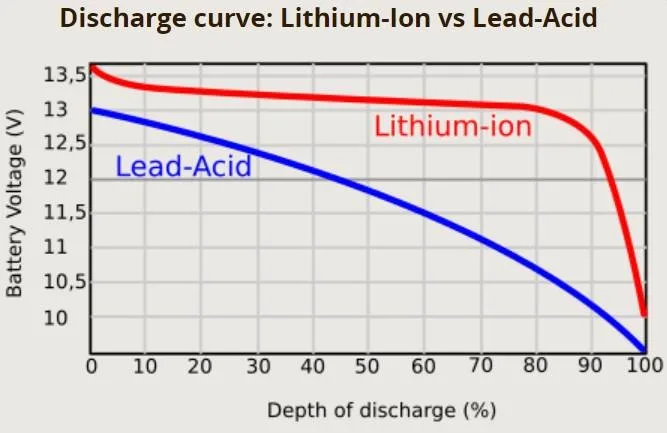
1.1 วงจรชีวิต & ประสิทธิภาพต้นทุน
- ลิเธียมไอออน (เช่น, LiFePO4): 3,000–5,000 รอบ, การเก็บรักษา 80%+ ความจุหลังจากนั้น 2,000 รอบ.
- กรดตะกั่ว: 300–500 รอบ, ด้วยความจุมักจะลดลงต่ำกว่าปกติ 50% หลังจาก 150 รอบ.
- ข้อมูลเชิงลึกด้านต้นทุน: ค่าใช้จ่ายล่วงหน้าของลิเธียมสูงกว่า 2–3 เท่า, แต่อายุการใช้งานก็ลดค่าใช้จ่ายระยะยาวลงได้ 40–50%.
1.2 ความเร็วในการชาร์จ & ประสิทธิภาพการใช้พลังงาน
- ลิเธียม: ค่าธรรมเนียมเข้า2–5 ชั่วโมง (99% ประสิทธิภาพ); รองรับ "การชาร์จโอกาส" บางส่วน
- กรดตะกั่ว: กำหนดให้มี8–10 ชั่วโมง (50–80% ประสิทธิภาพ) และจะต้องคายประจุจนหมดก่อนชาร์จใหม่เพื่อหลีกเลี่ยงความเสียหายจากซัลเฟต.
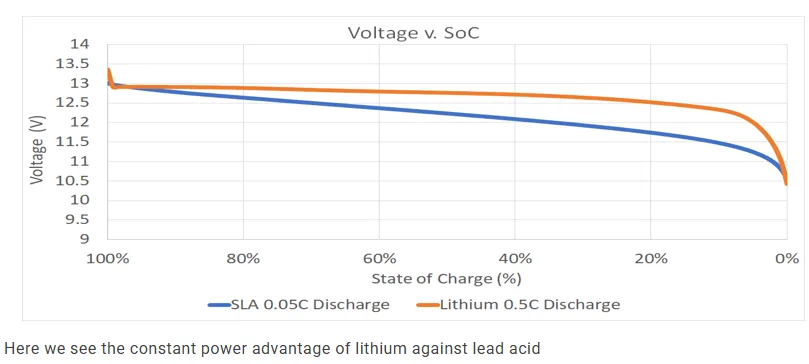
1.3 ความอดทนต่ออุณหภูมิ
- ความร้อนสูง: ลิเธียมมีอายุการใช้งานนานกว่ากรดตะกั่ว 2 เท่าที่อุณหภูมิ 55°C (131°F).
- อุณหภูมิต่ำ:
- ลิเธียม: มอบ 70% ความจุที่ -18°C (0°F) แต่ไม่สามารถชาร์จที่อุณหภูมิต่ำกว่า 0°C ได้ (32°F) ไม่มีระบบทำความร้อน.
- กรดตะกั่ว: จัดเตรียมให้ 45% ความจุที่ -18°C และชาร์จด้วยกระแสไฟต่ำได้ในสภาวะเยือกแข็ง.
1.4 น้ำหนัก & ประสิทธิภาพพื้นที่
- ลิเธียมก็มี3× ความหนาแน่นของพลังงานที่สูงขึ้น, การชั่งน้ำหนัก 60% น้อย. ตัวอย่างเช่น, ชุดลิเธียม 48V/600Ah มีน้ำหนัก ~700 ปอนด์ เทียบกับ. 1,800 ปอนด์สำหรับกรดตะกั่ว.
2. แบตเตอรี่ตะกั่วกรดปิดผนึกคืออะไร (วีอาร์แอลเอ)?
กรดตะกั่วที่ควบคุมโดยวาล์ว (วีอาร์แอลเอ) แบตเตอรี่ ไม่ต้องบำรุงรักษาด้วยการออกแบบที่เป็นเอกลักษณ์:
- โครงสร้าง: อิเล็กโทรไลต์ถูกดูดซับในเครื่องแยก AGM หรือเจล, ขจัดการรั่วไหล.
- ความปลอดภัย: วาล์วระบายแรงดันป้องกันกรดหกระหว่างการชาร์จไฟเกิน.
- การใช้งาน: ระบบยูพีเอส, ไฟฉุกเฉิน, อุปกรณ์ทางการแพทย์ (5– อายุการใช้งาน 10 ปี).
3. ไหนดีกว่ากัน? ถอดรหัสแอปพลิเคชันหลักแล้ว
✅เมื่อใดควรเลือกแบตเตอรี่ลิเธียม
- การใช้งานรอบสูง: ที่เก็บพลังงานแสงอาทิตย์, รถยก (5,000+ รอบลดการทดแทน).
- การใช้งานที่ไวต่อน้ำหนัก: รถบ้าน, โดรน, การใช้งานทางทะเล.
- สภาพแวดล้อมสุดขั้ว: คลังสินค้าที่มีอุณหภูมิสูงหรือโลจิสติกส์แบบโซ่เย็น.
✅เมื่อแบตเตอรี่ตะกั่วกรดส่องแสง
- ข้อจำกัดด้านงบประมาณ: ต้นทุนเริ่มต้นคือ 1/3–1/2 ของลิเธียม.
- ความต้องการการบำรุงรักษาต่ำ: แบตเตอรี่ VRLA เหมาะกับระบบไฟฟ้าสำรอง.
- การตั้งค่าการสั่นสะเทือนสูง: โครงสร้างแข็งแรงทนทานสำหรับแบตเตอรี่สตาร์ทรถยนต์หรือเครื่องจักรกลหนัก.
4. แนวโน้มในอนาคต: โซลิดสเตตลิเธียม & นวัตกรรมเชิงนิเวศน์
เทคโนโลยีเกิดใหม่เช่นแบตเตอรี่ลิเธียมโลหะโซลิดสเตต (เช่น, รถต้นแบบ 10,000 รอบของ Harvard พร้อมการชาร์จ 10–20 นาที) และแบตเตอรี่ที่เป็นน้ำ (เป็นมิตรกับสิ่งแวดล้อม, ไม่ติดไฟ) ความก้าวหน้าที่สัญญาไว้. อย่างไรก็ตาม, ความท้าทายเช่นการเติบโตของเดนไดรต์และความต้านทานการกัดกร่อนยังคงอยู่.
5. ตารางเปรียบเทียบด่วน
| ปัจจัย | ลิเธียมไอออน | กรดตะกั่ว |
|---|---|---|
| ค่าใช้จ่ายล่วงหน้า | สูง | ต่ำ |
| ต้นทุนตลอดชีพ | ต่ำกว่า (อายุการใช้งานยาวนาน) | สูงกว่า (เปลี่ยนบ่อยๆ) |
| เวลาในการชาร์จ | 2–5 ชั่วโมง | 8–10 ชั่วโมง |
| ช่วงอุณหภูมิ | -20°C–60°C (ปล่อย) | -40°C–50°C (ค่าธรรมเนียมจำกัด) |
| เป็นมิตรกับสิ่งแวดล้อม | สูง (ไม่มีสารตะกั่ว) | ต่ำ (มลพิษจากโลหะหนัก) |
คู่มือการตัดสินใจ: เลือกใช้ลิเธียม เพื่ออายุยืนยาว, ประสิทธิภาพ, และการพกพา. เลือกกรดตะกั่ว สำหรับงบประมาณที่จำกัดหรือความต้องการสำรองข้อมูลง่ายๆ. สำหรับสภาวะที่รุนแรง (เช่น, กำลังชาร์จต่ำกว่าศูนย์), ตรวจสอบระบบการจัดการแบตเตอรี่ (บีเอ็มเอส) มีการบูรณาการ.
สำรวจเพิ่มเติม:
ด้วยการเปรียบเทียบแบบละเอียดนี้, คุณพร้อมที่จะเลือกโซลูชันการจัดเก็บพลังงานที่เหมาะสมที่สุดแล้ว! 🔋
10แบตเตอรี่ LiFePO4 กิโลวัตต์ชั่วโมง 10ต้นทุนแบตเตอรี่พลังงานแสงอาทิตย์ kWh ในเมียนมาร์ 25ระบบแบตเตอรี่กิโลวัตต์ชั่วโมง ออลอินวัน BESS คอนเทนเนอร์ 4MWh ซาอุดีอาระเบีย ผู้ผลิต BESS ประเทศจีน แบตเตอรี่บ้านที่ถูกที่สุด โซลูชั่น BESS ของจีน จีน DDP ขายส่ง แบตเตอรี่ LiFePO4 ของโรงงานจีน จีนกริดสเกล BESS ซัพพลายเออร์ OEM ของจีน ที่เก็บแบตเตอรี่เชิงพาณิชย์เคนยา ดีซี เอส โซลูชั่น โซลูชัน DDP ตรงไปยัง DRC ส่งจีนตรงสู่แอฟริกา ส่งจีนไปยังแอฟริกาแบตเตอรี่โดยตรง แบตเตอรี่เก็บพลังงาน ระบบกักเก็บพลังงาน ผู้นำแบตเตอรี่ลิเธียมระดับโลก แบตเตอรี่เกรดเอ ผู้จำหน่ายอุปกรณ์จัดเก็บแบตเตอรี่แบบกริดสเกล แบตเตอรี่ภายในบ้านสำหรับครอบครัวชาวดัตช์ การจัดเก็บพลังงานในบ้าน อุตสาหกรรม BESS เคนยา ตะกั่วกรดกับ. แบตเตอรี่ลิเธียมไอออน LiFePO4 แบตเตอรี่ LiFePO4 แบตเตอรี่ LiFePO4 ในแอฟริกาใต้ แบตเตอรี่ LifePo4 เทคโนโลยีแบตเตอรี่ LifePO4 ผู้จัดจำหน่าย LiFePO4 ในอิรัก LiFePO4 ESS เคนยา แบตเตอรี่ลิเธียมไอออน แบตเตอรี่ลิเธียมไอออน ราคาที่ต่ำกว่า แนวโน้มตลาด ตู้ระบายความร้อนด้วยของเหลวกลางแจ้ง การจัดซื้อ LiFePO4 ของซาอุดีอาระเบีย โซลูชัน BESS ที่ปรับขนาดได้สำหรับอุตสาหกรรม แผงโซลาร์เซลล์ ระบบสุริยะ ซ้อน All-in-One ขายส่งแบตเตอรี่พลังงานแสงอาทิตย์ LiFePO4 ขายส่งแบตเตอรี่พลังงานแสงอาทิตย์

2 ความคิดเห็น