
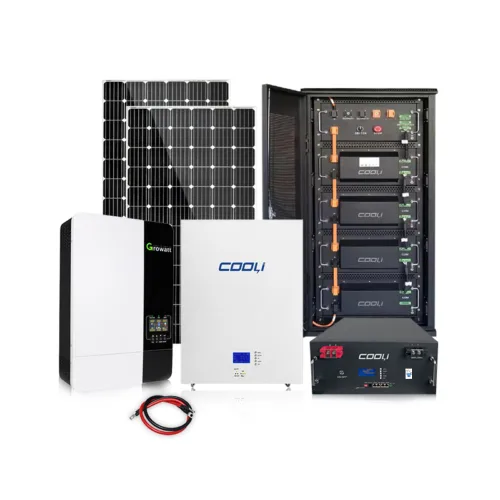
5 Những sự thật cần biết về hệ thống lưu trữ năng lượng & Sự an toàn
Tìm hiểu hệ thống lưu trữ pin năng lượng mặt trời và hệ thống lưu trữ năng lượng pin
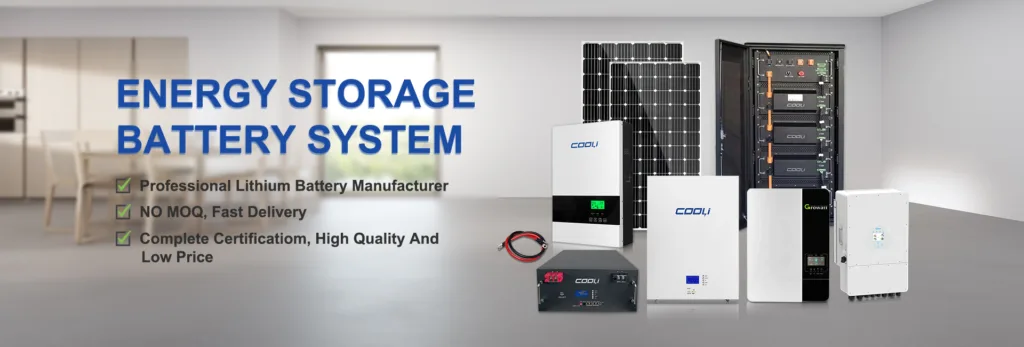
Năng lượng mặt trời đã trở thành giải pháp nổi bật cho phát điện bền vững, và việc tích hợp hệ thống lưu trữ pin đã nâng cao hiệu quả của nó. Tuy nhiên, giống như bất kỳ công nghệ nào, có những cân nhắc và hạn chế nhất định cần lưu ý khi xử lý việc lưu trữ năng lượng mặt trời, đặc biệt là khi sử dụng pin lithium. Trong bài viết này, chúng ta sẽ khám phá Cách bảo quản pin lithium để lưu trữ năng lượng mặt trời, những hạn chế của việc lưu trữ pin năng lượng mặt trời, Và mối nguy hiểm tiềm ẩn, cùng với hoạt động của một hệ thống lưu trữ năng lượng pin (BESS).
Lưu trữ pin năng lượng mặt trời là gì?
Lưu trữ pin năng lượng mặt trời đề cập đến quá trình thu giữ lượng điện dư thừa do các tấm pin mặt trời tạo ra và lưu trữ trong pin để sử dụng sau này. Điều này cho phép độc lập năng lượng lớn hơn, vì năng lượng dự trữ có thể được sử dụng khi mặt trời không chiếu sáng—chẳng hạn như vào ban đêm hoặc trong những ngày nhiều mây.
Pin lithium, đặc biệt Pin LiFePO4, thường được sử dụng để lưu trữ năng lượng mặt trời vì chúng cung cấp mật độ năng lượng cao, vòng đời dài, và nhìn chung an toàn hơn các loại pin lithium-ion khác. Những loại pin này được thiết kế để lưu trữ điện được tạo ra bởi các tấm pin mặt trời và giải phóng nó khi cần thiết để cung cấp năng lượng cho các ngôi nhà, doanh nghiệp, hoặc thậm chí toàn bộ cơ sở công nghiệp.
Cách lưu trữ pin lithium cho năng lượng mặt trời
Việc bảo quản pin lithium đúng cách là rất quan trọng để đảm bảo tuổi thọ và sự an toàn của chúng. Dưới đây là một số điểm chính cần cân nhắc khi lưu trữ pin lithium cho hệ thống năng lượng mặt trời:
- Kiểm soát nhiệt độ: Pin lithium nên được bảo quản ở nơi thoáng mát, môi trường khô ráo, lý tưởng nhất là từ 20°C đến 25°C (68°F đến 77°F). Nhiệt độ cực cao (quá nóng hoặc quá lạnh) có thể khiến pin xuống cấp nhanh hơn hoặc thậm chí hỏng sớm.
- Tránh xả sâu: Luôn lưu trữ pin lithium ở mức sạc một phần, lý tưởng xung quanh 50% ĐẾN 60%. Việc sạc đầy hoặc xả hết pin trong thời gian dài có thể làm hỏng pin và giảm tuổi thọ của pin.
- Thông gió: Đảm bảo khu vực cất giữ pin được thông gió tốt để tránh tích tụ nhiệt. Quá nóng có thể dẫn đến mối nguy hiểm an toàn, chẳng hạn như sự thoát nhiệt.
- Tránh ánh nắng trực tiếp: Ánh nắng trực tiếp có thể làm tăng nhiệt độ của pin, khiến chúng quá nóng và có khả năng bị hỏng. Bảo quản chúng trong bóng râm, không gian thoáng mát.
- Bảo trì thường xuyên: Định kỳ kiểm tra mức sạc và tình trạng của pin, đặc biệt nếu chúng được lưu trữ lâu dài, để đảm bảo chúng vẫn hoạt động bình thường.
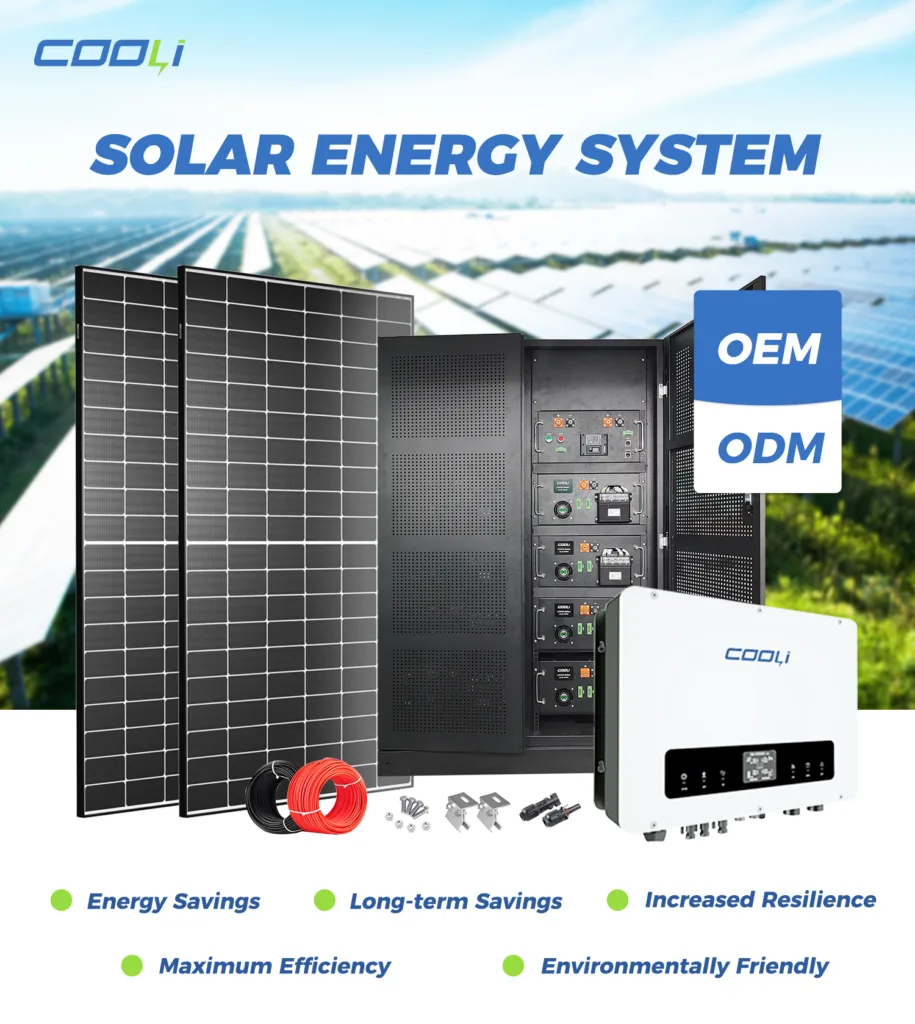
Hệ thống năng lượng mặt trời có hạn chế về việc lưu trữ pin không?
Đúng, hệ thống năng lượng mặt trời có những hạn chế khi lưu trữ pin. Một số thách thức chính bao gồm:
- Hạn chế về năng lực: Lượng năng lượng bạn có thể lưu trữ bị giới hạn bởi dung lượng của pin. Nếu việc sản xuất năng lượng mặt trời của bạn liên tục vượt quá khả năng lưu trữ của bạn, năng lượng dư thừa có thể bị lãng phí, trừ khi nó được đưa trở lại lưới (nếu nối lưới).
- Hiệu suất pin: Pin thường mất đi một phần năng lượng trong quá trình sạc và xả. Điều này có nghĩa là mặc dù bạn có thể lưu trữ 10 kWh năng lượng, bạn chỉ có thể sử dụng 8-9 kWh, tùy thuộc vào hiệu quả của pin và biến tần.
- Trị giá: Pin chất lượng cao, đặc biệt là những loại dựa trên lithium, có thể đắt tiền. Chi phí ban đầu để thiết lập hệ thống lưu trữ pin có thể là rào cản đáng kể đối với nhiều chủ nhà hoặc doanh nghiệp.
- Tuổi thọ: Trong khi pin lithium có tuổi thọ cao (tiêu biểu 5-15 năm), cuối cùng chúng xuống cấp. Khi họ già đi, khả năng giữ điện tích của họ giảm đi, điều đó có nghĩa là chúng sẽ cần được thay thế.
- Không gian: Đối với các hệ thống năng lượng lớn hơn, bạn sẽ cần đủ không gian để lắp đặt bộ pin. Đây có thể là yếu tố hạn chế đối với những ngôi nhà hoặc tòa nhà nhỏ.
Bộ lưu trữ pin lithium gây nguy hiểm gì cho hệ thống năng lượng mặt trời?
Mặc dù pin lithium nói chung là an toàn và đáng tin cậy, chúng gây ra những rủi ro nhất định khi không được xử lý đúng cách. Một số mối nguy hiểm tiềm ẩn bao gồm:
- Chạy trốn nhiệt: Nếu pin lithium trở nên quá nóng hoặc bị hỏng, nó có thể trải nghiệm “sự thoát nhiệt,” nơi nhiệt độ tăng nhanh, dẫn đến cháy hoặc nổ. Điều này đặc biệt nguy hiểm nếu pin được sạc hoặc xả quá nhanh hoặc nếu chúng bị hỏng do va chạm..
- Sạc quá mức hoặc xả sâu: Việc sạc quá mức hoặc xả pin lithium vượt quá phạm vi điện áp khuyến nghị có thể khiến chúng xuống cấp hoặc không ổn định, có khả năng dẫn đến hỏa hoạn hoặc rò rỉ.
- Rò rỉ hóa chất: Nếu pin lithium bị thủng hoặc hư hỏng, nó có thể rò rỉ hóa chất nguy hiểm. Những chất này có thể gây hại cho sức khỏe con người và môi trường, làm cho việc xử lý và thải bỏ an toàn trở nên quan trọng.
- Quần short điện: Đấu dây không đúng cách hoặc trục trặc trong hệ thống quản lý pin (BMS) có thể gây chập điện, có thể dẫn đến tia lửa, hỏa hoạn, hoặc vụ nổ.
Để giảm thiểu những rủi ro này, điều cần thiết là sử dụng hệ thống quản lý pin thích hợp (BMS), giám sát và kiểm soát chu kỳ sạc và xả để đảm bảo vận hành an toàn. Kiểm tra và bảo dưỡng ắc quy thường xuyên, cùng với hướng dẫn lắp đặt sau đây của nhà sản xuất, cũng rất quan trọng trong việc ngăn ngừa các mối nguy hiểm.
Hệ thống lưu trữ năng lượng pin là gì (BESS)?
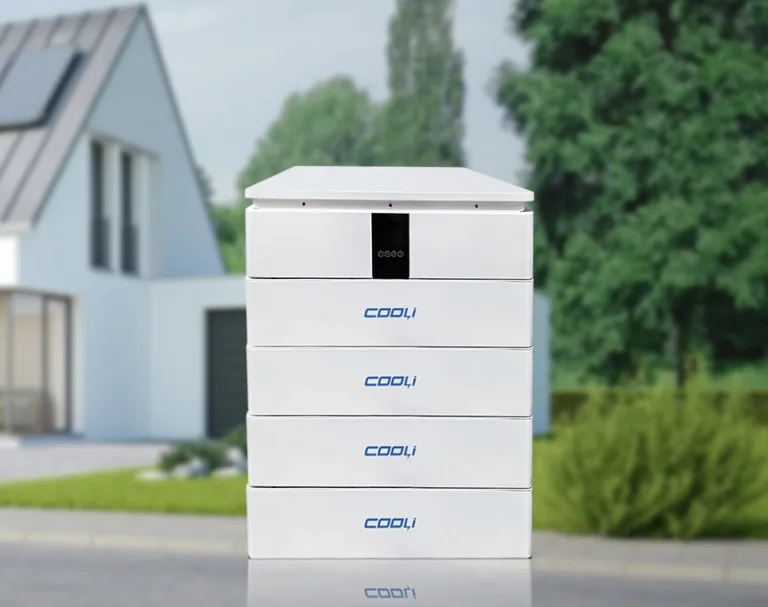
MỘT Hệ thống lưu trữ năng lượng pin (BESS) là một thiết lập phức tạp hơn không chỉ bao gồm pin mà còn các thành phần khác như bộ biến tần, hệ thống quản lý pin (BMS), và thường là kết nối với lưới điện thông minh. BESS được sử dụng để lưu trữ năng lượng điện và giải phóng nó khi cần thiết, cung cấp sự ổn định năng lượng và độ tin cậy cho ngôi nhà, doanh nghiệp, và thậm chí cả tiện ích.
Hệ thống lưu trữ năng lượng bằng pin hoạt động như thế nào (BESS) Công việc?
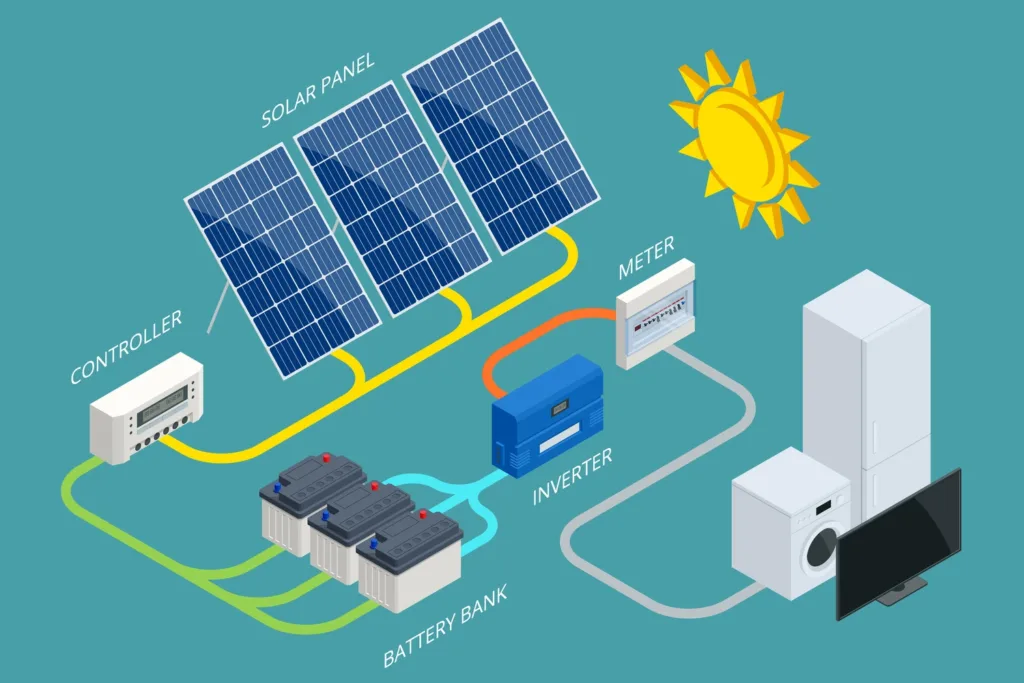
- Thu năng lượng: Các tấm pin mặt trời thu ánh sáng mặt trời và chuyển đổi thành điện năng. Nguồn điện này hoặc được sử dụng ngay hoặc tích trữ trong ắc quy.
- Lưu trữ năng lượng: Khi năng lượng không cần thiết ngay lập tức, nó hướng tới pin, nơi nó được lưu trữ dưới dạng DC (dòng điện một chiều) điện.
- Chuyển đổi biến tần: Biến tần được sử dụng để chuyển đổi điện DC thành AC (dòng điện xoay chiều), đó là dạng điện mà hầu hết các thiết bị và hệ thống sử dụng.
- Xả năng lượng: Khi nhu cầu năng lượng vượt quá mức sản xuất (ví dụ., vào ban đêm hoặc khi trời nhiều mây), năng lượng lưu trữ được lấy từ pin, đi qua biến tần, và cung cấp cho tòa nhà hoặc lưới điện.
- Giám sát thông minh: Nhiều BESS được tích hợp với Hệ thống quản lý pin (BMS) và/hoặc phần mềm quản lý năng lượng. Các hệ thống này giúp tối ưu hóa chu kỳ sạc và xả, theo dõi tình trạng pin, và đảm bảo hệ thống hoạt động hiệu quả, an toàn.
Phần kết luận
Lưu trữ pin năng lượng mặt trời, đặc biệt là với pin lithium, là người thay đổi cuộc chơi trong việc đạt được sự độc lập và bền vững về năng lượng. Tuy nhiên, hiểu các điều kiện bảo quản thích hợp, những hạn chế tiềm ẩn, và mối quan tâm về an toàn là điều cần thiết để tối đa hóa tuổi thọ và sự an toàn của hệ thống năng lượng mặt trời của bạn. Hệ thống lưu trữ năng lượng pin (BESS) cung cấp một giải pháp toàn diện để tăng cường lưu trữ năng lượng và độ tin cậy, giúp người dùng quản lý mức tiêu thụ năng lượng hiệu quả hơn. Với thiết lập và biện pháp phòng ngừa phù hợp, lưu trữ năng lượng mặt trời có thể cung cấp một cách đáng tin cậy, tiết kiệm chi phí, và giải pháp thân thiện với môi trường cho cả ứng dụng dân dụng và thương mại.
Máy tính năng lượng mặt trời:https://dấu chân anh hùng.com/solar-máy tính
Khám phá sức mạnh của hệ thống lưu trữ năng lượng: 5 Những lợi ích chính bạn cần biết
10kWh Pin LiFePO4 10Chi phí pin năng lượng mặt trời kWh ở Myanmar 25Hệ thống pin kWh Tất cả trong một BESS Container 4MWh Ả Rập Xê Út Nhà sản xuất BESS Trung Quốc Pin gia đình rẻ nhất Giải pháp BESS Trung Quốc Bán buôn DDP Trung Quốc Nhà máy Trung Quốc Pin LiFePO4 BESS quy mô lưới Trung Quốc Các nhà cung cấp OEM Trung Quốc Bộ lưu trữ pin thương mại Kenya Giải pháp DC ESS Giải pháp DDP trực tiếp tới DRC Trực tiếp Trung Quốc tới Châu Phi Trực tiếp Trung Quốc tới Châu Phi Pin pin lưu trữ năng lượng Hệ thống lưu trữ năng lượng Lãnh đạo pin lithium toàn cầu Pin hạng A Nhà cung cấp bộ lưu trữ pin quy mô lưới Trang chủ Pin cho các gia đình Hà Lan lưu trữ năng lượng gia đình BESS công nghiệp Kenya Axit chì vs. Pin Lithium-Ion LiFePO4 Pin LiFePO4 Pin LiFePO4 ở Nam Phi Pin LifePo4 Công nghệ pin LifePO4 Nhà phân phối LiFePO4 tại Iraq LiFePO4 ESS Kenya Pin Lithium-Ion pin lithium ion Giá thấp hơn Xu hướng thị trường Tủ làm mát chất lỏng ngoài trời Mua sắm LiFePO4 của Saudi Giải pháp BESS có thể mở rộng cho ngành Tấm năng lượng mặt trời hệ mặt trời Xếp chồng tất cả trong một Bán buôn pin năng lượng mặt trời LiFePO4 Bán buôn pin năng lượng mặt trời


Một bình luận