
Đứng đầu 3 Pin Lithium-ion cho hệ thống năng lượng mặt trời: Lựa chọn tốt nhất ở 2025
Vai trò cốt lõi của Pin Lithium-ion trong Hệ mặt trời và những lựa chọn tốt nhất
Với sự phổ biến ngày càng tăng của hệ thống năng lượng mặt trời, pin lithium-ion đã trở thành lựa chọn ưu tiên trong việc lưu trữ năng lượng do hiệu quả cao của chúng, tuổi thọ dài, và lợi ích môi trường. Bài viết này tổng hợp thông tin về các sản phẩm phổ thông và nhà sản xuất để phân tích các loại pin lithium-ion phù hợp cho hệ mặt trời, lợi thế của họ, và đề xuất lựa chọn.
So sánh dữ liệu bán hàng
1. Khối lượng bán hàng toàn cầu (2023):
- Pin LiFePO₄: 2.5 GWh
- Pin NCM: 1.8 GWh
- Pin LTO: 0.6 GWh
- Pin LiFePO₄ có thị phần lớn nhất, làm cho chúng trở thành sự lựa chọn ưu tiên cho hầu hết các hệ thống dân dụng và công nghiệp.
2. Tỷ lệ sử dụng cho hệ thống dân dụng và công nghiệp:
- Trong hệ thống dân cư:
- 80% sử dụng LiFePO₄
- 15% sử dụng NCM
- 5% sử dụng LTO
- Trong hệ thống công nghiệp và thương mại:
- 60% sử dụng LiFePO₄
- 30% sử dụng NCM
- 10% sử dụng LTO
3. So sánh hiệu suất sạc/xả:
- Hiệu suất sạc/xả:
- Pin LiFePO₄: 96%
- Pin NCM: 92%
- Pin LTO: 98%
- Chu kỳ cuộc sống:
- Pin LiFePO₄: 2000-5000 chu kỳ
- Pin NCM: 1000-2000 chu kỳ
- Pin LTO: 10,000 chu kỳ
- Sự an toàn:
- LiFePO₄: Cao, không cháy
- NCM: Trung bình, có thể gặp hiện tượng thoát nhiệt
- LTO: Rất cao, ổn định trong môi trường khắc nghiệt
4. So sánh giá:
- LiFePO₄: Xấp xỉ. $120–$180/kWh
- NCM: Xấp xỉ. $150–$200/kWh
- LTO: Xấp xỉ. $400–$600/kWh
Ưu điểm của Pin Lithium-ion trong Lưu trữ Năng lượng Mặt trời
1. Mật độ năng lượng cao và nhẹ So với pin axit chì truyền thống, pin lithium-ion, đặc biệt là loại LiFePO₄, có mật độ năng lượng cao hơn và nhẹ hơn. Ví dụ, pin 12V 100Ah LiFePO₄ chỉ nặng 9,36kg, trong khi ắc quy axit chì có cùng dung lượng có thể nặng tới 30kg. Điều này khiến chúng trở nên lý tưởng cho việc lắp đặt trên mái nhà hoặc các ứng dụng di động như RV và hệ thống không nối lưới.
2. Cuộc sống chu kỳ dài và ổn định Pin LiFePO₄ thường có vòng đời trên 2000 chu kỳ (với 80% duy trì năng lực), vượt xa 300-500 chu kỳ của pin axit chì. Các nhà sản xuất như Dinali Energy thực hiện kiểm tra chất lượng nghiêm ngặt để đảm bảo độ ổn định của pin ở nhiệt độ khắc nghiệt và đưa ra các chế độ bảo hành từ 1 ĐẾN 3 năm.
3. Sạc/Xả nhanh và khả năng tương thích cao Pin lithium-ion hỗ trợ tốc độ sạc/xả cao hơn (ví dụ., 100BMS), cho phép phản ứng nhanh với năng lượng đầu vào từ các tấm pin mặt trời. Thông qua thông minh Hệ thống quản lý pin (BMS), chúng cung cấp khả năng bảo vệ quá tải và xả quá mức, đảm bảo khả năng tương thích với bộ biến tần và bộ điều khiển năng lượng mặt trời.
Các loại pin lithium-ion tốt nhất cho hệ mặt trời
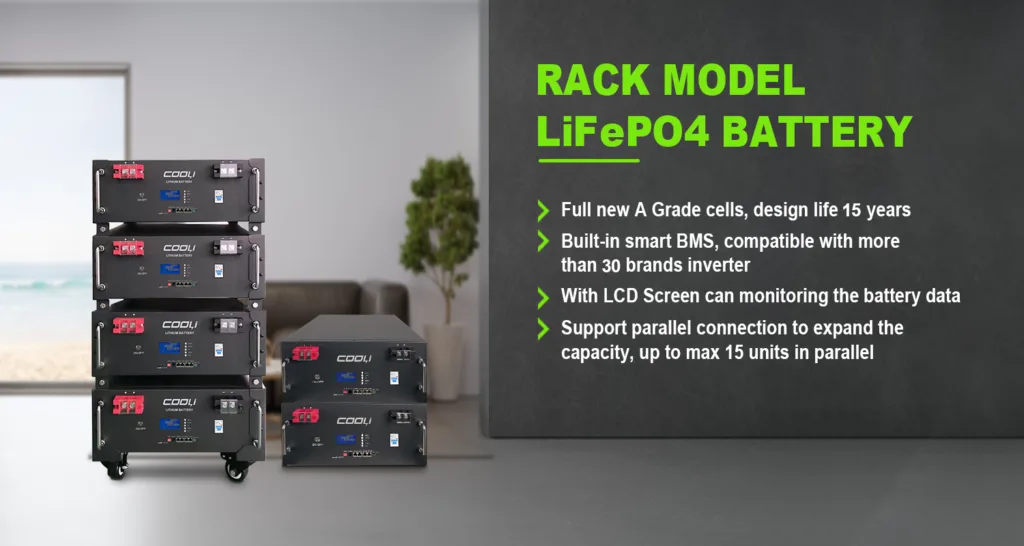
1. LiFePO₄ (Pin Lithium Sắt Phosphate)
- Ưu điểm cốt lõi: Độ an toàn cao (ổn định nhiệt mạnh mẽ), vòng đời dài (1500-2000 chu kỳ), thân thiện với môi trường.
- Ứng dụng điển hình: Kho dân dụng, hệ thống năng lượng mặt trời ngoài lưới, RV, vân vân.
- Sản phẩm đại diện: Pin 12V 100Ah LiFePO₄ với 100A BMS, cung cấp bảo hành 1 năm, giá xung quanh $139.
2. NCM (Pin lithium Niken Cobalt Mangan)
- Đặc trưng: Mật độ năng lượng cao hơn, lý tưởng cho các ứng dụng nhạy cảm với không gian, nhưng có vòng đời thấp hơn một chút so với LiFePO₄.
- Ứng dụng: Hệ thống lưu trữ thương mại và công nghiệp, thiết lập năng lượng mặt trời lai nhu cầu năng lượng cao.
3. LTO (Pin Lithium Titanat)
- Thuận lợi: Vòng đời siêu dài (lên đến 10,000 chu kỳ), khả năng thích ứng nhiệt độ rộng (-30°C đến 60°C).
- Ứng dụng phù hợp: Hệ thống lưu trữ năng lượng mặt trời ở vùng khí hậu khắc nghiệt hoặc hệ thống lưới điện siêu nhỏ với chu kỳ sạc/xả thường xuyên.
Hướng dẫn mua pin Lithium-ion năng lượng mặt trời
1. Kết hợp công suất và điện áp Đối với hệ thống nhà ở, 12Pin V hoặc 24V được sử dụng phổ biến (ví dụ., một bình ắc quy 12V 100Ah có thể lưu trữ khoảng 1,2kWh năng lượng). Điều cần thiết là tính toán tổng nhu cầu năng lượng dựa trên công suất tải và thời gian ánh sáng mặt trời.
2. BMS và chứng nhận an toàn Đảm bảo pin có BMS tích hợp hỗ trợ bảo vệ quá dòng và nhiệt độ. Chọn sản phẩm được chứng nhận bởi UL, CN, hoặc TUV (chẳng hạn như từ EastSun ,Sunchees và Coolithium).
3. Nhà sản xuất và dịch vụ hậu mãi Lựa chọn các thương hiệu cung cấp giải pháp tùy chỉnh:
- tổng công suất: 30,000 m2 nhà xưởng, hỗ trợ tùy chỉnh lưu trữ năng lượng cấp công nghiệp.
- CMGL năng lượng mặt trời (Chợ Pakistan): Cung cấp giải pháp pin Tesla và Longi với bảo hành hệ thống 25 năm.
Các nhà sản xuất pin lithium toàn cầu được đề xuất
1. ĐôngSun (Trung Quốc)
- Dòng sản phẩm của họ bao gồm cả hệ thống lưu trữ dân dụng và thương mại, cung cấp giải pháp tích hợp với bộ biến tần lai và pin LiFePO₄, được chứng nhận bởi UL và IEC.
2. Năng lượng nhanh (Ấn Độ)
- Chuyên về năng lượng xanh, sản xuất pin LFP và NCM, hỗ trợ các ứng dụng biến tần năng lượng mặt trời và lưới điện siêu nhỏ, và cung cấp 24/7 hỗ trợ kỹ thuật.
3. Sunchees (Trung Quốc)
- Với 15 năm kinh nghiệm OEM, Sunchees cung cấp bộ biến tần sóng sin tinh khiết và hệ thống pin lithium, hỗ trợ các dự án phân tán ở hơn 100 các nước.
4. Coolithium(Trung Quốc)
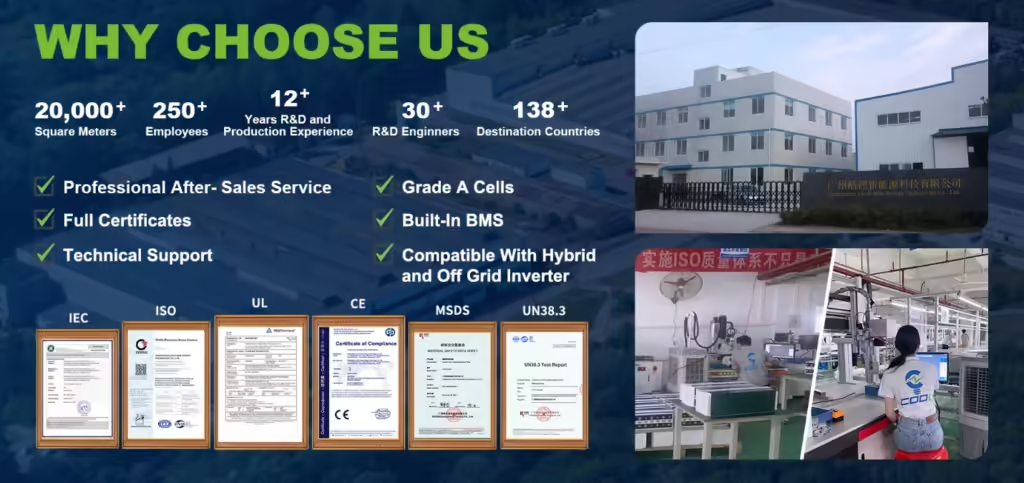
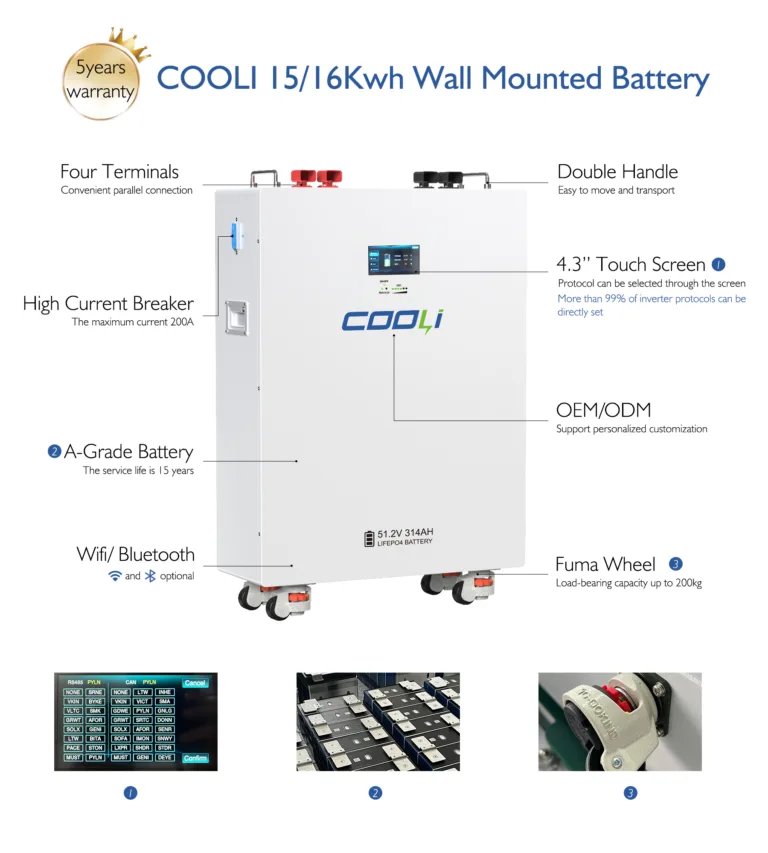
- 15 Năm kinh nghiệm Nhà máy chuyên nghiệp với 3 tòa nhà sản xuất, OEM&kinh nghiệm ODM, Hệ thống BMS được phát triển bởi Nhóm Kỹ sư của chúng tôi, Có thể phù hợp hơn 20 thương hiệu biến tần.Got ISO9001, UL,các-021, IEC,CN,CB,UN38.3,MSDS,v.v. Giấy chứng nhận.
Khuyến nghị lắp đặt và bảo trì
1. Khả năng tương thích hệ thống Đảm bảo điện áp pin phù hợp với thông số kỹ thuật của tấm pin mặt trời và biến tần (ví dụ., pin 12V phải tương thích với bộ điều khiển năng lượng mặt trời 12V).
2. Giám sát thường xuyên Sử dụng các ứng dụng thông minh do nhà sản xuất cung cấp (ví dụ., Công cụ giám sát của CMGL Solar) để theo dõi trạng thái sạc và xả trong thời gian thực.
3. Yêu cầu về môi trường Tránh nhiệt độ cao hoặc môi trường ẩm ướt. Pin LiFePO₄ được khuyến nghị hoạt động trong phạm vi nhiệt độ từ -20°C đến 60°C.
Phần kết luận
pin LiFePO₄, do hiệu suất sạc/xả cao của chúng, sự an toàn, và giá cả phải chăng, vẫn là lựa chọn hàng đầu trong hầu hết các hệ thống dân dụng và công nghiệp. Pin NCM phù hợp hơn cho các ứng dụng dung lượng cao, trong khi pin LTO nổi bật trong môi trường khắc nghiệt hoặc các tình huống đạp xe tần số cao. Khi lựa chọn, xem xét các nhu cầu cụ thể của hệ thống, và từ góc độ đầu tư dài hạn và hiệu quả, LiFePO₄ là lựa chọn tốt nhất trong hầu hết các trường hợp.
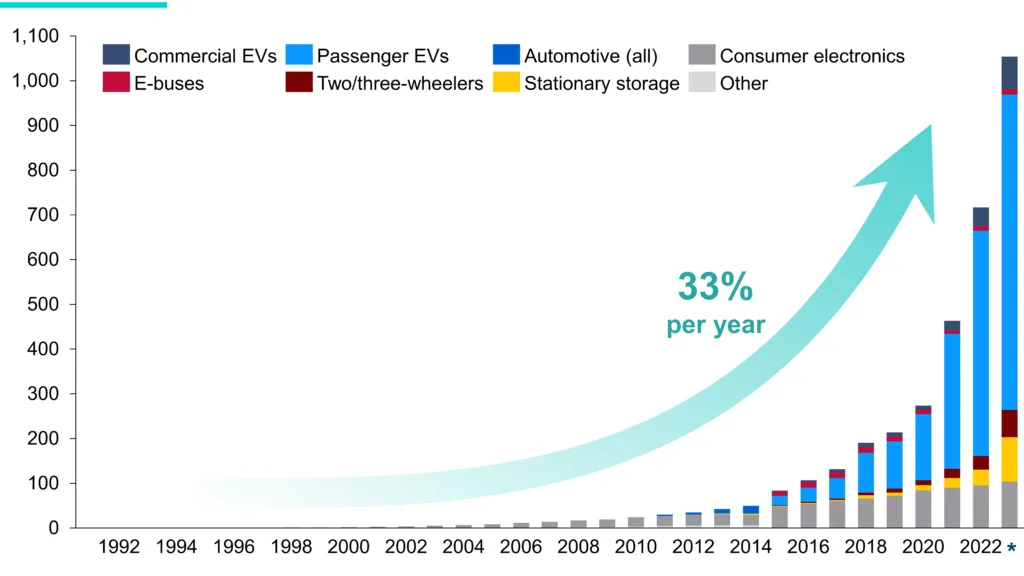
Tổng quan về thị trường pin năng lượng mặt trời toàn cầu Nguồn: https://www.marketresearchfuture.com/reports/solar-battery-market-10621
10kWh Pin LiFePO4 10Chi phí pin năng lượng mặt trời kWh ở Myanmar 25Hệ thống pin kWh Tất cả trong một BESS Container 4MWh Ả Rập Xê Út Nhà sản xuất BESS Trung Quốc Pin gia đình rẻ nhất Giải pháp BESS Trung Quốc Bán buôn DDP Trung Quốc Nhà máy Trung Quốc Pin LiFePO4 BESS quy mô lưới Trung Quốc Các nhà cung cấp OEM Trung Quốc Bộ lưu trữ pin thương mại Kenya Giải pháp DC ESS Giải pháp DDP trực tiếp tới DRC Trực tiếp Trung Quốc tới Châu Phi Trực tiếp Trung Quốc tới Châu Phi Pin pin lưu trữ năng lượng Hệ thống lưu trữ năng lượng Lãnh đạo pin lithium toàn cầu Pin hạng A Nhà cung cấp bộ lưu trữ pin quy mô lưới Trang chủ Pin cho các gia đình Hà Lan lưu trữ năng lượng gia đình BESS công nghiệp Kenya Axit chì vs. Pin Lithium-Ion LiFePO4 Pin LiFePO4 Pin LiFePO4 ở Nam Phi Pin LifePo4 Công nghệ pin LifePO4 Nhà phân phối LiFePO4 tại Iraq LiFePO4 ESS Kenya Pin Lithium-Ion pin lithium ion Giá thấp hơn Xu hướng thị trường Tủ làm mát chất lỏng ngoài trời Mua sắm LiFePO4 của Saudi Giải pháp BESS có thể mở rộng cho ngành Tấm năng lượng mặt trời hệ mặt trời Xếp chồng tất cả trong một Bán buôn pin năng lượng mặt trời LiFePO4 Bán buôn pin năng lượng mặt trời

Một bình luận